
How to Master Construction Risk Management: A Step-by-Step Guide for Safer Projects
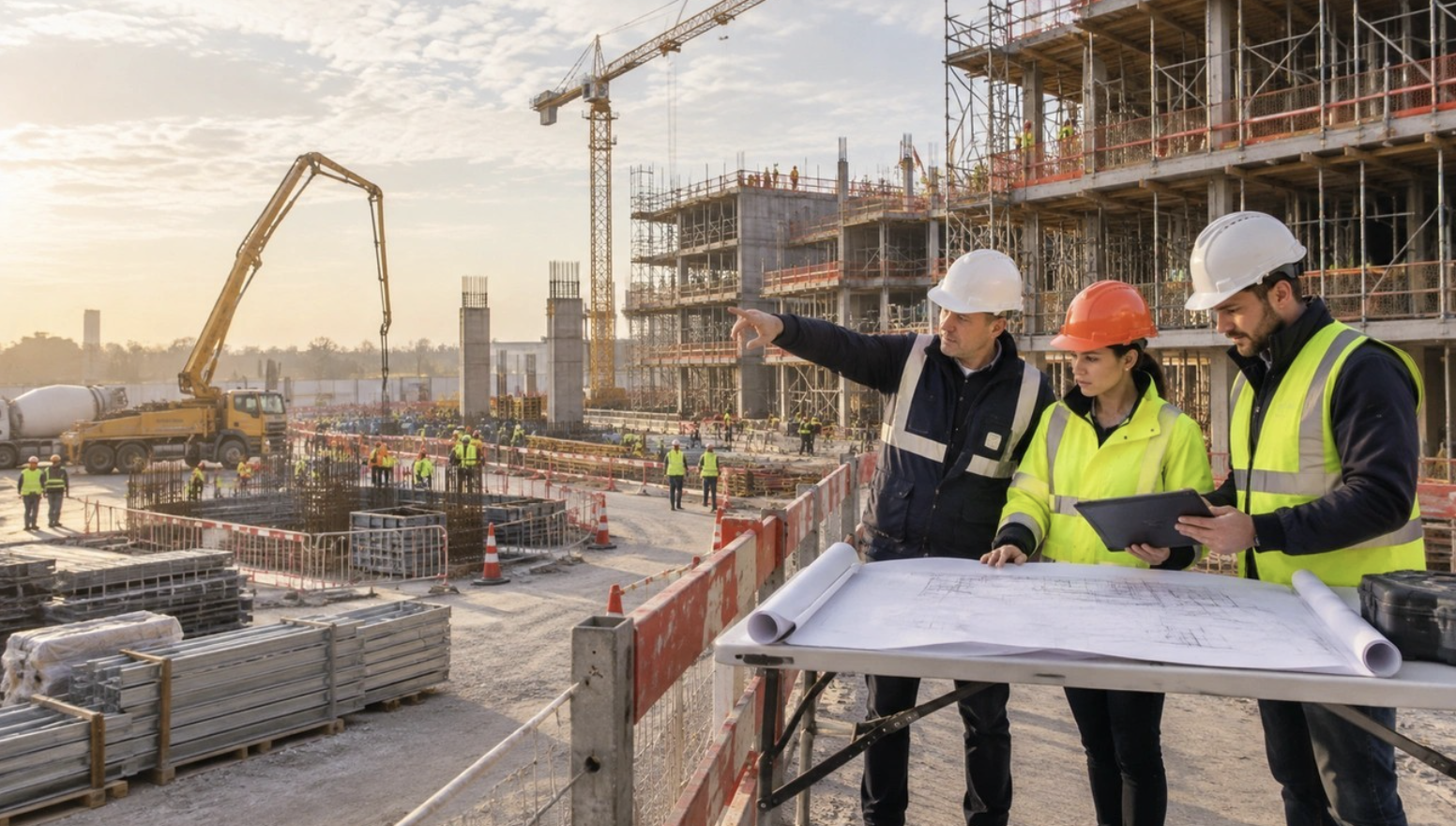
Construction risk management can mean the difference between a controlled project and a budget scramble. Large projects can exceed their budgets by up to 80%, take 20% longer than planned, and 98% of megaprojects experience overruns or delays[5].
Our view is that risk management in construction projects means identifying construction risks early instead of reacting after they disrupt the schedule. We will show you how risk management in construction begins with a practical risk assessment construction process and turns those findings into a clear construction risk management plan. We will also cover ongoing risk monitoring, how to respond at the time issues arise, and how to refine your approach to create safer, more resilient projects. Let’s get started!
Understand Construction Risks Before You Start
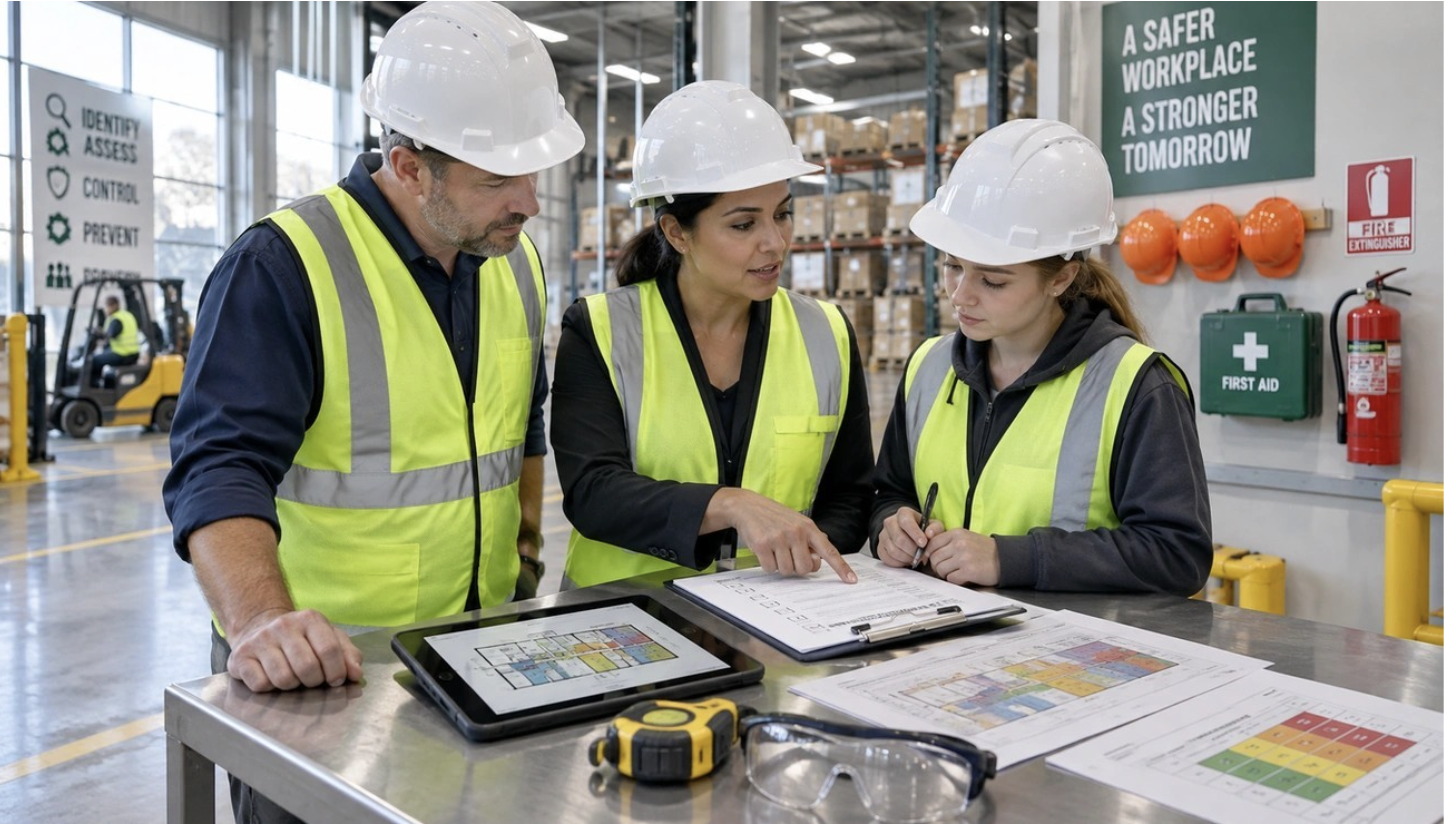
We begin construction project risk management during preconstruction. Our review identifies conditions that affect safety, cost, program, quality, and compliance. Australia's construction industry represented 23% of worker fatalities in 2023, which was 36% above its five-year industry average, and 12% of serious claims in 2022–23[1]. These figures make safety hazards an immediate priority.
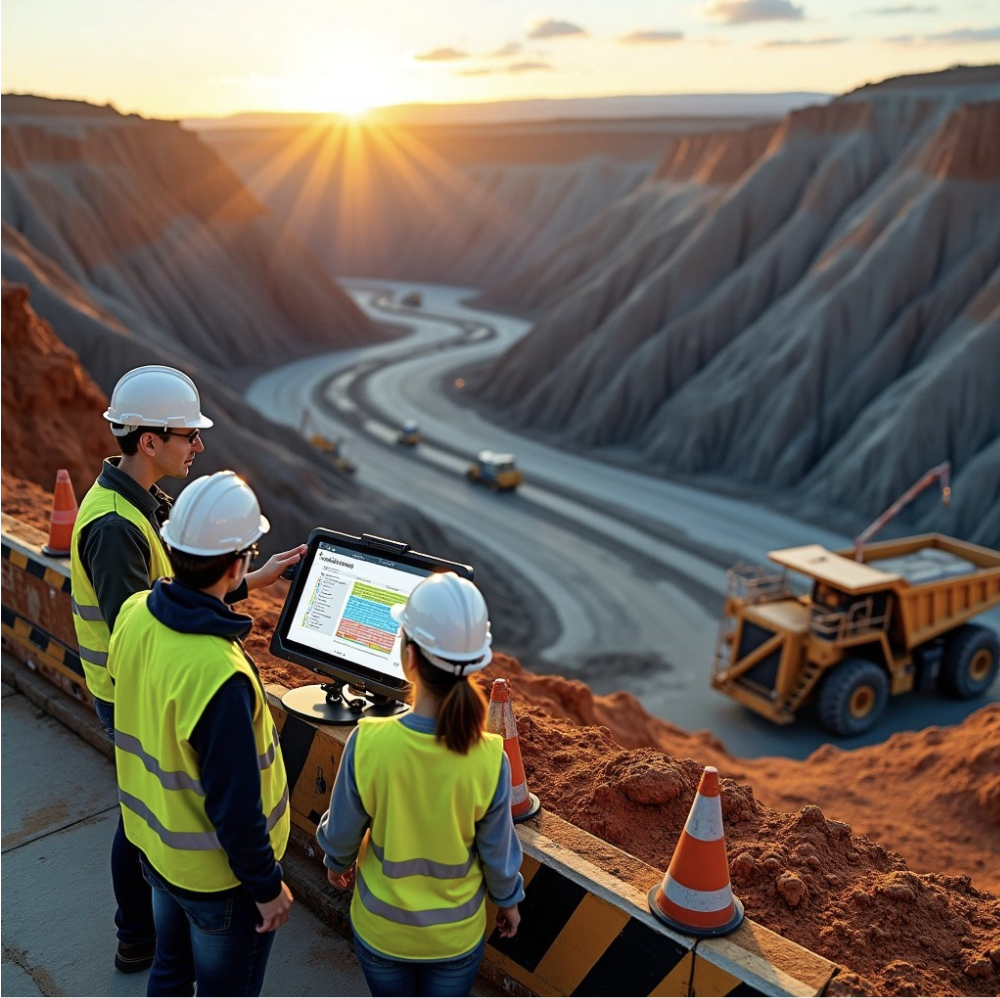
We review the site, drawings, scope, program, permits, contracts, funding, suppliers, subcontractor capacity, and nearby work. We ask for the designer's safety report on hazards specific to design, construction, maintenance, use, and demolition. Site findings may include contaminated ground, traffic interfaces, services, weather exposure, or restricted access.
We group construction risks by owner:
- Safety and health: falls, plant movement, electricity, trenches, hazardous materials, and manual tasks.
- Financial and schedule: price changes, late payments, delayed materials, labor gaps, and unrealistic durations.
- Design, legal, environmental: incomplete details, disputes, code requirements, ground conditions, and natural events.
High-risk work requires us to first confirm whether a safe work method statement (SWMS) is needed. This includes work with falls above two meters, asbestos disturbance, trenches deeper than 1.5 meters, energized services, or mobile plant[2]. We consult workers, designers, trade partners, and suppliers because activities often overlap. We use this evidence to develop the project's risk assessment construction and construction risk management plan.
Build a Construction Risk Management Plan Step by Step
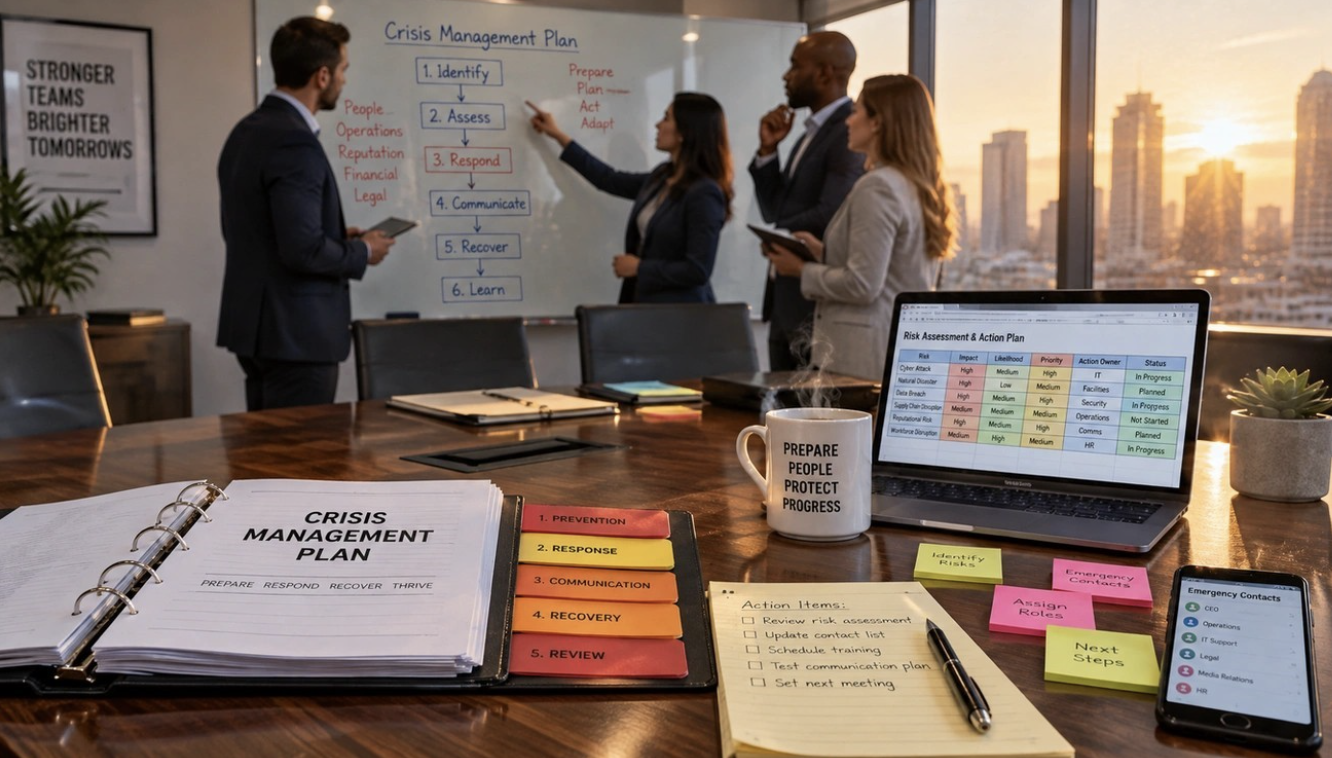
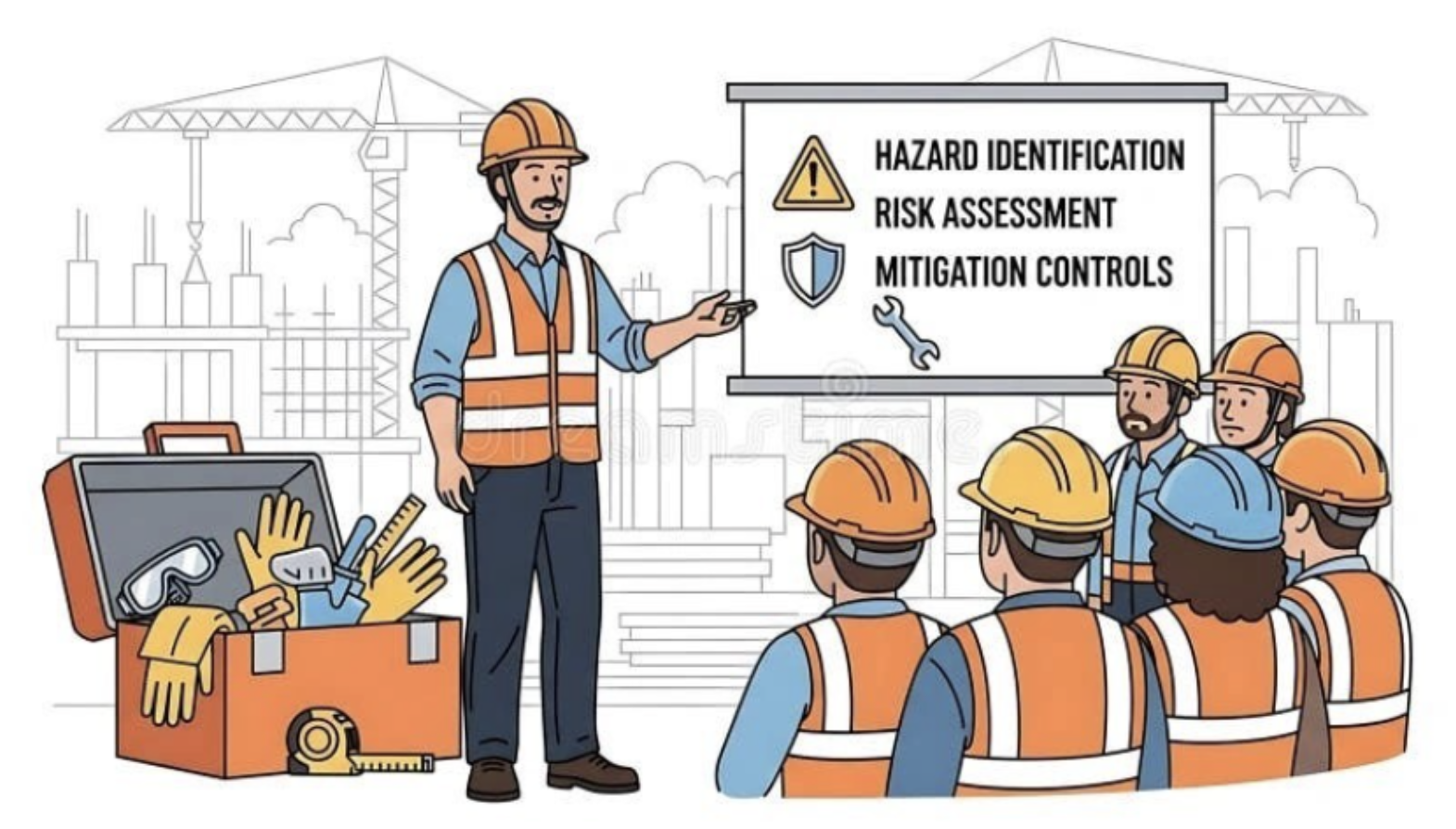
We turn identified exposures into a construction risk management plan that guides decisions, spending, and action.
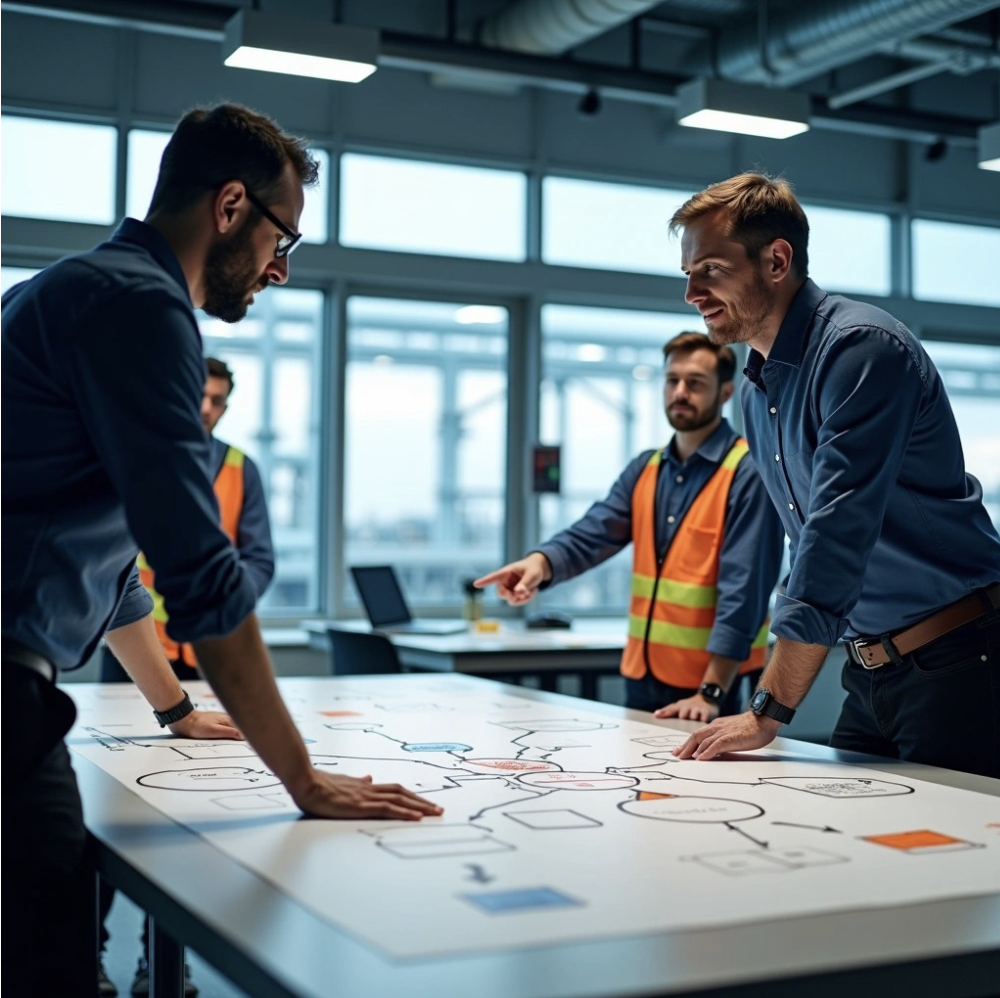
- Create a risk register. We assign each entry an ID, category, plain-language event and cause, named owner, status, response, mitigation actions, and review date. This gives the team a single record.
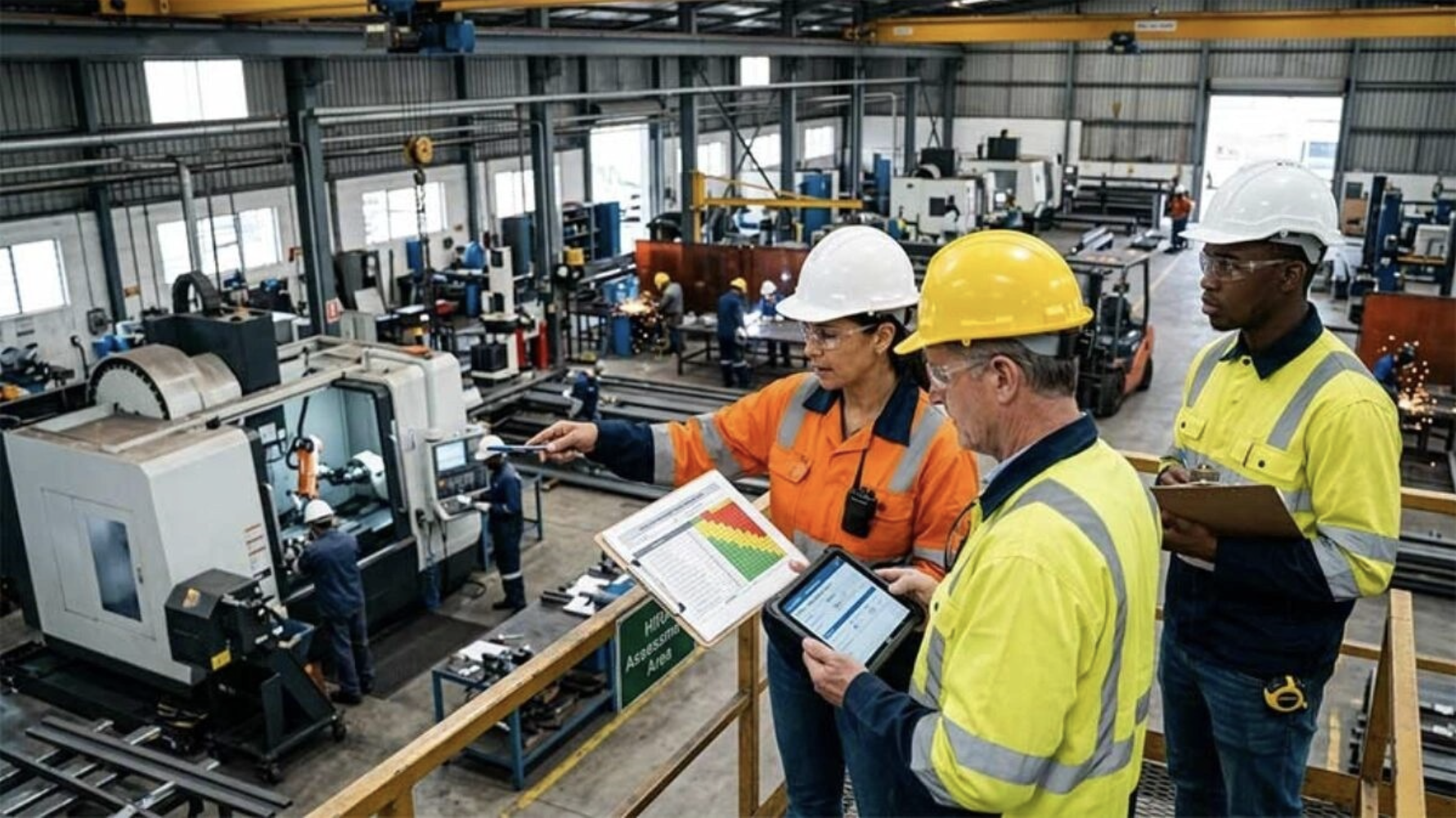
- Score and rank exposure. We rate likelihood and impact on a scale of 1 to 5, multiply the scores, and plot the result on a matrix. To cite an instance, a material delay with a likelihood score of 4 and an impact score of 4 receives a score of 16. We set escalation thresholds, and scores of 12 or higher may require action[3].
- Select a response and controls. We choose to avoid, reduce, transfer, or accept the risk. We then record the action, owner, deadline, and resources. Safety construction risks require us to remove the hazard first. If removal is not possible, we think about substitution, isolation, engineering measures, administrative procedures, and PPE in that order. PPE supports stronger controls instead of replacing them.
- Fund residual exposure. We link cost and program risks to contingency based on estimates, treatment, and remaining exposure. The allowance changes as project knowledge improves.
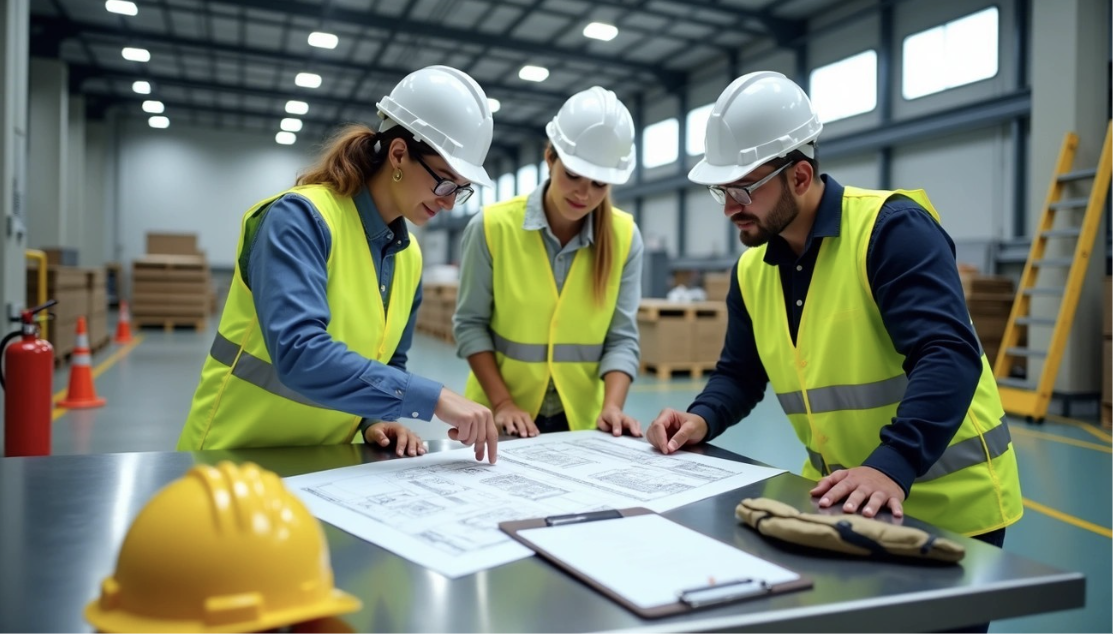
Our construction risk assessment covers emergency arrangements, permits, training, consultation, approvals, and review triggers. Construction risk management works when we verify controls before activities begin.
Track Risks and Improve Your Plan During Construction
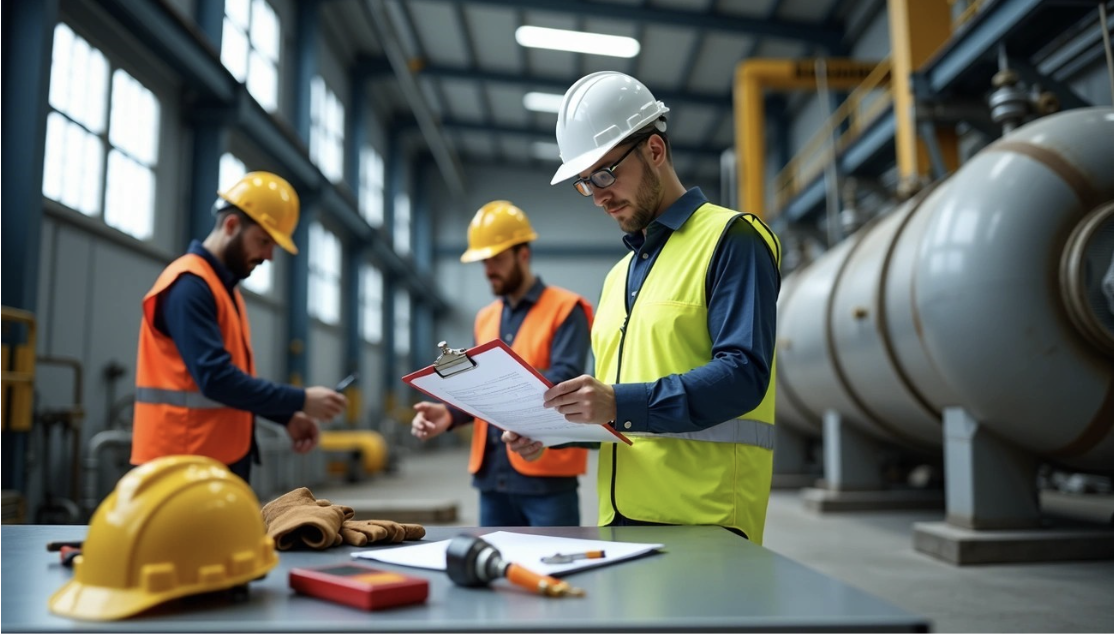
Once work begins, we keep the risk register active. We review it during weekly or fortnightly project meetings, at major milestones, and each time site conditions, drawings, sequencing, plant, materials, or subcontractor performance changes. We also review controls after an incident, near miss, worker concern, or proposed layout change.
We compare planned and actual progress, costs, delivery dates, RFIs, inspections, and permits in a shared record. Each update records likelihood and impact, control status, the action owner, due date, and supporting evidence. Where a control changes the way work is done, we consult workers, update safe procedures, and provide instruction, training, and supervision.
We escalate any risk that exceeds the owner's authority, funding, or expertise, or that affects several parties.
Site reports and incident records show where construction risks recur. An Australian incident dataset showed that equipment and tools factored in 50% of incidents, workplace conditions in 21%, and construction processes in 17%[4]. We use these patterns to focus construction risk assessments on work that requires observation. The closeout record captures what worked, what failed, and which actions we will repeat or change. This history strengthens risk management in construction projects and informs the construction risk management plan for future work.
Conclusion
We treat construction risk management as an ongoing project discipline, not a checklist completed once. Early risk identification and a clear risk register create a strong foundation. Practical controls and assigned owners help protect people and budgets while keeping schedules on track. Regular reviews also allow us to address small problems before they cause major disruptions.
Keep the plan current and involve the workforce throughout the project. Apply lessons from closeout work to make future projects safer and stronger.
References
[1] - https://www.theaccessgroup.com/en-au/construction/resources/construction-risk-management/
[2] - https://www.safeworkaustralia.gov.au/safety-topic/industry-and-business/construction/managing-risks
[3] - https://mitti.com/checklists/safety/construction-risk-register-template
[4] - https://www.sciencedirect.com/science/article/pii/S0925753525000906
[5] -https://smartpm.com/blog/construction-risk-management-the-complete-guide-for-safer-projects



































Ready to Save Lives at Work?
With Impress Solutions, you’re not just getting a service, you’re securing peace of mind with a partner you can trust. Book a free consultation today, and let’s map out how we can help you save lives at work.

