How to Implement Workplace Burn Prevention: A Step-by-Step Safety Guide

Workplace burn prevention matters more than you might think. Burns result in over 40,000 hospitalizations annually in the United States alone[2]. Globally, the WHO reports an estimated 180,000 deaths each year[29].
Industries like construction, manufacturing, and food service face the highest risks. Burn injuries fall into three categories: electrical, thermal, and chemical[5]. Each type requires specific safety controls and management practices.
We've created this complete guide to show you how to prevent workplace injuries from burns. You'll learn practical heat safety tips for your workplace and understand workplace burn safety requirements. You'll also find applicable steps to protect your team from work burning hazards.
Step 1: Identify and Assess Workplace Burn Hazards
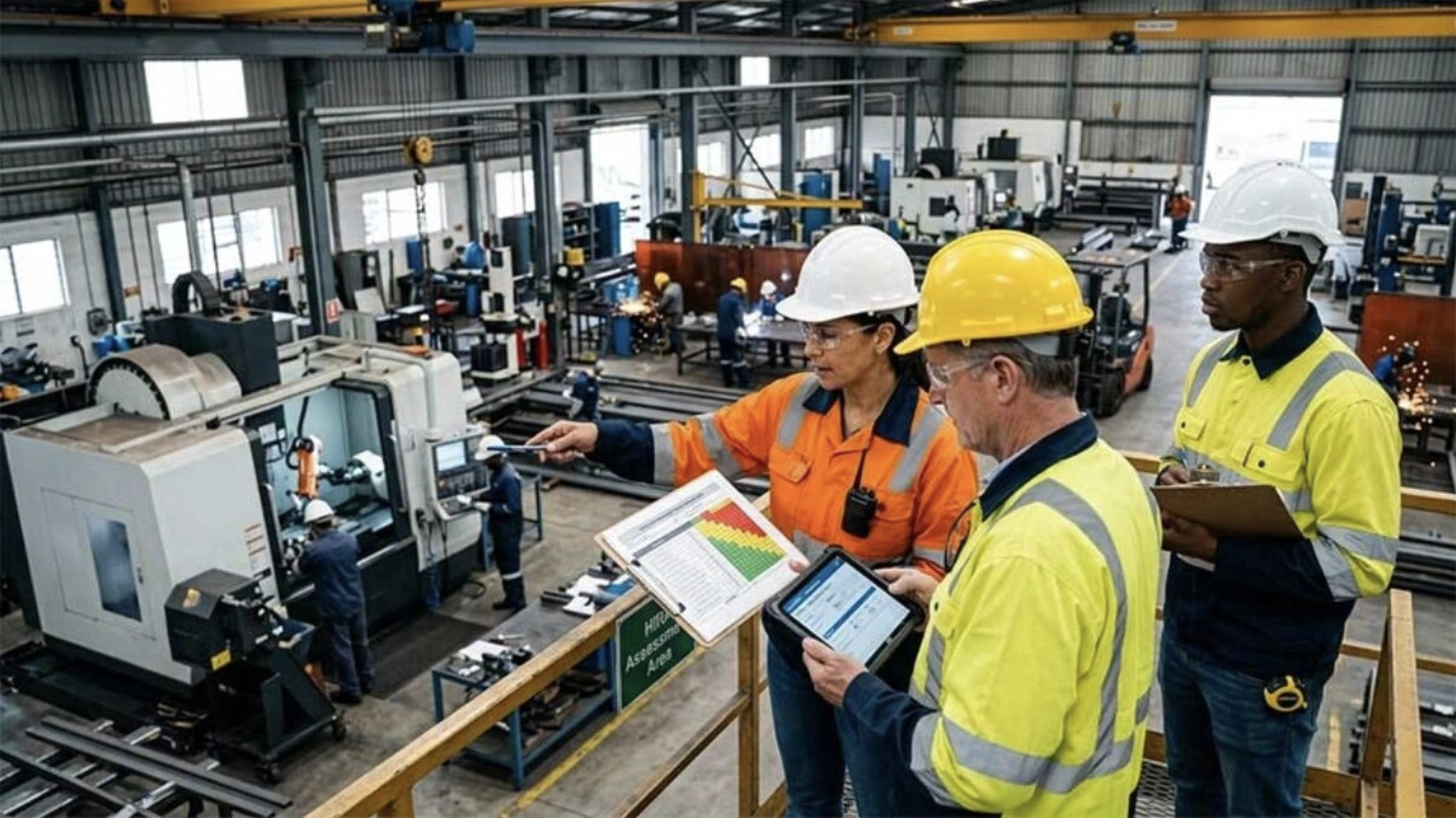
Identifying burn hazards are the foundations of any effective workplace burn prevention program. This assessment process requires you to get into your work environment and uncover potential sources of thermal, chemical and electrical injuries.
Conduct a Workplace Hazard Survey
Assemble a competent assessment team that has both experienced workers familiar with daily operations and fresh viewpoints from those less familiar with the workspace. Walk through your facility and observe how work gets done, not just how procedures say it should be done. Pay attention to equipment use, chemical handling and general housekeeping conditions.
Get into routine activities and non-routine tasks like maintenance, repair and cleaning operations. Review incident reports, near-miss records and worker complaints to identify patterns. Document the physical work environment, equipment and materials used, work tasks and their execution, plus overall work design and management structures.
Recognize Thermal Burn Sources
Thermal burns represent the most common workplace burn type. Gas-burning equipment causes 14.34% of workplace burns. Injection machines and furnaces for melting material follow at 10.65%[30]. Fire and contact with hot surfaces generate the majority of these injuries.
Specific thermal hazards have flames from welding operations, hot tar and asphalt in construction and roofing work, molten materials in casting operations, and cooking equipment in food service environments. Workers handling or positioned near furnaces, welding machines and molten metal face raised risks during operation, maintenance or equipment malfunction.
Identify Chemical Burn Risks
Chemical burns occur when skin or eyes contact corrosive substances. At least 3,540 workplace burns resulted from chemical burns or corrosions in 2020[31]. Common caustic agents have sulfuric acid, nitric acid, hydrofluoric acid and phosphoric acid. Alkalis like sodium hydroxide, calcium hydroxide, ammonia and phosphates also cause severe injuries[32].
Additional chemical hazards have bleaches, peroxides, white phosphorus, gasoline, concrete mix, battery acid, drain cleaners and pool chlorinators[31]. These substances cause damage that may appear minor on the surface while creating severe deep tissue injuries beneath.
Assess Electrical Hazards
High-pressure electricity accounts for 13.93% of workplace burns[30]. Electrical hazards have contact with exposed live parts, equipment faults and inappropriate equipment for specific environments. Risks increase in harsh conditions like wet surroundings, cramped spaces with earthed metalwork and outdoor locations.
Portable electrical equipment faces vulnerability to damage affecting plugs, sockets, connections and cables. Extension leads connected to equipment that moves frequently suffer similar problems. Voltages as low as 50 volts can cause electric shock[33].
Document High-Risk Areas and Job Roles
Certain industries and occupations show raised burn injury rates. Workers in casting and molten materials operations account for 15.6% of workplace burn cases. Electricians represent 10.4%, turning and welding workers comprise 7.6%, food service workers make up 7.2%, and construction workers account for 6.4%[30].
Document specific job roles facing heightened risks: cooks and kitchen staff, nurses and healthcare professionals, electricians, plumbers, welders and industrial machine operators. Record failure points where 28.8% of accidents stem from device and equipment failures[30]. Map out areas where 39% of workspaces lack adequate burn safety measures[30].
Step 2: Implement Engineering and Administrative Controls
Engineering and administrative controls represent the most effective workplace burn prevention measures according to the hierarchy of controls. Engineering controls eliminate hazards at the source. Administrative controls establish procedures that reduce exposure duration and frequency.
Install Safety Devices and Equipment
Engineering controls modify your physical workspace to prevent burn contact. Automatic shut-off valves, temperature controls and emergency stop buttons on machinery provide immediate hazard response. Safety guards and shields on equipment create physical barriers between workers and heat or chemical exposure.
Gravity-feed chutes from deep fryers to external receptacles eliminate the need to handle hot cooking oil waste. Automatic food lowering devices should be used where they're available. Warning signs or stickers near hot equipment and surfaces alert workers to danger. Equipment containing hot fat or fluids should be covered during idle periods. Windows in kitchen doors prevent collisions with workers carrying hot foods. Separate entrance and exit doors work as an alternative.
Improve Ventilation and Temperature Controls
Adequate ventilation systems in areas where chemicals are used reduce the risk of inhalation and chemical burns. Effective ventilation, extractors or air conditioning increase air movement and control temperature and humidity. Adequate air flow must reach all workplace areas. Air shouldn't blow directly onto workers.
Workstations should be positioned away from direct sunlight and heat sources. Insulating materials around hot plant and pipes reduce exposure. Fans such as desk, pedestal or ceiling-mounted units help in warm environments. Blinds, louvers or reflective film on windows control radiant heat. Cold environments need adequate workplace heating and insulating floor coverings.
Establish Safe Work Procedures
Safe work practices reduce burn risk through proper handling techniques. Workers need training in preferred methods to open doors and lids of steam-heated equipment away from the body. Saucepan handles should point away from stove edges and not sit over hotplates. Dry cloths pick up hot items and avoid scalding.
Routine safety checks should verify that deep fryers and grills are turned off before closing. Preventive maintenance programs for boilers, steam systems, welding equipment, ovens, heating systems and electrical panels need development. Maintenance operations should be scheduled during times with fewer workers present. Hot surfaces and equipment must cool before handling.
Create Hazard Communication Systems
OSHA's Hazard Communication Standard requires proper labeling and Safety Data Sheets for hazardous chemicals. All containers need labels that follow GHS standards. Current SDSs must be available to workers. Employees need training to understand chemical hazards, required PPE, first-aid procedures and spill response expectations.
Color codes, posters, labels and signs warn employees of potential risks. Workers must recognize symbols and hazard communication codes. Hot surfaces and hazardous areas need clear labels. Flammable materials must stay away from heat sources. Chemicals require proper storage.
Develop Written Safety Policies
Written emergency action plans should outline response procedures for burn incidents. Safe work procedures for handling hazardous chemicals and working near heat sources need documentation. Systems that report potential risks and address them quickly should be established. Access to hazardous areas must be restricted. Tasks should be limited to competent personnel only. Job rotation schedules that limit exposure duration to burn hazards need implementation.
Step 3: Provide Personal Protective Equipment and Training
Personal protective equipment serves as the final defense layer when engineering and administrative controls cannot eliminate burn hazards. Proper selection and training on PPE use affects worker safety outcomes.
Select Appropriate PPE for Burn Hazards
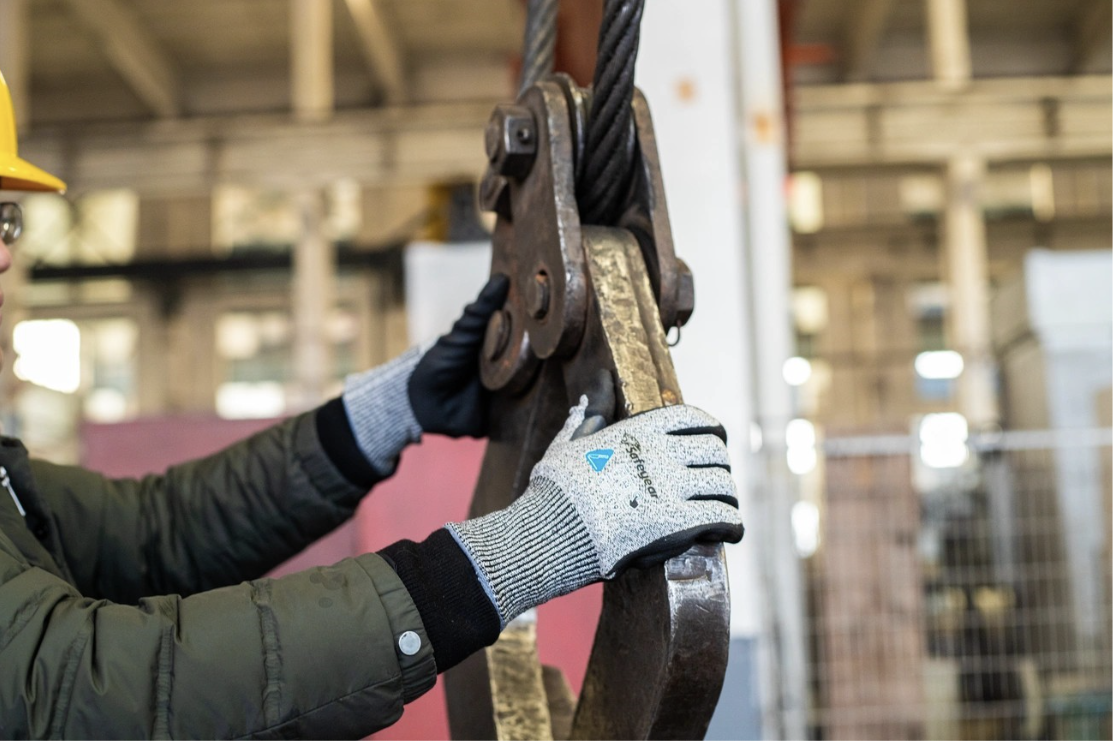
PPE selection depends on the specific burn hazard present in your workplace. No single combination of protective equipment guards against all hazards[4]. Flame-resistant clothing, heat-resistant gloves, and face shields provide necessary protection against thermal burns[5]. Workers handling hot liquids need protective gloves, sleeves, and aprons[6].
Chemical burn protection requires chemical-resistant gloves, aprons, safety goggles, and face shields[6]. Glove selection begins with evaluating the type of work and specific chemicals workers contact[7]. Nonreusable nitrile gloves offer short-term protection against many chemicals but not all[8]. Temperature-resistant gloves made from leather, Kevlar, cotton, or Nomex protect against thermal hazards[7].
Proper insulation and PPE appropriate to the task and exposure level prevent electrical burns[6]. Workers in welding operations need flame-retardant greens, welding gloves, helmets, and face shields[9]. Aluminized gloves work best for radiant heat, while full para-aramid gloves provide superior contact heat protection[10].
Train Employees on Proper PPE Use
OSHA requires employers to train workers on when PPE is necessary, what kind is needed, how to put on, adjust, wear, and take off equipment, plus its limitations and proper maintenance[11]. Training must cover safe removal techniques to prevent contamination[7]. Workers need hands-on demonstrations to don, adjust, and wear each piece correctly[12].
Employees must understand PPE sits at the bottom of the control hierarchy[13]. It acts only as a barrier between risk and worker without eliminating hazards[13]. Proper fit matters because ill-fitting equipment creates the difference between safe coverage and dangerous exposure[11].
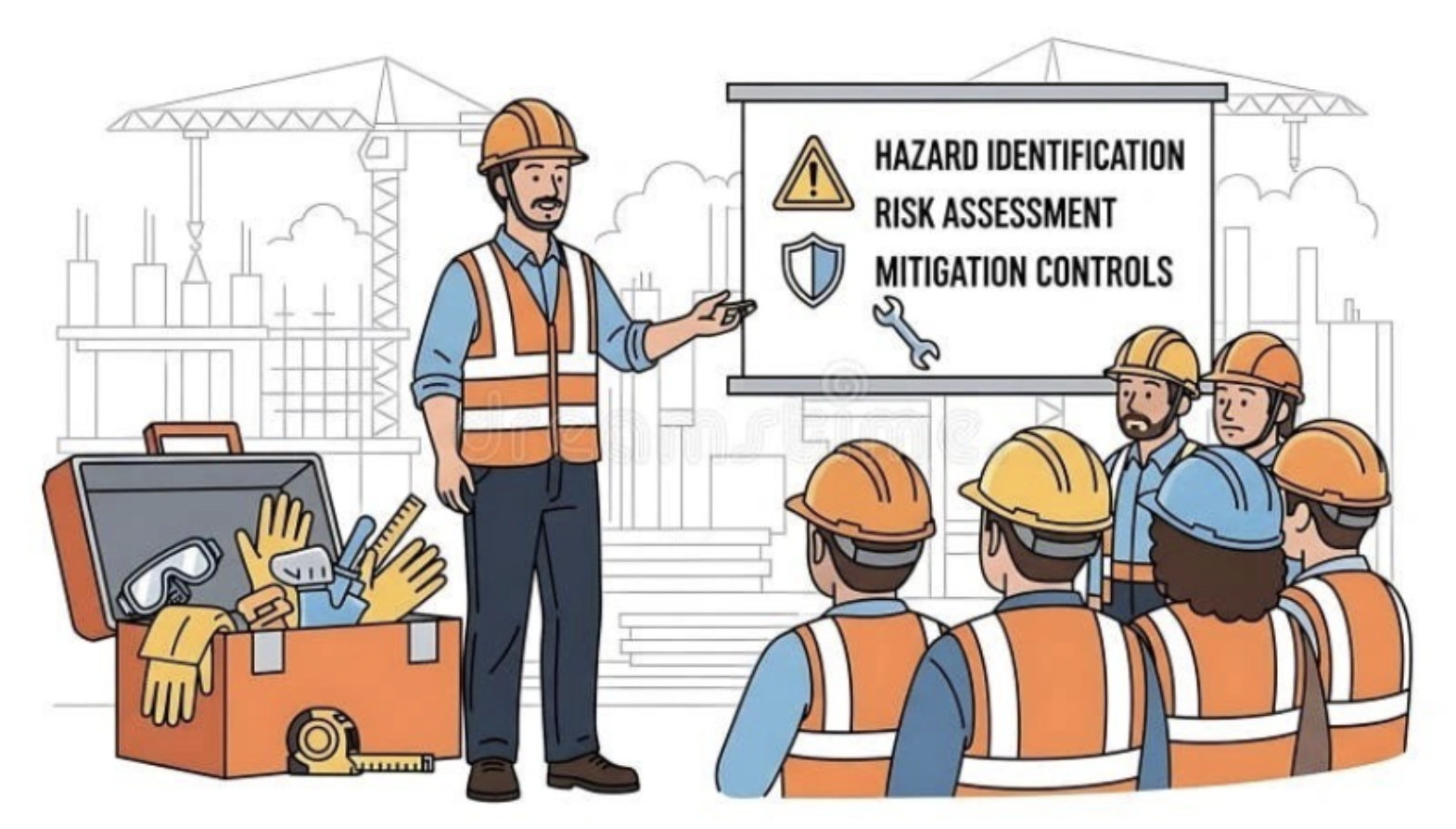
Conduct Complete Workplace Burn Safety Training
Awareness, hazard prevention, and protection lessen workplace burn risks[2]. Training should cover hazards employees might face on their worksite, OSHA standards overview, and hazard identification methods[2]. Workers need instruction on recognizing symbols and hazard communication codes following GHS standards[2].
Burn safety programs must address various burn types, their causes, and industry-specific risk factors[14]. Include interactive elements and practical demonstrations to boost understanding[14]. Employees participate in hands-on exercises and apply knowledge in controlled environments. This reinforces skills and builds confidence[14].
Deliver Heat Safety Tips for Workplace Environments
Heat safety training covers types of heat-related illness and how to recognize common signs and symptoms[15]. Topics include the importance of providing first aid, procedures to contact emergency services, and protecting unacclimatized workers[15]. Training addresses job-related and personal risk factors, fluid replacement guidelines, and appropriate work/rest cycles when heat stress is high[15].
Workers learn the importance of taking rest breaks in cooler areas than the worksite, such as shade or air-conditioned rooms[15]. Personal factors like clothing, hydration, general health, physical fitness, and medication use increase heat-related illness risk[13].
Schedule Regular Refresher Courses
Employers should update training to keep employees current with standard changes[2]. Fire warden training renewal follows best practice guidelines every 12 months[16]. Given the ever-changing nature of high-risk industries, organizations must provide safety refreshers and ensure employees stay current with latest practices and protocol changes[14].
Step 4: Establish Emergency Response and First Aid Protocols
Even reliable workplace burn prevention measures cannot eliminate every risk. Your emergency response protocols determine outcomes at the time burns occur. Speed and proper technique make the difference between minor injuries and severe complications that require extensive medical treatment.
Set Up Emergency Equipment Stations
Position first aid stations no more than 30 seconds from high-risk areas[3]. This proximity requirement applies especially when you have chemical handling zones where immediate water access proves vital. Emergency showers and eyewash stations must be maintained regularly and available in areas where chemicals are used[17].
Stock first aid kits with specialized burn supplies. These include burn dressings, hydrogel for cooling and pain relief, saline solution for rinsing chemical burns, and non-adherent dressings that protect without sticking to injured tissue[1]. Emergency blankets help regulate body temperature and prevent shock after severe burns[1]. Fire extinguishers and fire blankets need strategic placement. Trained employees must know their locations and proper use[18].
Train First Aid Responders
Australian regulations require specific burn care training levels for designated first aid officers[3]. Training must address thermal, electrical and chemical burns distinctly. Each requires different treatment approaches. First aiders learn to cool burns with running water for 20 minutes rather than applying ice or butter, which damage tissue and increase infection risk[3].
Medical attention becomes necessary for burns larger than a 20-cent piece[3]. Immediate ambulance attendance applies to burns covering more than 5% of body surface area, airway burns, injuries to face or hands, plus all chemical or electrical burns[3]. First aid responders need PPE including gloves and masks for protection from chemical exposure and blood-borne pathogens[1].
Create Clear Emergency Action Plans
Emergency plans must cover effective response procedures, evacuation protocols and emergency services notification[19]. Plans include contact details for fire wardens, floor wardens, first aid officers and local emergency services[19]. Post first aid officer lists and facility location maps throughout the workplace[20].
Practice Emergency Drills and Scenarios
Regular emergency drills ensure employees know exact actions during burn incidents[17]. Conduct evacuation exercises at reasonable intervals. Practice specific scenarios relevant to your workplace hazards[18]. Desktop simulations and realistic mock drills with local emergency services test plan effectiveness[21]. Organizations should test overall emergency plans at least once per year for each operating shift[22].
Step 5: Monitor, Maintain, and Improve Your Burn Prevention Program
Continuous improvement separates functional burn prevention programs from truly effective ones. Performance monitoring and procedure adaptation based on ground data strengthens workplace burn safety over time.
Track and Report Burn Incidents
All notifiable incidents must be reported to your WHS regulator immediately at the time serious injuries, illnesses, or dangerous incidents occur[23]. Deaths, serious injuries requiring critical care, and dangerous incidents exposing someone to serious risk are notifiable incidents[23]. Document date and time, description of what happened, who was involved, witnesses, and steps taken to address the incident. The incident site must be preserved until an inspector arrives or directs otherwise[23]. Risk assessments, WHS management plans, and Safe Work Method Statements should be kept for two years after incidents occur[23].
Conduct Regular Safety Inspections
Workplace inspections should be scheduled regularly to identify hazards and verify control effectiveness[24]. Progress of outstanding actions and implemented hazard controls must be reviewed in consultation with health and safety representatives[24]. Records should be kept using systems like eduSafe Plus for managing hazards and actions[24]. Material Safety Data Sheets for all hazardous substances must be maintained and hazardous substances registers kept current[25].
Update Training Materials and Procedures
Review cycles should be scheduled quarterly for compliance-heavy content and annually for general training[26]. Version control through document management systems ensures everyone accesses current materials[26]. Compliance training is especially vulnerable when you have rapid regulatory changes[26].
Build a Culture of Workplace Burn Safety
Safety culture is driven from the top by leadership commitment[27]. Worker participation should be encouraged through hazard reporting and feedback sharing[27]. Performance metrics must be tracked and trends reviewed to identify improvement opportunities[27].
Review Compliance with Safety Standards
Safe workplaces must be provided by employers under the OSH Act[2]. Employee health and workplace conditions should be monitored[28]. Written Hazard Communication plans must be maintained where hazardous chemicals exist[2]. Employees must be consulted on matters affecting their health and safety[28].
Conclusion
You now have a complete roadmap to protect your workforce from burn injuries. We've walked through identifying hazards, implementing controls, providing proper PPE and training, establishing emergency protocols, and maintaining your program over time.
Workplace burn prevention isn't a one-time project but an ongoing commitment. Start by assessing your current hazards. Then work through each step. You don't need to implement everything overnight.
Track your progress and learn from incidents. Keep improving your procedures. Your employees depend on you to create a safe environment. Take action today, and your burn injury rates will decrease substantially. Safety is always worth the investment.
References
[2] - https://www.usfosha.com/osha-articles/workplace-burn-prevention/
[4] - https://chemm.hhs.gov/ppe.htm
[5] - https://blr.com/resources/preventing-workplace-burns-osha-compliance/
[7] - https://ehs.ncsu.edu/personal-protective-equipment-ppe/hand-and-arm-protection-appendix-d/
[9] - https://pksimpson.com.au/workplace-burns-safety-legal-guidance/
[10] - https://b2b.mechanix.com/blog-categories/education/blog-burn-prevention.html
[11] - http://www.osha.gov/personal-protective-equipment
[12] - https://www.ablesafety.com/news/your-guide-to-personal-protective-equipment-training
[14] - https://workhealthsolutions.com/docs/the-importance-of-burn-safety-training-in-high-risk-industries/
[15] - http://www.osha.gov/heat-exposure/training
[16] - https://fireandsafetyaustralia.com.au/how-often-should-fire-warden-training-be-renewed/
[18] - https://www.worksafe.wa.gov.au/emergency-management
[21] - https://www.fire.qld.gov.au/sites/default/files/2021-04/QFES-Emergency-Planning-Guidance.pdf
[22] - https://oshwiki.osha.europa.eu/en/themes/emergency-drills-and-exercises
[23] - https://www.safeworkaustralia.gov.au/duties-tool/construction/duties-information/incident-reporting
[24] - https://www2.education.vic.gov.au/pal/workplace-inspections/print-all
[27] - https://www.ffvamutual.com/blog/build-a-strong-safety-culture/
[28] - https://www.worksafe.vic.gov.au/occupational-health-and-safety-your-legal-duties
[30] - https://pmc.ncbi.nlm.nih.gov/articles/PMC10067145/
[31] - https://int-enviroguard.com/blog/chemical-burns-in-the-workplace-prevention-and-treatment/
[32] - https://www.ncbi.nlm.nih.gov/books/NBK499888/









































.png)










.png)
.png)
.png)
.png)
.png)
.png)
.png)

.png)
.png)
.png)
.png)
.png)
.png)
.png)
.png)
.png)
.png)
.png)
.png)
.png)
.png)
.png)
.png)
.png)


Ready to Save Lives at Work?
With Impress Solutions, you’re not just getting a service, you’re securing peace of mind with a partner you can trust. Book a free consultation today, and let’s map out how we can help you save lives at work.

.png)