How to Implement a Zero Harm Risk Management Process: A Step-by-Step Guide for Workplace Safety

The debate continues. Some view zero harm as an unrealistic target and empty promise . Others see it as the only way to demonstrate true commitment to employee safety. Achieving zero harm saves your organization from compliance fines, medical bills, and loss of human capital.
We believe the answer lies not in the goal itself but in how you implement it. The zero harm risk management process steps must be followed in the correct order. This makes all the difference.
This piece will walk you through building a resilient zero harm framework for your workplace.
What is Zero Harm Risk Management Process
Understanding the Zero Harm Philosophy
A workplace where no one suffers injury or illness from work activities is the foundation of what we call a zero harm risk management process. This goes beyond simple compliance with government safety regulations. We design the workplace itself to minimize risk in all operations and ensure every employee, contractor and visitor can perform tasks without exposure to potential harm [1].
Zero harm represents a moral commitment that no person should be injured, harmed or made unwell because of work [2]. This requires a proactive, systematic approach with leadership commitment, employee involvement and continuous improvement [3]. We identify risks before they occur. Mitigation processes get integrated into every workplace task [1].
The philosophy has evolved substantially. Safety leaders in 2026 reframe zero harm as a continuous improvement trip rather than an absolute outcome. Modern interpretation focuses on psychological safety that encourages honest reporting and systemic learning that analyzes incidents to uncover organizational causes. Risk visibility through data and dashboards matters. Collaboration in the supply chain does too [2].
Zero Harm vs Zero Incidents: Key Differences
Zero incidents aims to eliminate accidents and safety incidents at the workplace. It revolves around building a safety culture throughout the organization [4]. Zero harm extends beyond just eliminating safety incidents. We focus on proactive risk management and eliminate risks quickly. Nothing that harms people (workers, contractors, suppliers, anyone) or the environment gets planned into operations [4].
Zero harm is a value-driven initiative embedded in organizational culture. Every decision places safety first. Zero accidents functions as a metric, but zero harm guides behavior and decision-making processes [5].
Why Zero Harm Matters for Your Workplace
Organizations that implement zero harm principles can reduce the incident frequency rate by nearly three times [4]. Researchers indicate that embedding a zero harm culture improves workforce alignment and safety leadership. It lessens the effect of incident-causing factors [4].
Zero harm workplaces improve efficiency and performance by reducing accident frequency and severity. Workers focus on tasks without worrying about potential harm. Work disruptions, delays and losses caused by accidents decrease substantially [6]. A Canadian health system reported a 37% increase in reporting after adopting zero harm initiatives. Falls with injuries decreased 39%. Pressure injuries fell 37%. Central line-associated blood stream infections dropped 34% [7].
Building the Foundation: Leadership Commitment and Safety Culture
Securing Senior Management Buy-In
Safety starts at the top. Your zero harm risk management process will fail without genuine leadership commitment showed through actions, not just words. Workers build the foundation for a high-performing safety culture when they see you prioritize safety.
You need executive approval, so line up your safety program with leadership's main concerns: ROI, regulatory compliance, and risk mitigation. Collect relevant data that shows incident reports, equipment downtime, and injury costs. Compare your safety metrics against industry measures to check performance. Present this in the language executives understand: the bottom line. Employee morale increases productivity as workers feel protected and cared for.
Buy-in from other teams matters. Include department heads, HR, compliance teams, and frontline workers. Ground safety challenges that frontline managers face turn a business case into a human one. Divide your safety program into implementation phases by department and start with the most risky area.
Creating a Positive Safety Culture
A positive safety culture exists when safety becomes part of everyday work. Everyone thinks and acts safely, shares safety values, and anticipates unsafe actions before harm occurs. Show your commitment by being honest and open about safety issues. Have an annual plan with long-term vision and make safety a topic of everyday conversation. Wear PPE when required, attend meetings, and participate in safety audits. Focus on solutions when employees report hazards instead of blame.
Enabling Safety Representatives and Committees
Health and Safety Representatives (HSRs) represent workers in their work group on safety matters. Any worker can request a PCBU to elect an HSR. At least half of committee members must be workers not nominated by management. HSRs can inspect workplaces, investigate complaints, and monitor compliance. Support them by providing training and allowing access to hazard information. They should not be disadvantaged for their role.
Establishing Clear Safety Expectations
Clear expectations and accountability matter throughout your organization. Safety responsibilities should be explicit in job descriptions. Near misses need investigation, not just incidents. Workers need time to perform tasks safely and participate in training. Problems should be fixed quickly. Unsafe behavior needs correction that is fair and respectful.
The Zero Harm Risk Management Process Steps
Implementing the zero harm risk management process steps in correct order creates systematic protection against workplace hazards. Each step builds upon the previous one.
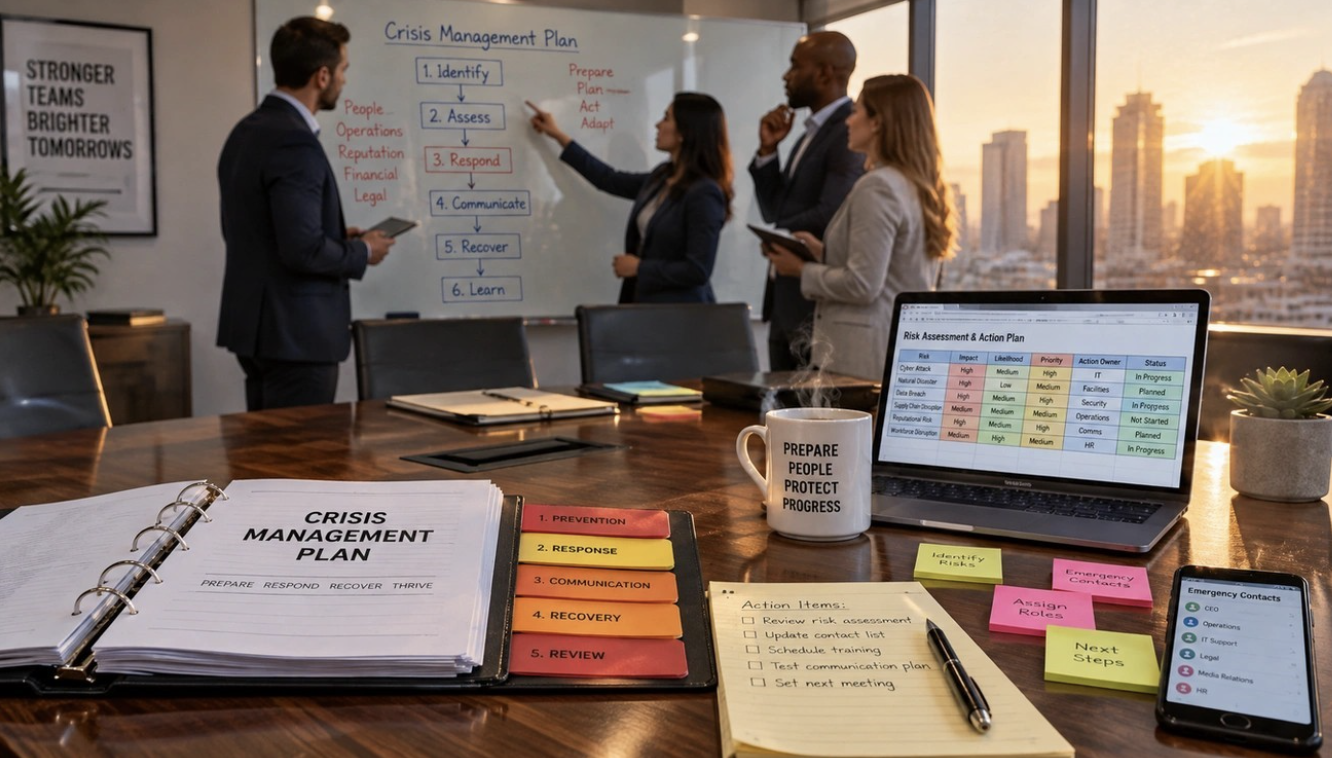
Step 1: Conduct Detailed Risk Assessments
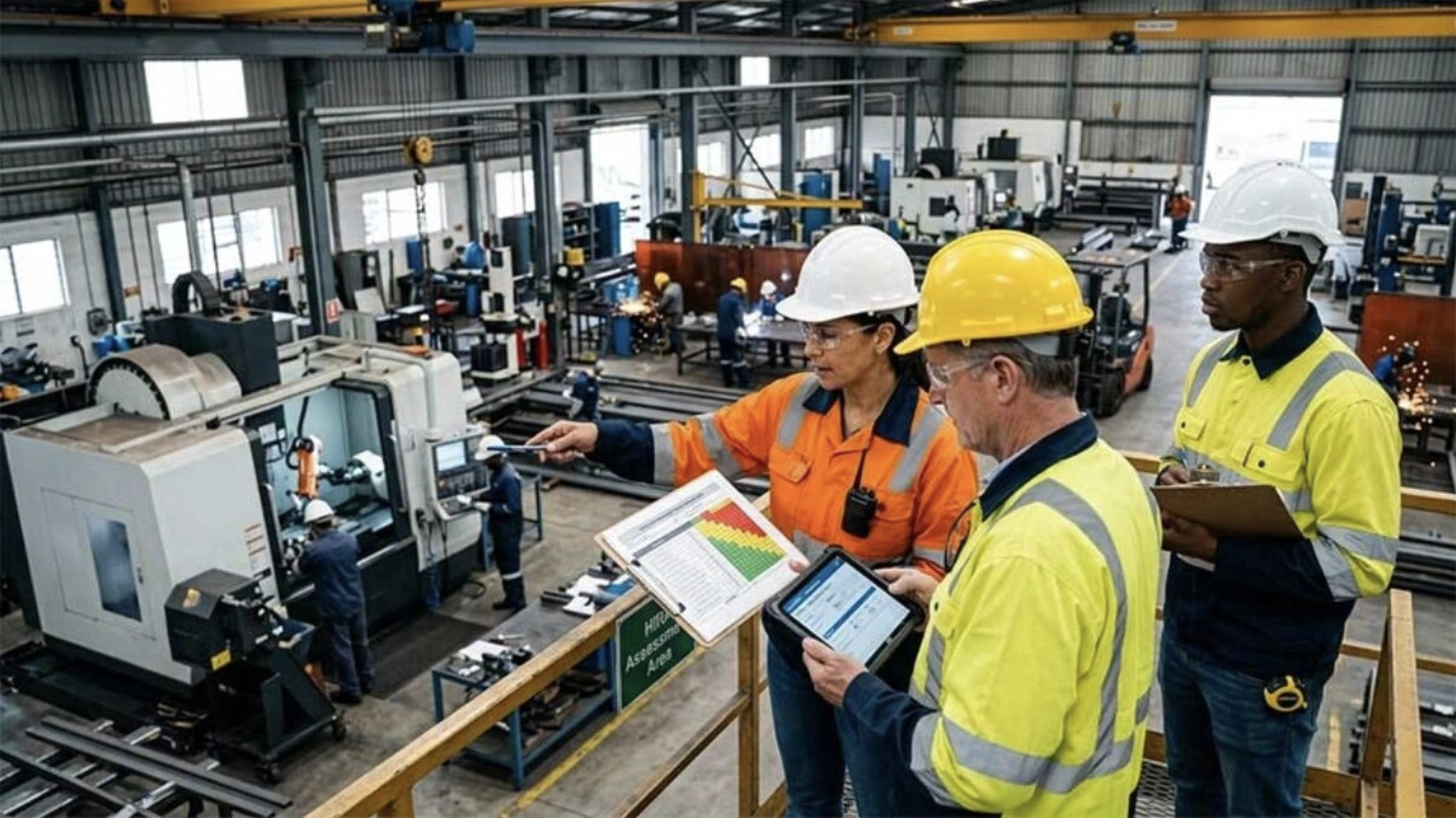
First, identify all potential hazards in your workplace: physical dangers like machinery and noise, chemical exposures, biological risks, psychosocial factors such as excessive workloads and bullying, and environmental conditions. Assess each hazard by determining likelihood of harm and severity of potential injury. Use a risk matrix to assign ratings from low to extreme, then prioritize action on the highest risks first.
Step 2: Implement Risk Controls and Mitigation Measures
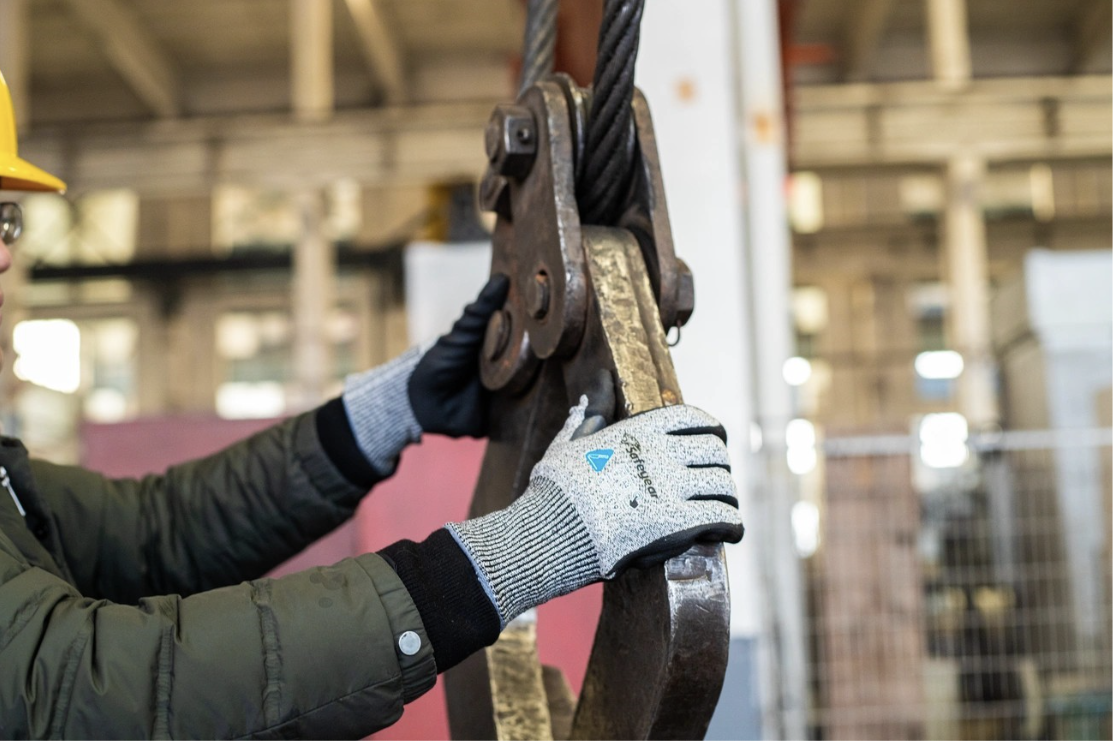
Follow the hierarchy of controls starting from the top. Elimination removes the hazard completely. Substitution replaces it with something safer. Engineering controls isolate hazards through barriers or ventilation. Administrative controls change work procedures and provide training. Personal protective equipment serves as your last line of defense. You may need multiple controls that work together.
Step 3: Establish Incident and Near-Miss Reporting Systems
Approximately 500,000 incidents get reported each year in public health systems, with over 2,000 resulting in serious outcomes [8]. Create available reporting channels through mobile apps or online portals. Make the process non-punitive and allow anonymous submissions. Near misses are unplanned events that didn't cause harm but had potential to do so. Immediate reporting captures details while fresh and should be encouraged.
Step 4: Schedule Regular Safety Inspections and Audits
Conduct safety audits at least annually as a general rule [9]. High-risk industries like construction or manufacturing require more frequent reviews, such as semi-annually or quarterly [9]. Event-driven audits become necessary after major incidents, operational changes, or new equipment installation [10]. Document all findings and develop action plans to address identified gaps.
Step 5: Monitor Unsafe Behaviors and Promote Safe Practices
Harmful behaviors such as violence, bullying, and harassment become hazards when severe, prolonged, or frequent [7]. Observe work behaviors, consult workers about concerns, use surveys for anonymous feedback, and review records of overtime, time off, and incidents [7]. Address unsafe actions through fair correction focused on solutions rather than blame.
Step 6: Set Up Automated Reporting and Analytics
Automated systems provide immediate feedback on safety compliance and can save 2,500 person-days per year in effort [5]. Organizations that implement automated safety analytics report a 45% reduction in health and safety-related incidents [5]. Visual dashboards help identify patterns and trends, which enables proactive risk mitigation before incidents occur [11].
Ensuring Accountability and Continuous Improvement
Accountability transforms your zero harm risk management process from documentation into daily practice. The best procedures remain theoretical without it.
Training and Competency Development for All Personnel
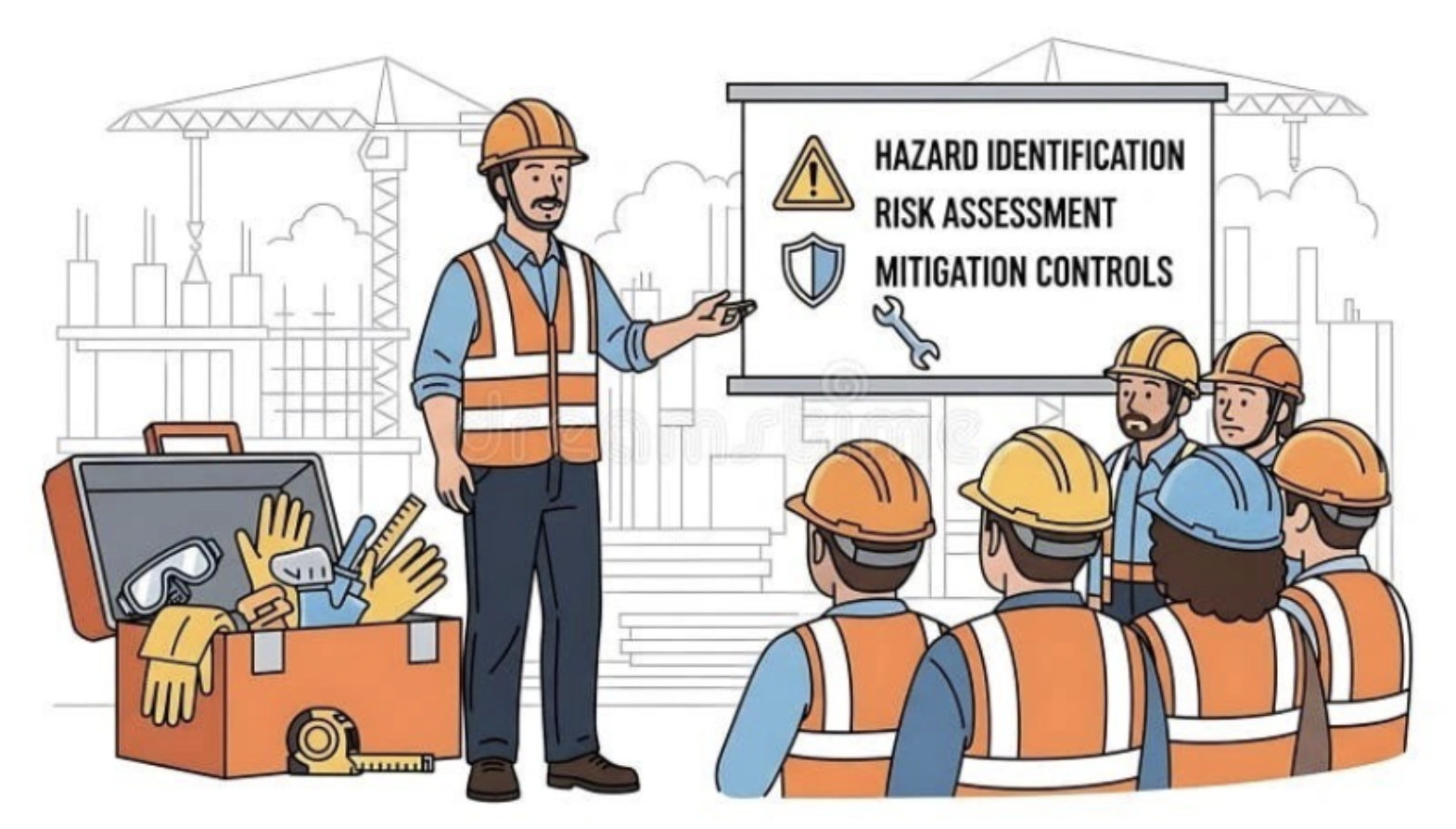
You must ensure workers receive proper instruction on how to perform work safely. Provide induction training for new workers, task-specific instruction, and appropriate supervision. Refresher training should follow significant job modifications and occur during employee meetings to guarantee consistent instruction. Training needs to be easy to understand for workers with literacy or hearing difficulties and those whose first language is not English. Conduct competency assessments through quizzes, practical demonstrations, peer observations, and audits to review knowledge and identify skill gaps for targeted retraining.
Creating Effective Communication Channels
Effective communication boosts employee morale and job satisfaction. Hold frequent, open conversations with workers about their strengths and progress. Communicate often and be available through daily check-ins and an open-door policy. Listen with empathy by giving undivided attention and asking clarifying questions. Note that communication is a two-way process, so be open to feedback and ensure people feel comfortable raising concerns.
Recognizing and Rewarding Safe Behavior
Give recognition to employees who perform tasks safely and demonstrate proper behaviors. Manufacturing plants that gave the fewest safety incentives experienced total recordable injury rates more than five times as high as plants with detailed safety incentive programs. Focus on proactive recognition of safe behaviors rather than reactive recognition, which could encourage employees to value rewards over safety. Offer meaningful rewards including gift cards and public praise.
Regular Review and Update of Safety Procedures
Review policies when incidents occur, workplace changes happen, workers indicate procedures don't work, or regulations change. Schedule bi-annual compliance checkups as a general practice. Involve workers when developing and updating procedures since they know tasks better than anyone, making procedures realistic and more likely to be followed.
Conclusion
You now have a complete roadmap to implement zero harm in your workplace. The goal isn't perfection overnight. You need to build systems that protect every person, every day. Start with leadership commitment and follow the risk management steps. Maintain accountability through continuous improvement.
Zero harm takes time and steadfast dedication, but the payoff is worth it. Your team deserves a workplace where they return home safely, every single time.
References
[1] - https://www.sine.co/blog/zero-harm-workplace-safety/
[2] - https://www.myosh.com/blog/what-does-zero-harm-really-mean-in-2026
[3] - https://sherm.com.au/achieving-zero-harm-how-to-implement-a-zero-harm-strategy-in-the-workplace/
[4] - https://www.lucidity.io/news/implement-zero-harm-strategy
[6] - https://www.spacebands.com/blog-posts/zero-harm-strategy
[9] - https://altius.au/news-and-research/how-often-should-safety-audits-be-carried-out
[10] - https://safety.ooo/frequency-of-workplace-safety-audits-2/
[11] -https://www.sitedocs.com/blog/safety-analytics/










































.png)











.png)
.png)
.png)
.png)
.png)
.png)
.png)

.png)
.png)
.png)
.png)
.png)
.png)
.png)
.png)
.png)
.png)
.png)
.png)
.png)
.png)
.png)
.png)


Ready to Save Lives at Work?
With Impress Solutions, you’re not just getting a service, you’re securing peace of mind with a partner you can trust. Book a free consultation today, and let’s map out how we can help you save lives at work.

.png)