How to Master Injury Prevention Work: A Step-by-Step Guide to Protecting Your Team

Effective injury prevention work matters now more than ever. Work-related musculoskeletal disorders (MSDs) account for 29% of all US workplace injuries[15]. In fact, musculoskeletal disorders and poor mental health remain the two most common reasons employees miss work[16].
The good news? Most workplace injuries are preventable with the right approach. This piece walks you through a detailed framework to build resilient work injury prevention programs. We cover everything from conducting risk assessments to implementing targeted strategies such as back injury prevention at work, stretching at work to prevent injuries, and injury prevention workouts. Ready to protect your team and create a safer workplace?
Understanding Workplace Injury Risks and Hazards
Unlike acute incidents that result from single events, musculoskeletal disorders develop over time through exposure to workplace risk factors. Movements such as bending, gripping, twisting and reaching become hazardous when performed with repetition, forceful exertion, high speed and insufficient recovery time between tasks[17].
Approximately 44,000 serious workers compensation claims occurred each year from 2018 to 2023, with more than half related to MSDs[2]. These injuries build up over time and may not cause immediate pain. Workers often fail to report them in early stages[18]. The delayed nature of symptoms makes early risk identification critical to prevent injury.
Physical risk factors include repetitive tasks without job rotation, awkward or sustained postures, manual handling of heavy loads, prolonged sitting or standing, and exposure to vibration or extreme temperatures[17][3]. Work organization factors contribute just as much: high workloads and time pressure, limited task rotation, poor workstation design and inadequate ergonomic training[18][32].
WMSDs involve three injury types: muscle injury, tendon injury and nerve injury[17]. Certain industries experience higher exposure due to physical work demands. These include warehousing, manufacturing, construction and healthcare[18]. Office-based roles face risks from prolonged sitting, poor workstation setup and repetitive computer use that affects the neck, shoulders and lower back[18].
Building Your Work Injury Prevention Program
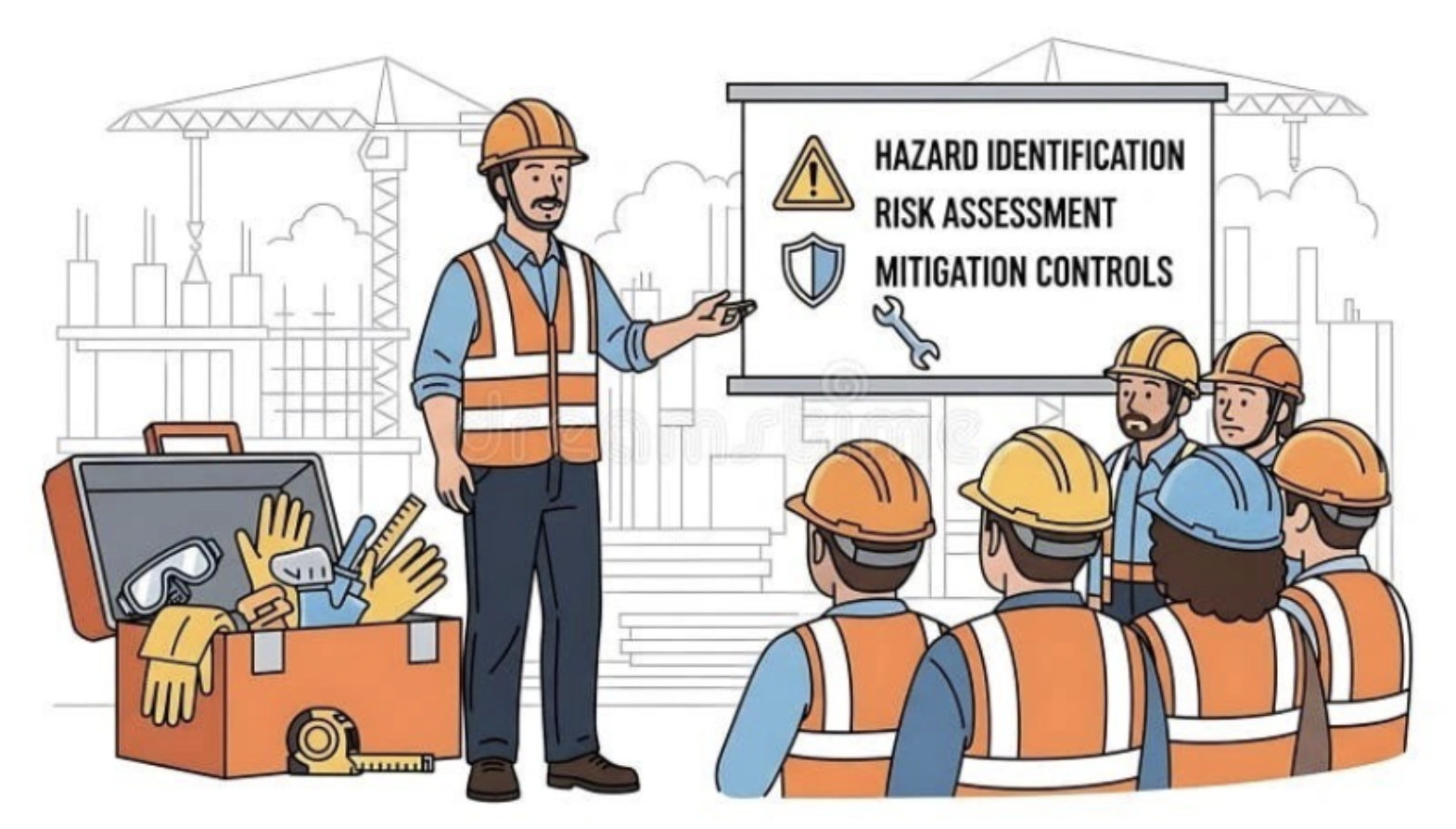
A strong work injury prevention program starts with documented policies that communicate your commitment to keeping a safe workplace and safe systems of work for all workers[4]. Clear policies set the rules and standards everyone must follow, while safe work procedures explain step-by-step how to perform tasks, identify potential risks, and eliminate hazards to avoid injury[5].
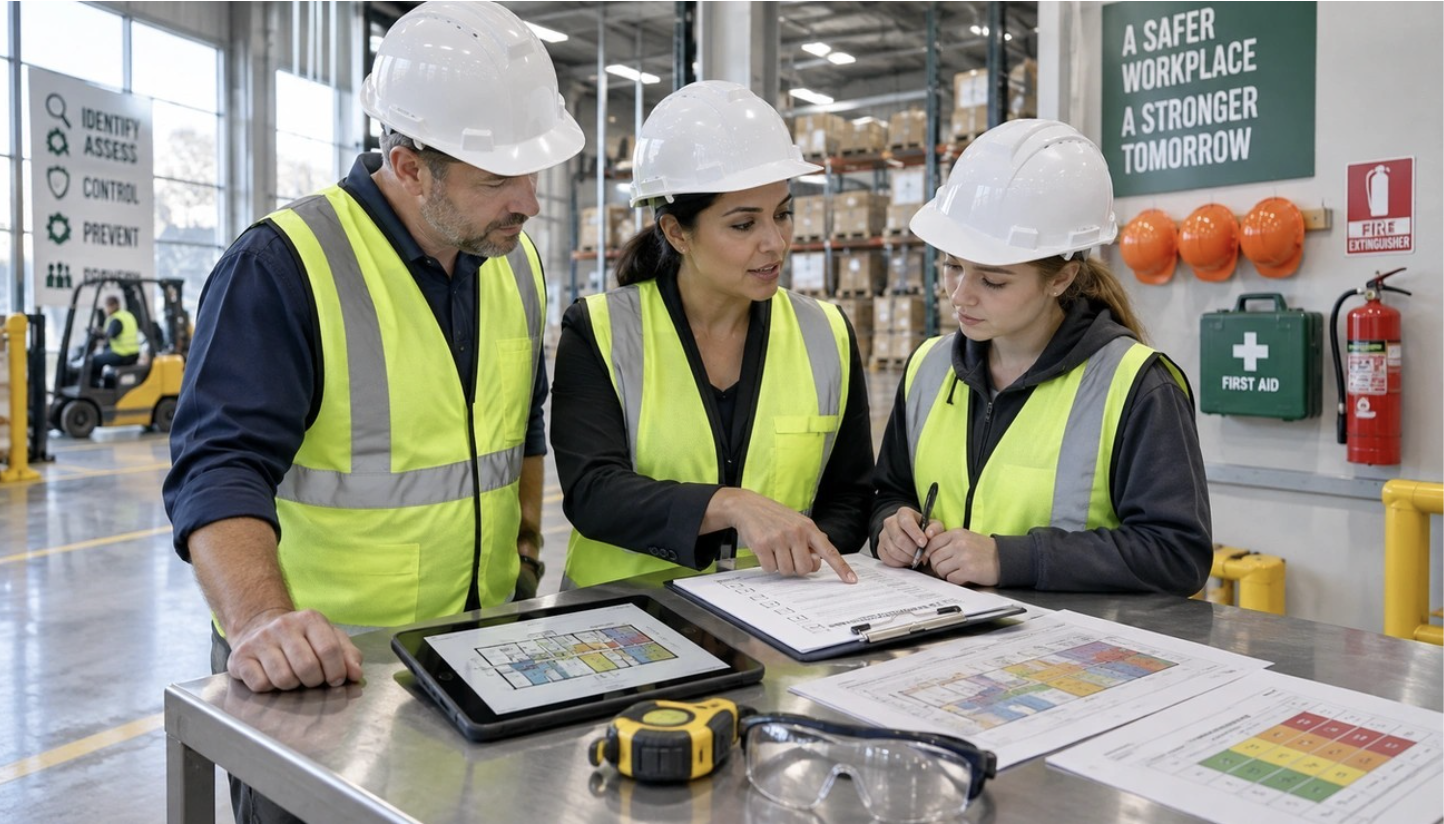
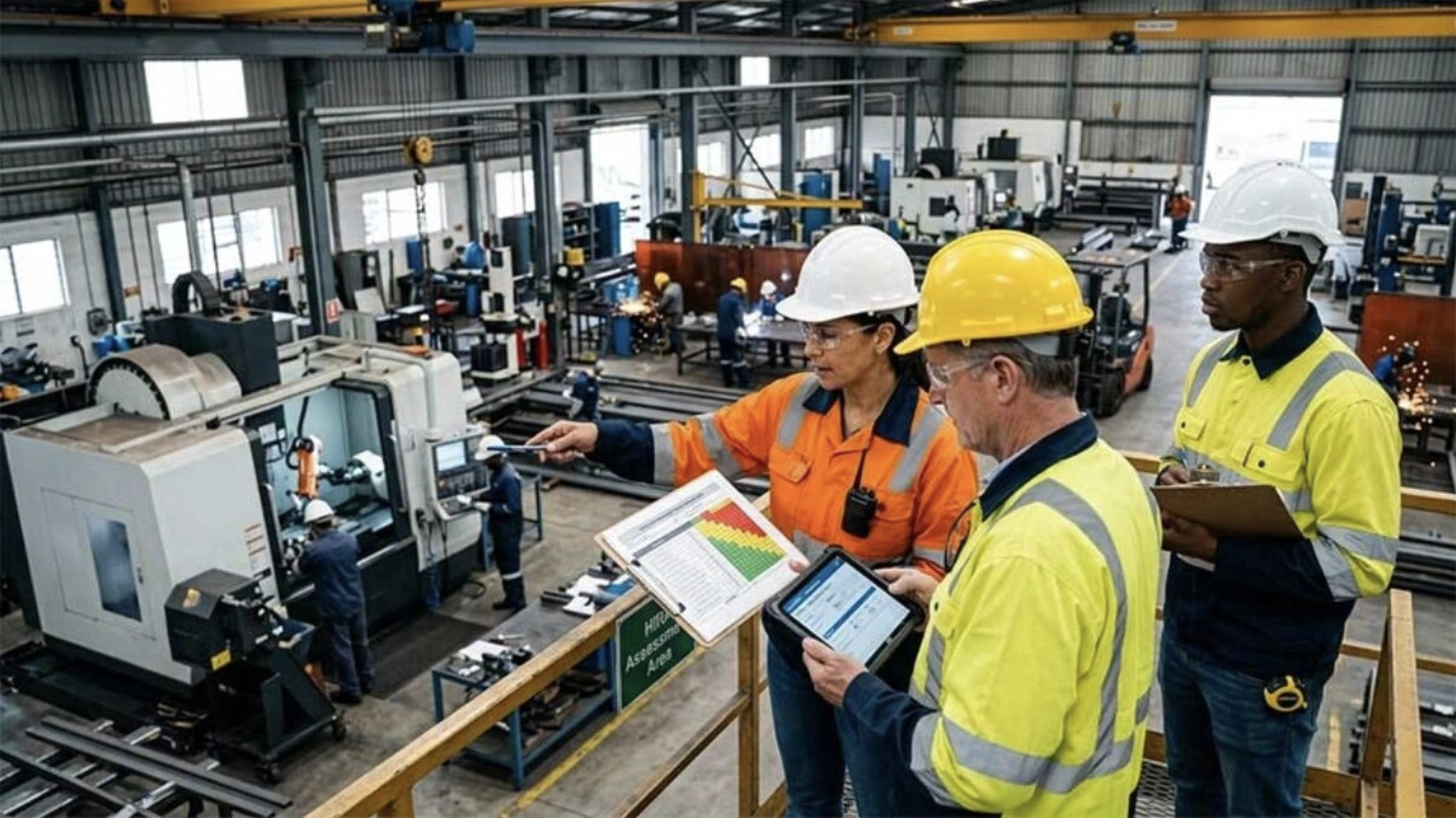
Worker involvement proves critical when you develop policies and procedures. Employees understand their tasks better than anyone, which means procedures become realistic and more likely to be followed[5]. To build effective programs, conduct regular risk assessments using tools like Manual Task Risk Assessment (ManTRA) to identify root causes of injuries and develop mitigation strategies[6].
Training forms a key component. Employees need ongoing instruction to recognize hazards and use equipment the right way[6]. So provide appropriate PPE based on specific workplace hazards and inspect and maintain it on a regular basis[6]. Ergonomic interventions reduce musculoskeletal disorders. These include adjustable workstations and posture training[6].
Programs like Queensland's Injury Prevention and Management (IPaM) initiative demonstrate structured approaches. More than 2,000 Queensland employers participating in IPaM have seen improvements in worker participation, injury rates, claim costs, and productivity[7]. The program has system reviews, hazard identification, safety capability assessments, and tailored business improvement plans[7]. Review policies when incidents occur, workplace changes happen, workers report procedure failures, or regulations change[5].
Implementing Effective Injury Prevention Strategies
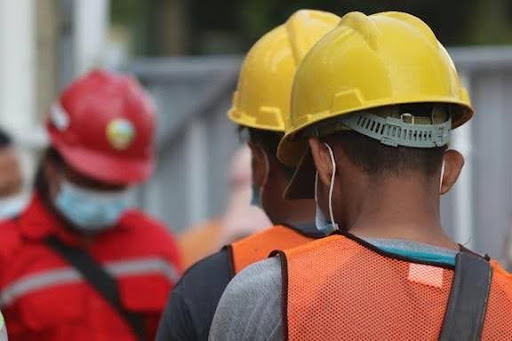
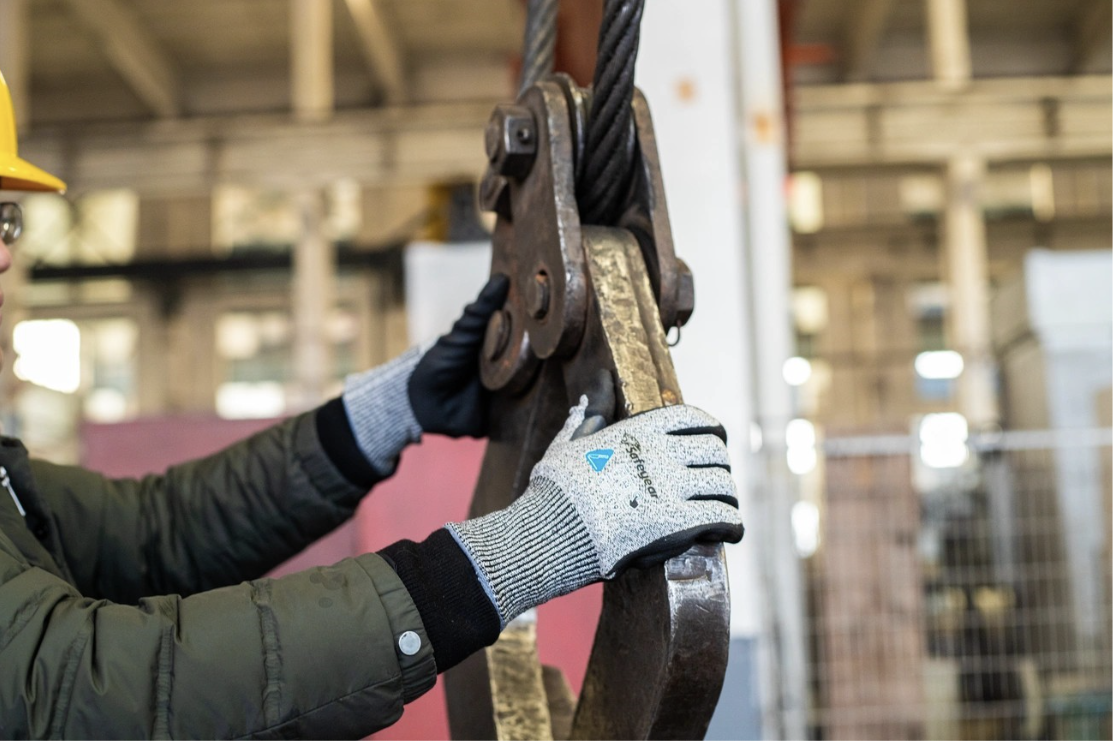
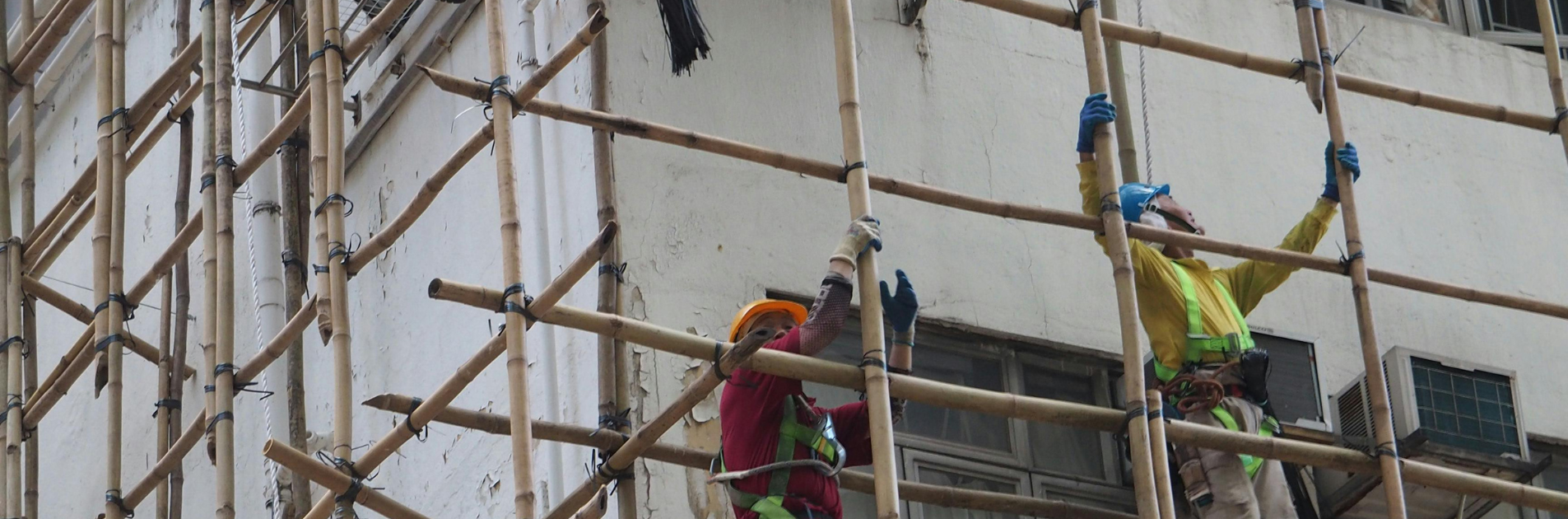
Multiple coordinated strategies are needed to put injury prevention work into practice. Personal protective equipment serves as a last resort control measure. You use it only when other controls cannot eliminate risks[1]. PPE has hard hats, earplugs, gloves, goggles, respirators, sunscreen, safety harnesses, safety boots, and high-visibility clothing[1]. Workers must receive training on proper use, cleaning, and storage. Employers provide PPE free of charge[1].
Injury prevention depends on training programs. Workers need formal instruction for high-risk equipment operation and construction site work. Others benefit from informal on-the-job buddy training[8]. Programs should cover hazard communication for chemical safety and lockout/tagout procedures for equipment servicing. They should also address slip and fall prevention and electrical safety protocols[9].
Workplace inspections identify hazards before injuries occur. High-risk areas like laboratories and workshops require inspections every six months. Medium-risk spaces need them every 12 months, and low-risk offices every two years[10]. Inspections should use checklists and involve workers who perform the tasks. Address problems right away when practicable[11].
Stretching and exercise programs at work reduce musculoskeletal pain and physical exertion among workers[12]. Brief stretch breaks every 30 to 60 minutes decrease muscle fatigue and injury risk[13]. Ergonomic workstation adjustments minimize strain on the neck, shoulders, back, and wrists[14].
Conclusion
You now have a framework to build an injury prevention program at your workplace that works. Most workplace injuries are preventable when you combine risk assessments with documented policies, training and ergonomic interventions.
Start by identifying workplace risks and then implement strategies that address those hazards. Your team's safety depends on action, not just intentions. Begin protecting your workers today.
References
[2] - https://www.safework.nsw.gov.au/resource-library/musculoskeletal-disorders
[6] - https://www.employhealth.com.au/workplace-injury-prevention-strategies/
[7] - https://www.worksafe.qld.gov.au/services/injury-prevention-and-management-program
[9] - https://www.naspweb.com/blog/best-workplace-safety-training-and-approaches/
[11] - https://www.safework.nsw.gov.au/safety-starts-here/safety-support/workplace-inspections
[12] - https://pmc.ncbi.nlm.nih.gov/articles/PMC10222752/
[13] - https://injurypreventioncenter.org/how-required-rest-breaks-can-prevent-workplace-injuries/
[14] - https://www.mayoclinic.org/healthy-lifestyle/adult-health/in-depth/office-ergonomics/art-20046169
[15] - https://pmc.ncbi.nlm.nih.gov/articles/PMC9134435/
[17] - https://www.ccohs.ca/oshanswers/diseases/rmirsi.html
[18] -https://dorsavi.com/musculoskeletal-injury-risk-in-the-workplace-what-safety-managers-need-to-know/








































.png)










.png)
.png)
.png)
.png)
.png)
.png)
.png)

.png)
.png)
.png)
.png)
.png)
.png)
.png)
.png)
.png)
.png)
.png)
.png)
.png)
.png)
.png)
.png)
.png)
.png)


Ready to Save Lives at Work?
With Impress Solutions, you’re not just getting a service, you’re securing peace of mind with a partner you can trust. Book a free consultation today, and let’s map out how we can help you save lives at work.

.png)