
How to Conduct a Job Safety Analysis: A Step-by-Step Guide to Protecting Your Team
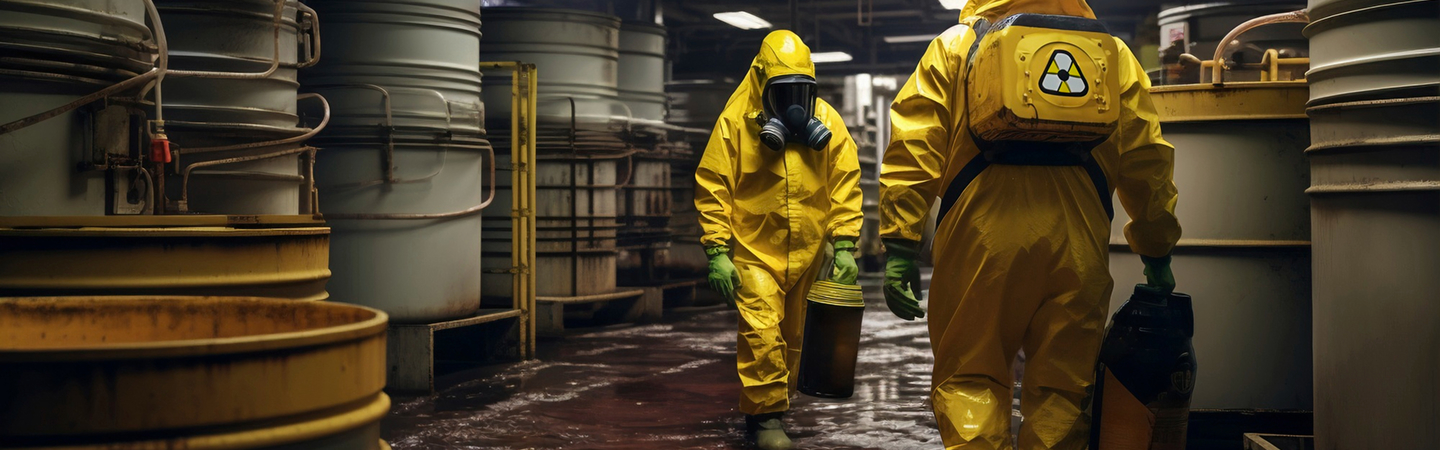
Between 2003 and 2021, 4,306 workers lost their lives in work-related incidents in Australia[8]. So far in 2023, 82 Australians have been killed at work[8]. These numbers highlight a significant need for stronger workplace safety measures.
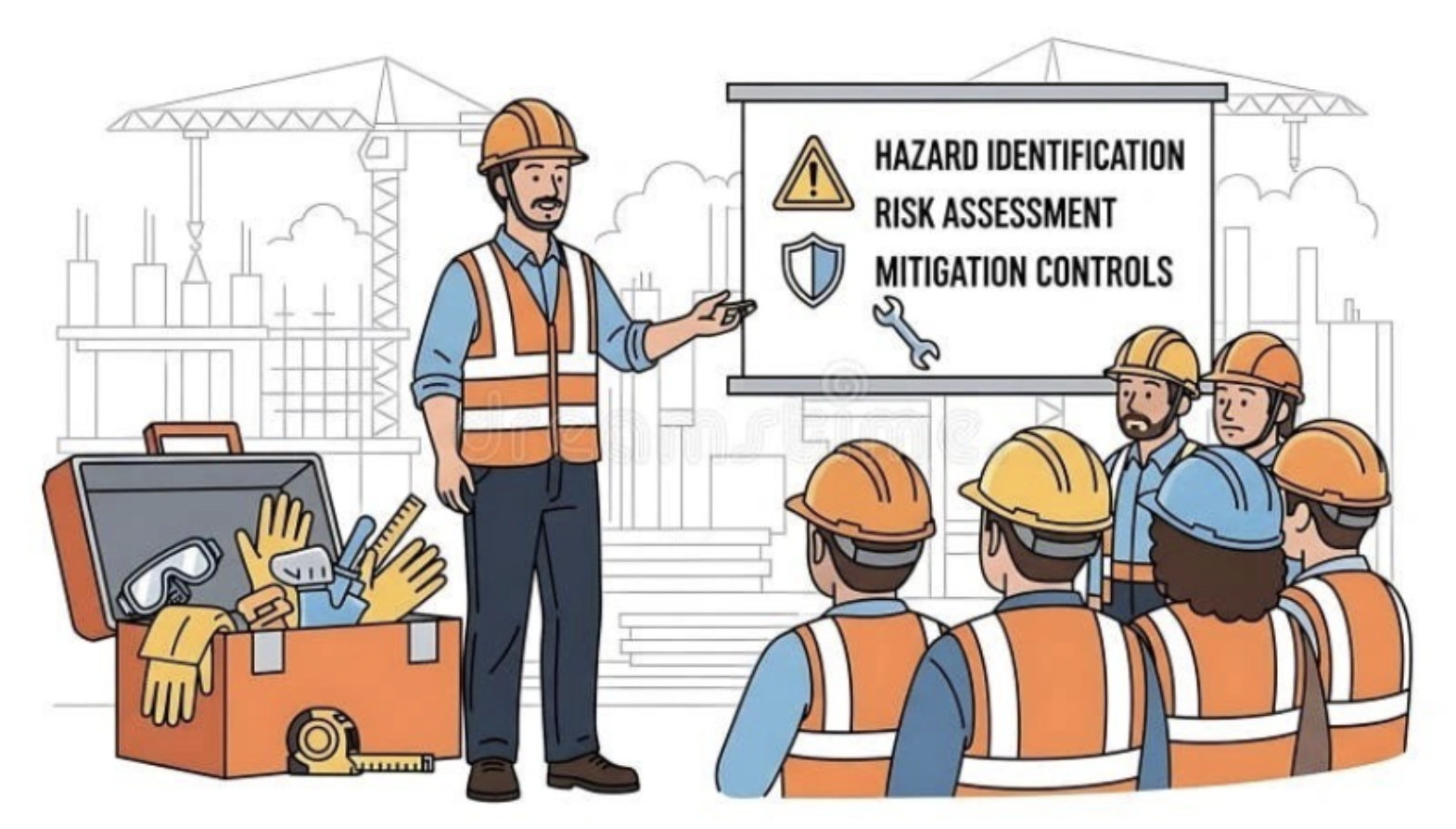
A job safety analysis helps you identify and control workplace hazards before they cause harm[9]. This approach breaks down job tasks, spots potential dangers and establishes controls to protect your team[10]. High-risk industries like construction and manufacturing need this analysis most, and a JSA can be the difference between a safe workday and a preventable tragedy[11].
We'll walk you through everything in job safety analysis steps to create a safer workplace for your team in this piece.
What is a Job Safety Analysis?
A job safety analysis is a process that assesses a job to identify hazards and control measures needed[1]. Each simple step of the job breaks down to pinpoint potential hazards and recommend the safest way to complete the work[1].
You may encounter this procedure under different names. Job hazard analysis (JHA) and job hazard breakdown are alternatives used often[1]. Some organizations refer to it as hazardous task analysis (HTA)[2]. These terms describe the same process and are used interchangeably in industries of all types[3][4]. Organizations that expand the analysis beyond safety to include all job aspects use an approach known as total job analysis[1].
The methodology rests on the principle that safety forms an integral part of every job, not a separate entity[1]. Terms like 'job' and 'task' refer to specific work assignments such as operating a grinder, using a pressurized water extinguisher, or changing a flat tire[1]. You can divide these jobs into smaller steps for analysis[1].
Job safety analyzes work well for jobs defined at the right scope. Tasks defined too broadly, like overhauling an engine, or too narrowly, like positioning a car jack, prove unsuitable[1]. The analysis identifies hazards that were previously undetected and increases job knowledge among participants[1]. Safety awareness rises, communication between workers and supervisors improves, and acceptance of safe work procedures strengthens[1].
The 4 Job Safety Analysis Steps
The job safety analysis process follows four steps that revolutionize workplace safety from reactive to proactive. Each step builds on the previous one to create a full picture of job hazards and controls.
Step 1: Select and Prioritize Jobs for Analysis
Not all jobs require analysis right away. Start with tasks that have high injury rates or where past incidents suggest the greatest risk. Jobs where human error could cause severe consequences just need priority attention. New jobs or modified processes need analysis because workers lack experience and hazards may not be evident. Infrequently performed jobs present greater risk since staff members don't anticipate which hazards to expect. Complex jobs that need written instructions also warrant a review.
Step 2: Break Down the Job into Specific Tasks
Select a job and break it into a sequence of smaller tasks and steps. Most jobs can be described in less than ten steps. If your sequence grows beyond this, think about dividing the job into two separate analyzes. Steps that are out of order may cause you to miss hazards or introduce hazards that don't exist.
Step 3: Identify Hazards and Assess Risk for Each Task
Review each job task and document existing hazards that arise in each step. Look for slips and falls, pinch points where body parts or clothing could get caught, exposure to extreme temperatures, loud noises, vibration, harmful substances and electrical hazards.
Step 4: Develop and Implement Control Measures
Apply the hierarchy of controls to address identified hazards. Start with elimination, followed by substitution, isolation, engineering controls and administrative procedures. PPE serves as the last option.
Implementing Your JSA Effectively
A job safety analysis template marks only the beginning. The documented procedures must reach workers who perform the tasks and become part of daily operations. A JSA should be part of training, evaluations, and onboarding for all employees[5]. When all employees engage, JSAs become more complete and more risks are identified. Safety increases as a result[5].
The completed JSA requires review and approval by supervisors or relevant personnel. This confirms accuracy, practicality, and suitability for the worksite[6]. Findings are then communicated to workers through toolbox talks, inductions, or task briefings[6]. Everyone understands how to perform the task safely and what controls must be followed. Workers and students must sign the JSA before they start the task it pertains to[7].
JSAs need review from time to time. This keeps them current and helps reduce workplace accidents and injuries[5]. You can identify additional hazards even if the job has not changed. JSAs should also be reviewed if an illness or injury occurs[5]. Changes in equipment, processes, or incidents should trigger updates. The document stays relevant this way[6].
The JSA process and the resulting plan can lead to fewer injuries and better work methods. Workers' compensation costs go down and efficiency goes up[5].
Conclusion
You now have a complete framework to conduct job safety analyzes that work for your workplace. Select your highest-risk jobs first and work through the four systematic steps we've covered. In fact, the real value comes from implementing these analyzes in your daily operations rather than just documenting them.
Involve your team throughout the process and review your JSAs regularly. Watch as workplace incidents decrease. Your proactive approach today can prevent tomorrow's tragedy.
References
[1] - https://www.ccohs.ca/oshanswers/hsprograms/job-haz.html
[2] - https://en.wikipedia.org/wiki/Job_safety_analysis
[3] - https://ehs.research.uiowa.edu/occupational/job-safety-analysis-jsa
[4] - https://www.vectorsolutions.com/resources/blogs/is-there-a-difference-between-a-jsa-and-a-jha/
[5] - https://www.aus.com/security-resources/job-safety-analysis
[6] - https://whsmonitor.com.au/what-is-a-job-safety-analysis/
[7] - https://policies.une.edu.au/view.current.php?id=00353
[8] - https://www.enviroessentials.com.au/blog/2023/08/conducting-a-job-safety-analysis/
[9] - https://www.osha.gov/sites/default/files/Job_Hazard_Analysis_Worksheet.pdf
[11] -https://www.vectorsolutions.com/resources/blogs/a-breakdown-of-the-4-steps-of-a-job-safety-analysis/












































.png)









.png)
.png)
.png)
.png)
.png)
.png)
.png)

.png)
.png)
.png)
.png)
.png)
.png)
.png)
.png)
.png)
.png)
.png)
.png)
.png)
.png)
.png)


Ready to Save Lives at Work?
With Impress Solutions, you’re not just getting a service, you’re securing peace of mind with a partner you can trust. Book a free consultation today, and let’s map out how we can help you save lives at work.

.png)