How to Master the Hierarchy of Controls: A Safety Manager's Step-by-Step Guide
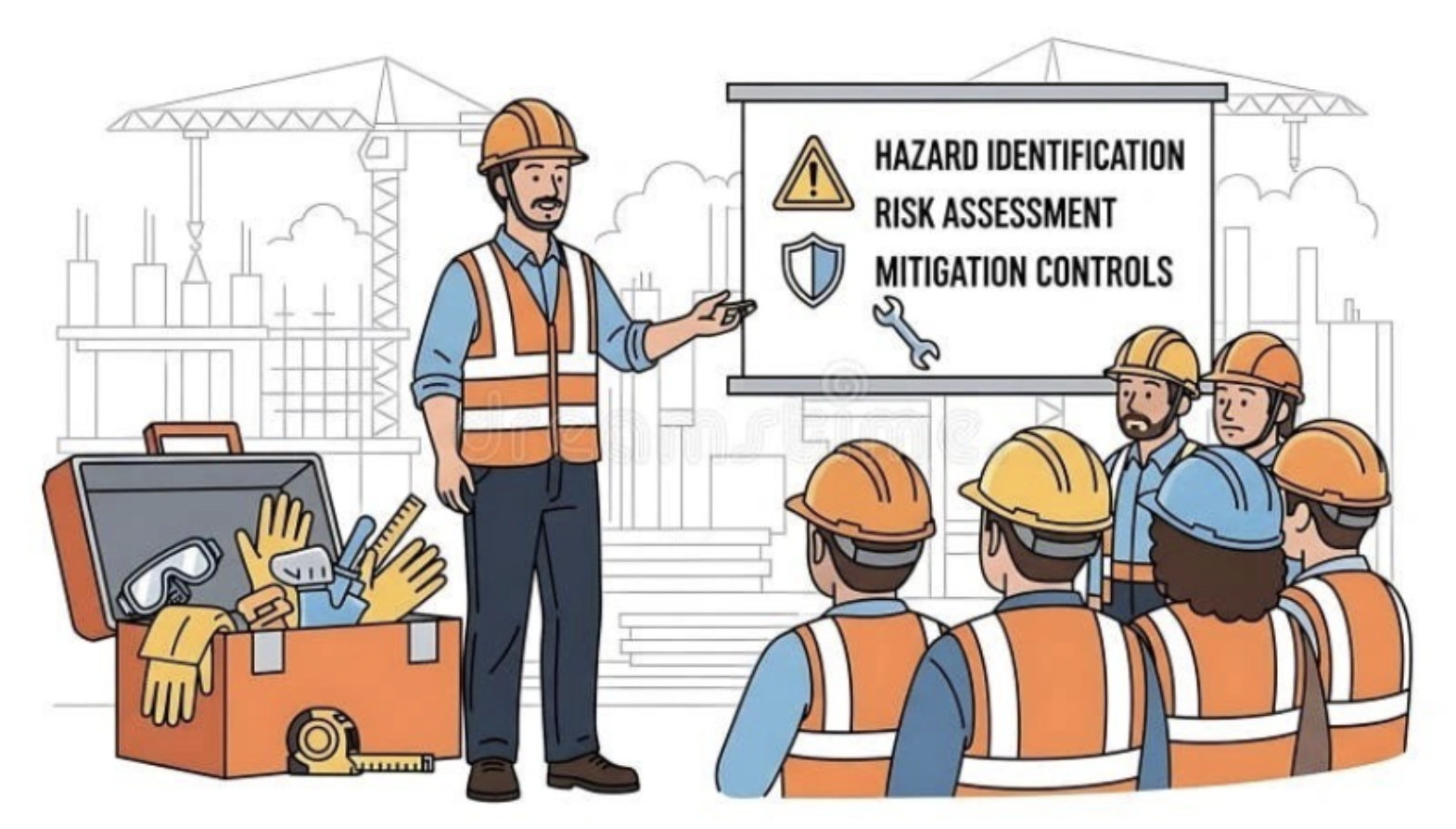
The hierarchy of controls is your most systematic approach to workplace safety, but are you using it correctly?
In fact, the best way to prevent injuries or illness in your workplace is to find the hazards that could cause harm and fix them . The most effective control measure involves eliminating the hazard and its associated risk . Yet, many safety managers struggle with implementing this hierarchy of hazard controls in their day-to-day operations.
You can reshape your safety program when you understand what the hierarchy of controls is and how to apply each level of control measures. This piece will walk you through the risk hierarchy of controls step by step and show you exactly how to identify hazards, assess risks, and implement the right hierarchy of control measures for your workplace.
Understanding the Hierarchy of Controls
A method of identifying and ranking safeguards to protect workers from hazards defines the hierarchy of controls [1]. This framework identifies a preferred order of actions to best control hazardous workplace exposures [2]. Controlling exposures to hazards protects workers from risk of illness or injury [2].
The hierarchy of controls provides a way of determining which actions will best control exposures [2]. This comprehensive approach manages workplace hazards by prioritizing risk reduction measures throughout your facility's lifecycle, from conceptual design to operations [3]. The framework will give you a logical order for managing risks. You begin with the most effective control measures and only use less effective methods at the time they become necessary [3].
The hierarchy consists of five levels to reduce or remove hazards, arranged from most to least effective [2]. The preferred order based on general effectiveness is: Elimination, Substitution, Engineering Controls, Administrative Controls, and Personal Protective Equipment (PPE) [2]. This hierarchy can lower worker exposures and reduce risk of illness or injury [2].
Many workplace safety regulations, including OSHA and standards such as ISO 45001, emphasize this risk-based approach's importance [3]. These regulations require you to eliminate hazards where possible and implement engineering controls before relying on PPE [3]. You may also need to combine control methods to best protect workers [1].
The Five Levels of the Hierarchy of Hazard Control
The model appears as an inverted pyramid with five categories arranged in descending order of effectiveness [4]. Elimination sits at the top, followed by substitution, engineering controls, administrative controls, and personal protective equipment. This hierarchy operates on the fundamental idea that controls at the top provide more protection than those at the bottom [4].
Elimination removes the hazard at the source [2]. This could include changing the work process to stop using a toxic chemical, heavy object, or sharp tool [2]. To cite an instance, you can eliminate the risk of a fall from height by doing the work at ground level [5]. Replacing a machine that causes excessive noise with a quieter model demonstrates elimination in practice [6].
Substitution involves using a safer alternative to the source of the hazard [2]. Switching from solvent-based paints to water-based ones or using plant-based printing inks instead of solvent-based inks shows this level in action [2][5]. Think over the potential new risks compared to the original risks when you evaluate a substitute [2].
Engineering controls reduce or prevent hazards from coming into contact with workers through physical changes [2]. Installing ventilation to remove fumes, machine guards around moving parts, or using trolleys to move heavy loads are common examples [6][5].
Administrative controls establish work practices that reduce exposure duration, frequency, or intensity [2]. These include work process training, job rotation, and ensuring adequate rest breaks [2].
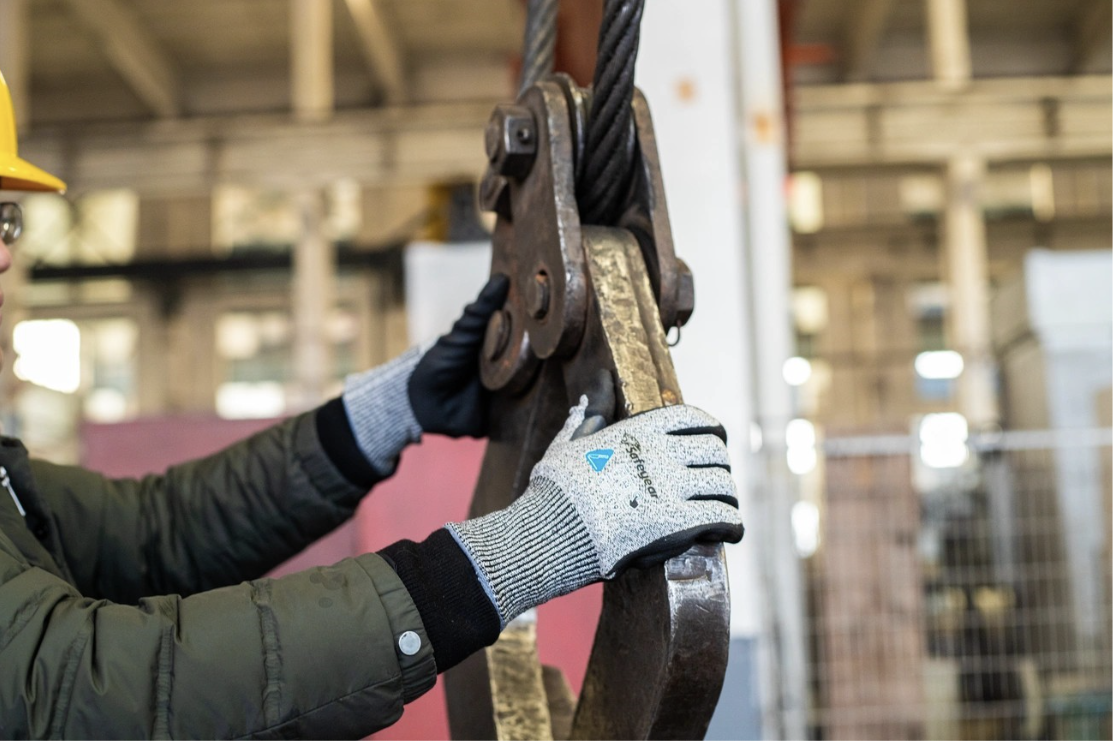
PPE serves as the last line of defense and protects people through equipment like respirators, gloves, and safety glasses [4]. PPE ranks as the least effective option because it only protects the individual user and does not eliminate or reduce the hazard itself [7].
Implementing the Risk Hierarchy of Controls in Your Workplace
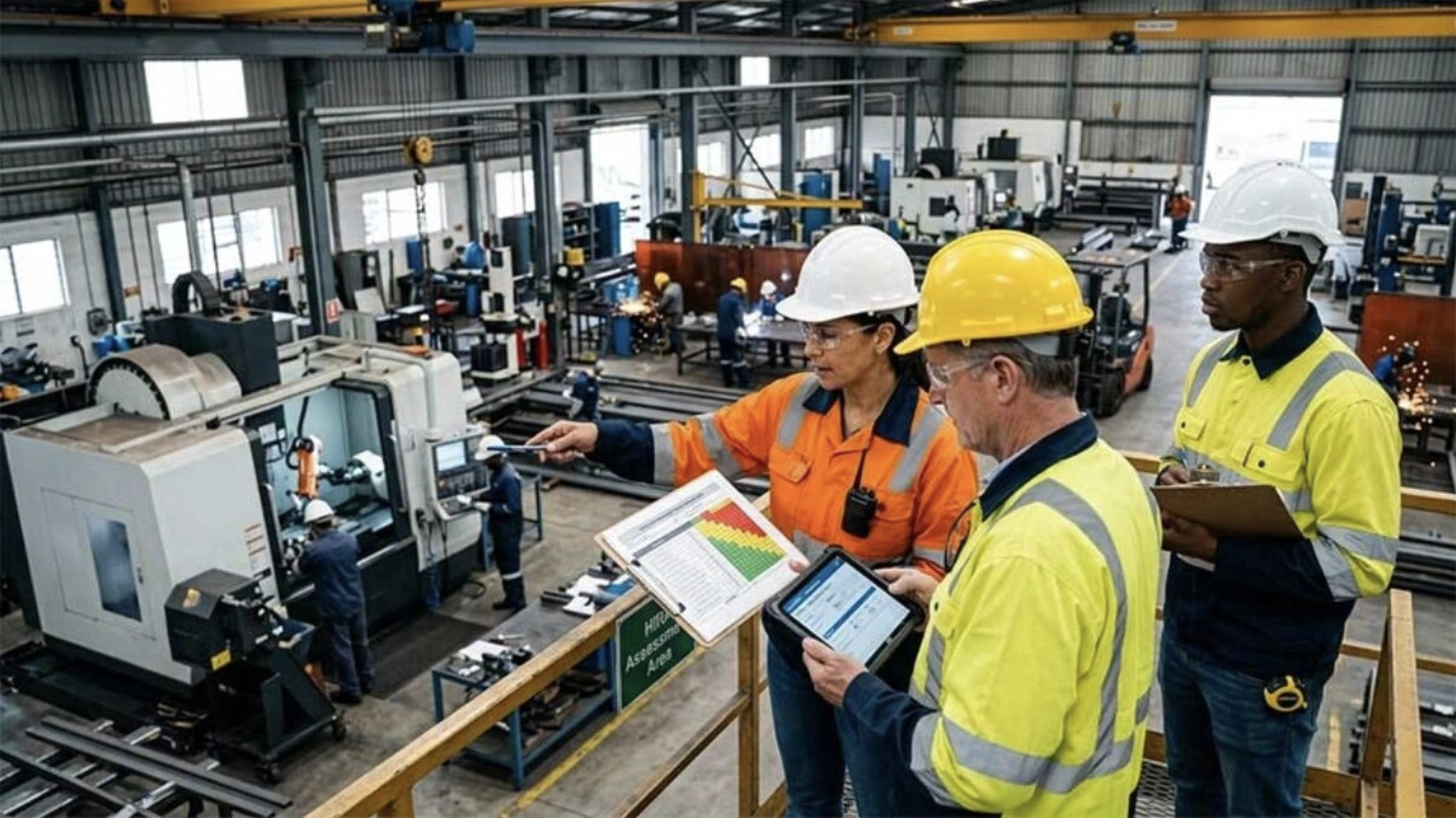
Applying the hierarchy of controls requires a systematic process. You must identify hazards you are trying to control with workers and their representatives' participation [1]. Walk around the workplace and observe how work is carried out. Pay attention to how employees actually work, how equipment is used, and what safe or unsafe practices exist [8]. Discuss hazards and risks with employees, review incident records, and consult suppliers about potential dangers [8].
You need to assess the risk by determining the likelihood of harm and its severity [1]. Work out which hazards are more serious and deal with those first [3]. Think about how many people are exposed and whether certain groups face higher risks [3].
Start at the top of the hierarchy of hazard controls when selecting controls [1]. Think about how you can block the path between the worker and the hazard [1]. Determine if a control is feasible by assessing whether it is right for the hazard, appropriate given how likely injuries are, consistent with regulations, not too burdensome to workers, recognized as appropriate practice in the industry, effective and reliable, readily available, and budget-friendly [1].
Choose the control that falls highest on the hierarchy collaboratively [1]. Use lower options as interim controls until the permanent solution is in place if implementation takes time [1]. You may need a combination of control methods to provide the best protection [1].
Train workers and supervisors correctly on how to use controls [2]. Workers and their supervisors should assess controls regularly [2]. Regular assessment checks whether controls work in reducing exposures and identifies potential improvements [2].
Conclusion
You now have a clear roadmap to implement the hierarchy of controls in your workplace. Your team should start by identifying hazards, then work systematically from elimination down to PPE. Note that the most effective solutions always sit at the top of the hierarchy.
Successful safety management requires consistency and regular evaluation. Train your workers properly and review your controls frequently. Don't hesitate to combine multiple measures for better protection. Your commitment to this structured approach will create a safer workplace for everyone.







































.png)









.png)
.png)
.png)
.png)
.png)
.png)
.png)

.png)
.png)
.png)
.png)
.png)
.png)
.png)
.png)
.png)
.png)
.png)
.png)
.png)
.png)
.png)
.png)
.png)
.png)
.png)
.png)


Ready to Save Lives at Work?
With Impress Solutions, you’re not just getting a service, you’re securing peace of mind with a partner you can trust. Book a free consultation today, and let’s map out how we can help you save lives at work.

.png)