How to Implement Head Injury Prevention in Your Workplace: A Step-by-Step Safety Guide

Head injury prevention could have saved nearly 8,000 construction workers who suffered head injuries in 2018 alone, with 230 losing their lives[21][22]. These numbers represent a serious workplace safety challenge, and brain injuries account for 20-25% of all workplace injuries[21][23].
The good news? Most of these injuries are preventable with the right systems in place.
This step-by-step guide will help you implement effective head injury prevention in the workplace. You'll learn how to conduct risk assessments and select proper protective equipment while building a lasting safety culture. We'll walk you through what you need to protect your team and reduce preventable head injuries.
Step 1: Assess Your Workplace for Head Injury Risks
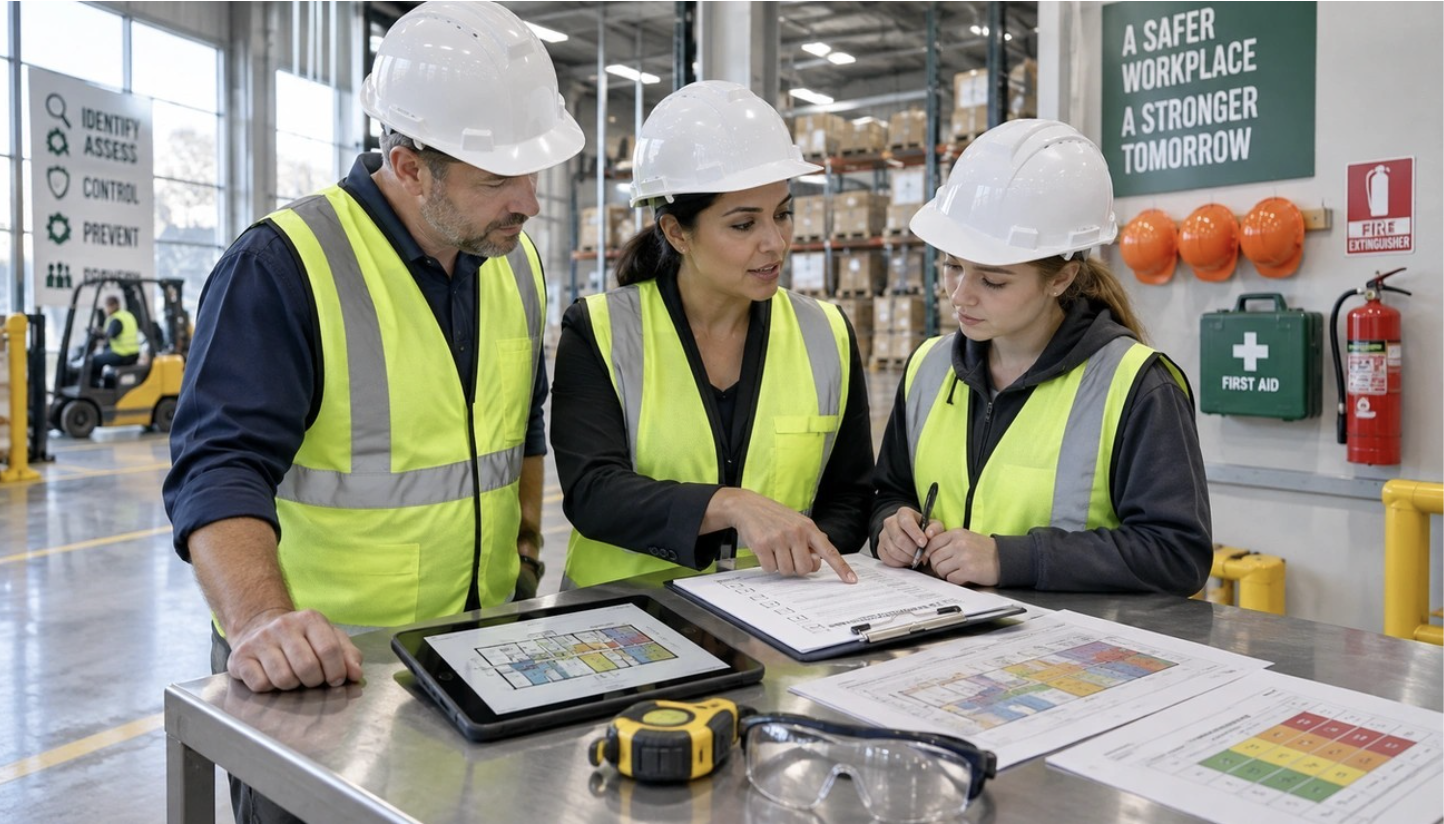
Your risk assessment are the foundations of effective head injury prevention at work. Walk through each area of your facility to spot anything that could cause harm. Look for physical hazards like machinery, poor lighting and trip risks. Think over chemical exposures, biological agents, ergonomic strains and psychological factors such as excessive workloads that might compromise worker attention.
Conduct a complete hazard assessment
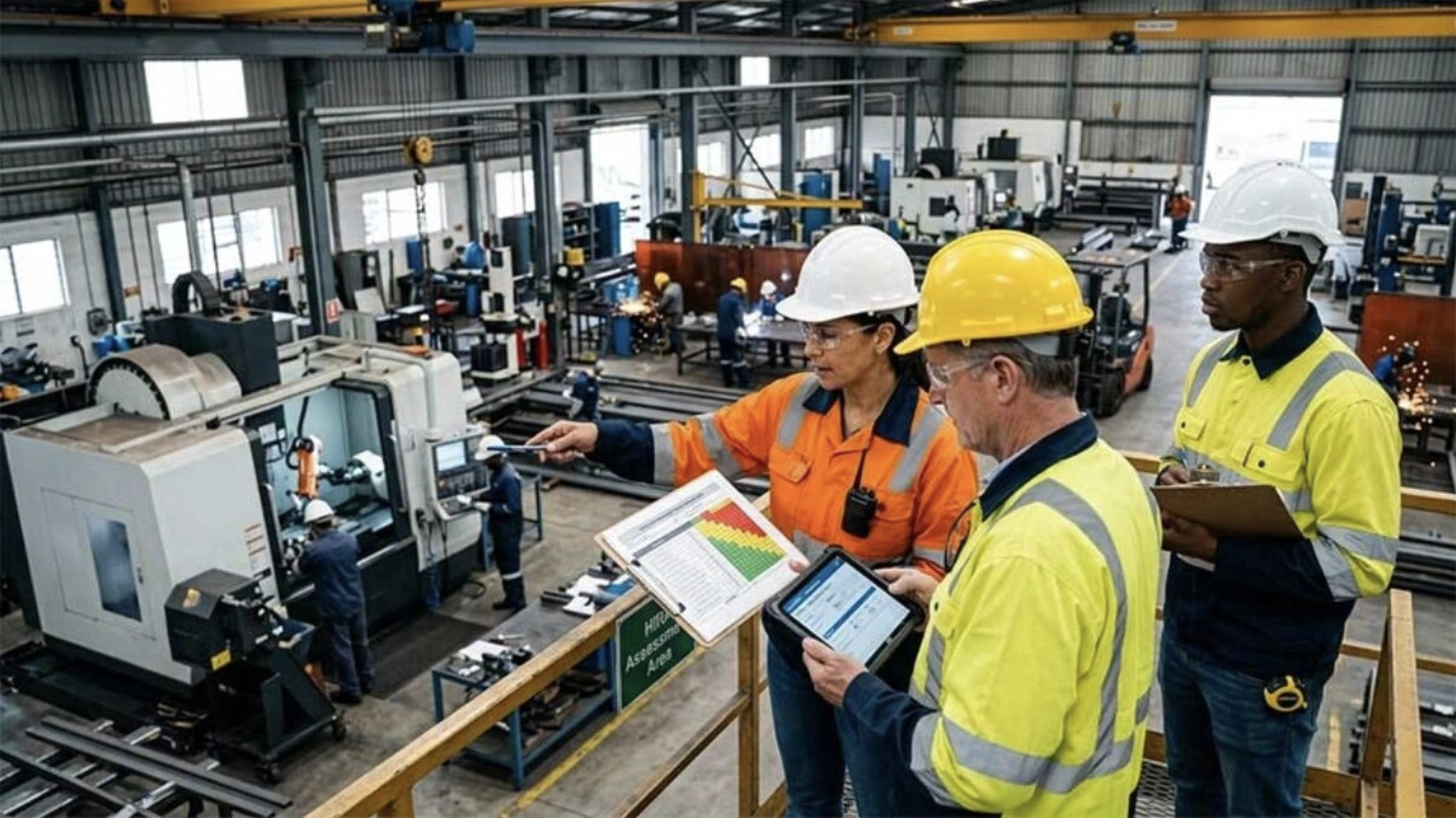
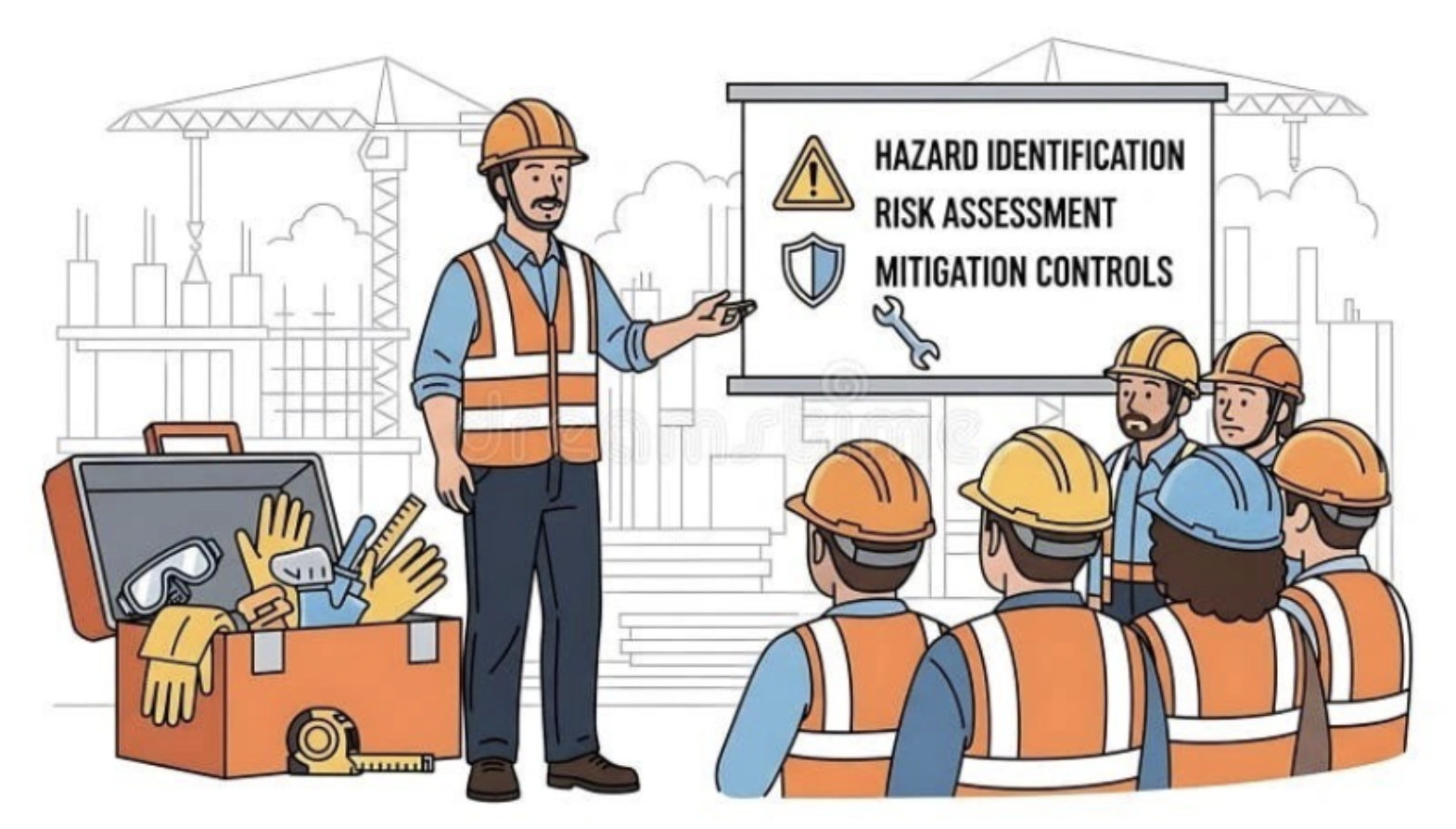
Assemble a team that has supervisors, workers who perform the tasks daily and safety representatives to begin your assessment. These people provide ground insights that desk-based reviews often miss. Get into work activities, review equipment manuals and safety data sheets, and speak openly with employees about the hazards they encounter as you walk through. Note both the likelihood of each hazard causing harm and the potential severity of injury. A risk matrix helps you assign ratings and prioritize which hazards need immediate attention versus those that need monitoring.
Identify high-risk areas and job roles
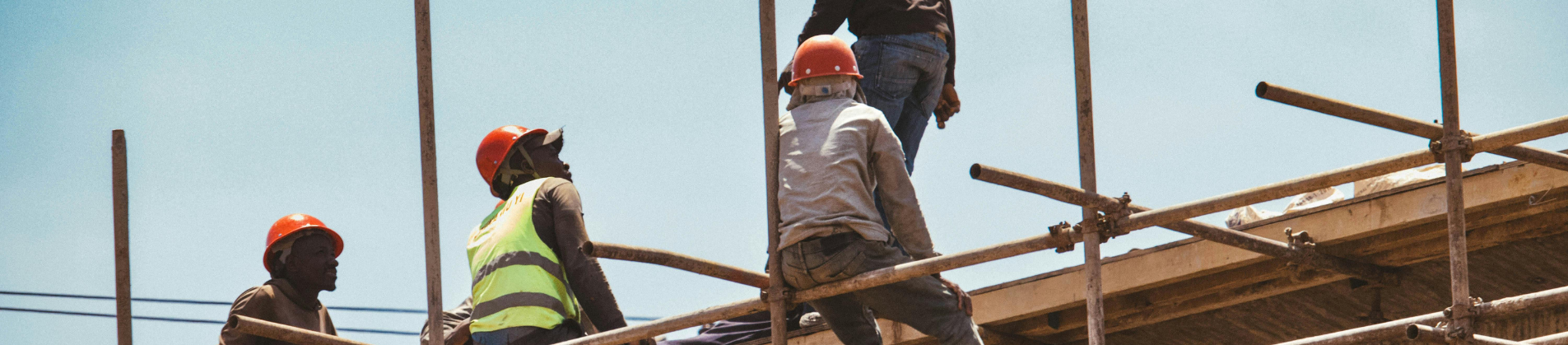
Construction workers face the highest risk. More than 2,200 traumatic brain injury deaths occurred between 2003 and 2010 among these workers[24]. Falls and struck-by incidents cause most concussions[24]. Transportation workers encounter constant exposure to high-speed collisions and sudden impacts. Warehouse employees deal with forklift collisions and falling inventory. Falls on uneven or wet surfaces make up about 20% of all workplace traumatic brain injuries[25]. Pay special attention to tasks with work at heights, operation of heavy equipment, exposure to projectiles or intense physical activity. New workers, contractors and those with limited experience in specific roles need extra thought as you assess.
Document existing safety gaps
Record every identified hazard, the people who could be affected and your current control measures. Note where controls are missing, ineffective or applied inconsistently. This documentation provides accountability and demonstrates compliance at audits. Your records should specify the risk level for each hazard and outline what actions you plan to put in place.
Review past incident reports
Look at your injury logs, workers' compensation claims and near-miss reports to spot patterns. Multiple incidents in the same location or with similar tasks reveal systemic problems that need immediate correction. Check whether previous recommendations were put in place and whether they remain effective.
Step 2: Select and Provide Appropriate Head Protection Equipment
Selecting appropriate protective equipment requires understanding the regulatory framework that governs workplace head protection. OSHA mandates head protection under 29 CFR 1910.135 for general industry and 29 CFR 1926.100 for construction wherever workers face potential head injury from impacts, falling objects, or electrical hazards[3]. These regulations require compliance with ANSI Z89.1 standards, which classify helmets by type and class[4].
Understanding OSHA and ANSI hard hat standards
ANSI Z89.1 defines two types based on impact protection. Type I helmets protect against blows to the top of the head. Type II helmets protect the top and sides[5]. Three classes address electrical hazards. Class E (Electrical) withstands up to 20,000 volts. Class G (General) handles up to 2,200 volts, and Class C (Conductive) provides no electrical protection but offers improved ventilation[5][4].
Choose the right helmet type for your industry
Match your helmet selection to specific workplace hazards. Construction sites with overhead dangers and minimal side-impact risks can use Type I helmets. Workers in confined spaces, around machinery, or on scaffolding need Type II protection for lateral impact coverage[6]. Class E helmets work best when working near high-voltage conductors. Class G is enough for incidental electrical exposure, while Class C works in environments requiring ventilation without electrical risks[7].
Ensure proper fit and comfort for workers
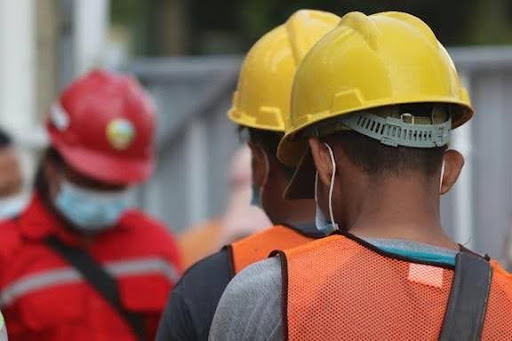
Proper fit maintains a clearance of 1 to 1.25 inches between the head and shell[8][9]. Adjust the suspension system using ratchets, pin locks, or sliding bands until the helmet sits snug without causing discomfort[10]. The helmet should rest level on the head, not tilted backward or forward. Add manufacturer-approved chin straps to prevent dislodgement when working at heights or in high-movement environments[11].
Implement helmet inspection and replacement schedules
Inspect helmets daily before use for cracks, dents, brittleness, and fading in the shell[5]. Check suspension straps for fraying or stretching[9]. Replace helmets right after any impact, even without visible damage[8]. Replace shells every five years from manufacture and suspensions every twelve months[9][12].
Step 3: Develop and Deliver Head Injury Prevention Training
Training transforms your head injury prevention program from policy to practice. Head injuries account for 9% of all workplace injuries[13][14], and this makes detailed training programs needed to reduce incident rates. OSHA requires employers to train workers on proper use, care, and limitations of protective equipment in specific work environments[15].
Train workers on proper helmet use
Give training that teaches workers about when and where helmets are required. Show proper wearing techniques during hands-on sessions where participants practice adjusting helmets for correct fit. Workers need to check helmets inside and out before each use for cracks, tearing, fraying, loss of surface gloss, chalking, and flaking[13]. Show impact resistance to demonstrate helmet effectiveness and reinforce why compliance matters.
Teach workers to recognize head injury risks
Safety protocols at work should cover specific risks associated with different occupations, from construction sites to office environments[1]. Workers need training to identify environmental hazards such as poor lighting, trip risks, and inadequate safety barriers. Behavior strategies for high-risk activities include following safety protocols that are already in place, avoiding unnecessary risks, and staying aware of environmental hazards[1]. Make sure workers know that alcohol consumption increases head injury risk by a lot through impaired judgment and reduced coordination[1].
Set up emergency response procedures
Train staff to spot early signs of concussion, handle bleeding well, respond correctly to spinal injuries, and make confident decisions under pressure[16]. Workers should apply cold compresses for up to 20 minutes to reduce swelling[14]. They need to call emergency services if someone becomes drowsy, repeatedly vomits, or their condition worsens[14].
Create a culture of safety reporting
Set up ways for workers to report injuries, illnesses, close calls, hazards, and safety concerns without fear of retaliation[2]. Add anonymous reporting options to reduce fear of reprisal[2]. Respond quickly to all reports and acknowledge submissions fast[17]. Praise workers for reporting safety issues and near misses to encourage continuous participation[17].
Step 4: Monitor, Maintain, and Improve Your Prevention Program
Continuous evaluation separates effective head injury prevention programs from those that exist on paper only. Traumatic brain injuries account for 22% of all work-related fatalities[18], with annual costs exceeding AUD 114.67 billion[18]. This makes monitoring a safety and financial imperative.
Conduct regular safety audits
Schedule documented inspections before each shift, after incidents and following equipment repairs. OSHA mandates retaining these records for three years[19]. Internal audits increase awareness and use staff familiarity with processes. External auditors provide fresh views free from organizational politics. Organizations face penalties of AUD 23,890.47 per violation for non-compliance with head protection standards. Willful breaches escalate to AUD 238,918.48[19].
Update policies based on new regulations
Model WHS laws undergo amendments in different jurisdictions. Western Australia implemented updated Work Health and Safety Act requirements in March 2022 to line up with national model laws. Review regulatory changes quarterly and update your policies so you maintain compliance.
Track and analyze head injury incidents
Get into incident reports and identify patterns in locations, job roles and injury types. Work-related TBI gets underestimated, which hinders surveillance efforts and misdirects prevention resources[18]. Track both frequency and consequence of injuries to review how well the program works.
Recognize and reward safety compliance
Implement recognition programs that acknowledge specific safety behaviors promptly. Recognition works when delivered close to the desired action by someone workers respect[20]. Offer meaningful rewards such as gift cards, early leave or public acknowledgment. This reinforces compliance and builds motivation toward safe practices.
Conclusion
You now have a complete roadmap to implement head injury prevention in your workplace. By doing this—assessing risks, providing proper equipment and delivering effective training while maintaining continuous monitoring—you can substantially reduce preventable head injuries among your team.
Note that workplace safety requires ongoing commitment, not one-time fixes. Implement these strategies today and stay consistent with your protocols. You'll create a safer workplace where head injuries become increasingly rare rather than routine occurrences.
References
[2] - http://www.osha.gov/safety-management/worker-participation
[3] - http://www.osha.gov/laws-regs/regulations/standardnumber/1926/1926.100
[4] - https://www.oshaeducationcenter.com/osha-hard-hat-rules/
[5] - https://www.safetyloom.com/proper-hard-hat-fit-and-adjustment-tips-for-maximum-safety/
[6] - https://www.pyramex.com/blogs/blog-post/type-helmet-safety-guide
[11] - https://www.osha.gov/sites/default/files/publications/SAFETY_HELMET_SHIB.pdf
[12] - https://www.ergodyne.com/blog/hard-hat-expiration
[13] - https://hsi.com/resources/hard-hat-safety
[15] - https://training.safetyculture.com/course-collection/hard-hat-training/
[17] - https://www.safework.nsw.gov.au/safety-starts-here/easywhs/reporting/learn-more
[18] - https://pmc.ncbi.nlm.nih.gov/articles/PMC3651787/
[19] - https://www.popprobe.com/checklist-library/ppe/ppe/b25b-ppe-head-protection-checklist
[21] - https://www.expresssolicitors.co.uk/blog/workplace-head-injuries-prevention-response-legal-rights
[23] - https://resources.duralabel.com/articles/three-essential-tips-to-prevent-workplace-head-injuries
[24] - https://lhsfna.org/concussions-its-not-just-football-players-who-are-at-risk/
[25] -https://oswaltlawgroup.com/blog/find-out-which-jobs-are-most-likely-to-lead-to-head-injuries/









































.png)





.png)
.png)
.png)
.png)
.png)
.png)
.png)

.png)
.png)
.png)
.png)
.png)
.png)
.png)
.png)
.png)
.png)
.png)
.png)
.png)
.png)
.png)
.png)
.png)


Ready to Save Lives at Work?
With Impress Solutions, you’re not just getting a service, you’re securing peace of mind with a partner you can trust. Book a free consultation today, and let’s map out how we can help you save lives at work.

.png)