Hazard vs Risk: What's the Difference?
What is hazard and risk?
What is a hazard?
A hazard is anything that has the potential to cause harm to a person[12]. This covers objects, substances, equipment, tasks, situations, or work environments that possess inherent capability to cause death, injury, illness, damage, or loss. Hazards exist independently of any specific interaction or context[13]. A slippery floor, noisy machinery, toxic chemicals, a moving forklift, electricity, repetitive tasks, and even inappropriate workplace behavior all constitute hazards[2]. The tuberculosis-causing bacteria (Mycobacterium tuberculosis) represents a hazardous biological agent, rather than the disease itself being classified as the hazard[14].
Workplace hazards arise from everything in the physical work environment, equipment and substances used, work tasks and their execution methods, and work design and management practices[1]. Hazards can be categorized as physical, chemical, biological, ergonomic, or psychological[13]. Examples include unsafe manual handling tasks, unsafe use of chemicals, and electrical plant operation in wet areas[1].
What is risk?
Risk is the possibility that harm (death, injury, or illness) might occur when exposed to a hazard[1][4]. A hazard represents the source of potential harm, while risk quantifies the chance or probability that harm will materialize[14]. Risk assessment thinks over two critical components: the likelihood of harm occurring and the severity of potential risks[5]. These factors combine to determine risk levels, expressed through the formula where likelihood multiplied by severity equals risk[5].
Risk is contextual and fluctuates depending on exposure conditions and control measures in place[13]. A toxic chemical stored in a sealed, ventilated area presents low risk. The same chemical leaking or handled without personal protective equipment creates high risk[13]. The nature of exposure, frequency of contact, method of exposure, and severity of potential effects all influence the degree of risk[14].
What is the difference between a hazard and a risk?
The fundamental difference lies in their nature: hazards represent potential sources of harm that exist whatever the exposure, whereas risks measure the probability and severity of harm when exposure occurs. Hazards remain constant as inherent characteristics of objects, substances, or situations. Risks, in contrast, vary based on exposure levels, control measures, and environmental circumstances.
Hazard creates potential, risk measures likelihood
Hazards possess the inherent capability to cause damage but do not guarantee harm will occur. Risk assessment reviews both the probability that harm will materialize and the potential risks if it does. This evaluation combines likelihood and severity to produce measurable risk ratings. A spill on the floor constitutes a hazard; the risk escalates when people walk through the area without barriers or warning signs. The more frequent the exposure to a hazard, the higher the risk becomes.
Example: Forklift truck hazard and associated risks
Forklifts represent one of the most important workplace hazards that causes deaths and injuries annually. Workers are killed or injured through three mechanisms: they get hit or crushed by a forklift, struck or crushed by loads being moved, and crushed in tip-over incidents[6]. Common forklift hazards include operations in areas with pedestrian traffic, blind spots, corners with limited visibility, inadequate lighting, and absence of physical barriers[7]. The risk level depends on factors such as whether the operator moves with a raised load (obscuring visibility), lack of physical segregation between pedestrians and forklifts, and whether pedestrians wear high-visibility clothing. When severity is rated as major injury and likelihood as very likely, the risk assessment reaches the highest possible rating[8].
Example: Toxic substance hazard and exposure risks
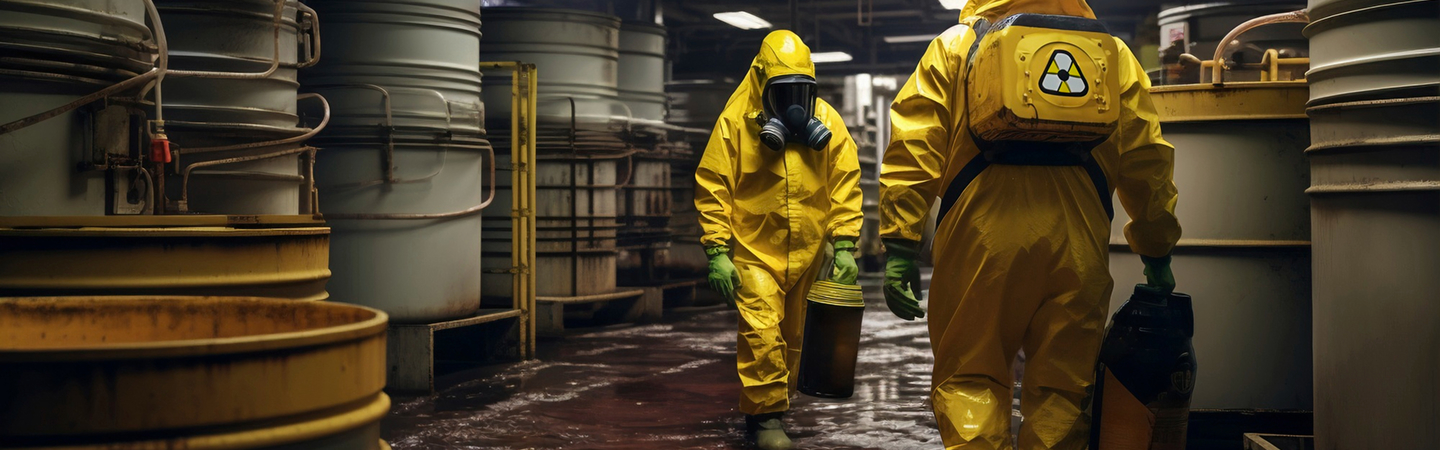
Hazardous chemicals present both health and physical hazards. Health effects range from immediate consequences like poisoning and burns to long-term conditions that include nerve damage, lung damage, or cancer[9]. Some substances produce acute toxicity after single, episodic exposure, while others cause chronic toxicity following prolonged contact[10]. The risk varies based on exposure routes (inhalation, skin contact, ingestion), frequency of contact, and workplace ventilation systems[11].
How to identify hazards and assess risks
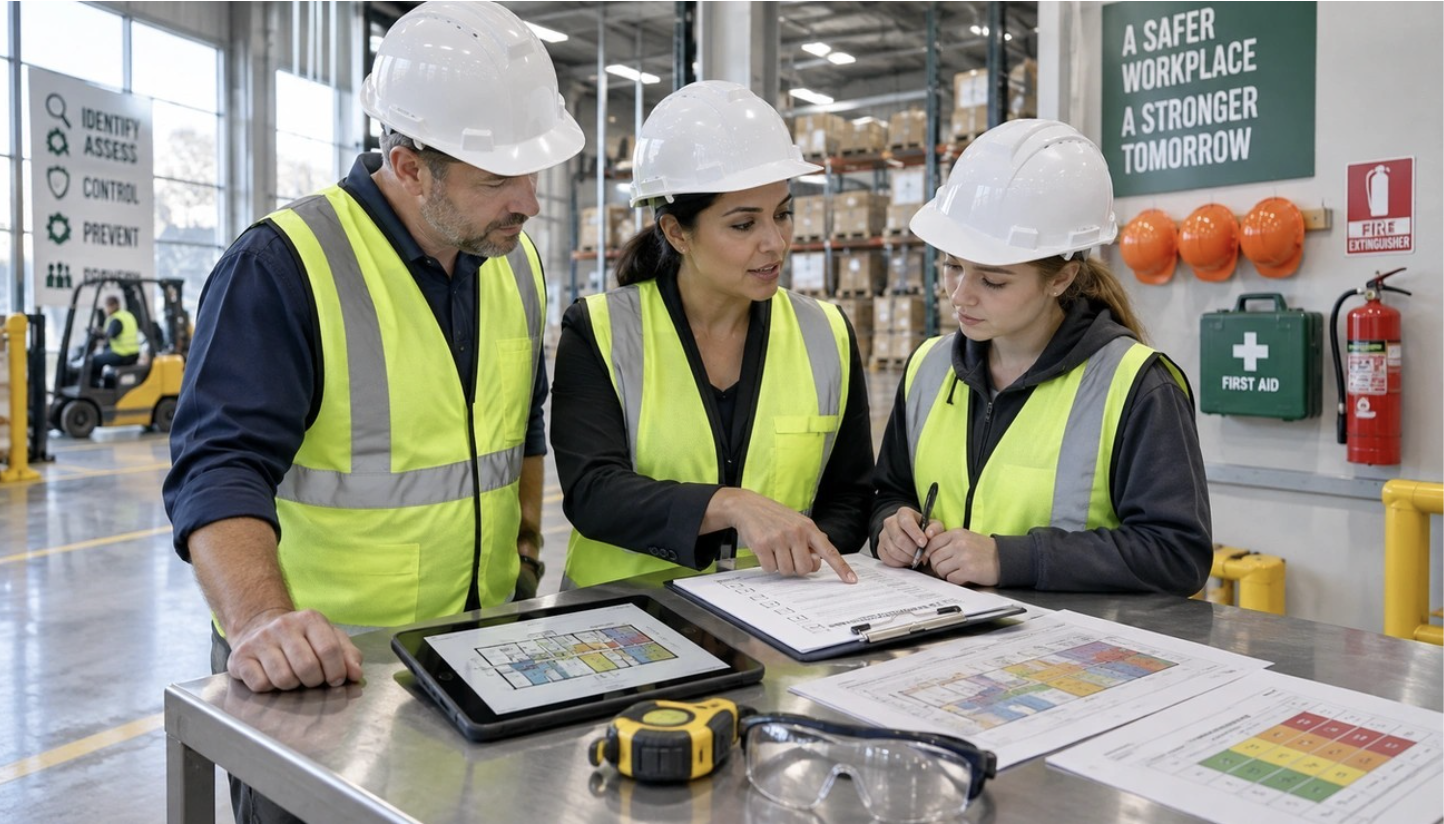
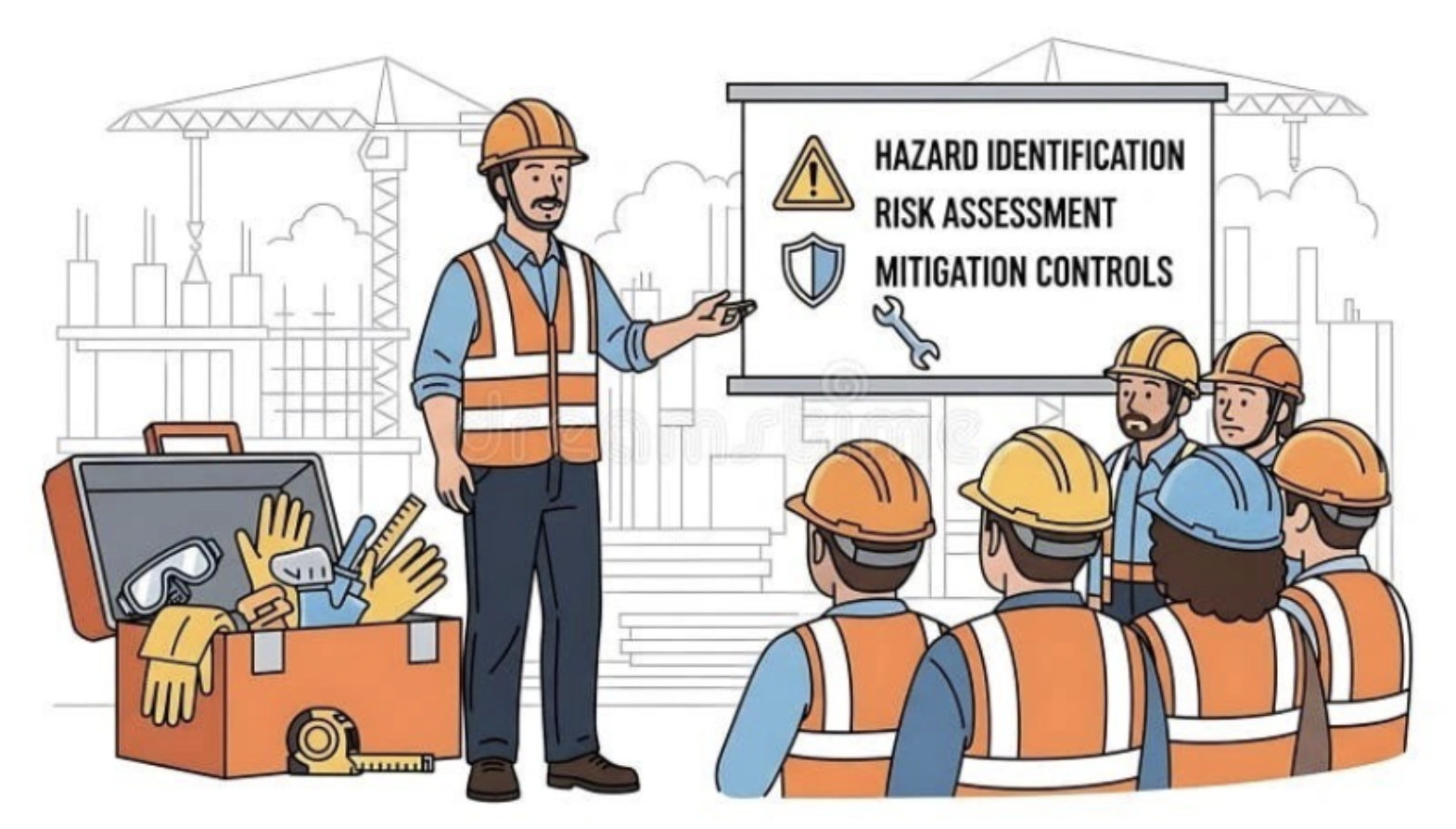
Managing workplace hazards and risks follows a systematic four-step process: identifying hazards, assessing risks, controlling risks, and reviewing control measures. This well-laid-out approach prevents injuries and protects workers. It addresses the failure to recognize hazards that contributed to 5,486 fatal work injuries recorded in the United States in 2022[3].
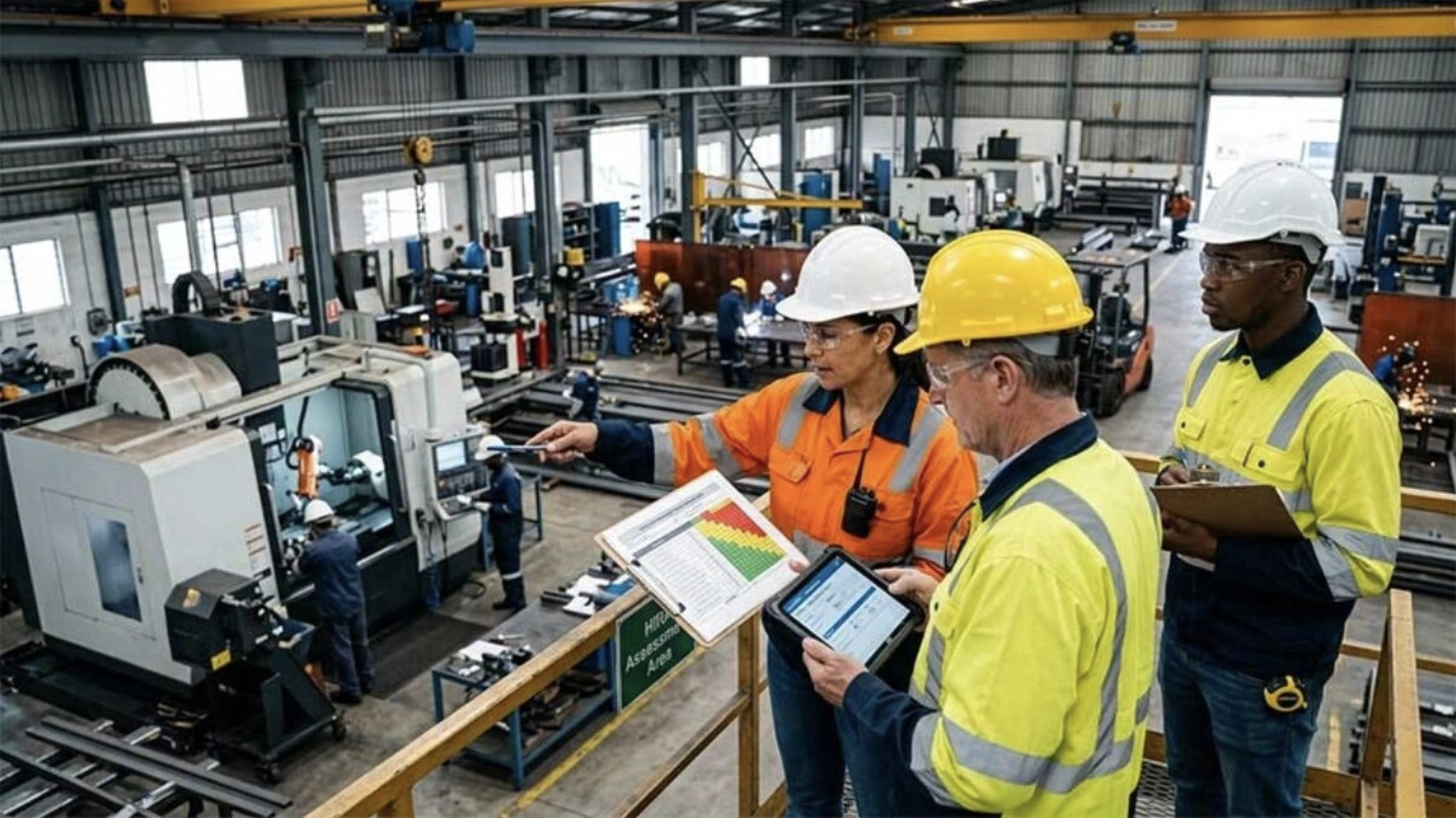
You must dissect everything in the workplace to identify hazards. This includes the physical work environment, equipment, materials, substances, work tasks, and work design practices. The quickest way involves conducting workplace inspections of operations, equipment, and work areas. Consult workers who have firsthand knowledge of safety issues. Review injury records and near-miss incidents. Examine manufacturer documentation and safety data sheets. You must include both routine and non-routine activities such as maintenance, repair, and cleaning. Inspection teams benefit from combining experienced personnel familiar with work areas and fresh viewpoints from those less familiar with daily operations.
Risk assessment determines how severe potential harm could be and how likely it is to occur. Think about the type of harm: muscular strain, burns, lacerations, or death. Think about the number of people exposed to hazards and how hazards may cause harm through exposure routes of all types. The effectiveness of existing control measures matters. Factors such as task frequency, proximity to hazards, and whether incidents have occurred previously in similar workplaces influence likelihood ratings.
References
[1] - https://safework.sa.gov.au/workplaces/managing-risk
[2] - https://www.worksafe.wa.gov.au/managing-risk-workplace
[3] - https://www.impresssolutions.com.au/insight/mastering-hazard-identification-in-the-workplace-a-guide
[4] - https://www.rrp.com.au/blog-what-is-risk-management-in-health-and-safety/
[5] - https://www.haspod.com/blog/management/difference-between-hazard-risk-explained
[6] - https://www.safework.nsw.gov.au/hazards-a-z/forklifts
[7] - https://www.worksafe.vic.gov.au/forklift-hazards-and-risk-controls
[8] - https://safeti.com/how-to-assess-the-risk-health-and-safety-masterclass/
[9] - https://www.safeworkaustralia.gov.au/safety-topic/hazards/chemicals/hazardous-chemicals
[10] - https://www.epa.gov/emergency-response/health-and-ecological-hazards-caused-hazardous-substances
[11] - https://hseaustralia.com.au/occupational-hygiene/hazardous-substances-risk-assessment/
[12] - https://www.safeworkaustralia.gov.au/safety-topic/hazards
[14] -https://www.ccohs.ca/oshanswers/hsprograms/hazard/hazard_risk.html







































.png)





.png)
.png)
.png)
.png)
.png)
.png)
.png)

.png)
.png)
.png)
.png)
.png)
.png)
.png)
.png)
.png)
.png)
.png)
.png)
.png)
.png)
.png)
.png)
.png)
.png)


Ready to Save Lives at Work?
With Impress Solutions, you’re not just getting a service, you’re securing peace of mind with a partner you can trust. Book a free consultation today, and let’s map out how we can help you save lives at work.

.png)