
Mastering Hazard Identification in the Workplace: A Guide
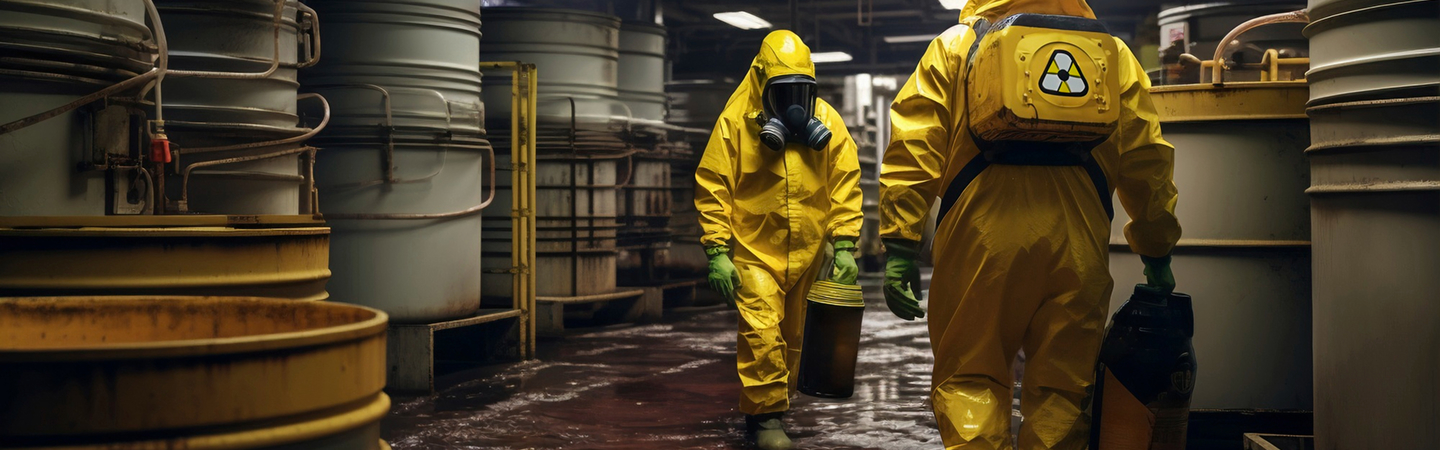
Effective hazard identification can reshape your workplace safety outcomes and prevent injuries while protecting your team. Eliminating and controlling risks improves the health, wellbeing and capacity of your workers. Quality and productivity get a boost too.
Many businesses struggle with where to start with workplace hazard identification. What is a hazard? How does it differ from risk? The process of hazard identification can feel overwhelming.
That's exactly why we created this piece. We'll walk you through a practical, step-by-step approach to become skilled at hazard identification in your workplace. You'll learn the fundamentals and implement proven identification methods that keep your team safe.
Understanding Hazards and Risks in the Workplace
Every workplace has hazards. A hazard is anything that could cause harm to a person. This has objects, materials, situations or activities in your work environment that could lead to injury or illness.
Risk represents the chance or probability that someone will be harmed when exposed to a hazard. Risk thinks over two factors: how likely harm is to occur and how severe that harm could be.
The difference between hazard and risk matters. A hazard exists whether anyone is exposed to it or not. Risk depends on exposure and circumstances. To name just one example, stairs are a hazard because someone could fall. The risk level changes based on factors like handrails, lighting and how often people use them.
Workplace hazards range from obvious dangers like frayed electrical cords and stacked boxes to subtle threats like repetitive motions and chemical exposure over time. These hazards contributed to 5,486 fatal work injuries recorded in the United States in 2022. This was a 5.7% increase from 2021 [1] and translates to a fatal work injury rate of 3.7 fatalities per 100,000 full-time equivalent workers [1].
Exposure to workplace hazards can result in physical injuries, disabilities (temporary and permanent), adverse health effects and chronic medical conditions [1].
The Process of Hazard Identification: A Step-by-Step Approach
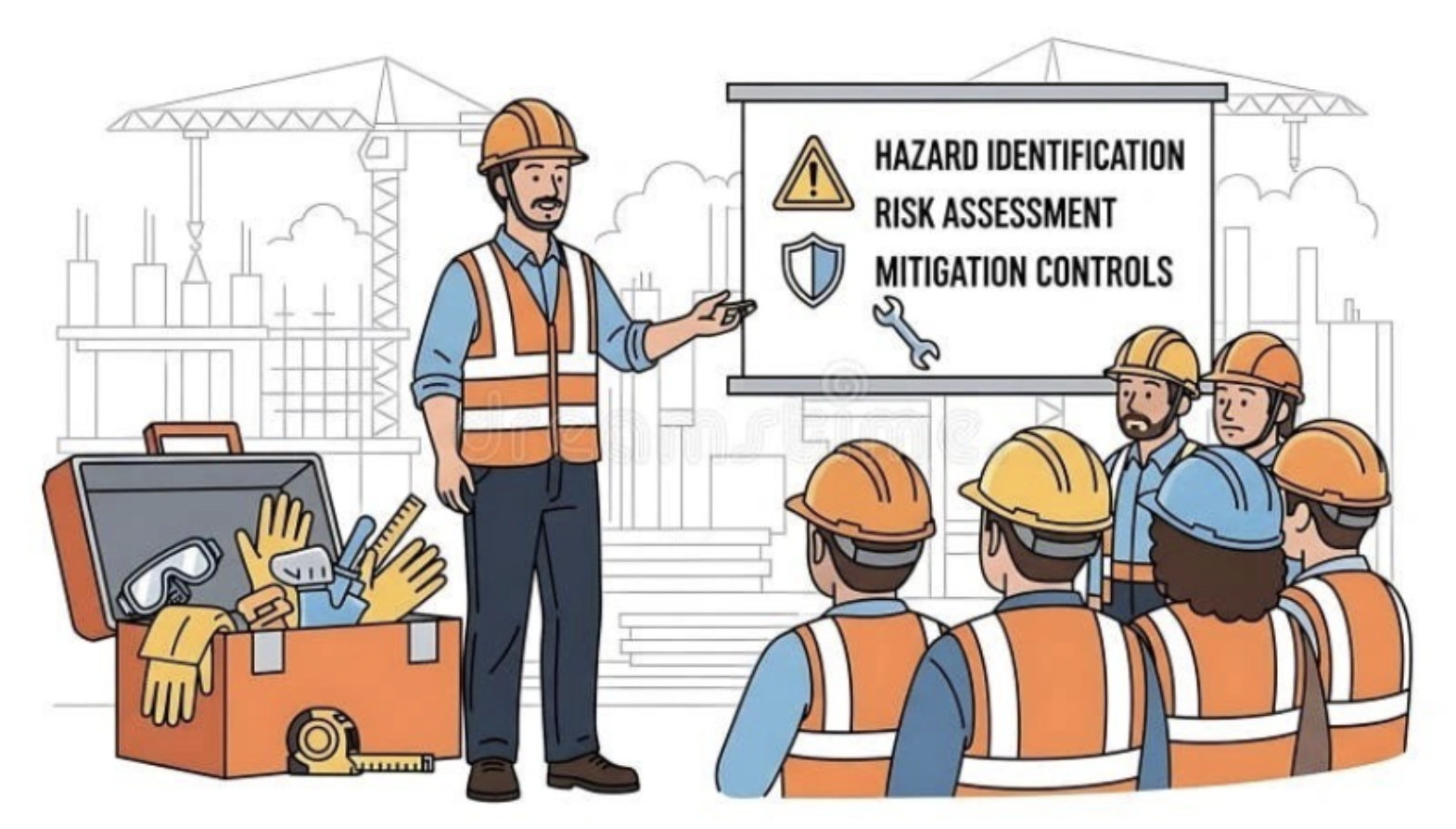
Managing workplace health and safety risks follows a systematic approach that builds on understanding what hazards exist. The process includes identifying hazards, assessing risks, controlling risks, and reviewing control measures [2].
Step 1: Spot the Hazard
You need to find anything in your workplace that could cause harm. Walk through your work environment and get into equipment, machinery, work areas, and practices [3]. Ask workers about hazards they've noticed. Review injury records including near misses and check information from manufacturers or suppliers [4]. Workers witness most health and safety issues and have first-hand knowledge that is a great way to get insights during identification [4].
Step 2: Assess the Risk
Assessing the risk means figuring out how likely a hazard will harm someone and how serious that harm could be [5]. Think over the severity of injury or illness and likelihood of occurrence. Also think about how many people face exposure [4].
Step 3: Fix the Problem
Control measures should eliminate hazards completely when possible. Minimize risks through substitution, isolation, safeguards, safe work procedures, or personal protective equipment if elimination isn't practical [5].
Step 4: Assess Results
Review your control measures to verify they work as planned [4]. Get feedback from affected workers and look at incident records to track effectiveness [4]. Hazard identification remains a continuous effort as work environments and processes evolve [3].
5 Proven Methods to Identify Hazards in Your Workplace
Identifying hazards requires systematic methods that work together to create a complete safety picture. Organizations can choose from multiple proven approaches based on their specific needs and workplace environment.
1. Workplace Inspections
Regular workplace inspections involve physical examination of buildings, structures, equipment, machinery and work practices to identify hazards [6]. Inspections should occur often enough to prevent unsafe conditions from developing, which could mean monthly, weekly or more frequent intervals depending on risk levels [6]. Pre-work inspections verify equipment safety before each shift. Special inspections follow malfunctions or incidents [6].
2. Job Safety Analysis
Job Safety Analysis breaks each job into key training sequences and identifies safety elements of each step [7]. This method works especially when you have high-risk tasks, jobs with injury history or newly created processes [8].
3. Safety Data Sheets
Safety Data Sheets provide critical information for assessing risks involved with hazardous chemicals and dangerous goods [9]. Employers must get current SDS for each hazardous product and ensure workers can access them [9].
4. Hazard Reporting Systems
Structured reporting procedures allow workers to report injuries, near misses, damaged equipment and safety concerns [10]. Workers should report to supervisors, managers or health and safety representatives [10].
5. Risk Assessment Checklists
Standardized checklists help identify workplace hazards [11]. These tools cover safety management, equipment, manual handling, chemicals and emergency procedures [12].
Conclusion
You now have a complete roadmap to become skilled at hazard identification in your workplace. The four-step process we outlined gives you a starting point, and then you can implement the five proven methods that fit your environment best. Workplace safety isn't a one-time project. Consistent hazard identification requires ongoing effort, but the payoff is worth it: fewer injuries, protected workers and a safer work culture. Your workplace inspection can start today, and hazard identification can become a regular habit.
References
[1] - https://www.safeopedia.com/definition/646/workplace-hazard
[3] - https://www.dnv.com/assurance/articles/what-is-hazard-identification/
[6] - https://www.worksafebc.com/en/health-safety/create-manage/workplace-inspections
[7] - https://ehs.research.uiowa.edu/occupational/job-safety-analysis-jsa
[8] - https://www.vectorsolutions.com/resources/blogs/a-breakdown-of-the-4-steps-of-a-job-safety-analysis/
[9] - https://www.worksafe.vic.gov.au/safety-data-sheets
[10] - https://www.safework.nsw.gov.au/safety-starts-here/easywhs/reporting/learn-more













































.png)










.png)
.png)
.png)
.png)
.png)
.png)
.png)

.png)
.png)
.png)
.png)
.png)
.png)
.png)
.png)
.png)
.png)
.png)
.png)
.png)
.png)
.png)
.png)


Ready to Save Lives at Work?
With Impress Solutions, you’re not just getting a service, you’re securing peace of mind with a partner you can trust. Book a free consultation today, and let’s map out how we can help you save lives at work.

.png)