How to Master the Risk Management Process: A Safety Leader's Guide

Risk management forms the foundations of workplace safety and legal compliance. Safety leaders shoulder a vital responsibility that involves identifying potential harm to their people and taking steps to eliminate or minimize these risks.
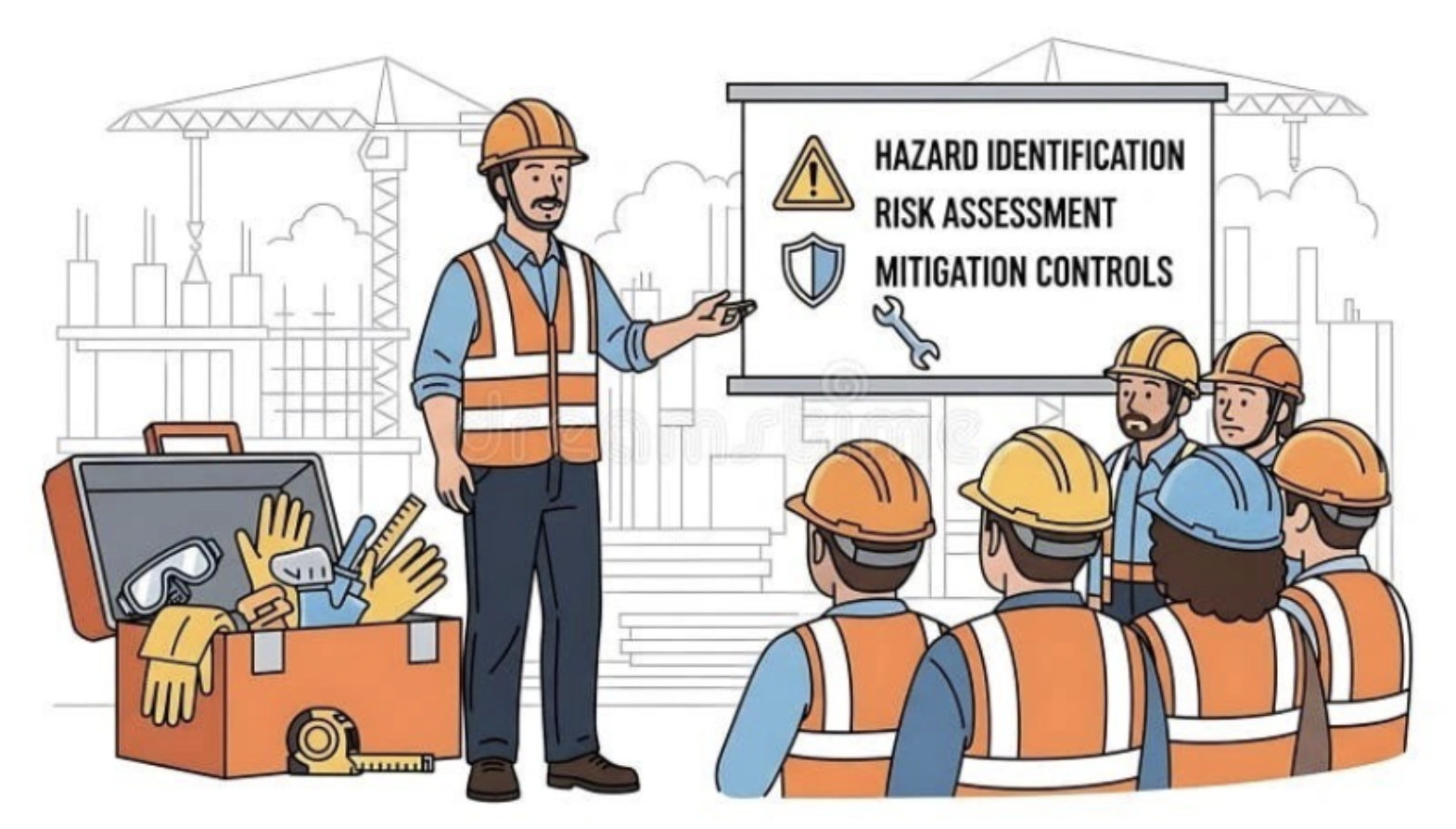
Understanding the difference between hazard and risk plays a crucial role. A hazard represents anything that could potentially cause harm. The risk emerges when people face exposure to that hazard. This basic concept shapes the entire risk assessment process. Meeting legal obligations requires safety leaders to become skilled at the 5-step risk management process - a requirement for all persons conducting a business or undertaking (PCBUs).
My experience working with organizations on safety protocols has shown that a well-laid-out approach delivers optimal results. Safety teams must identify all potential sources of harm. These typically come from the physical environment, equipment, materials, work tasks, and management systems. Every safety leader needs a systematic way to handle these elements effectively.
This piece breaks down each step of this vital process, starting from hazard identification through to implementing and reviewing control measures. You'll get a clear roadmap that helps meet compliance requirements and create a safer workplace for your team.
Step 1: Identify Hazards in Your Workplace
Hazard identification is the foundation of any good risk identification process. A hazard can be anything that might cause harm - from frayed electrical cords to improperly stacked boxes or noisy machinery. You need systematic watchfulness and multiple approaches to spot these potential dangers.
Workplaces typically have six main types of hazards. Safety hazards include spills and unguarded machinery. Physical hazards cover radiation and extreme temperatures. Chemical hazards come from cleaning products and solvents. Biological hazards involve blood and bacteria. Ergonomic hazards result from poor posture and repetitive movements. Psychological hazards stem from workplace violence and excessive workload.
Here are some effective methods to identify these dangers:
- Conduct regular workplace walkthroughs to physically observe conditions, equipment, and processes
- Review incident reports and near-miss logs to spot recurring problems
- Create hazard identification teams with members from different departments
- Perform job safety analyzes to break down tasks and identify associated risks
Employee involvement is vital throughout this process. Workers who perform daily tasks often notice potential dangers that management might miss. Getting your team involved creates a shared safety culture and gives great insights about workplace conditions.
Note that hazard identification isn't a one-time task. Workplaces change constantly, so ongoing watchfulness helps maintain safety standards.
Step 2: Assess and Evaluate the Risks
The next vital step in the risk management process is assessment and review after spotting workplace hazards. This analytical phase helps determine which risks need immediate attention.
Risk assessment gets into what might happen if someone faces a hazard and how likely it is to occur [1]. I make it a point to do risk assessments when hazards seem unclear, when tasks involve multiple hazards interacting, or when workplace changes could affect existing control measures.
A well-laid-out approach helps me review risks properly. My first step is figuring out how bad the potential harm could be—from minor injuries needing first aid to serious injuries or deaths [1]. Next, I look at how likely it is by factoring in how often the task happens, how close people get to hazards, and past incidents [1].
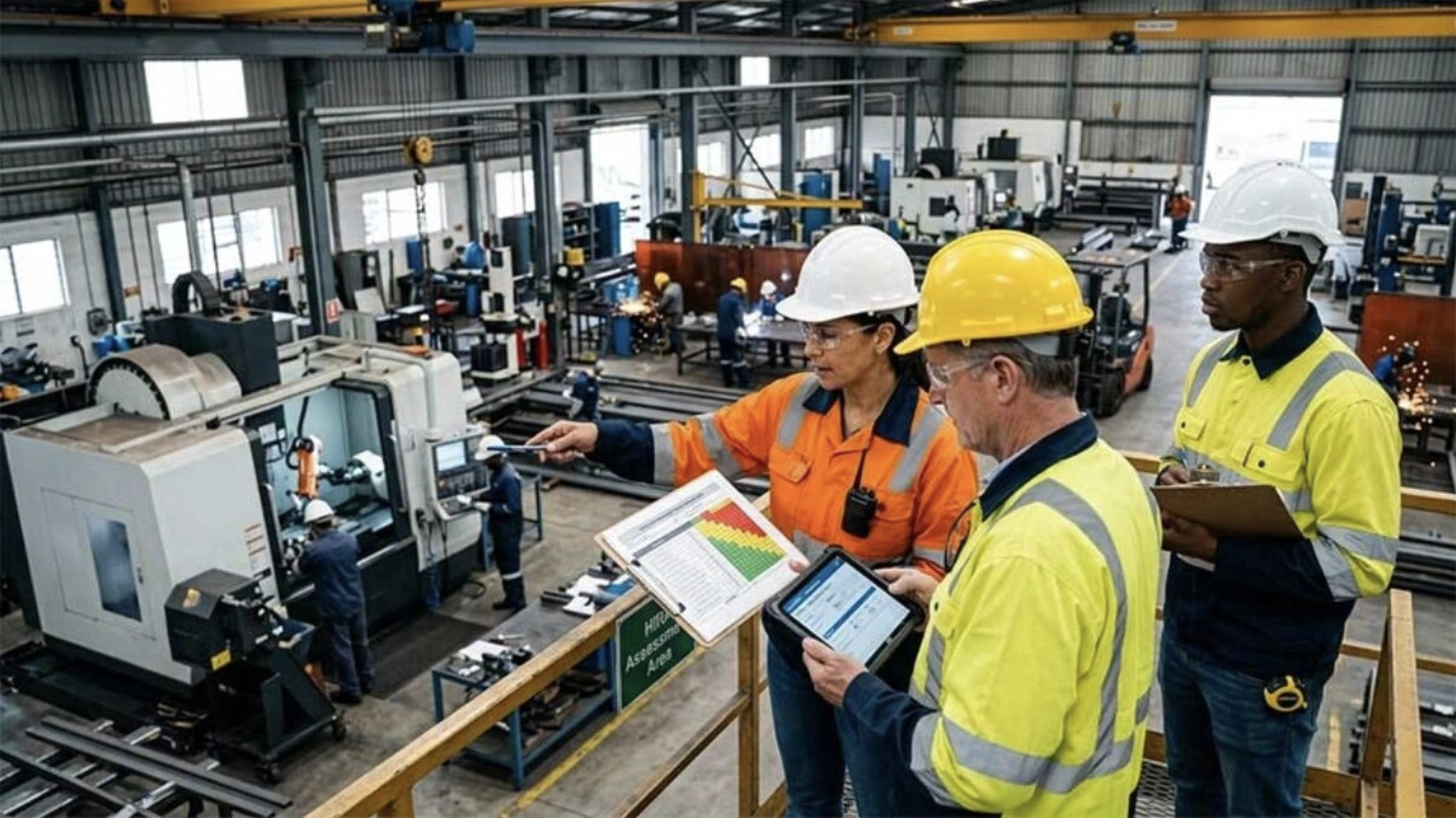
Most organizations use a risk matrix to rank their risks. This visual tool maps likelihood against consequence to label risks as low, medium, high, or extreme [2]. Such ranking helps them use their resources wisely.
To name just one example, if workers carry materials through a site and someone trips, both could get hurt—which calls for a higher consequence rating [3]. High-risk construction work like confined spaces typically falls into higher risk categories [3].
Note that WHS Regulations make risk assessment mandatory for high-risk activities such as confined spaces entry, diving work, and live electrical work [4].
Step 3: Control and Review Risks Effectively
The next big step in risk management is putting good control measures in place after checking all the risks. The hierarchy of controls gives us a clear way to handle risks, starting with the most powerful options:
- Elimination - Completely removing the hazard
- Substitution - Replacing the hazard with something safer
- Engineering controls - Physically separating people from hazards
- Administrative controls - Changing how people work
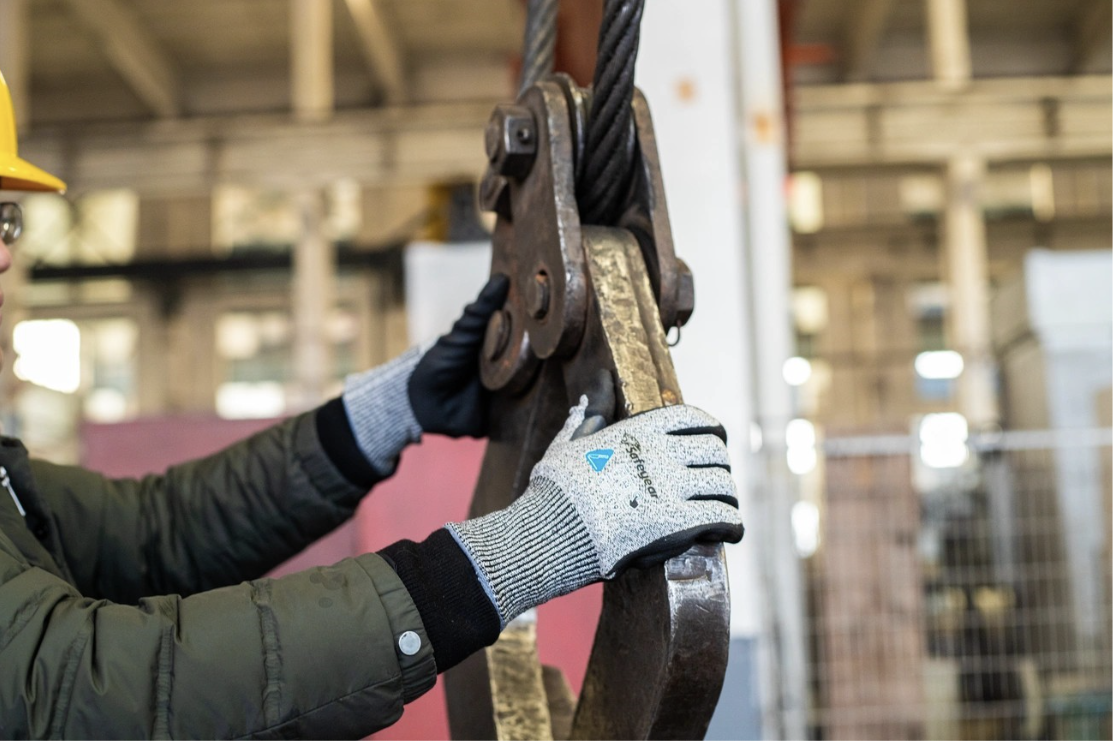
- Personal Protective Equipment (PPE) - Last line of defense
You should use multiple controls together when one control isn't enough [5]. The aim isn't to get rid of every risk but to manage them based on your organization's risk comfort level [6].
So, you need regular reviews to make sure these controls work well. It's time to review your control measures when:
- A control measure isn't working effectively
- Workplace layouts or practices change
- New equipment or processes are introduced
- New problems are identified
- Workers or health and safety representatives ask for it [7]
The core team's ownership of controls helps spot risk changes quickly [8]. Many companies now include risk management in their performance reviews and rewards systems to match employee actions with the company's risk tolerance [6].
Regular control reviews will protect everyone against workplace hazards that keep changing.
Conclusion
Becoming skilled at risk management needs dedication, watchfulness, and a systematic approach to all three steps. Safety leaders should know that risk management works beyond mere compliance. It builds a foundation for a genuinely safer workplace where employees feel valued and protected.
My experience with these processes in organizations of all sizes has taught me one clear truth: risk management never ends. Workplaces keep evolving, new equipment arrives, procedures change, and fresh hazards emerge. Regular reviews are key components of any successful safety program.
Employee participation at each step brings most important benefits to any organization. Workers have firsthand knowledge about potential hazards that management might miss during assessments. Their involvement promotes ownership of safety protocols and makes the entire system more effective and sustainable.
On top of that, it helps to document your risk management activities as evidence of due diligence if workplace incidents occur. This practice protects your workers and organization legally while creating a valuable historical record for future risk assessments.
The hierarchy of controls should guide your decisions. Elimination and substitution are nowhere near the same as administrative controls or personal protective equipment alone. Complex workplace hazards often need a combination of multiple control types for the most practical solution.
Risk management investment pays off through fewer incidents, better morale, boosted productivity, and stronger regulatory compliance. Safety leaders who adopt this structured approach change safety culture from reactive to proactive and protect their most valuable asset—their people.





































.png)





.png)
.png)
.png)
.png)
.png)
.png)
.png)

.png)
.png)
.png)
.png)
.png)
.png)
.png)
.png)
.png)
.png)
.png)
.png)
.png)
.png)
.png)
.png)
.png)
.png)
.png)


Ready to Save Lives at Work?
With Impress Solutions, you’re not just getting a service, you’re securing peace of mind with a partner you can trust. Book a free consultation today, and let’s map out how we can help you save lives at work.

.png)