Mastering Workplace Safety: Essential Guide to Hierarchy of Hazard Controls

The hierarchy of hazard control ranks safety measures from most to least effective. Random solutions cannot protect workers from workplace hazards - a methodical strategy must be in place.
This hierarchy of controls outlines the best sequence of actions to manage workplace risks. Control measures from elimination to personal protective equipment are the foundations of an accepted system that reduces potential dangers. The step-by-step approach helps organizations substantially lower worker exposures and reduce illness or injury risks. This piece explores each level of the hierarchy of hazard control measures with practical examples and implementation strategies to create a safer workplace environment.
Understanding the Hierarchy of Hazard Control Measures
The hierarchy of hazard control uses a pyramid shape to show how we can manage workplace risks based on what works best. Safety management systems in industries of all sizes around the world use this as their foundation.
Definition and Purpose of the Hierarchy of Controls
The hierarchy of controls helps eliminate or reduce workplace hazards step by step [1]. We developed it to protect workers and give safety professionals a well-laid-out way to find the best solutions for hazard control. Employers use this as a decision-making tool that shows them the most protective options before looking at less effective ones [2].
This hierarchy does more than just reduce risks. Organizations can use this universal approach to workplace safety whatever their industry or hazard type. Companies that apply these principles see lower worker exposures and fewer illnesses or injuries [1]. The hierarchy also helps organizations meet workplace health and safety regulations, which usually require the highest possible level of protection.
Why Control Measures Are Ranked by Effectiveness
Safety measures don't all protect equally, so we rank control measures from most to least effective based on how well they work [3]. This ranking pushes organizations to look at the most protective options first.
Higher-level controls target the hazard's source, making them more reliable. Lower-level controls rely on human behavior, supervision, and consistent use - factors that can vary a lot in how well they work [4].
Prevention works better than protection. Moving down the hierarchy means switching from removing hazards to managing exposure, which creates more chances for things to go wrong.
Lower-level controls might seem easier or faster to put in place, but they protect less and often cost more over time because they need constant management. The hierarchy encourages companies to make smart, long-term safety investments instead of quick fixes.
Overview of the Five Control Levels
The hierarchy of controls has five levels, ranked from most to least effective [1]:
- Elimination - Taking the hazard out of the workplace completely. This works best because it removes all risk. Examples include clearing trip hazards or doing work at ground level instead of up high [5].
- Substitution - Using safer alternatives instead of dangerous materials or processes. You might switch to safer chemicals or use processes that need less force, speed, or electrical current [5].
- Engineering Controls - Keeping people away from hazards through physical barriers or mechanical solutions. Workers can still do their jobs, but barriers keep them safe. Machine guards, noise enclosures, and ventilation systems are good examples [5].
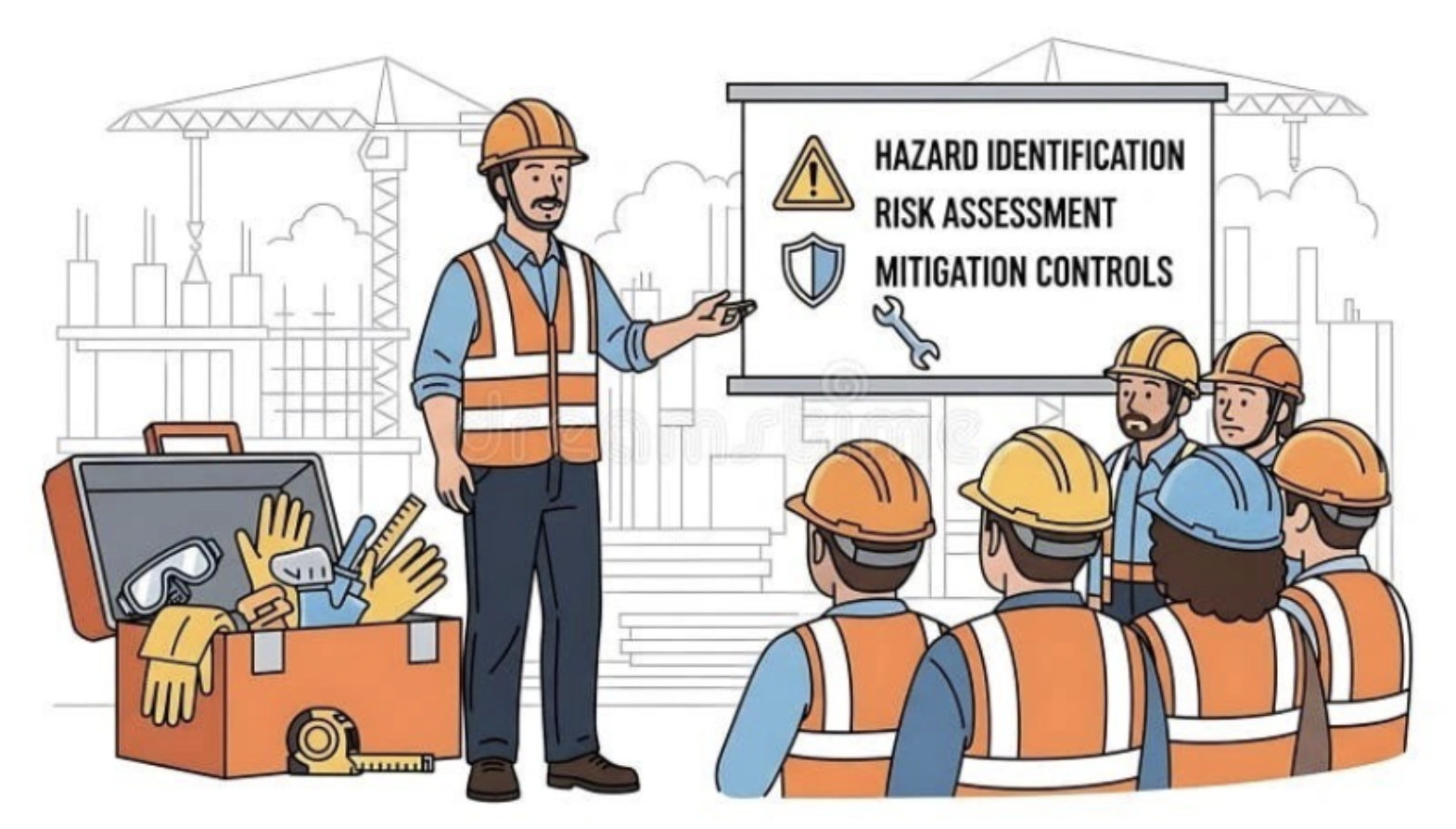
- Administrative Controls - Making work safer through procedures, training, and warnings. This means creating safe work procedures, doing inspections, rotating workers, and putting up warning signs [5].
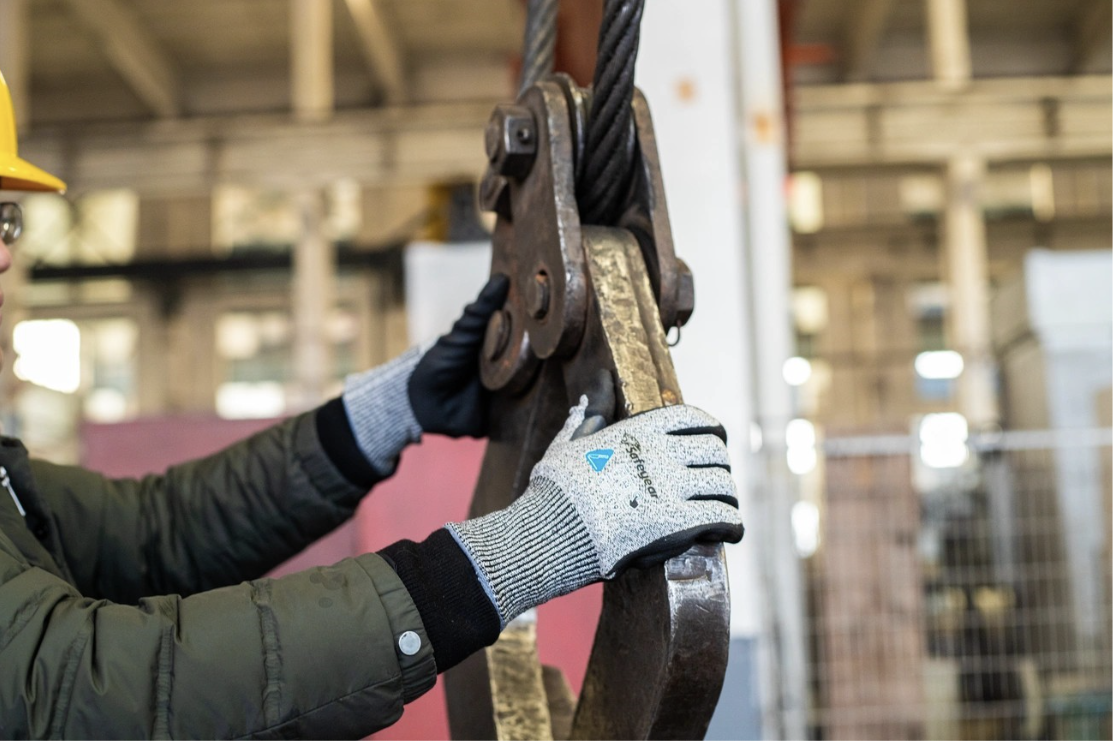
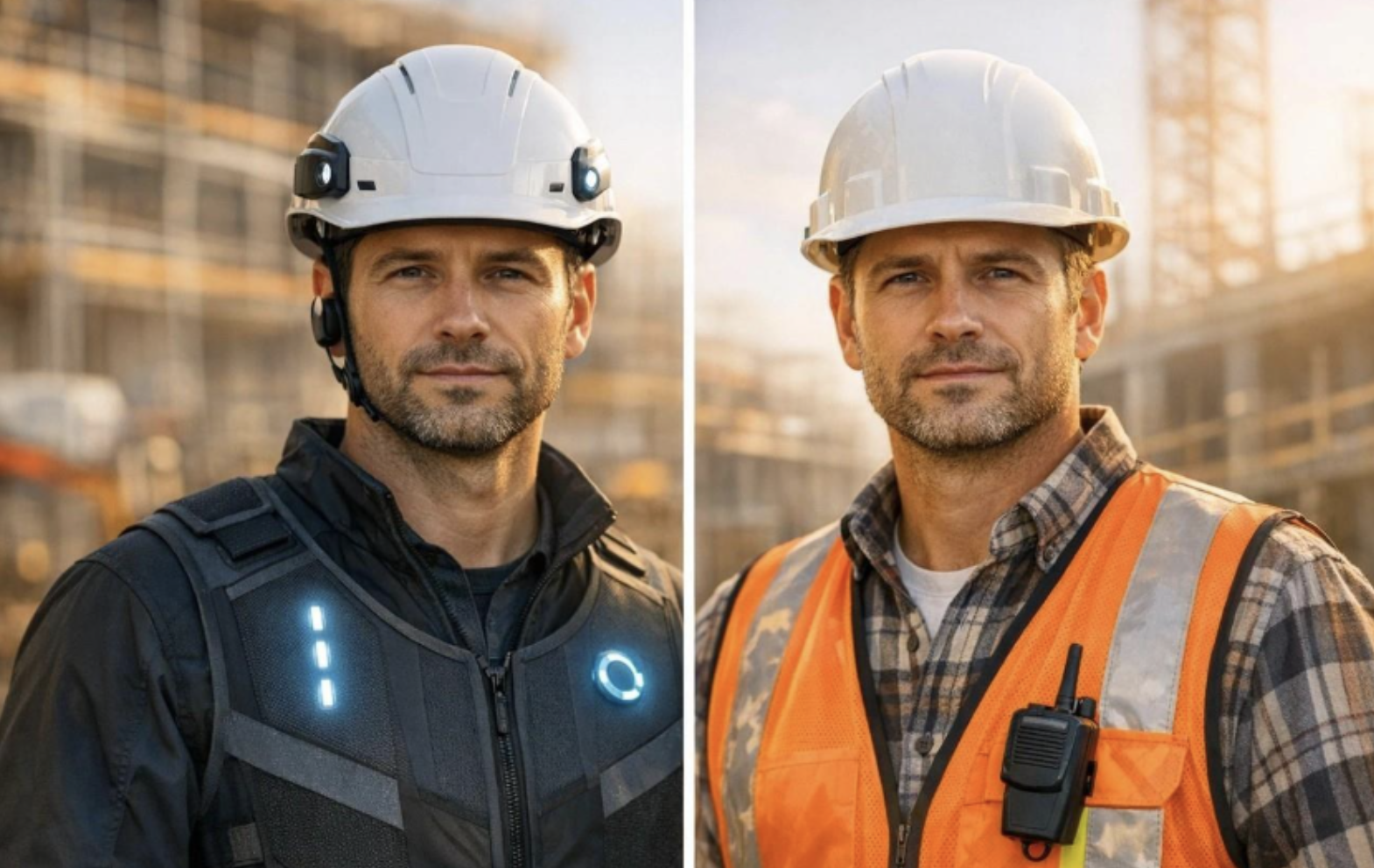
- Personal Protective Equipment (PPE) - The last line of defense using protective clothing and devices like respirators, safety glasses, and hardhats. PPE only works when people use it right and maintain it regularly [5].
Safety professionals know that protecting workers often needs controls from different levels working together [5]. They always try to use controls from the highest possible levels first.
Elimination: Removing the Hazard at the Source
The complete removal of workplace hazards sits at the top of the hazard control hierarchy. This elimination method sets the gold standard in workplace safety. It tackles risks right at their source and makes sure workers face no threats. Other control measures only manage exposure, but elimination stops harm from happening in the first place.
Examples of Elimination in Common Workplaces
Companies of all sizes use different elimination methods based on their specific workplace hazards:
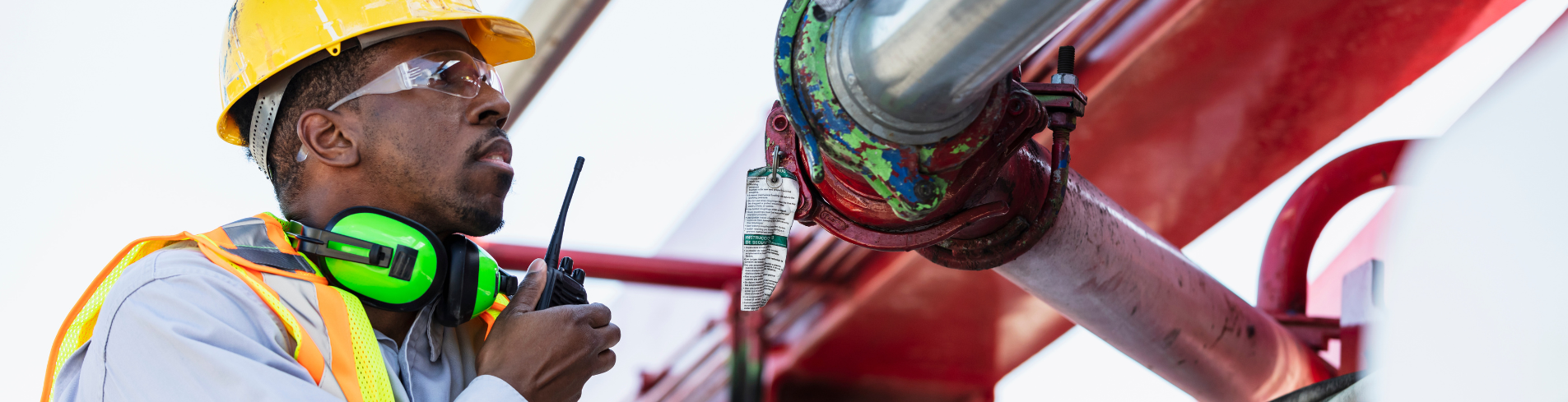
In manufacturing environments, companies remove dangerous equipment parts or redesign their processes. To name just one example, they can make workplaces safer by improving machine design, adding proper guards, and deepening their commitment to Lockout/Tagout procedures [6]. The quickest way to eliminate hazards is to stop using non-safety engineered devices and remove old equipment that could cause electrical accidents [7].
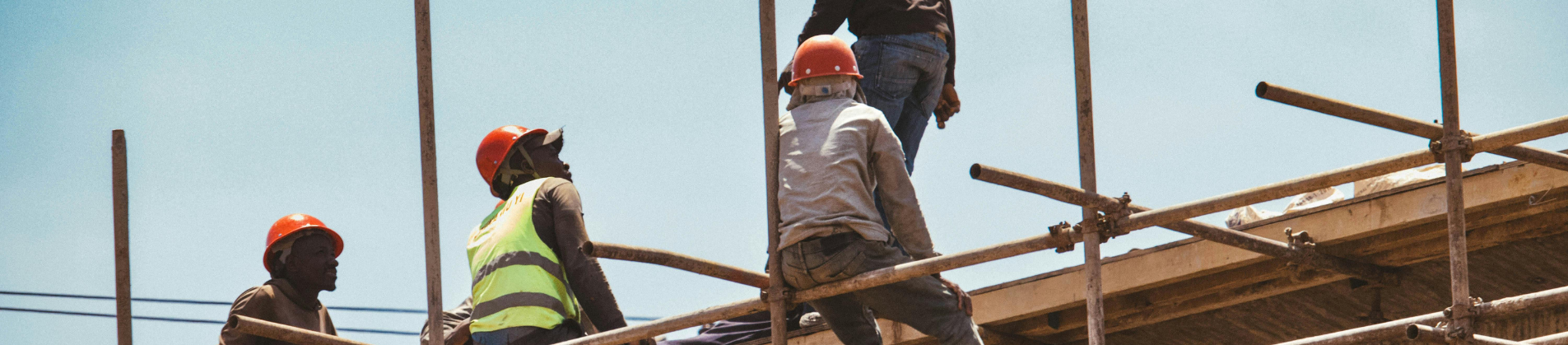
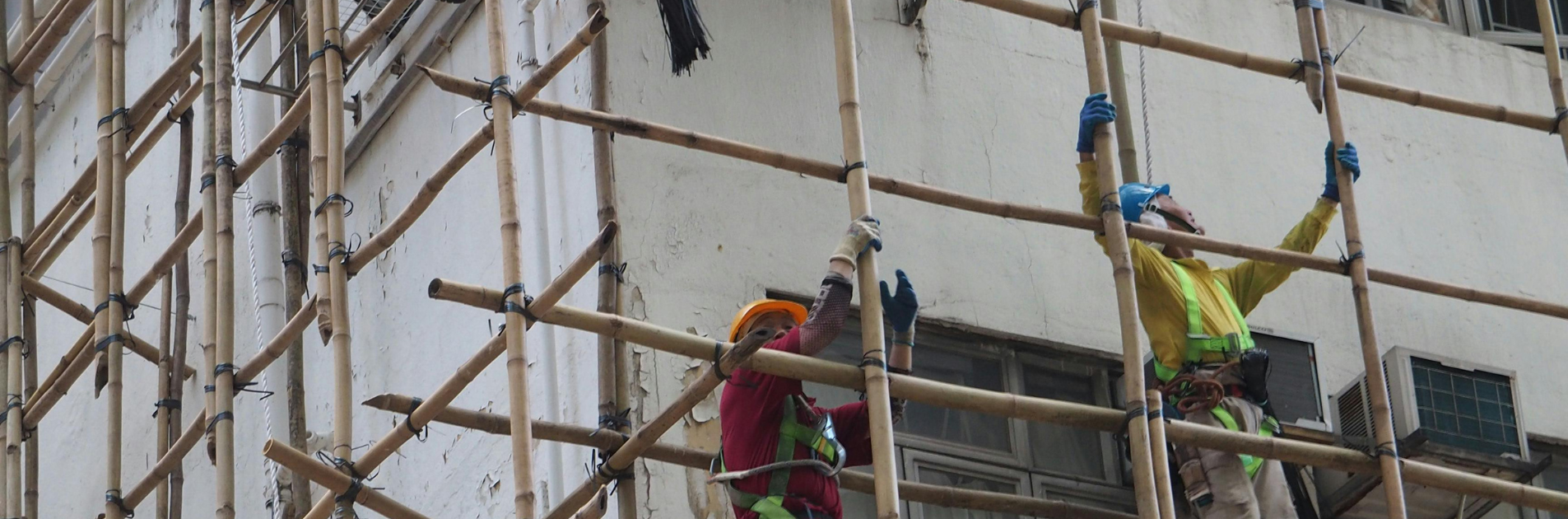
The construction industry doesn't deal very well with fall hazards, which kill more workers than any other accident in this sector [6]. While it's hard to completely avoid working at heights, construction companies can do tasks at ground level whenever possible [5]. On top of that, they stop work during bad weather to eliminate weather-related risks [8].
Healthcare settings become safer when facilities stop using non-safety engineered devices, get rid of dangerous chemicals, and eliminate dental procedures that might contain asbestos (which used to be in dental tape) [7]. These facilities also prevent needle injuries by using safety-engineered needles and proper disposal methods [6].
Retail environments focus on removing physical and ergonomic hazards. Staff clear blocked exits and take away obstacles that block safe movement [8]. Budget-friendly ergonomic workstations help prevent musculoskeletal injuries [8].
Office settings benefit from elimination too. Simple changes like ergonomic improvements and clearing trip hazards from floors make a big difference [8]. Even basic steps like cleaning up water spills on tiled floors prevent slip-and-fall accidents [8].
When Elimination Is Budget-Friendly and Doable
Elimination works best during the original design and planning stages of a product, process, or workplace [9]. Designers have more freedom to build in safety features without expensive updates. They can design out hazards or include control measures that fit with the original design and functional needs [5].
While elimination might cost more upfront than just training workers [10], it saves money in the long run. Take abrasive blasting in construction and transportation as an example: using steel shot instead of silica sand or high-pressure water eliminates silica exposure completely [11]. Steel grit costs much more per ton (AUD 917.39 vs silica sand at AUD 61.16), but the yearly cost per hour of blasting with steel grit (AUD 6.12) is nowhere near as high as silica (AUD 38.22) [11].
Elimination becomes a real option when:
- You can remove the hazard and still get work done [5]
- Safe alternatives exist that achieve the same goal [12]
- You can change the work process to remove the dangerous part [13]
Notwithstanding that, all but one of these control methods are hard to achieve [7], especially in existing processes. If you can't eliminate hazards without stopping essential services or products, focus on eliminating as many risks as possible [5]. In these cases, you'll need other control strategies too [7].
My experience shows that creative problem-solving helps eliminate many workplace risks. This creates naturally safer workplaces and reduces the need for less effective safety measures.
Substitution: Replacing the Hazard with a Safer Option
Safety experts recommend substitution as the second-best strategy in the hierarchy of hazard control measures if elimination isn't practical. This approach replaces dangerous materials, processes, or equipment with safer options that can still do the job.
A less dangerous option that maintains functionality is what makes substitution work [14]. The strategy aims to reduce harm by using alternatives that have lower toxicity levels [15]. This control measure becomes a powerful safety tool when complete removal of a hazard isn't possible.
Chemical Substitution Examples in Manufacturing
Manufacturing environments show many successful examples of chemical substitution:
Water-based solvents now replace cancer-causing benzene in many applications [15]. The switch from solvent-based to water-based paints helps reduce exposure to volatile organic compounds (VOCs) [14]. Air quality improves inside facilities and workers face fewer breathing hazards.
Healthcare facilities have moved from latex gloves to nitrile alternatives. Nitrile gloves are allergen-free and provide better chemical and protein resistance [15]. Both workers and patients stay protected from allergic reactions with this change.
Companies that used chlorofluorocarbons (CFCs) in aerosol sprays and refrigerants have switched to hydrofluoroolefins (HFOs) to protect the environment. HFOs are a big deal as they mean much lower global warming potential [15].
Food production offers another example where manufacturers replaced diacetyl (artificial butter flavoring) with 2,3-pentanedione. This change didn't work out well because 2,3-pentanedione was later found to cause similar breathing problems [16].
Evaluating New Risks Introduced by Substitutes
Finding effective substitutes needs careful evaluation to avoid trading one hazard for another—or worse, creating more serious dangers. Risk assessments after substitution become crucial [17].
The new risks must be compared against the original hazards. Teams should think about how the substitute might mix with other workplace agents [9]. The full picture includes physical properties like vapor pressure (suggesting evaporation potential), autoignition temperature, flash point, and reactivity [18].
Toxicity data analysis should cover both immediate effects and long-term health impacts. Note that similar chemicals might have comparable short-term toxicity but very different chronic effects. To cite an instance, benzene and toluene share similar acute toxic properties, but only benzene links to cancer from long-term exposure [18].
Teams should run pilot tests before full implementation to spot any:
- Performance issues with the substitute
- Adverse health impacts
- Unforeseen complications in work processes [16]
The substitution needs ongoing monitoring to stay effective and safe over time. Teams should collect employee feedback and do follow-up inspections to track performance and safety impacts [15].
Engineering Controls: Isolating People from Hazards
Engineering controls are the foundations of the third tier in the hazard control hierarchy. These controls protect workers by creating physical or mechanical barriers between them and workplace hazards. They don't completely remove the hazard like elimination or substitution would. Instead, they create protective barriers between workers and potential dangers. These measures control hazards right at the source before workers face any risk [19].
Local Exhaust Ventilation and Guarding Systems
Local Exhaust Ventilation (LEV) traps airborne contaminants right where they start, preventing them from spreading through the workplace. A good LEV system has a capture hood, ducting, air filters, a fan, and a discharge point [20]. The hood should catch contaminants as soon as they're released. It shouldn't pull air past where workers breathe [21].
LEV systems need proper maintenance to work well. Teams should check regularly for damaged hoods and ducting. They must clean any contaminant buildup and test airflow with smoke tubes or anemometers [20]. A qualified person should perform maintenance every year to keep everything running properly [20].
Machine guarding is a vital engineering control. Permanent guards built into machines keep workers away from dangerous areas. These often work with interlocking systems that stop the machine when someone removes the guards [22]. Safety features like pressure-sensing mats, light screens, and configurable scanners can spot approaching workers and stop dangerous operations automatically [22].
Designing Out Hazards in Equipment and Layout
Safe design merges control measures early in the design process. This approach reduces risks throughout a product's life [23]. The process starts at the concept phase. Designers must consider their purpose, materials, and compliance needs [23].
Good workplace layouts need proper ventilation with enough fresh air from outside. They should also have special areas for hazardous materials [2]. Risk assessment during planning helps create better safety measures [2].
Cost vs. Long-Term Benefits of Engineering Controls
Engineering controls need more money upfront than administrative controls or PPE. The long-term costs are lower, especially when protecting multiple workers [9]. Research backs up their value. The largest longitudinal study of engineering control implementation showed big drops in workers' compensation claims and costs [24].
The best engineering controls blend into original equipment design. They prevent tampering, need minimal user input, and don't get in the way of work [9]. Engineering controls give reliable protection that doesn't depend on worker behavior. This makes them more dependable than lower-tier control measures in the hazard control hierarchy.
Administrative Controls and PPE: Managing Exposure
Administrative controls and personal protective equipment (PPE) sit at the bottom of the hazard control hierarchy. They act as the last line of defense against workplace hazards. These controls play a significant role when we can't fully implement other methods, even though they're nowhere near as effective as higher-tier controls.
Training, Signage, and Work Scheduling
Administrative controls create work practices that reduce hazard exposure without removing the actual hazards. Job rotation, proper rest breaks, restricted access to dangerous areas, and adjusted line speeds are part of these controls [9]. The company needs safe work procedures and quiet break areas away from noise to implement these controls effectively [25]. Warning signs act as visual reminders that help communicate vital safety information about workplace dangers [26].
Limitations of Relying on Human Behavior
Administrative controls and PPE are the least effective measures in the hierarchy because they rely on worker compliance instead of eliminating hazards at their source [1]. These methods have clear drawbacks compared to higher-level controls:
- Don't stop hazards at the source or pathway
- Rely heavily on worker behavior and compliance
- Require consistent supervision [25]
Companies should use these controls only as a last resort, as temporary measures until better controls can be put in place, or among higher-level control methods [5].
PPE Program Requirements and Maintenance
A complete PPE program needs hazard assessment, proper equipment selection, inspection procedures, employee training, and effectiveness monitoring [9]. Companies must train employees on proper use and check if PPE remains effective regularly [4]. PPE's reliability depends on regular maintenance that includes inspection, cleaning, repair, and storage [3]. Damaged or malfunctioning PPE can create a dangerous false sense of security without proper care [3].
Conclusion
A systematic approach works better than random solutions for workplace safety. This piece explores how the hierarchy of hazard control creates a complete framework to manage workplace risks. Safety professionals can follow this five-tiered system as a clear roadmap to protect workers from potential dangers.
The system ranks controls by their effectiveness. It starts with elimination - the physical removal of workplace hazards. When you can't remove a hazard completely, substitution becomes the next best option by replacing dangerous materials with safer ones. Engineering controls then create physical barriers between workers and hazards, though they need original investment.
Administrative controls and PPE serve as the final defense layers, but they depend on human behavior. Of course, these measures play key roles when other methods don't fully work, but they have limitations.
Safety professionals should know that one control measure rarely provides total protection. Multiple layers from different hierarchy levels create better safety systems together. This approach substantially reduces worker exposure and injury risks.
The hierarchy pushes organizations to think long-term about safety investments instead of quick fixes. Higher-level controls might cost more upfront but provide better protection and lower ongoing costs. Elimination and substitution, especially when you have design phases, set the gold standard for workplace safety.
The hierarchy of hazard control works in any industry. Organizations that work through these control measures systematically create safer workplaces and meet legal requirements. The results benefit everyone: healthier workers, fewer incidents, and a stronger safety culture.




































.png)



.png)
.png)
.png)
.png)
.png)
.png)
.png)

.png)
.png)
.png)
.png)
.png)
.png)
.png)
.png)
.png)
.png)
.png)
.png)
.png)
.png)
.png)
.png)
.png)
.png)
.png)


Ready to Save Lives at Work?
With Impress Solutions, you’re not just getting a service, you’re securing peace of mind with a partner you can trust. Book a free consultation today, and let’s map out how we can help you save lives at work.

.png)