How to Implement Risk Management in Mining Industry: A Practical Guide with Real Examples
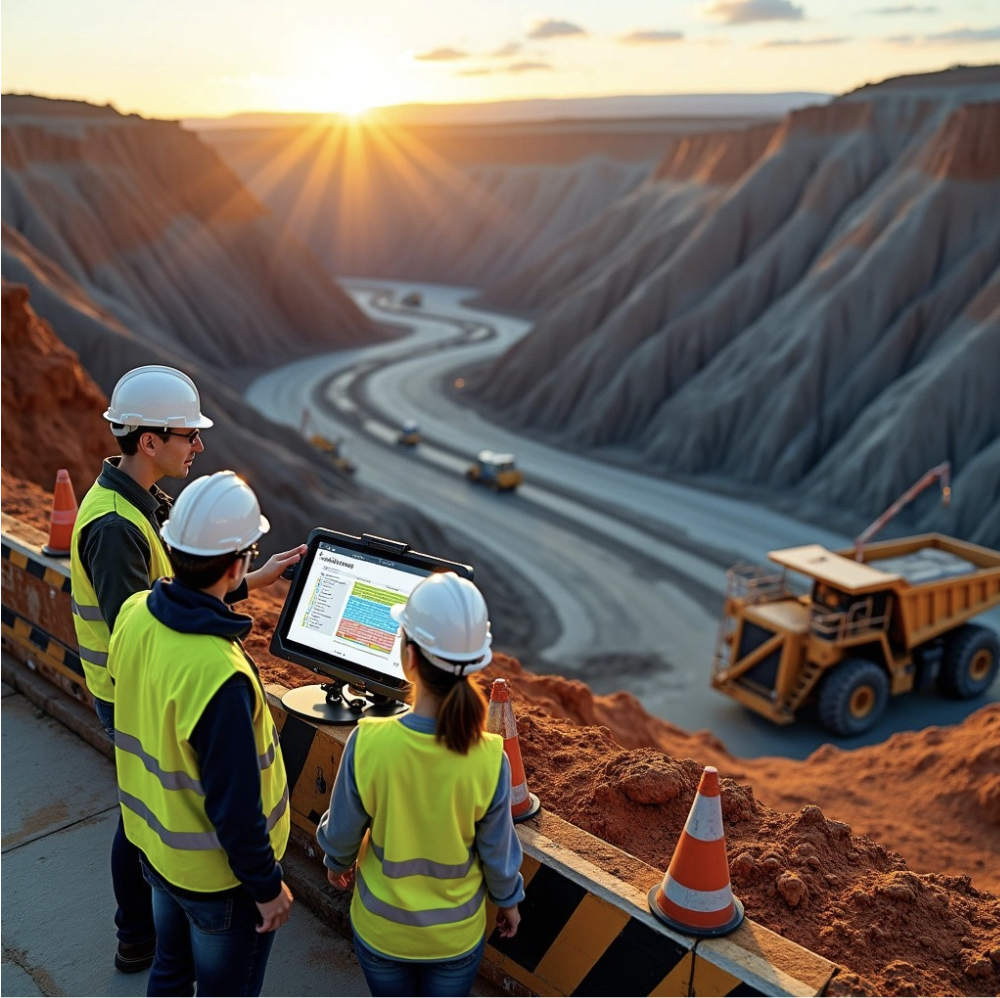
Risk management in mining industry has evolved dramatically. Principal risks reported by mining companies grew by just under 6% between 2005 and 2015 and added approximately four additional risks per company[22]. By 2015, more than 35% of companies identified cyber security as a risk exposure[22].
We've created this practical piece to walk you through implementing risk management that works at your mine site. We'll cover everything from Australian standards and WRAC risk assessment to monitoring controls and real-life examples you can apply right away.
Understanding Risk Management Fundamentals in Mining
What is Mining Risk Management
A mine safety management system (MSMS) functions as a complete framework designed to manage safety in the mining environment[31]. The system follows the Code of Practice Mine Safety Management Systems and includes everything in safety measures, from daily operations to emergency responses[31].
The Work Health and Safety Act 2020 requires all persons conducting a business or undertaking (PCBU), including mine operators, to ensure the health and safety of workers and other persons is not put at risk from any work carried out as part of the business or undertaking[1]. This means eliminating or minimizing risks to health and safety, so far as is reasonably practicable[1].
"Risk" is defined as "effect of uncertainty on objectives"[2]. Risk management is defined as the "coordinated activities to direct and control an organization with regard to risk"[2]. Mining presents a range of hazards due to the dynamic and varied nature of tasks and environments. These can range from industry specific hazards, such as principal mining hazards that have the potential to result in multiple fatalities, to other hazards such as moving parts of plant or those common in many work environments, such as falls from height, lifting heavy objects and slips and trips[1].
The MSMS ties all health and safety related policies, plans and processes together into one system. This ensures there are no gaps in the management of all health and safety risks, and that all the elements work in a coordinated way[3].
Key Components of a Risk Management System
The MSMS must contain a level of detail appropriate to the mine having regard to the nature, complexity and location of the mining operations, and the risks associated with those operations[1]. The system must be set out and expressed in a way that any person who uses it can understand easily[1].
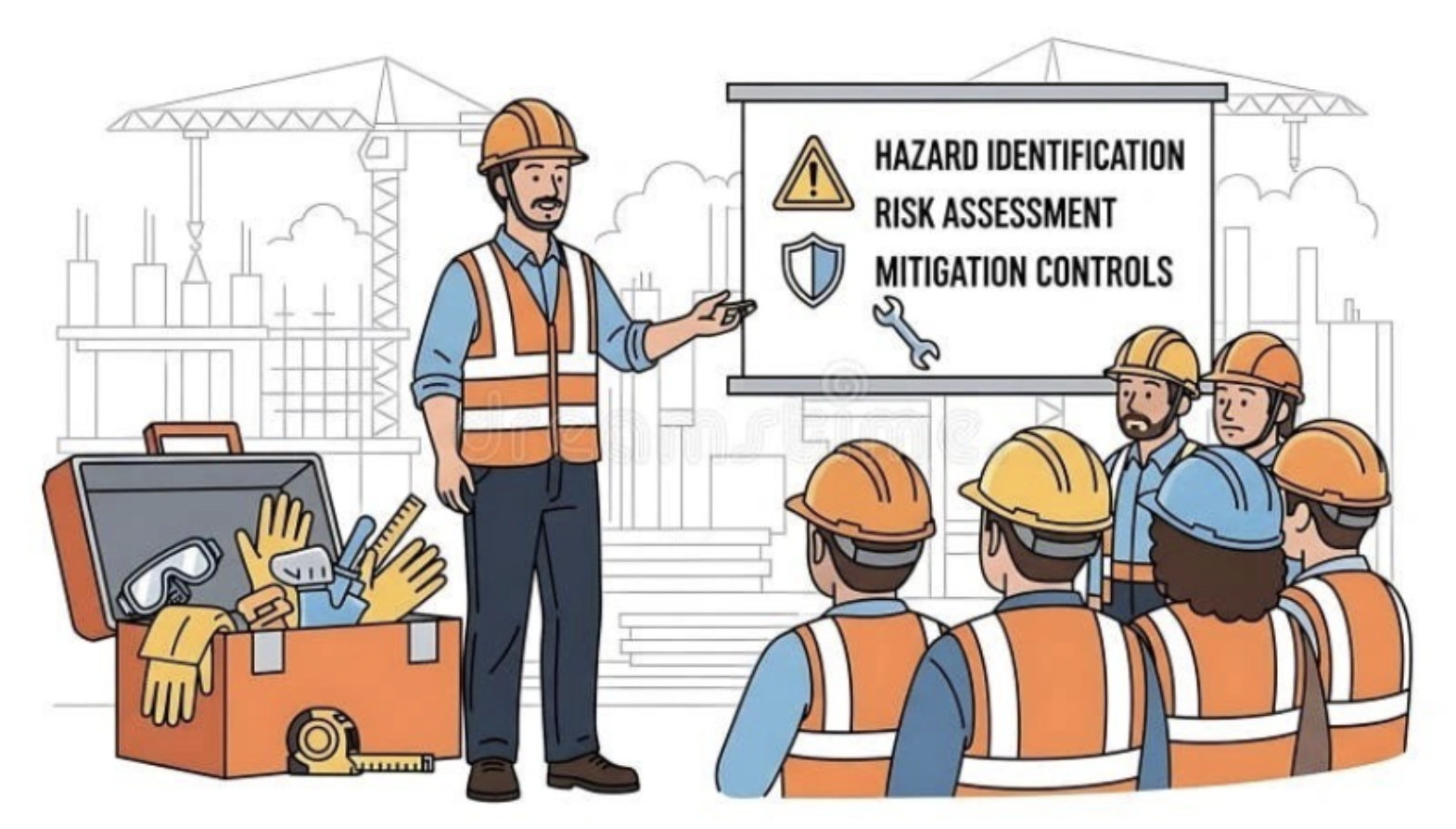
The processes for managing risks are the core of the MSMS. The risk management process involves the following steps[3]:
- Identifying hazards: Find out what could cause harm to health and safety
- Assessing risks: Understand the nature of the harm that could be caused by the hazard, how serious the harm could be and the likelihood of it happening
- Managing risks: So far as is reasonably practicable, eliminate the hazard and associated risk or minimize the risk through the implementation of effective risk control measures based upon the hierarchy of control
- Reviewing: Control measures to ensure they are working as planned
The MSMS covers the entire lifecycle of a mine site. This includes planning, design, construction, commissioning, operation, maintenance and closure[1]. The requirement to establish and implement the MSMS also applies to exploration operations[1].
The mine operator needs to ensure that what is set out in the MSMS is followed in practice to implement the system. Adequate resources need to be provided for its implementation[1]. Monitoring of mining operations ensures that what is planned in the MSMS is implemented in practice[1]. Most mines follow a 'plan-do-check-act' structure to ensure continuous improvement[4].
Australian Standard for Risk Management in Mining
The risk management process described in AS/NZS ISO 31000:2018 Risk Management - Principles and Guidelines is one way of achieving a methodical approach to the management of risk[32]. Consistent implementation allows risks to be identified, analyzed, evaluated and managed in a uniform and focused manner[32].
ISO 31000 recommends that risk management be based on three core elements: a set of principles that describes the attributes of good risk management, which support the creation and protection of value; a risk management framework that provides a structure for risk management within an entity or activity that is underpinned by leadership and commitment; and a risk management process that prescribes a tailored approach to understanding, communicating and managing risk in practice[32].
The mining industry follows best practice guidelines outlined by the International Council on Mining and Metals (ICMM) in their Good Practice Guide to Health and Safety Critical Control Management and Implementation Guide Critical Control Management[31].
Step 1: Establish Your Mining Operation Context
Establishing the context within your risk management process provides the overall direction setting and rationale for the entire program[2]. This first step determines how you will approach operational risk management in the mining industry at your site. Skip it and you get disconnected assessments that fail to address your actual business environment.
Define Your Mining Environment
Context establishment under the Australian standard for risk management requires you to think about both external and internal factors[2]. External factors have your relationships with external stakeholders and their perceptions. They also cover the local, national and international environments (legal, regulatory, economic and sociopolitical aspects). Industry-specific elements such as competition and technological factors matter too. Natural conditions like seismicity and precipitation round out the picture[33]. These factors affect your company's business objectives directly and must be documented.
Internal factors speak to your company's governance approach. This has structure, standards, policies, objectives, roles and responsibilities, accountabilities and decision-making processes[33]. You also need to account for contractual relationships and internal capabilities (intellectual and financial capital, technology and systemic resources). Your organizational culture plays a role here[33].
The scope represents a critical document that outlines the design of your risk assessment or series of related assessments[2]. Your scope must have the risk assessment objective, boundaries, methodologies, resourcing and timeframe at a minimum[2]. Review of current industry risk assessment practices shows that hazards, though recognized, are sometimes not completely understood before unwanted events are identified and risks analyzed[2].
Identify Internal and External Stakeholders
Mining operations are undertaken in complex and dynamic social and political environments[34]. Multiple stakeholder groups populate and shape this often-volatile environment. Financiers, environmental activists, local and Indigenous communities, regulators, peak bodies and mining companies all play a part[34]. The multiple views and expectations of these diverse groups inform social license to operate conferrals, withdrawals and debates[34].
ICMM members commit to implement effective risk-management strategies and systems based on sound science, which account for stakeholder perceptions of risk[35]. This means you must identify and involve key corporate-level external stakeholders on eco-friendly development issues in an open and transparent manner[7]. The license to operate poses a most important threat as a leading risk to the survival of mining operations heading into the future[36].
Your stakeholder identification process should map the complex drivers and interactions of multiple groups operating in your social and political environment[34]. This has understanding stakeholder perceptions and expectations around responsible mining practices, which affect your risk management priorities directly.
Set Your Risk Management Objectives
The board of directors has responsibility to ensure that your key risks are identified and managed appropriately[33]. The board and senior management agree on the company's mission and values. Management creates strategic objectives consistent with them[33]. These strategic objectives then underpin the functional and business unit operational objectives designed to ensure company success[33].
The president and chief executive officer should have overall accountability for managing risk and ensuring the implementation and effectiveness of your risk management program[33]. Together with the management team, the CEO is accountable for establishing an appropriate 'tone from the top' and promoting a strong risk management culture[33]. The CEO, chief financial officer and chief risk officer should be responsible for ensuring that management clearly defines and annually reviews a risk appetite statement for the organization along with risk tolerance limits or capacity in respect of key business performance parameters[33].
Step 2: Identify Hazards Across Your Mine Site
Hazard identification forms the foundation of any effective risk management program in mining. The HAZID process is the original step and the most important one, as mining hazards that are not identified cannot be assessed and therefore managed actively[37]. Your approach to systematic hazard identification becomes critical to operational risk management success in the mining industry.
Conduct Detailed Hazard Identification (HAZID)
The risk management process frames itself around three key principles: identifying hazards that may present a risk to workers and others, assessing the consequences and likelihood of those risks, and controlling them[38]. The identification phase requires a structured workshop approach. An independent risk consultant helps run it, with participants representing each relevant section of the workforce[37].
A two-staged approach delivers full results. First, identify the key activities or processes within your existing and planned mining activities. Second, review each activity using a guide words approach as a technique to identify any safety hazards[37]. The guide words included in regulations cover ground control, slope stability, rock falls, seismic activity, water or semi-solid inrush, mining plant, heavy transport equipment, fires or explosions, airborne dust, radiation/reactive grounds, dangerous openings, and tailings[37].
Your HAZID team should include various engineering disciplines such as Process, Mechanical and Electrical, along with operations, maintenance and safety personnel, plus the project manager if applicable[39]. An independent chair provides an unbiased and objective point of view on the process safety assessment and keeps the team focused on the task[39].
Use Checklists and Historical Data
The Chief Executive Officer's Mining Hazards Database contains information about hazards associated with mining operations and methods of controlling those hazards. This includes references to safety alerts, recognized standards and external publications[40]. The Small Mines Safety Management Kit provides base points to think about when developing principal hazard management plans, principal controls plans, emergency management, contractor management, and other policies and procedures required for your safety management system[41].
Principal mining hazards require particular attention. These hazards have the potential to cause multiple deaths or recurring incidents[38]. You must prepare a principal mining hazard management plan for each principal mining hazard present at your mine site. Address ground or strata failure, inundation or inrush of any substance, mine shafts and winding operations, roads or other vehicle operating areas, air quality or dust or other airborne contaminants, fire or explosion, gas outbursts, and spontaneous combustion[38].
Involve Your Workforce in Identification
Employees must undergo full training to understand the hazards they may encounter and how to reduce them[42]. Hazard training and HIRA training (Hazard Identification Risk Assessment) prepare workers for safe practices in mining[42]. These programs educate employees on the importance of alertness and encourage them to participate with safety measures.
Regular safety inspections of the mine by qualified personnel make it possible to recognize hazards such as loose rock, unstable ground conditions or damaged equipment[43]. Workers should be aware of possible hazards associated with their tasks so they can follow safe work practices that reduce injury risk[43].
Step 3: Assess and Analyze Mining Risks
Once you've identified hazards across your mine site, the assessment phase transforms that raw data into applicable information about where your operation faces the greatest exposure.
Determine Likelihood and Consequence
Risk assessment is the process and associated documentation used to determine the risk of a major mining hazard event taking place at a prescribed mine[44]. You calculate risk by thinking over the likelihood of an event occurring along with the severity of its consequences[44]. This dual-variable approach is the foundation of operational risk management in mining industry.
You must think about the varying levels of effect a single event may have during a risk assessment[44]. A worst case scenario might result in multiple fatalities, but the same event could also result in less severe outcomes such as lost time injuries or medical treatment injuries[44]. Regulations require all identified events to be assessed for any harm to any person, not just focused on the worst case scenario of multiple fatalities as a result[44].
You need to think over likelihood with care. Record any assumptions and comments regarding this decision, and note that you should think over the likelihood of any harm to any person[44]. When you assess potential severity of harm, record assumptions and comments while thinking over harm to any person and recognizing there may be several different severities from a single event[44]. You must also assess the effectiveness of any existing controls, and note that controls are rarely perfect as you think over how well each control would work in each scenario that applies[44].
Apply WRAC Risk Assessment Method
WRAC is a qualitative risk assessment method that allows understanding of risks and identifies the priority of risks[45]. This proactive or pre-event approach gets into any or all parts of your work site to ensure risks are understood and controlled to a reasonable level[46]. WRAC is a participative approach for identifying potential production or maintenance operational losses, designed to be applied when an organization wants to understand its risks and identify the priority or highest risks in its operation[46].
The WRAC approach provides benefits, including the involvement of workers who may be exposed to the hazard being assessed[47]. The WRAC rating is not based on ground data but the cumulative perceptions of individual participants in the process[47]. The risk rating is influenced by the size of the data population that sits behind the assessment, determined by the geographical area from where data is drawn and the length of time or history over which it is drawn[47].
Prioritize Risks Using Risk Matrix
Risk matrices provide a convenient way of expressing the likelihood and severity of events[44]. Stakeholders must agree on the definitions of likelihood and severity before using the matrix[44]. Each box in the risk matrix is color-coded so that severe risks are red and low risks are green[44].
Add each hazard that could cause an event by placing them in the appropriate box based on their likelihood and severity once the risk matrix is prepared[44]. You must complete this exercise with appropriate stakeholders, including HSRs, relevant experts and affected employees[44]. You can prioritize its risk and allocate appropriate effort and resources to addressing it once you have entered each hazard or combination of hazards into your risk matrix[44].
Document Your Risk Assessment Process
Your risk assessment documentation must include the objective of assisting in effective management of risks by identifying which risks are most in need of reduction and the options for achieving that reduction, along with which risks need ongoing management and the nature of that management[48]. A risk assessment report should include a brief description of machinery or equipment being studied, a summary of context from strategic and corporate viewpoints, a list of people involved in risk identification with their organizational roles, an outline of the approach used to identify risks, and an outline of the method adopted for assessing likelihood and consequences[48].
Step 4: Implement Controls Using the Hierarchy
Once you've assessed and documented your risks, the next phase changes to implementing controls. Mine operators must eliminate risks associated with mining hazards so far as is reasonably practicable. If elimination proves impossible, reduce the risk through substitution, isolation, engineering controls, or a combination of these measures[49].
Apply Elimination and Substitution First
The hierarchy of control identifies a preferred order of actions to best control hazardous workplace exposures[50]. Elimination removes the hazard at the source and stands as the most effective control measure[51]. You eliminate a hazard and no exposure can occur. To name just one example, you can eliminate the risk of a fall from height by performing work at ground level. You can also remove trip hazards on the floor to eliminate the risks they create[52].
Substitution means changing out a material or process to reduce the hazard[50]. This involves replacing something hazardous with a less hazardous alternative. You think about a substitute and compare the potential risks of the substitute to the original risks[51]. You might switch to a less hazardous material or use battery-powered equipment instead of diesel-powered to reduce emissions exposure.
Design Engineering and Isolation Controls
Engineering controls reduce exposure by preventing hazards from coming into contact with workers while still allowing them to perform their jobs[50]. These controls prove more effective because they control exposures without much human interaction[51]. Physical barriers, guards around moving parts of machinery, pedestrian-sensing systems and speed-governing mechanisms all qualify as engineering controls[52].
Isolation separates workers from the hazard by distance or barriers[53]. You can use concrete barriers to separate pedestrians from powered mobile plant and install guard rails around holes. You can also design workplaces with enclosed cabins to isolate workers from dust-generating tasks[54].
Establish Administrative Controls and PPE
Administrative controls change how work gets done or provide workers with more information through procedures, training or warnings[50]. These controls rank lower in effectiveness because they do not remove or reduce the hazard at the source[55]. They rely on worker compliance and behavior and require constant supervision[55]. Examples include job rotation, restricted access to hazardous areas, proper maintenance programs and safety signage.
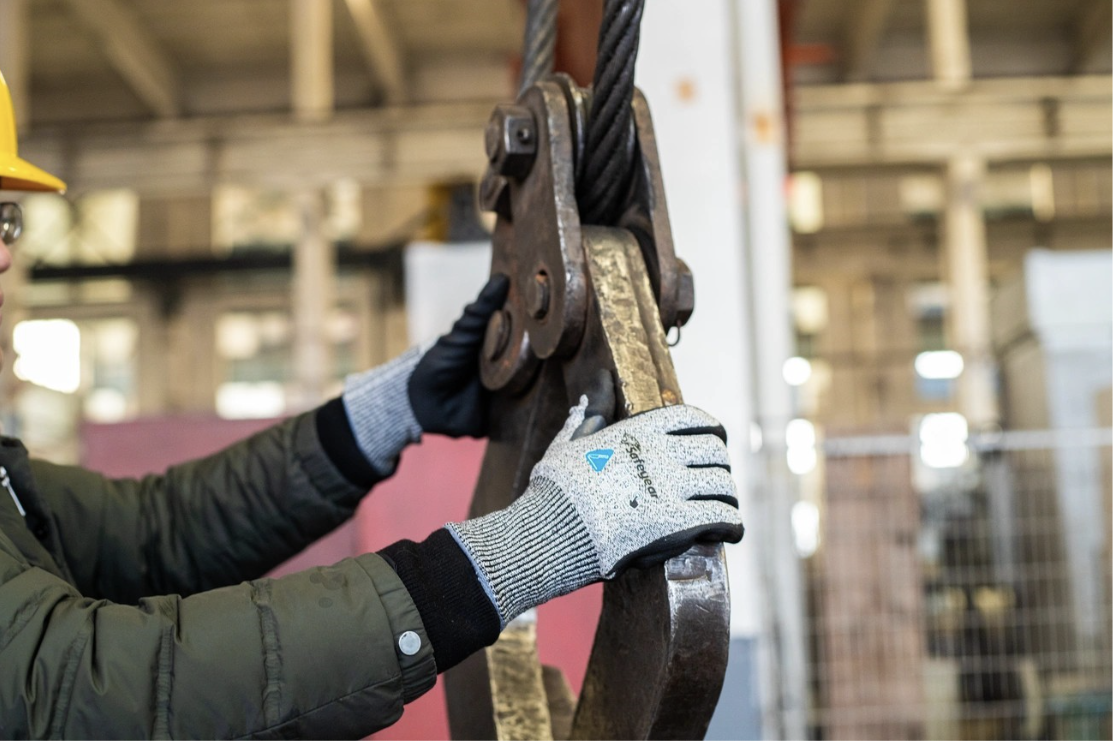
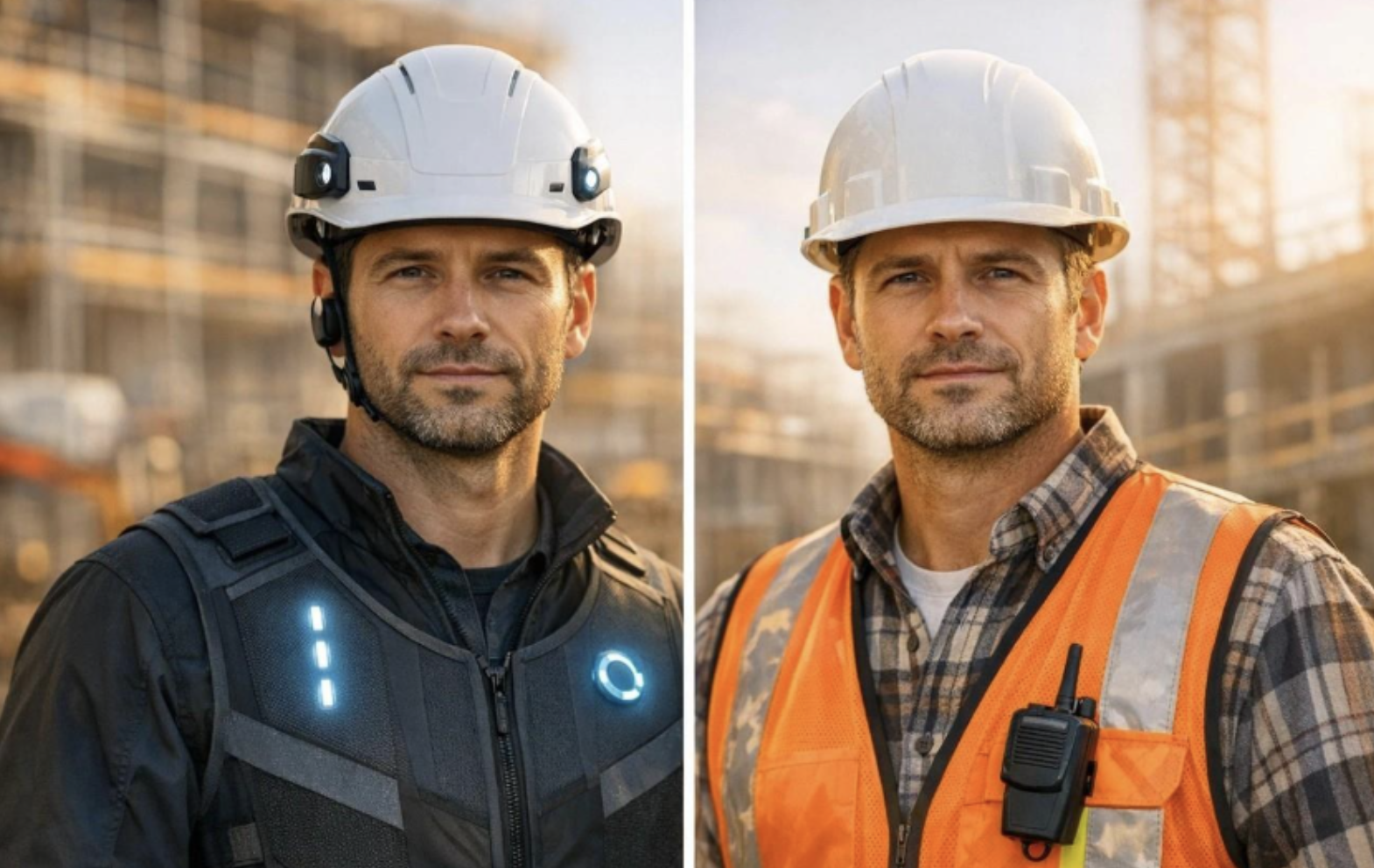
Personal protective equipment represents the last line of defense. PPE has anything workers use or wear to minimize risks to their health and safety[52]. Higher-order controls should be adopted before resorting to PPE[54]. PPE limits exposure to harmful effects only if workers wear and use it correctly. This makes it the least reliable protection method when used alone.
Ground Example: Controlling Vehicle Interaction Risks
Adverse vehicle interactions present a most important hazard on roads or other vehicle operating areas in mining operations, with the potential to cause fatalities and serious injury[15]. In the last 50 years, Queensland open cut coal mines have seen 14 fatalities occur from mobile equipment and vehicle accidents, with 8 of these resulting from collisions[16].
Hard controls manage this risk well. Collision avoidance technology, specifications for mine road design including intersections and parking areas, segregation of light and medium vehicles from heavy mobile equipment, and restricted access in operating circuits through Active Mining Areas or High Risk Zones at dig faces and dump areas all function as engineering-level controls[16]. All controls for mobile equipment and vehicle interactional hazards should be treated as critical controls[16]. Vehicle monitoring systems with cameras fitted on equipment have resulted in major decreases in incidents and equipment damage at mines implementing this technology[16].
Step 5: Meet WHS Compliance and Regulatory Requirements
Meeting compliance obligations is a non-negotiable component of risk management in mining industry operations. The Work Health and Safety Act 2020 introduced new duties that extend beyond traditional employer-employee relationships. Mine operators must understand their expanded responsibilities under Australian standard for risk management frameworks.
Understand PCBU Duties in Australian Mining
A person conducting a business or undertaking (PCBU) covers sole traders, each partner within a partnership, companies, unincorporated associations and government departments or public authorities[6]. Under the WHS Act, all PCBUs have a main duty of care to ensure worker health and safety while they are at work[6].
This main duty requires PCBUs to eliminate risks to health and safety, so far as reasonably practicable. Where elimination proves impossible, they must minimize those risks[6]. The duty extends to ensuring provision and maintenance of safe working environments, plant and structures, systems of work and facilities for workers. PCBUs must also provide information, training, instruction or supervision to protect persons from risks[6].
Officers of a PCBU carry a personal, non-delegable duty to exercise due diligence. This ensures the PCBU complies with its statutory WHS obligations[17]. Breach of this duty can lead to criminal prosecution and attract monetary and custodial penalties[17]. PCBU responsibilities are not transferable. They cannot be outsourced to another party[18].
Manage Contractor Compliance
Contractor participation at a mine creates mutual obligations and arrangements among various duty holders. They must maintain a safe workplace[19]. Mining company members and contractors share the workplace and therefore share responsibility for everyone's health and safety at the site[19]. This requires information, consultation, cooperation and coordination between duty holders[19].
Duty holders cannot 'contract out' of health and safety responsibilities. This applies no matter how long the chain of contracting and subcontracting is at a site[19]. A compliance priorities assessment of thirty-eight operating sites between December 2020 and June 2021 revealed substantial deficiencies. The assessment resulted in two Section 195 prohibition notices, twenty-seven Section 191 improvement notices and twenty-nine Section 23 notices of concern[20].
Develop Safe Work Method Statements (SWMS)
PCBUs must prepare a safe work method statement before commencing high risk construction work[21]. The duty to prepare a SWMS rests with the PCBU of the workers undertaking the high risk construction work[21]. The SWMS must identify the work that is high risk construction work and state the hazards and risks to health and safety from that work. It must detail the measures selected to control those risks and describe how the risk control measures will be implemented[21].
Step 6: Monitor Controls and Maintain Active Risk Registers
Most risk registers fail after the workshop. They get filed, reviewed at intervals, and pulled out again after an event or during an audit[22]. That approach represents archiving, not monitoring. Operational risk management in the mining industry needs current signals that show whether controls are holding.
Move from Static to Active Risk Monitoring
A static hazard register functions as a compliance artifact. A dynamic one becomes an operational tool[5]. The difference matters most in mining, where the gap between a scheduled review cycle and actual site conditions can be measured in lives. Up-to-the-minute update capability reduces the lag between hazard identification and control deployment[5]. A supervisor logs a new hazard and the risk matrix recalculates. The relevant control gets assigned and the updated record sits ready before the next crew rotation[5].
Track Leading and Lagging Indicators
Leading indicators measure activities, behaviors, systems and conditions that influence future safety outcomes[9]. These give advance warning about what might be going wrong[23]. Common examples are safety training completion, hazard identification rates, corrective action closure rates and pre-start inspections completed[9]. Lagging indicators measure events that have already occurred and reflect end results of past safety performance[9]. Total recordable incident rate, lost-time injury frequency rate and workers' compensation claims fall into this category[9].
The strongest sites build a short list of risk indicators around their major hazards and operating constraints[22]. A workable monitoring set has three layers: critical control status shows whether the key barrier is in place and verified, work system health suggests whether the broader system is drifting, and operational pressure signals show whether production conditions are changing exposure[22].
Use Digital Platforms to Get Up-to-the-Minute Oversight
A global mining major used digital twins to turn vibration signals into maintenance action. The company reduced unplanned downtime by over 30% and achieved AUD 15.29 million in savings every year[24]. The platform combines production, safety, environmental and maintenance data from every site into a unified view[24]. Mobile verification apps capture field evidence through photos, checklists, notes, GPS and timestamps[25]. Up-to-the-minute dashboards provide live visibility of verified versus overdue controls, high-risk work and exceptions across sites of all types[25].
Ground Example: Monitoring Critical Control Status
Critical controls require clear performance standards and defined ownership[8]. Each critical control must have a defined method to verify it, with frequency and responsibility assigned[11]. The verification and reporting plan must have an MUE owner, a critical control owner responsible to monitor health through review of verification activity reports, and a verification activity owner responsible to undertake and report outcomes[13]. The critical control owner gathers information regarding each critical control and reports to the MUE owner at a defined frequency[13]. Performance below threshold should trigger action that varies from an investigation to an order to stop the relevant work processes[13].
Step 7: Review, Audit and Continuously Improve
Conduct Regular Risk Reviews
WHS laws require reviewing control measures under specific circumstances. You must review the measure if it no longer controls the risk, a workplace change occurs that affects effectiveness, a new hazard gets identified, consultation indicates a review is necessary, or an incident requiring regulator notification happens[26]. You must record the causes, work health and safety matters arising, and recommendations to prevent recurrence after notifiable incidents. You must also document outcomes of any control measure reviews and a summary of safety management system changes[26].
The nature of risks changes over time[27]. Regular reviews revise high and medium risk lists and generate new risk action plans. They also update the risk register[27]. More extensive formal reviews occur at major milestones or when most important strategy changes happen. Major external circumstance moves also trigger these reviews[27].
Learn from Incidents and Near Misses
Near-miss incidents represent equivalent learning opportunities as accidents but without injury or damage[10]. Around 82% of surveyed mining employees experienced near-miss incidents. This highlights a critical reporting gap[14]. Analysis shows that 9 out of 47 fatal accidents in Queensland mines were preceded by near-miss incidents[14].
Measure Success with Risk Management KPIs
Key performance indicators provide quantifiable measurements to evaluate risk management progress[28]. Track production variance to forecast and equipment availability measured between fleets. Geotechnical stability should be tracked through continuous monitoring[29].
Common Challenges and Practical Solutions
Overcoming Separation of Safety from Production
Sites struggle at the time they separate safety from production. This creates blind spots where schedule pressure changes exposure but no one updates the assessment[22]. The misalignment between stated safety priorities and day-to-day behaviors or decision-making represents one of the consistent organizational factors recurring in high-consequence events[12]. Production pressures that override safety concerns can cause operations to exceed facility capacities[30].
Avoiding Over-Reliance on Static Scoring
A matrix score from a workshop doesn't tell you whether controls remain effective after roster changes, contractor turnover, or equipment faults[22]. Many safety management systems are dense and procedural. They're built around long risk registers and checklists. This makes it hard for teams to see which risks are most critical, which controls prevent disaster, and who is accountable for keeping them working[12]. The result is drift. Gaps open up in implementation, early warning signs are missed, and controls that look solid on paper fail under pressure[12].
Building Systems for Use, Not Just Audit
The system fails at its core function at the time documents look complete but crews don't use them to make work decisions[22]. Critical Control Management takes a different approach. It identifies and prioritizes the small number of controls needed to prevent specific material unwanted events[12].
Ground Example: Managing Shutdown Contractor Risks
A maintenance shutdown brings multiple contractor crews into one processing area. The biggest problem isn't one isolated hazard but the interaction between simultaneous tasks, isolations, access routes, permits, and compressed timing[22]. Stronger sites manage this by setting interface controls early and arranging permits with isolations. They verify competencies before mobilization, clarify who controls each area, and review scope changes daily[22].
Conclusion
You now have a complete roadmap to implement risk management that works at your mine site. Above all, note that the difference between a compliance document and a working system lies in active monitoring and continuous improvement.
Begin with the fundamentals: establish context, identify hazards, assess risks using WRAC and apply the hierarchy of controls. Transform your risk registers from static files to dynamic tools that reflect live site conditions.
Success comes from integrating safety with production decisions, not treating them as separate functions. Verify your critical controls, keep your workforce participating and build your systems for daily use, not just audits. Risk management works when it becomes how you operate, not what you document.
References
[1] - https://www.worksafe.wa.gov.au/mine-safety-management-system-0
[3] - https://www.glencore.com.au/dam/jcr:a80e3889-4baf-4687-9551-d4ac23f28f50/0000-85-MN-013-002.pdf
[4] - https://www.worksafe.vic.gov.au/mine-safety-management-system
[6] - https://www.worksafe.wa.gov.au/person-conducting-business-or-undertaking-pcbu
[7] - https://www.icmm.com/en-gb/our-principles/mining-principles/principle-10
[8] - https://www.icmm.com/en-gb/guidance/health-safety/2026/ccm-good-practice-guide
[9] - https://fatiguescience.com/blog/leading-vs-lagging-indicators-health-and-safety
[12] - https://www.icmm.com/en-gb/our-work/health-and-safety/critical-control-management
[14] - https://www.academia.edu/87740769/Analysis_of_near_miss_incidents_NMI_reporting_in_mining_operations
[15] - https://www.resources.nsw.gov.au/about-us/have-your-say/mining-vehicle-interaction-controls
[16] - https://www.qmihsconference.org.au/wp-content/uploads/qmihsc-2016-concurrent-bulger.pdf
[17] - https://www.gtlaw.com.au/insights/new-western-australia-work-health-and-safety-whs-laws-commence
[18] - https://newcastlesafetyservicing.com/pcbu-responsibilities-in-the-mining-industry/
[19] - https://www.worksafe.wa.gov.au/publications/contractors-engaged-mining-operations-guide
[21] - https://www.safework.sa.gov.au/industry/construction/safe-work-method-statements
[22] - https://safetyspace.co/mining-risk-management
[23] - https://www.icmm.com/en-gb/guidance/health-safety/2012/indicators-ohs
[27] - https://broadleaf.com.au/work/risk-assessment-of-a-mine-development-strategy/
[29] - https://www.spiderstrategies.com/kpi/industry/mining/
[30] - https://www.businessthink.unsw.edu.au/articles/mining-safety-contractor-management-risks
[33] - https://papers.acg.uwa.edu.au/d/1905_16_Gagnon/16_Gagnon.pdf
[35] - https://www.icmm.com/en-gb/our-principles/mining-principles/principle-4
[36] - https://www.sciencedirect.com/science/article/pii/S0301420723005627
[38] - https://www.safework.sa.gov.au/industry/mining-and-quarrying/safety-in-the-mining-industry
[39] - https://www.finch-consulting.com/hazid-in-process-safety-what-is-a-hazid-and-when-to-use-them/
[42] - https://mshasafetyservices.com/hazard-identification-in-mining-a-critical-component-for-safety/
[44] - https://www.worksafe.vic.gov.au/how-conduct-risk-assessment
[46] - https://www.integralskills.com.au/wp-content/uploads/IGA-019-Risk-assessment-workbook-for-mines.pdf
[47] - https://www.qmihsconference.org.au/wp-content/uploads/qmihsc-2016-keynote-clough.pdf
[49] - https://www.worksafe.vic.gov.au/mine-hazards-and-risk-control
[50] - https://www.osha.gov/sites/default/files/Hierarchy_of_Controls_02.01.23_form_508_2.pdf
[51] - https://www.cdc.gov/niosh/hierarchy-of-controls/about/index.html
[52] - https://www.worksafe.vic.gov.au/hierarchy-control
[53] - https://www.ccohs.ca/oshanswers/hsprograms/hazard/hierarchy_controls.html



































.png)






.png)
.png)
.png)
.png)
.png)
.png)
.png)

.png)
.png)
.png)
.png)
.png)
.png)
.png)
.png)
.png)
.png)
.png)
.png)
.png)
.png)
.png)
.png)
.png)
.png)
.png)
.png)
.png)
.png)


Ready to Save Lives at Work?
With Impress Solutions, you’re not just getting a service, you’re securing peace of mind with a partner you can trust. Book a free consultation today, and let’s map out how we can help you save lives at work.

.png)