Understanding FMEA: What Failure Mode Effects Analysis Really Means for Your Quality Process

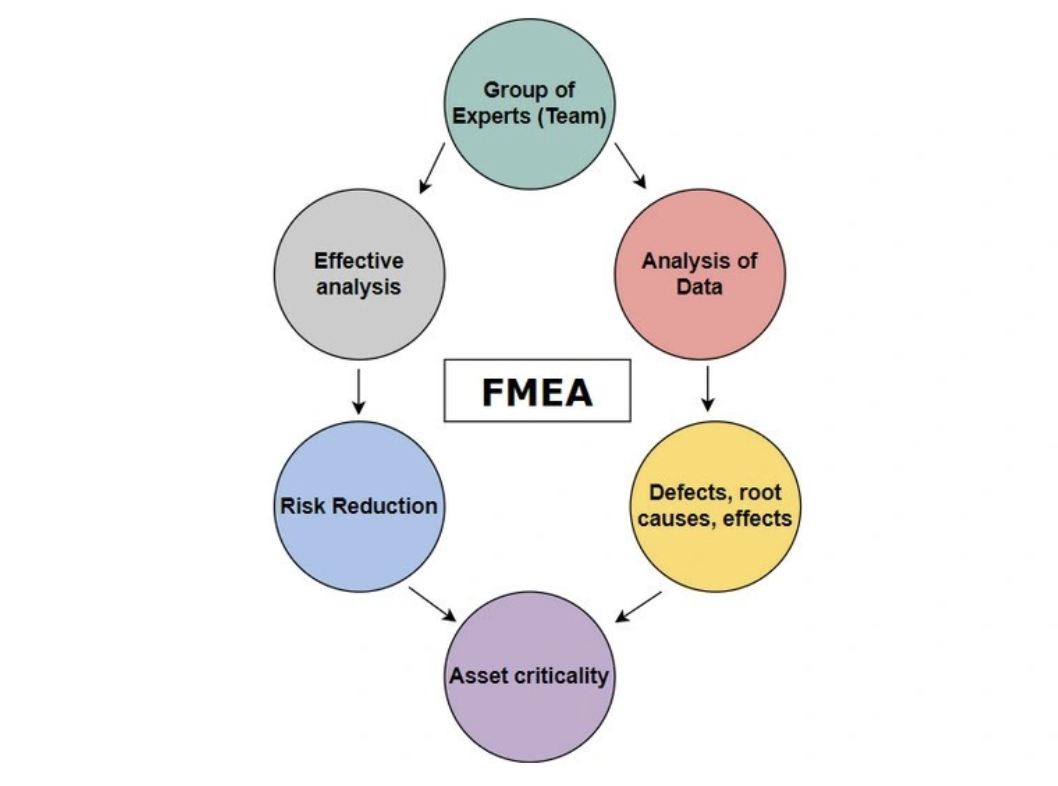
FMEA is a systematic analysis tool that helps us identify and address potential failures before they occur. This structured approach makes organizations able to improve reliability and performance by tackling issues at the design or process stage, so enhancing overall quality.
Understanding the FMEA meaning and what is FMEA becomes especially important when you have your process, product, or service being designed, redesigned, or evaluated. Failure mode and effects analysis FMEA helps organizations understand and prioritize risks. This makes informed decision-making and effective resource allocation possible. Throughout this piece, we'll explore the FMEA analysis process step-by-step and get into different types of failure mode fmea. We'll also provide practical fmea example applications to strengthen your quality process.
What is FMEA (Failure Mode and Effects Analysis)
Failure Mode and Effects Analysis represents a structured methodology that allows organizations to anticipate failures during the design stage. It identifies all possible failures in a design or manufacturing process. The approach consists of two distinct parts. Failure modes refer to the specific ways a process, product, or service can fail to perform its intended function. Effects analysis gets into how these failures lead to waste, defects, or harmful outcomes for customers and operations.
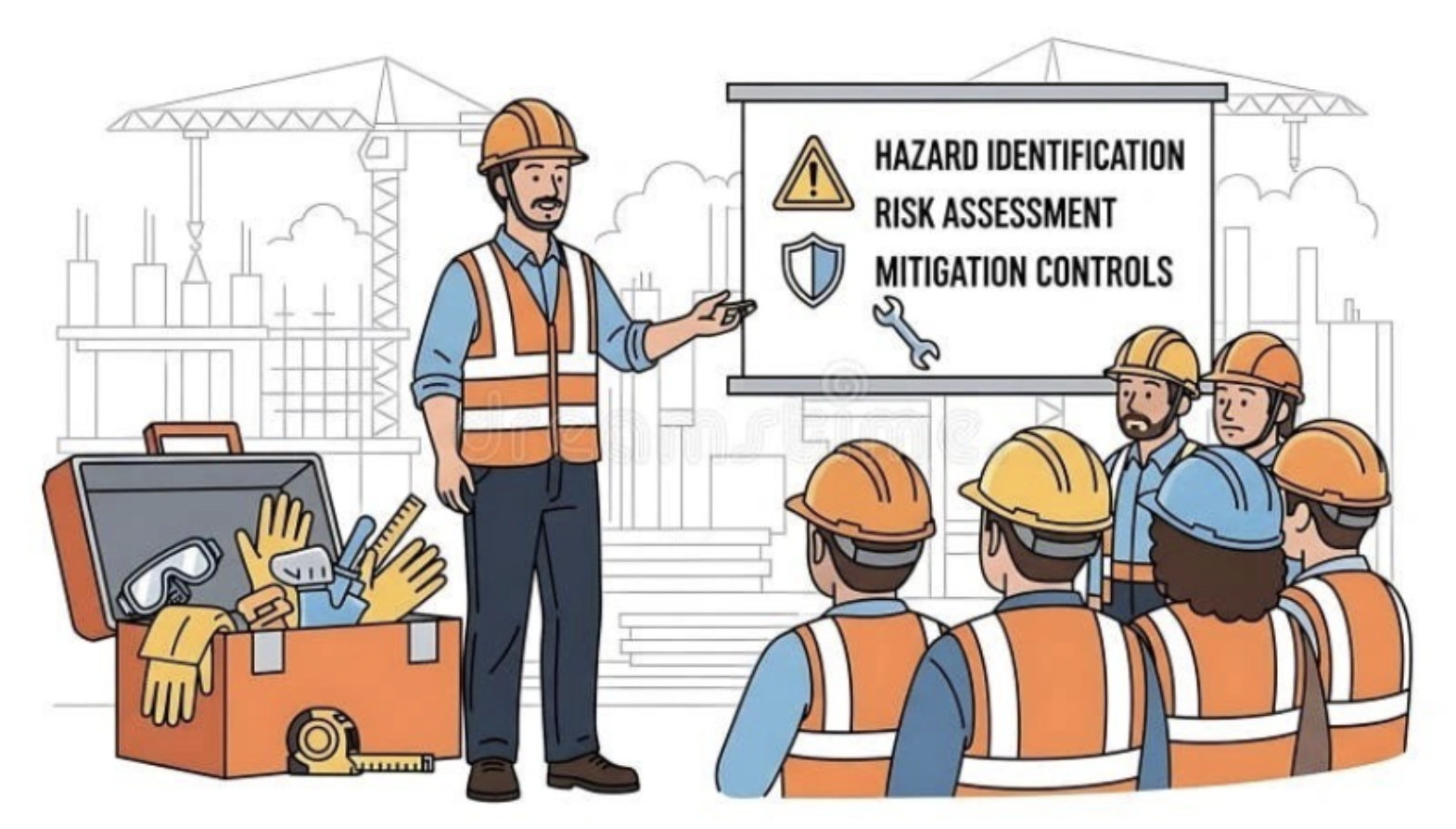
FMEA functions as a risk assessment tool designed to identify, prioritize, and limit potential failure modes before they affect production or end users. The methodology doesn't replace sound engineering practices. Good engineering improves when you apply the collective knowledge and experience of a cross-functional team to review design progress and assess failure risks.
Organizations deploy FMEA when designing, redesigning, or evaluating a process, product, or service. Many more applications exist. These include implementation after quality function deployment, applying an existing process in a new way, developing control plans for modified processes, and analyzing failures in current operations. The timing matters. Early failure discovery in development provides multiple mitigation choices and higher verification capability. You also get better design for manufacturing and lower cost solutions compared to late-stage discovery.
The FMEA Analysis Process: Step-by-Step Guide
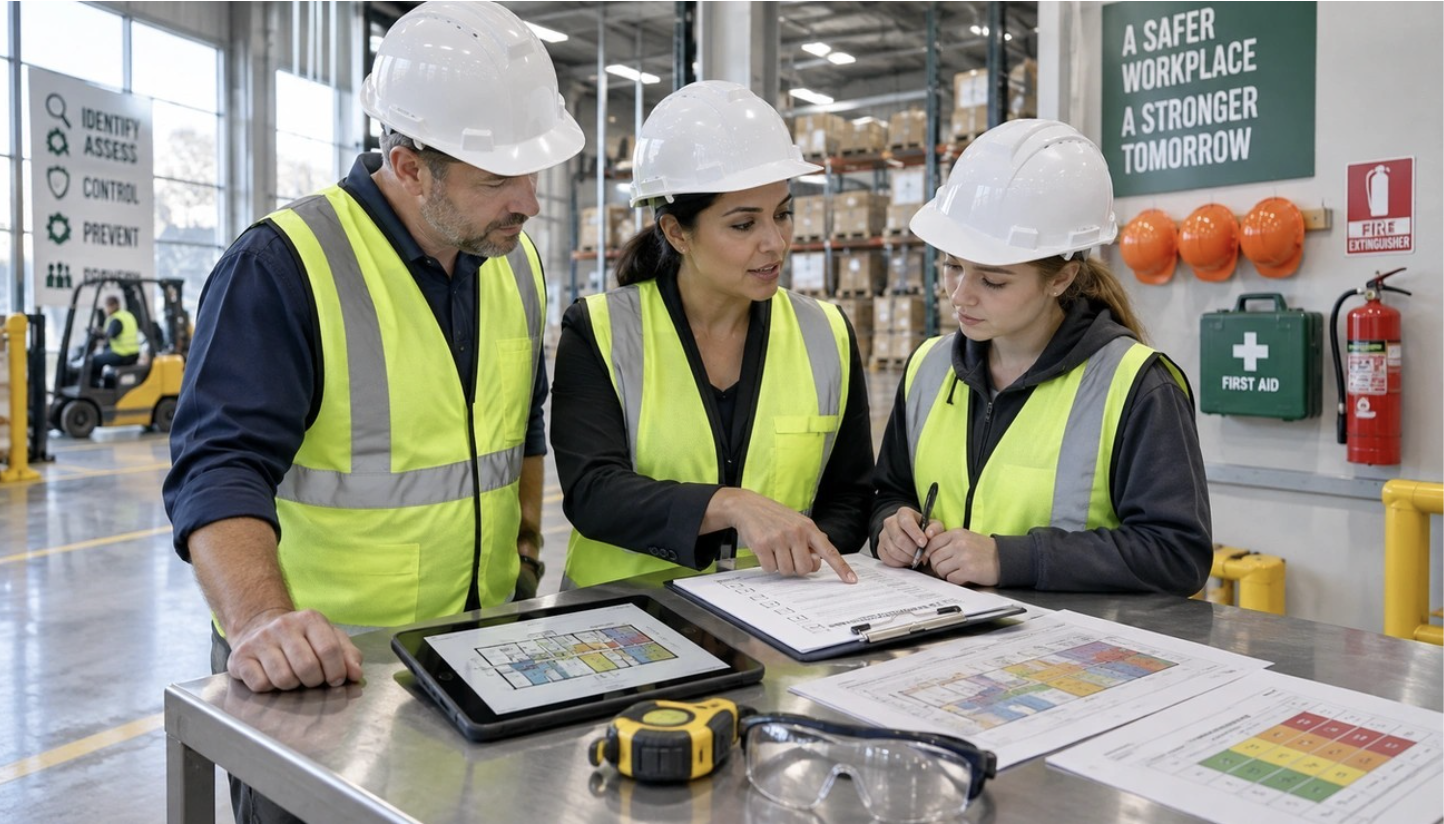
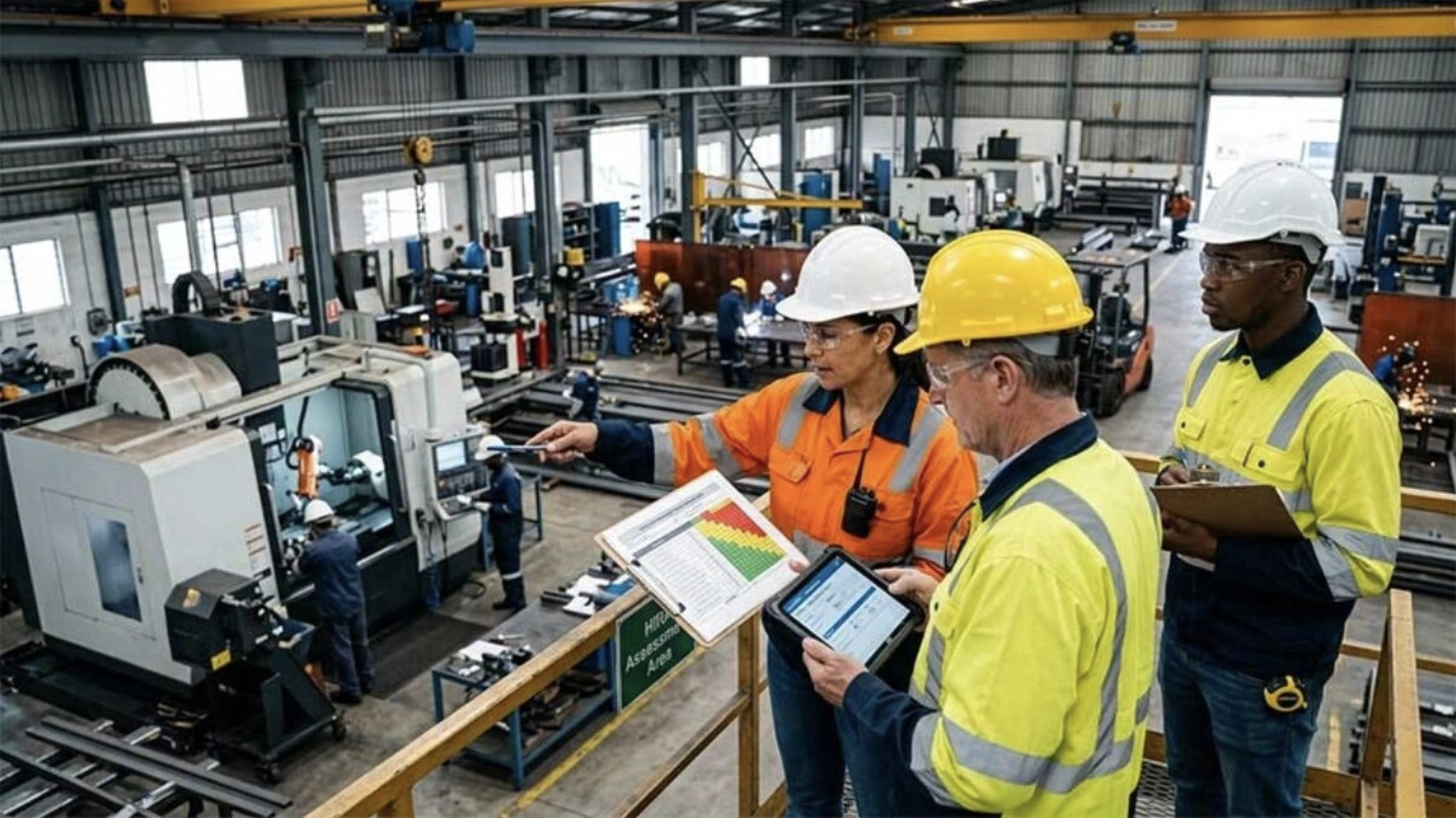
An FMEA analysis follows a methodical sequence that begins with assembling a cross-functional team of 4 to 6 people [1]. Team members come from design, manufacturing, quality, testing, and reliability [2]. This diverse composition brings varied points of view to identify potential failures that single-discipline teams might overlook.
The team first defines the scope and determines whether the analysis covers a concept, system, design, process, or service [2]. Flowcharts help identify boundaries and ensure every team member understands what falls within the analysis. Next, the team identifies scope functions by asking what customers expect the system, design, process, or service to do [2]. The scope breaks into subsystems, items, parts, assemblies, or process steps to clarify the function of each component.
For each function, the team brainstorms potential failure modes. This represents the most important activity in FMEA [2]. They then identify consequences for each failure mode by asking what customers experience when failures occur [2]. Severity ratings on a scale from one to 10 calculate how serious each effect is, where one is insignificant and 10 is catastrophic [2]. The team then determines root causes and rates occurrence likelihood. They review current controls and assign detection ratings. The Risk Priority Number comes from multiplying Severity × Occurrence × Detection, scoring between 1 and 1,000 [3]. Higher RPNs indicate more concerning risks that require immediate corrective actions.
Types of FMEA and Real-World Applications
Organizations apply FMEA through specialized variants that target different aspects of product development and manufacturing. Design FMEA focuses on identifying potential design flaws during the product design phase and assesses risks at system, subsystem, or component levels. DFMEA uncovers failures associated with material properties, geometry and tolerances before production starts. Automotive manufacturers use DFMEA to assess braking systems. Medical device companies apply it to ensure safety checks for equipment like insulin pumps.
Process FMEA assesses risks within manufacturing or production processes and identifies inefficiencies and deviations that could affect product quality. PFMEA gets into human factors, materials, machines and measurement systems on process performance. Pharmaceutical manufacturers implement PFMEA to maintain contaminant-free production environments and reduce recall risks. PFMEA assumes design-related failures have been addressed and concentrates only on process issues, unlike DFMEA's focus on product design.
System FMEA gets into how different subsystems interact within broader systems. This makes it ideal for complex systems like automotive electrical systems or aircraft components. Software FMEA addresses risks specific to software logic and execution, analyzing how software reacts to hardware failures. Industries with strict quality standards integrate multiple FMEA types. Aerospace applies DFMEA during landing gear actuator design. It uses System FMEA to ensure smooth component interaction across aircraft systems.
Conclusion
FMEA serves as your systematic defense against costly failures that affect quality and customer satisfaction. This methodology transforms how we approach risk management by changing from reactive problem-solving to proactive prevention. Whether you implement Design FMEA, Process FMEA, or System FMEA, the core principle remains constant: identify potential failures early when solutions cost less and options remain abundant. Begin your FMEA experience by assembling a cross-functional team and tackle your most important process or product design challenge.
References
[1] - https://qualitytrainingportal.com/resources/fmea-resource-center/assembling-an-fmea-team/
[3] -https://www.6sigma.us/six-sigma-articles/risk-priority-number-rpn/










































.png)








.png)
.png)
.png)
.png)
.png)
.png)
.png)

.png)
.png)
.png)
.png)
.png)
.png)
.png)
.png)
.png)
.png)
.png)
.png)
.png)
.png)
.png)
.png)


Ready to Save Lives at Work?
With Impress Solutions, you’re not just getting a service, you’re securing peace of mind with a partner you can trust. Book a free consultation today, and let’s map out how we can help you save lives at work.

.png)