7 Proven Risk Mitigation Strategies to Protect Your Business in 2026


Risk mitigation is the action your organization takes to reduce the likelihood or effect of threats that could derail your business. Organizations that neglect it face financial losses, legal penalties and lasting reputational damage[32]. In fact, customers expect you to prioritize their safety. Failure to do so erodes trust and your competitive edge[32].
A strong risk mitigation strategy requires a step-by-step approach to identify, assess and manage threats[33]. In this piece, we'll walk you through seven proven risk mitigation strategies to safeguard your business in 2026, from risk assessment to employee training.
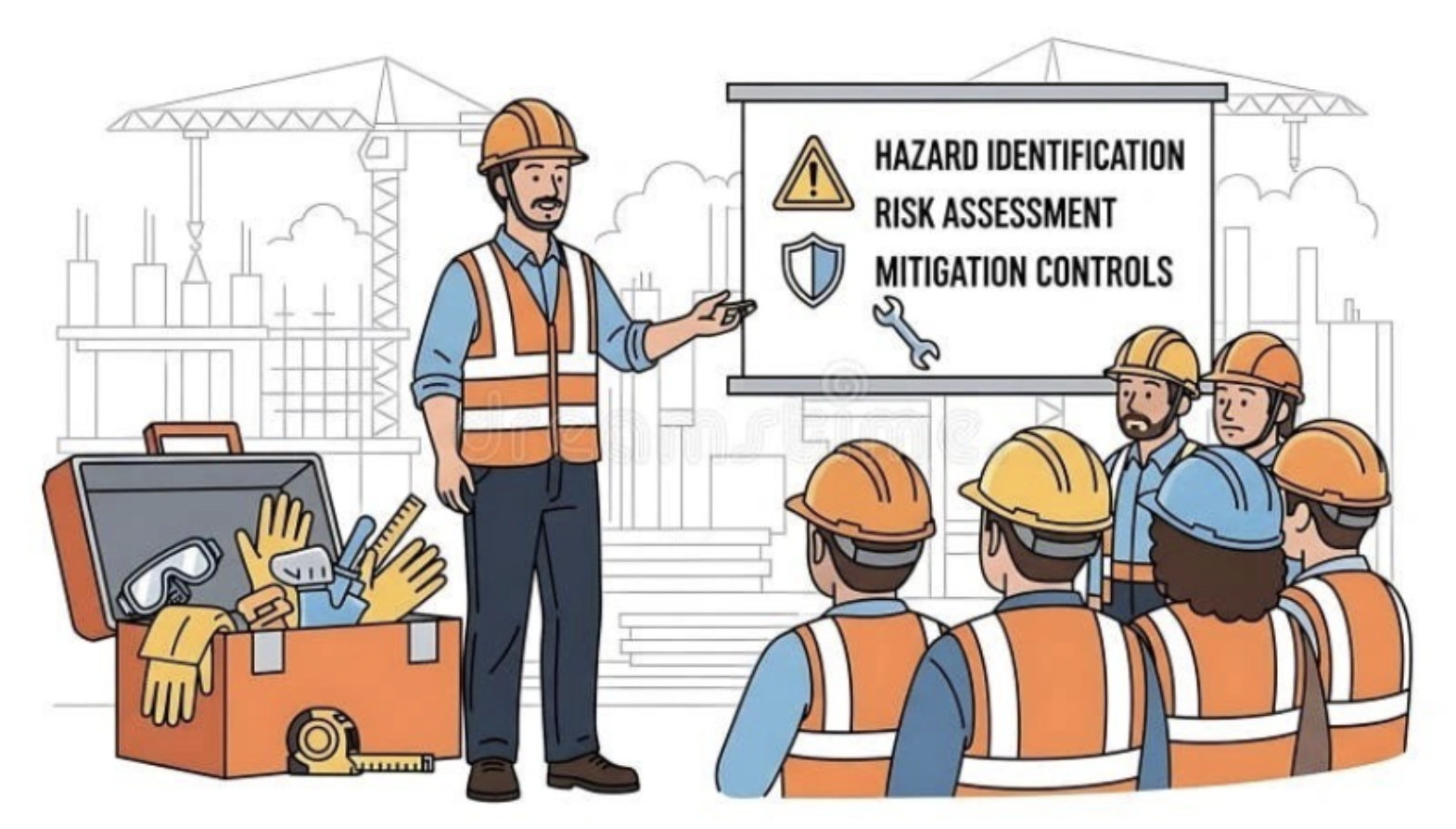
Risk Assessment and Analysis

Image Source: Invensis Learning
Risk Assessment and Analysis
A systematic examination of potential threats are the foundations of any effective risk mitigation strategy. Risk assessment is the process of identifying hazards in your workplace and determining who might be harmed and how. You then evaluate the severity and likelihood of those risks[1]. This structured approach allows you to prioritize which threats just need immediate attention and allocate resources therefore.
What Risk Assessment Involves
Risk assessment covers three core activities that work together to provide a complete picture of your risk landscape. You identify hazards first by looking at what could reasonably cause harm across your operations[34]. This has reviewing past incidents, inspecting physical environments, analyzing work processes, and consulting with employees who understand day-to-day vulnerabilities[35].
You analyze each identified risk second by thinking over both its likelihood of occurrence and potential effect[4]. This analysis can follow qualitative or quantitative methods. Qualitative analysis relies on subjective judgment and experience to categorize risks as low, medium, or high[4]. Quantitative analysis assigns numerical values through models like Monte Carlo simulations, which run multiple variables through mathematical frameworks to reveal different possible outcomes[4].
You evaluate risks against your organization's tolerance levels third to determine which require immediate treatment[36]. Some risks may be acceptable given their low probability or minimal effect. Others just need urgent mitigation whatever the cost.
Why Regular Assessment Matters
Risk assessment is not a one-time exercise but an ongoing process that must adapt to changing circumstances[37]. Your business environment moves constantly through new competitors, evolving regulations, technological changes, and market fluctuations. Regular assessments detect these changes in both internal and external environments and identify emerging risks. They verify that existing controls remain effective[36].
Periodic risk reviews help you prioritize resources on high-risk areas that could derail business objectives beyond compliance with legal requirements[38]. You can focus your budget, time, and personnel where they matter most when you assign risk levels to each identified hazard[38]. This targeted approach prevents you from spreading resources too thin across minor threats while critical vulnerabilities go unaddressed.
You also just need to review your risk assessments after most important workplace changes or following accidents and near-misses. Workers may report problems with current controls[6]. These reviews ensure your risk mitigation plan stays relevant as your operations evolve.
How to Conduct Effective Risk Assessments
An effective risk assessment follows a systematic five-step process that health and safety authorities recommend[6]. Start by identifying potential hazards through workplace observation and reviewing accident records. Check manufacturer instructions and consult employees[34]. Workers possess valuable knowledge about operational risks that management might overlook[1].
Determine who might be harmed by each hazard and how next[34]. Think over employees, contractors, visitors, and specific groups like young workers or people with disabilities who may face particular vulnerabilities.
Then evaluate the level of risk by multiplying likelihood by effect[39]. A risk matrix helps visualize this calculation and plots consequence and likelihood on two axes to assign severity levels[36]. High probability and high effect risks just need immediate action. Low-level risks may be monitored through ongoing improvement programs.
Implement control measures following the hierarchy of controls after you evaluate risks[40]. Elimination ranks highest. Substitution, engineering controls, and administrative controls follow. Personal protective equipment serves as a last resort.
Document your findings finally if you employ five or more people[34]. Record the hazards identified, who might be harmed, existing controls, and additional measures needed. This documentation provides transparency and helps during audits.
Tools and Frameworks for Risk Assessment
Several frameworks and tools support structured risk assessment. ISO 31000 provides recognized principles and guidelines for risk management at the international level and recommends a process that has risk identification, analysis, evaluation, and treatment[36].
Risk matrices remain the most common tool and allow you to map risks based on likelihood and consequence[41]. Digital platforms like inspection software enable teams to conduct assessments from any location and attach visual evidence. They assign tasks and sync findings to the cloud in real-time[42].
Organizations employ predictive analytics to forecast potential risks based on data patterns for more sophisticated analysis. AI and machine learning spot anomalies humans might miss[43]. These technologies have transformed risk assessment from manual processes to automated, data-driven systems that provide faster and more accurate results.
Risk Avoidance Strategy

Image Source: Impress Solutions
Risk Avoidance Strategy
Choosing not to participate in certain activities altogether represents one of the most decisive risk mitigation strategies available. Risk avoidance refers to eliminating exposure to a specific threat by refusing to participate in the activity that creates it[2]. Unlike risk mitigation, which accepts some level of danger and works to minimize it, risk avoidance removes the possibility of harm entirely at its source[2].
Understanding Risk Avoidance
Risk avoidance takes a preventive approach by eliminating the root cause of potential threats rather than controlling them after they emerge[2]. This strategy is different from risk mitigation and risk reduction fundamentally. Mitigation accepts that some risks are unavoidable and focuses on minimizing their effect or likelihood through proactive measures. Reduction aims to lower the probability or consequences to an acceptable level. Avoidance eliminates the risk completely[2].
This is prevention, not reaction. A company might choose not to enter a new market with unstable regulations and uncertain payment practices[44]. The business sidesteps regulatory penalties and potential bad debts entirely by staying out. Similarly, a tech company might decide to avoid launching a product in a market with frequent internet shutdowns due to governmental policies. The inability to ensure consistent service delivery could harm brand reputation and customer trust[2].
When to Avoid Risks
Risk avoidance works best when reserved for the most severe or unmanageable threats where negative consequences would be too costly to absorb[45]. Several scenarios warrant this approach:
High effect, high probability risks pose threats that could severely disrupt operations, tarnish your brand, or lead to significant financial losses[2]. The risk of intellectual property theft could warrant avoiding partnerships with entities in regions known for weak IP enforcement if your business relies heavily on proprietary technology[2].
Lack of expertise makes certain attempts too risky. Exploring such ventures invites trouble if your organization lacks the necessary skills or knowledge to guide risks effectively[2]. A tech firm thinking over hardware development without manufacturing experience faces quality control issues and supply chain disruptions[2]. Sticking to software development proves wiser.
Strategic misalignment occurs when potential risks don't line up with long-term goals[2]. Entering a low-cost, high-volume market could dilute brand value and introduce risks that conflict with your core strategy if your company aims to build a reputation for premium, high-quality products[2].
Ethical thoughts sometimes make avoidance the only viable option[2]. The ethical risks justify avoiding that market altogether if entering a new market requires compromising labor standards or environmental regulations[2].
Risks beyond organizational control stem from external factors you cannot influence effectively[2]. A manufacturer may discontinue a hazardous production process to eliminate workplace injury risks, protecting employees while avoiding reputational damage and liability claims[45].
Implementing Risk Avoidance in Your Business
Implementing risk avoidance begins with detailed risk identification using both quantitative and qualitative inputs, historical data, emerging risk trends, and regulatory intelligence[2]. You must develop detailed response plans with clear roles, responsibilities, timelines, and resource allocations[2].
Promote a risk-aware culture through training and policy management that encourages employees to recognize, report, and respond to potential threats immediately[2]. Implement rigorous preventive controls through design, testing, and audit trails to ensure risks are proactively prevented, not just identified[2].
Monitor continuously through immediate tracking and automated alerts[2]. Risk avoidance is not a one-time activity. Scheduled assessments help identify gaps quickly and enable ongoing refinement of your strategies[2].
Potential Trade-offs to Think Over
Risk avoidance protects cash flow and financial stability by eliminating exposure to high-effect risks that could compromise liquidity[44]. It improves operational efficiency by reducing the need for costly incident response and recovery processes[44]. Steering clear of ventures with complex compliance requirements minimizes legal exposure[44].
Avoiding all high-risk activities means passing on lucrative markets, new customers, or innovative product lines[44]. Overly conservative policies may delay entry into emerging sectors where early movers gain competitive advantage[44]. Excessive caution can stifle breakthroughs, reduce portfolio diversification, and leave your business vulnerable to competitors who take calculated risks[44]. A construction company might pass on high-rise projects to avoid serious falls, which keeps workers safe but may mean losing large contracts and growth opportunities[8].
Risk Transference and Insurance
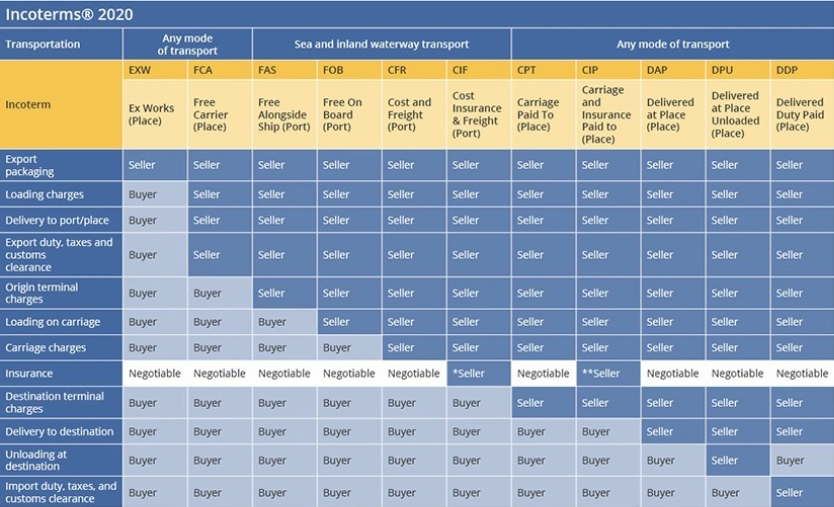
Image Source: Go Global Toolkit - Business.gov.au
Moving financial responsibility to external parties offers a practical alternative when you cannot eliminate or reduce certain risks internally. Risk transference involves one party assuming the liabilities of another through formal agreements. This moves the burden of potential losses to entities better equipped to handle them[3].
What is Risk Transference
Risk transference protects your organization by transferring potential financial liability from your business to a third party through insurance contracts, legal agreements, or financial instruments[9]. You acknowledge that certain entities possess greater resources, specialized expertise, or the knowing how to broaden risk across a wider portfolio of similar exposures[9].
The risk itself does not disappear. Responsibility for managing the consequences shifts through formal agreements instead[7]. When you purchase car insurance, you acquire financial protection against physical damage or bodily harm from traffic incidents[3]. You shift the risk of incurring big financial losses to an insurance company. Insurers require periodic premium payments in exchange for bearing such risks[3].
Types of Risk Transfer Methods
Several methods enable you to transfer risk depending on your business needs. Insurance policies represent the most recognized form. You pay premiums to an insurance company in exchange for financial protection against specific losses[9]. The insurer compensates you for covered losses if the risk materializes[9].
Contractual clauses serve as another common method. Contracts can include indemnification provisions that ensure potential losses will be compensated by the opposing party[3]. An indemnification clause commits parties to compensating each other for any harm, liability, or loss arising from the contract[3]. Consider a contract with an indemnification clause stating the writer will indemnify you against copyright claims. The writer becomes obliged to cover costs related to defending against such claims and pay damages if you are found liable[3].
Outsourcing certain functions transfers associated risks to external service providers[9]. When you hire a specialized IT security firm to manage cybersecurity risks, you transfer those operational risks to experts with dedicated resources[7].
Choosing the Right Insurance Coverage
Your business requires different types of insurance depending on your operations and legal obligations. Workers compensation insurance becomes mandatory if you have employees. It covers them against financial hardship from work-related injuries or illness[10]. Public liability insurance covers you when someone dies, gets injured, or has their property damaged because of your negligence[10].
Professional indemnity insurance helps cover costs of legal action from claims against your professional advice or services. This includes mistakes, neglect, or breaches of contract that result in client losses[10]. Cyber insurance protects your business from costs related to cyber extortion, ransomware, network security breaches, and data recovery[10].
Directors and officers insurance protects your executives from personal losses due to lawsuits[9]. Property insurance transfers the financial risk of property losses from events like fires[9]. Business interruption coverage pays for ongoing costs that continue after an insured event, whatever your business is closed or affected[11].
Outsourcing and Contractual Risk Transfer
Contractual risk transfer uses binding agreements to shift risk to parties best positioned to control those risks[12]. Common components include:
Hold harmless agreements: These outline contractor responsibilities and the duty to defend any involved party when their work results in injury or damages[12]. This ensures contractors remain contractually responsible for their own negligence and errors[12].
Insurance procurement clauses: These provisions require third parties to get insurance, including certificates of insurance that your customers might require[12].
Waiver of subrogation: When you are added to a contractor's insurance, this clause prevents the insurance company from seeking damages from you, even if you were partially responsible for the loss[12].
Outsourcing does not eliminate your responsibility entirely though. You must manage risks associated with third-party service providers through rigorous monitoring based on key risk indicators[13]. The third party's risk management practices remain critical to your success, yet you may be unaware of how they control risk[14].
Risk Reduction Through Internal Controls

Image Source: Hyperproof
Internal controls serve as your first line of defense and modify risks through policies, procedures and safeguards built directly into your operations. Controls take many forms. Technical security solutions, approval workflows, staff training and process documentation collectively reduce either the likelihood of risk events or their potential risks.
Implementing Risk Reduction Measures
Controls function in three distinct ways within your risk mitigation strategy. Preventative controls reduce the likelihood of risk causes occurring through mechanisms like authorization requirements, segregation of duties, background checks and technical security solutions built into systems. Detective controls identify failures in your control environment after they happen and enable swift response through reconciliations, exception reporting, performance reviews and investigations. Corrective controls alleviate consequences and rectify failures once found. These cover business continuity plans, continuous improvement actions and disaster recovery procedures.
Not all controls carry equal weight. Critical controls prove so significant to preventing risks or alleviating consequences that their failure would substantially increase either likelihood or effect, even when other controls exist. Controls should be proportionate to the nature of the risk being managed and reflective of your organization's size and resources. Larger entities can invest in more extensive control frameworks. Smaller businesses must prioritize based on their specific risk profile.
Controls will usually exist for other reasons beyond risk management. Multi-factor authentication might address compliance requirements while simultaneously alleviating cyber security risk. The key is recognizing which existing activities actually function as controls by asking whether they prevent causes, affect consequences or help identify when risks occur.
Cybersecurity and Data Protection Controls
Data protection requires implementing appropriate technical and organizational measures to ensure security levels match the risk. Security has three main components: protecting data integrity, availability and confidentiality. You must assess risks for unauthorized access breaching confidentiality, unauthorized alteration breaching integrity and loss of access breaching availability.
Identity and access management controls limit personal data access to authorized employees through separation of duties and least privilege principles. Only those needing access to perform their jobs receive it. Pseudonymization processes personal data so it can no longer be attributed to specific individuals without additional information, typically through field-level encryption in databases or encryption of entire data stores at rest and in transit.
Require multi-factor authentication beyond passwords. Use time-sensitive codes from authenticator apps, hardware tokens generating temporary codes or smartcards. Implement strong password complexity rules requiring at least 8 characters with upper case and special characters. Store passwords securely and remove obsolete access permissions through regular reviews every six months.
Encrypt devices, media and data containing sensitive information. This includes laptops, tablets, smartphones, removable drives, backup tapes and cloud storage solutions. Protect workstations through automatic session lockout after periods of inactivity, firewall software limiting communication ports, regularly updated antivirus software and automated security updates. Data loss prevention tools restrict transmission of personal data outside your network and add protection layers against breaches.
Operational Process Improvements
Risk management process improvement applies risk management principles to business processes themselves. All operational activities occur inside defined processes, and so do all risks and mitigation activities. Identifying process owners and assigning accountability for compliance, performance goals and risk vulnerabilities creates transparency throughout your organization.
Process improvement relates risk by the nature of activities being performed and considers where risks could develop and materialize. The more granular your assessment, breaking processes into smaller sub-processes, the more accurate and useful results become. This granularity evolves over time as your enterprise risk management competency matures.
Monitoring and Testing Control Effectiveness
Control effectiveness must be reviewed periodically to assess whether controls perform as designed. Controls could be well-designed but implemented poorly. To cite an instance, see a policy that may appear as a strong preventative control, yet if business areas don't adhere to it, effectiveness drops.
Develop regular testing programs that examine both design and implementation. Control profiles document the control name, purpose, relevant risk, control owner, testing methods, frequency and responsible persons. Testing methods include spot checks by control owners, pressure testing from fraudster perspectives, assurance reviews evaluating alignment with policies and formal internal audits.
Continuous control monitoring automates ongoing evaluation of internal controls to ensure consistent function. This proactive approach provides real-time insights into control activities and allows immediate risk detection and response. Automation boosts response time, reduces human error and frees resources for higher-value tasks. It aids the transition from inefficient point-in-time checks to automation-driven compliance controls and provides real-time views of your security posture.
Risk Acceptance and Retention

Image Source: WallStreetMojo
Not every identified threat warrants active mitigation. Risk acceptance acknowledges that certain exposures fall within tolerable limits and choosing to live with them proves more practical than expending resources to eliminate or reduce them[15]. This strategy is different from neglect because it involves conscious evaluation, formal documentation, and ongoing monitoring rather than ignoring potential problems[16].
When to Accept Business Risks
Acceptance becomes appropriate when mitigation costs exceed potential impact. Retaining that risk makes economic sense if addressing it requires major investment while the threat itself poses minimal financial or operational consequences[16]. Organizations accept risks scoring low on both likelihood and impact dimensions within a risk matrix[17]. Resources must be deployed to mitigate risk to an acceptable level, not eliminate it[18].
Acceptance also applies when no viable treatment option exists without disrupting operations more than the risk itself would[17]. Temporary risks with clear end dates represent scenarios where acceptance proves logical until the situation resolves. To name just one example, using legacy systems during planned technology migrations. When historical data shows certain low-impact events occur predictably, managing them internally becomes more efficient than purchasing external coverage[19].
Calculating Acceptable Risk Levels
The ALARP principle (As Low as Reasonably Practicable) establishes three distinct risk zones[20]. The unacceptable region contains risks too severe to tolerate and demands immediate mitigation. The ALARP region holds risks below unacceptable levels but not acceptable without considering further measures. The broadly acceptable region encompasses risks requiring no additional action. Risk tolerance refers to your willingness to live with a risk to secure certain benefits, confident it will be controlled[20].
Acceptable risk criteria must be established before conducting analysis[20]. These criteria specify likelihood thresholds, maximum tolerable impact levels, cost-benefit justifications showing treatment disproportionality, and arrangement with documented risk appetite[17]. Organizations assign acceptance authority based on residual risk severity. Low-risk items get approved by supervisors, medium-risk by department managers, and high-risk escalated to executive committees[17].
Setting Up Contingency Reserves
Contingency reserves represent funds allocated for identified risks in your risk register[21]. Calculate reserves using Expected Monetary Value (EMV), which multiplies probability by impact[21]. A risk with 60 percent probability and $15,289.90 cost impact requires $9,173.94 in contingency reserves[21]. Organizations should maintain reserves covering three to six months of operating expenses[22].
Documenting Risk Acceptance Decisions
Every accepted risk needs a clear owner responsible for monitoring and reassessing when necessary[16]. Documentation must include the residual risk score, rationale for acceptance, approving authority name, and scheduled review date[17]. Set timelines for reassessment, quarterly or semi-annually, with specific triggers warranting earlier review[16].
Business Continuity and Disaster Recovery Planning

Image Source: Venngage
Preparedness separates businesses that survive disruptions from those that fail permanently. Business continuity plans (BCPs) outline organization-wide strategies for navigating disasters, including where employees work, how communication flows during outages, and public relations approaches[23]. Disaster recovery plans (DRPs) function as subsets of BCPs with an IT focus and provide specific guidance for risk management, restoring systems, and recovering lost data[23].
Creating a Business Continuity Plan
Your BCP must identify critical business functions that are essential for operations and pinpoint processes, systems, and resources significant for continuity. A business impact analysis (BIA) will assess how disruptions affect your organization over time and explore their effects on daily operations, communication channels, and worker safety[23]. Define recovery time objective (RTO), which establishes the maximum time a system can be offline before causing unacceptable harm. Recovery point objective (RPO) specifies maximum data loss measured as a time span[23].
Disaster Recovery Procedures
DRPs document specific roles and responsibilities. These plans include a leader coordinating groups and making decisions, business liaisons communicating with non-IT departments, and IT operations executing technical recovery[23]. Your plan requires an asset inventory that maps critical business functions onto supporting systems and prioritizes vital operations when time and resources are limited[23]. Backup schedules, storage locations, and failover processes that redirect traffic when primary systems fail should be documented[23].
Emergency Response Protocols
Emergency procedures should define protective actions for life safety. These include evacuation, shelter-in-place, and lockdown protocols. You need to determine how building occupants will be warned and first responders alerted[24]. Communication protocols must ensure effective information dissemination during disasters and include mobile channels like WhatsApp when full outages occur[23].
Testing and Updating Your Plans
Your BCP should be tested at least twice a year through tabletop discussions, walkthroughs, or full-scale drills[25]. Testing identifies interdependencies and gaps before real incidents expose them[25].
Building Financial Reserves
Three to six months of operating expenses should be maintained in cash reserves[26]. Monthly transfers to separate savings accounts can be automated to prevent non-emergency withdrawals while ensuring funds remain available during crises[26].
Employee Training and Risk Culture Development

Image Source: Risk Leadership Network
Your risk mitigation strategy remains incomplete without employees who recognize threats and act on them. A risk-aware culture means every employee, whatever their role, actively thinks over risks in daily decision-making[27]. This mindset protects both the business and job security. Workers recognize potential risks, can report concerns without fear of blame, and take action before threats escalate[27].
Developing Risk-Aware Employees
Risk awareness must become a daily habit, not an annual compliance exercise. Employees need training on risks relevant to their actual work rather than generic risk management theory[5]. A warehouse team needs to recognize hazards in their tasks. A finance team must spot fraud attempt patterns[5]. Record training completions because training functions as a control, and an untracked control cannot be evidenced later[5].
Training Topics for Risk Management
Training should cover risk identification methods and assessment techniques. These include qualitative and quantitative analysis. Mitigation strategies should cover avoidance, reduction, transference and acceptance. Crisis response procedures matter, and employees should learn how to create risk reports for stakeholders[28].
Creating Clear Reporting Mechanisms
Psychological safety matters because many risks go unreported when employees fear backlash[27]. Anonymous reporting channels and transparent processes encourage employees to speak up and enable proactive measures[29]. The easier reporting becomes, the more likely employees participate[30].
Building Accountability and Ownership
Assign risk ownership roles across all departments[27]. Incorporate risk management responsibilities into job descriptions and performance agreements[31]. Recognize employees who identify risks proactively. Make risk awareness a performance metric for managers[27].
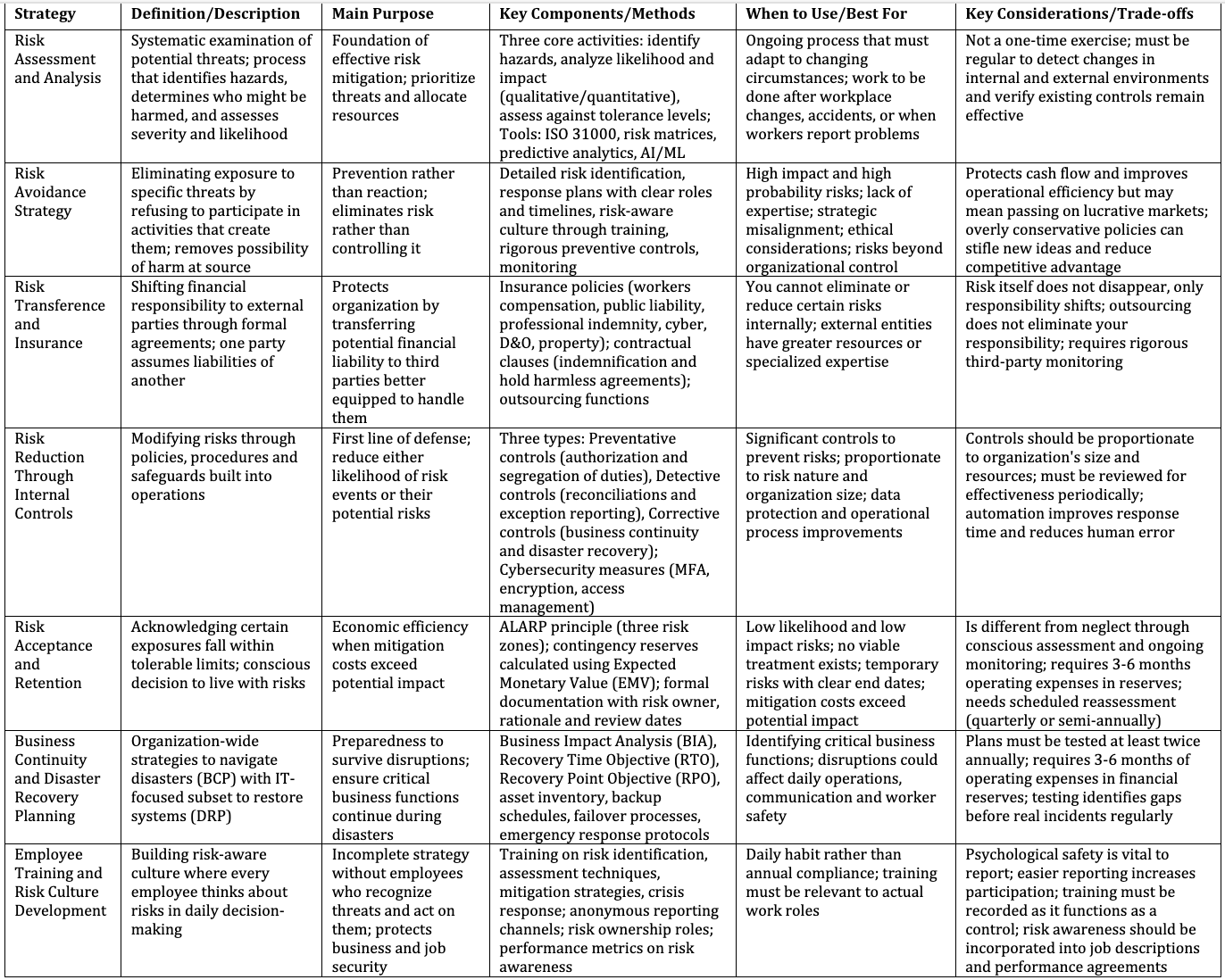
Comparison Table
Comparison Table: 7 Proven Risk Mitigation Strategies
Conclusion
Now that you've understood the seven proven risk mitigation strategies, you need to figure out which ones line up best with your business needs.
Get a full picture of your risks and identify your most critical vulnerabilities. You can then decide whether to avoid, transfer, reduce, or accept each risk based on its severity and your available resources. Of course, putting all these strategies in place at once may seem overwhelming, so take one step at a time.
Deal with your highest-impact risks first and build your employee training programs. Set up contingency reserves. Your risk mitigation approach will evolve as your business grows and new threats emerge.
What matters is starting today rather than waiting for disaster to strike.
References
[2] - https://www.metricstream.com/learn/risk-avoidance.html
[3] - https://corporatefinanceinstitute.com/resources/career-map/sell-side/risk-management/risk-transfer/
[4] - https://www.investopedia.com/terms/r/risk-assessment.asp
[5] - https://www.sentrient.com.au/blog/risk-aware-culture
[7] - https://grm.institute/blog/risk-transference-explained-types-examples-business-benefits/
[8] - https://www.aclaimant.com/blog/risk-avoidance-vs-risk-mitigation
[10] - https://business.gov.au/risk-management/insurance/types-of-business-insurance
[11] - https://www.qbe.com/au/news/insurance-for-a-new-small-business
[14] - https://www.globalstrategic.com/risk-transfer-in-outsourcing-benefits-drawbacks/
[15] - https://www.metricstream.com/learn/risk-acceptance.html
[16] - https://sprinto.com/grc/risk-acceptance/
[17] - https://mitti.com/topics/risk-management/risk-acceptance
[18] - https://www.ey.com/en_us/insights/risk/when-to-respond-and-when-to-accept-risk
[19] - https://searchinform.com/articles/risk-management/risk-mitigation/risk-retention/
[21] - https://www.pmi.org/learning/library/model-risk-contingency-reserve-9310
[23] - https://www.ibm.com/think/topics/disaster-recovery-plan
[24] - https://www.ready.gov/business/emergency-plans/emergency-response-plan
[25] - https://agilityrecovery.com/blog/how-business-continuity-testing-creates-organizational-resilience/
[26] - https://wsadvisors.com/cash-reserves-and-business-stability-building-financial-resilience/
[27] - https://www.crisiscompass.com.au/crisis-and-resilience-blog/developing-risk-aware-company-culture
[28] - https://mitti.com/topics/risk-management/risk-management-training
[29] - https://www.marshmma.com/us/insights/details/employee-risk-management.html
[30] - https://riskonnect.com/enterprise-risk-management/7-steps-create-culture-risk-awareness/
[33] - https://www.ibm.com/think/insights/risk-mitigation-strategy
[34] - https://www.hse.gov.uk/simple-health-safety/risk/steps-needed-to-manage-risk.htm
[35] - https://business.sa.gov.au/information/running-my-business/risk-assessment
[36] - https://www.finance.gov.au/sites/default/files/2019-11/Risk-Management-Process.pdf
[38] - https://www.complyflow.com/blog/understanding-the-importance-of-conducting-risk-assessments
[39] - https://www.business.qld.gov.au/running-business/risk/identify-manage
[40] - https://mitti.com/topics/risk-assessment
[41] - https://www.worksafe.vic.gov.au/how-conduct-risk-assessment
[42] - https://mitti.com/topics/risk-assessment/risk-assessment-tools
[43] - https://searchinform.com/articles/risk-management/risk-assessment/framework/
















































.png)











.png)
.png)
.png)
.png)
.png)
.png)
.png)

.png)
.png)
.png)
.png)
.png)
.png)
.png)
.png)
.png)
.png)
.png)
.png)
.png)
.png)


Ready to Save Lives at Work?
With Impress Solutions, you’re not just getting a service, you’re securing peace of mind with a partner you can trust. Book a free consultation today, and let’s map out how we can help you save lives at work.

.png)