Why Your Workplace Safety Compliance Strategy Might Be Failing

Blog Summary:
Many organisations treat safety compliance as a checklist, leading to accidents, low engagement, and underreporting. Failures often stem from weak leadership and poor risk assessment. Using tools like Bowtie analysis and Critical Control Management helps build stronger, more effective safety system solutions.
TL;DR: Why Safety Compliance Strategies Fail
- Workplace safety compliance requires systematic approaches beyond regulatory requirements
- Warning signs include frequent accidents, low engagement, and underreporting
- Root causes stem from leadership issues, poor risk assessment, and misaligned objectives
- Effective solutions include Bowtie analysis, Critical Control Management, and leadership frameworks
Introduction:
Workplace safety compliance remains a critical challenge for organisations despite its proven benefits. Companies that prioritise proper safety protocols not only meet legal requirements but also improve productivity while reducing absenteeism and potential fines.
However, many businesses struggle with implementing effective safety and compliance measures. Health and safety compliance isn't just about ticking boxes on a checklist. This article examines why compliance strategies fail and offers practical solutions to strengthen workplace safety initiatives.
Signs Your Safety Compliance Strategy Is Failing
- Recognising the signs of a failing safety compliance strategy requires vigilance and attention to detail. One of the most telling indicators is the occurrence of frequent accidents or near misses.
- Equally concerning is diminishing employee engagement with safety protocols. This manifests through low morale, increased turnover, and reluctance to participate in safety initiatives.
- Underreporting represents another critical warning sign. When employees hesitate to document near misses due to fear of blame, complicated reporting processes, or peer pressure, valuable preventive data is lost.
- Additionally, deteriorating safety metrics deserve attention. Rising incident rates, slower response times to safety concerns, and insufficient employee training indicate compliance failures.
- Inadequate feedback on submitted reports further undermines safety efforts. When employees receive no timely response to their concerns, the motivation to report future incidents decreases substantially.
Root Causes Behind Compliance Failures
Underlying every failing safety program lie specific root causes that prevent effective workplace safety consultancy compliance. Leadership commitment is a primary factor in determining the success or failure of compliance.
Risk assessment protocols present another critical point of failure. Organisations often struggle to identify workplace hazards or adequately evaluate their potential impact. According to safety experts, one fundamental cause of workplace injuries is the failure to recognise existing hazards or anticipate potential ones.
Furthermore, misalignment between safety objectives and organisational goals undermines compliance efforts. When productivity metrics take precedence over safety performance, employees receive mixed signals about priorities.
Ineffective verification of critical controls essentially leaves compliance to chance. Without proper systems to confirm that safety measures function as intended, organisations remain vulnerable despite having policies in place.
Fixing the Gaps in Your Workplace Compliance Approach
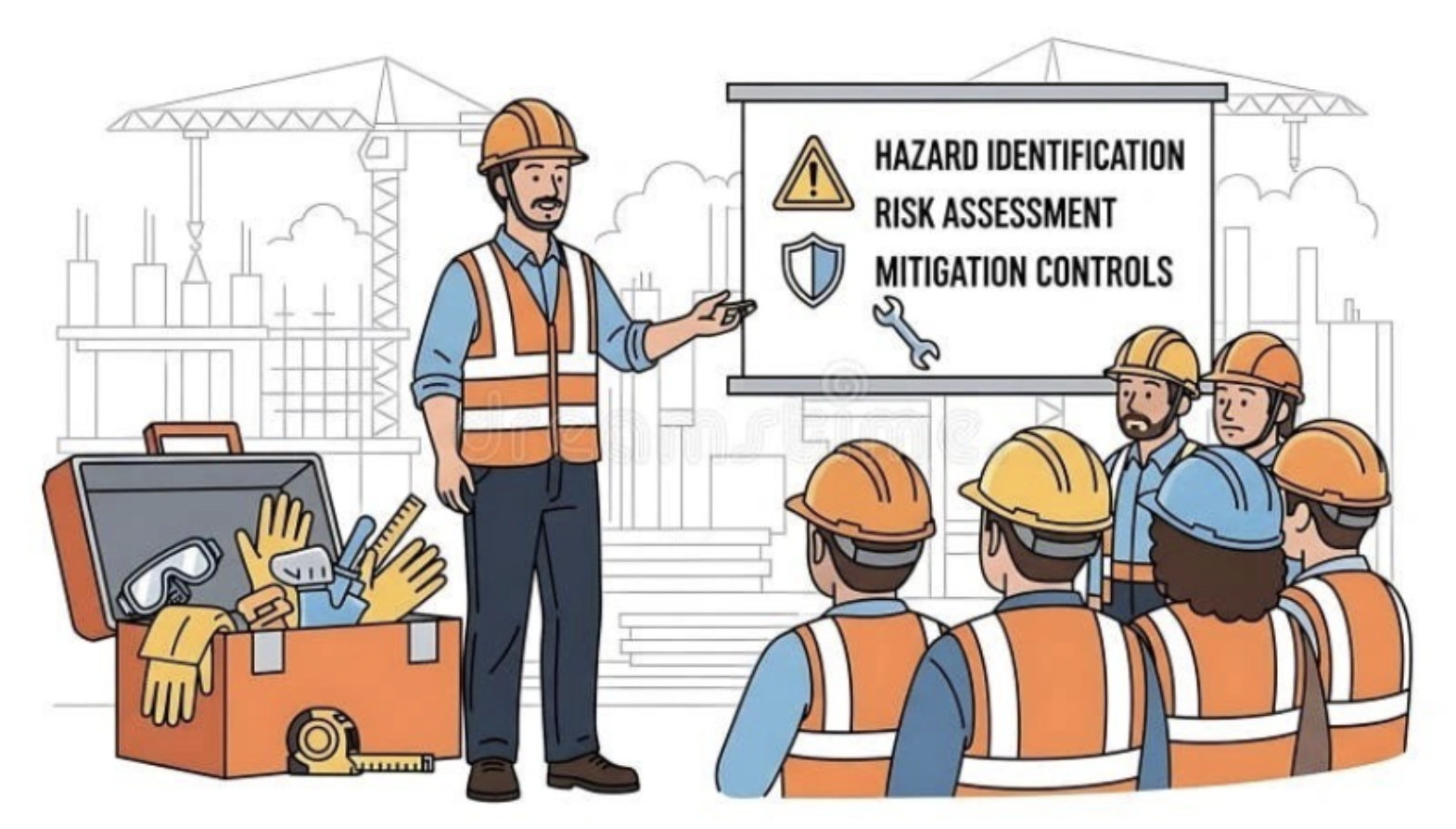
Effective workplace compliance requires systematic, evidence-based approaches to close gaps in safety consultant management. Fixing a struggling compliance strategy starts with comprehensive risk identification.
The Bowtie analysis methodology offers a powerful visual framework for understanding risks and associated controls. This approach creates a visual representation connecting threats and hazards, showing how they interact to produce consequences alongside the barriers that could prevent or reduce impact.
Critical Control Management (CCM) represents a fundamental shift in safety thinking. Rather than treating all controls equally, this approach identifies and prioritises essential controls that prevent fatal or catastrophic events.
Technology integration, primarily AI-powered tools, enhances workplace compliance through automated incident management, proactive hazard identification, and streamlined reporting processes.
Conclusion
Workplace safety compliance serves as more than a regulatory requirement for forward-thinking organisations. Organisations must recognise warning signs before serious incidents occur. Impress Solutions understands these challenges through extensive experience working with diverse clients across multiple industries. Their comprehensive approach addresses both technical compliance requirements and cultural transformation needs.
To learn more, get in touch with the team by booking your free consultation here.















































.png)









.png)
.png)
.png)
.png)
.png)
.png)
.png)

.png)
.png)
.png)
.png)
.png)
.png)
.png)
.png)
.png)
.png)
.png)
.png)
.png)
.png)
.png)


Ready to Save Lives at Work?
With Impress Solutions, you’re not just getting a service, you’re securing peace of mind with a partner you can trust. Book a free consultation today, and let’s map out how we can help you save lives at work.

.png)