How to Choose the Right Eye Protection for Your Workplace: A Step-by-Step Guide

More than 2,000 people injure their eyes at work each day due to inadequate eye protection[17][4]. About 1 in 10 of these injuries require missed workdays to recover[17]. The cost runs an estimated $300 million in lost productivity and medical treatment each year[4].
The good news? Proper eye protection prevents 90% of these injuries, experts believe[17][-3]. Choosing the right gear is critical, whether you need eye protection goggles, understanding eye protection PPE options, or knowing when eye protection must be worn signs apply.
This piece will walk you through assessing workplace hazards and understanding the eye protection symbol standards. You'll learn to select the best protection for your team.
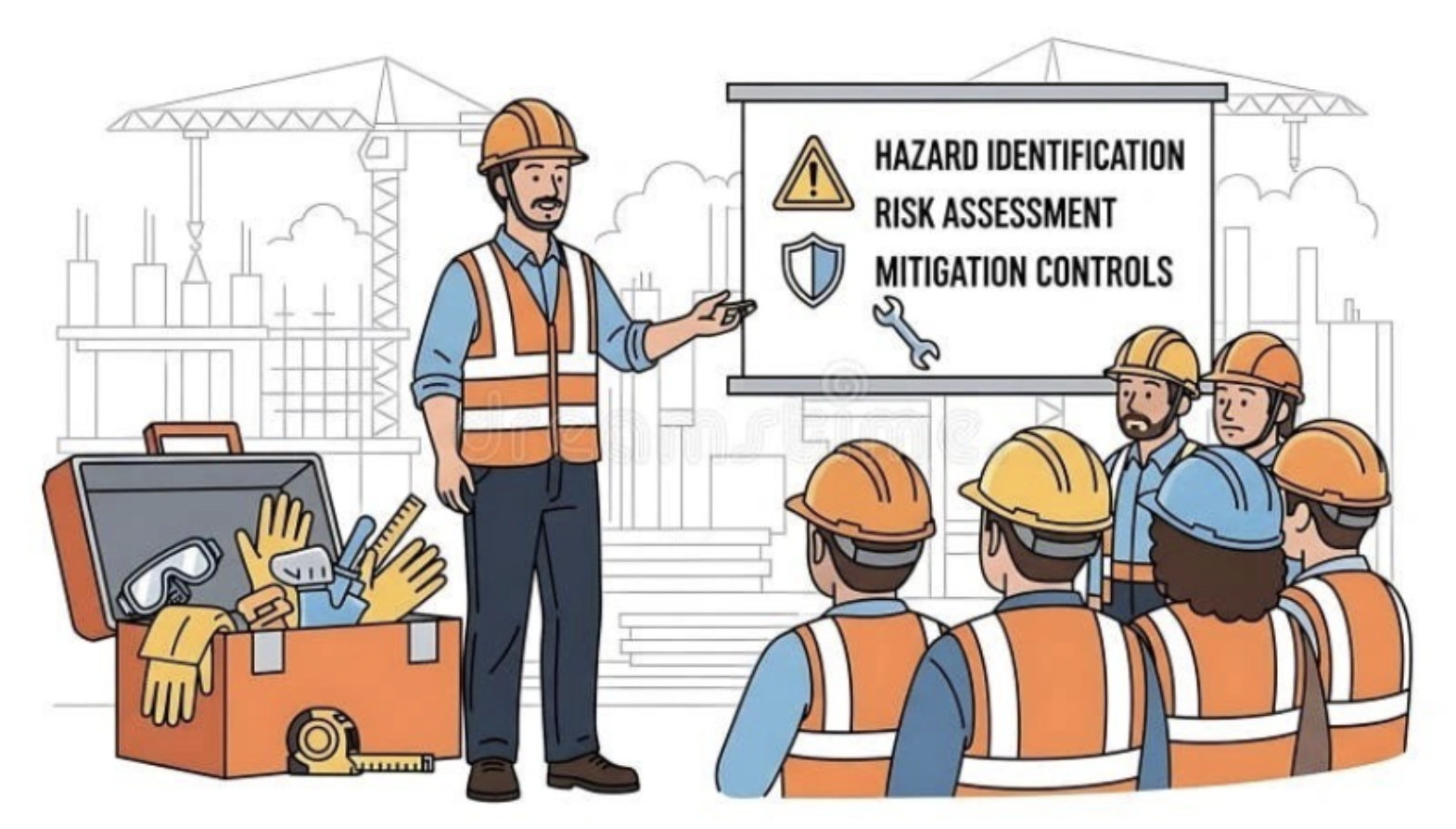
Step 1: Assess Your Workplace Eye Hazards
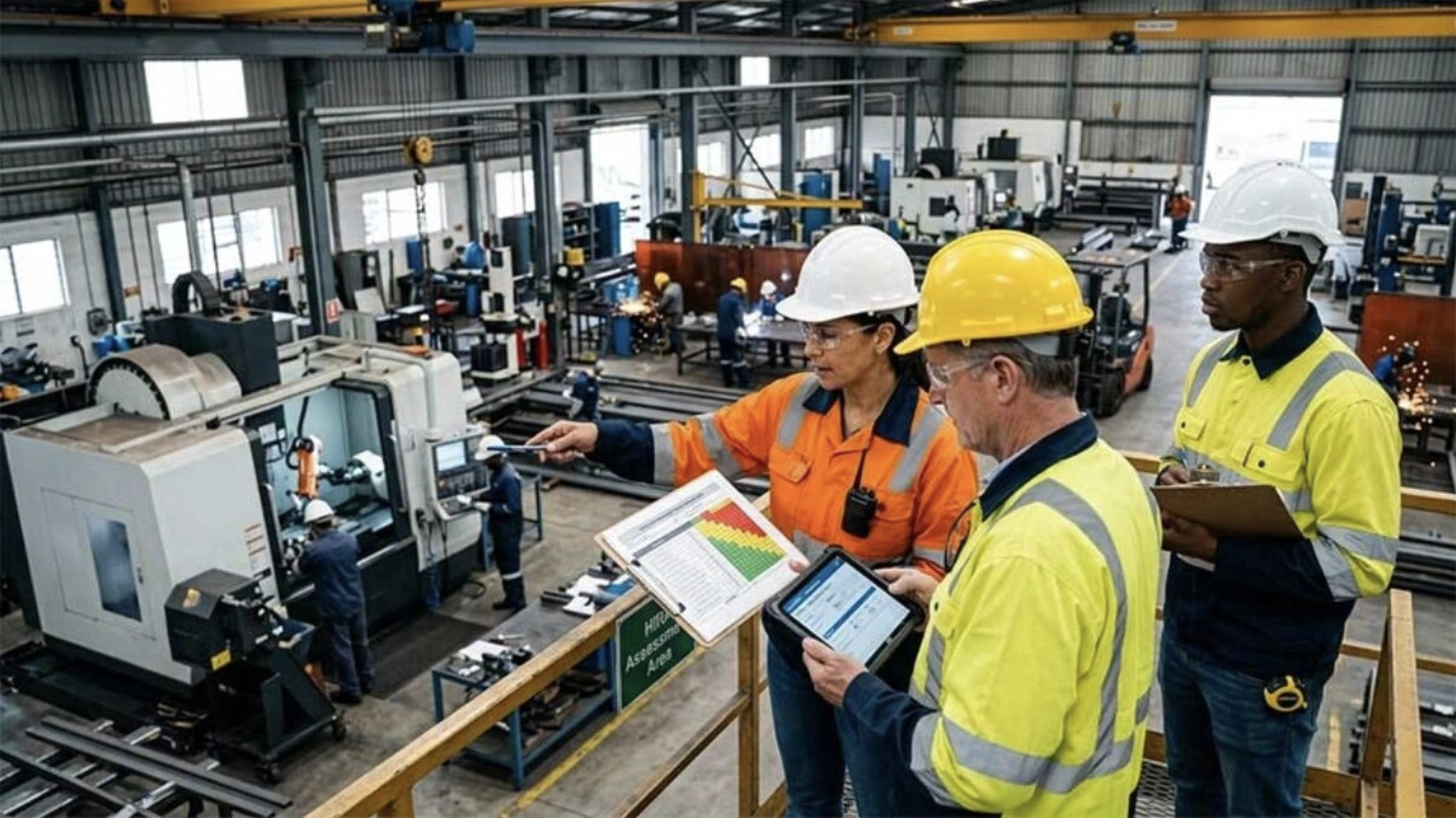
You need to identify what hazards exist at your site before selecting eye protection PPE. Workplace eye injuries stem from four main categories: projectiles, chemicals, radiation, and bloodborne pathogens[1]. Which ones apply to your operations determines the type of protection required.
Flying or falling objects account for 70% of serious eye injuries[18]. These include metal shards, wood splinters, concrete particles, and dust generated during cutting, grinding, drilling, or hammering operations[19]. Construction workers face high exposure to these projectiles. Machinists and factory workers encounter similar risks[4].
Chemical hazards cause one-fifth of workplace eye injuries[18]. Splashes from cleaning agents, acids, alkalis, and industrial solvents pose major threats[20]. Alkali substances penetrate deeper into eye tissue and cause more severe damage than acids[21][20]. Since 34% of chemical eye exposures occur during cleaning activities, this risk extends beyond obvious chemical processing roles[22].
Radiation exposure presents different dangers for welders. Welding arcs emit ultraviolet and infrared radiation across wavelengths from 200 to 1,400 nanometers[23]. UV radiation can cause photokeratitis (welder's flash) and ocular melanoma[24][25]. Gas Metal Arc Welding emits the most radiation, with aluminum and argon shielding gas increasing exposure levels compared to other materials[24].
Airborne dust and fumes create more hazards through both respiratory and eye irritation[26][27].
Step 2: Understand Your Eye Protection PPE Options
Three main categories of eye protection PPE serve different workplace needs: safety glasses, goggles, and face shields. Safety glasses protect against impact hazards from flying objects and particles. They work for head-on and side-on impacts but provide maximum protection only against medium impact[3]. Side shields extend from the side rims and attach to the temples. They offer extra lateral protection in high-risk environments[2]. Proper safety eyewear can prevent nearly 90% of the approximately 800,000 annual eye injuries[5].
Safety goggles create a complete seal around the eyes. This makes them suitable for chemical splashes and high levels of airborne particles[3]. Direct ventilated goggles protect against impact only, while indirect ventilated models guard against splash and dust[8]. Non-vented goggles shield against liquids and vapors but require anti-fog coating[8].
Face shields protect the face from front and side-on impact. Most of the time, you should wear them with safety glasses or goggles for added protection[3]. Welding helmets protect against radiation and impact hazards from welding operations[9].
All eye protection must meet ANSI Z87.1 certification standards[10]. Equipment marked with "Z87" meets simple impact requirements, while "Z87+" indicates high impact resistance[11]. Additional markings identify specific protections: D3 for droplets, D4 for dust, and D5 for fine dust[11].
Step 3: Select and Maintain the Right Protection
Proper eyewear fit is one of the most overlooked parts of workplace safety. Head and face shapes vary widely, and one-size-fits-all approaches don't work[6]. Poor-fitting safety glasses cause 90% of recorded injuries, along with workers not wearing eyewear at all[12].
Frames should sit close to your face without hitting eyelashes[6]. The gap between frames and face should measure less than 6-8mm, roughly a pencil's width[12]. The nose piece must contact your nose without pinching, and side arms should reach your ears without creating pressure points[6]. Eyewear must stay in place when you move your head front to back and tilt side to side[12].
Polycarbonate lenses provide ten times more resistance to blows than plastic alternatives in environments with heavy strikes[13][14]. Polycarbonate also has built-in UV protection, whereas plastic lenses require additional coatings[14].
Daily maintenance prevents vision impairment and extends eyewear life. You should rinse glasses under cool water and dry with a soft cloth[7]. Look for cracks, deep scratches, or damage on lenses before each use[6]. Scratched lenses refract light and distort vision, which strains eyes[15]. Any strike to eyewear means you must replace it, even without visible damage[16]. Hard cases protect glasses when not in use[7].
Conclusion
You now have a complete roadmap to protect your team's eyes from workplace hazards. Start by identifying the specific risks at your site and match them with appropriate eye protection PPE that meets ANSI Z87.1 standards.
Note that proper fit matters as much as choosing the right equipment. Inspect and maintain your eyewear to ensure it continues performing when you need it most. You can prevent 90% of workplace eye injuries and keep your team safe with the right approach.
References
[1] - https://www.aoa.org/healthy-eyes/caring-for-your-eyes/protecting-your-vision
[2] - https://www.rsea.com.au/ppe/eye-protection/safety-glasses
[3] - https://blog.atom.com.au/eye-and-face-protection-importance
[6] - https://www.uvex-safety.com.au/en/knowledge/more-information/fitting-guide-safety-glasses/
[7] - https://www.bcforestsafe.org/wp-content/uploads/2025/08/mag_CrewTalk-SAFETY-GLASSES-MAINTENANCE.pdf
[8] - https://www.uvex-safety.com.au/en/knowledge/more-information/safety-goggles-selection-guide/
[9] - https://www.ccohs.ca/oshanswers/prevention/ppe/glasses.html
[10] - https://thevisioncouncil.org/sites/default/files/TVC_ANSI_Z87-1_2015_Overview_v2.pdf
[11] - https://www.hexarmor.com/posts/what-do-lens-markings-and-z87-mean
[12] - https://www.hexarmor.com/posts/how-are-safety-glasses-supposed-to-fit
[13] - https://www.allaboutvision.com/eyewear/eyeglasses/lenses/plastic-vs-polycarbonate-lenses/
[15] - https://www.linkedin.com/pulse/hidden-liability-replacing-damaged-safety-glasses-pat-sullivan--1u8lc
[17] - https://preventblindness.org/preventing-eye-injuries-at-work/
[18] - https://www.lvfeyecentre.org.au/eye-injuries-in-the-workplace/
[21] - https://www.betterhealth.vic.gov.au/health/conditionsandtreatments/eye-injuries-chemical-burns
[22] - https://www.tandfonline.com/doi/full/10.1080/15563650.2023.2250068
[23] - https://www.ccohs.ca/oshanswers/safety_haz/welding/eyes.html
[24] - https://www.worksafe.vic.gov.au/controlling-exposure-ultraviolet-uv-radiation-when-welding
[25] - https://pmc.ncbi.nlm.nih.gov/articles/PMC11559688/
[26] - https://www.worksafe.qld.gov.au/safety-and-prevention/hazards/hazardous-exposures/hazardous-dusts
[27] -https://www.worksafe.wa.gov.au/dust-and-fibres-0










































.png)





.png)
.png)
.png)
.png)
.png)
.png)
.png)

.png)
.png)
.png)
.png)
.png)
.png)
.png)
.png)
.png)
.png)
.png)
.png)
.png)
.png)


Ready to Save Lives at Work?
With Impress Solutions, you’re not just getting a service, you’re securing peace of mind with a partner you can trust. Book a free consultation today, and let’s map out how we can help you save lives at work.

.png)