
Hazard vs Risk: What's the Difference Between Hazard and Risk?
What is hazard and risk?
What is a hazard?
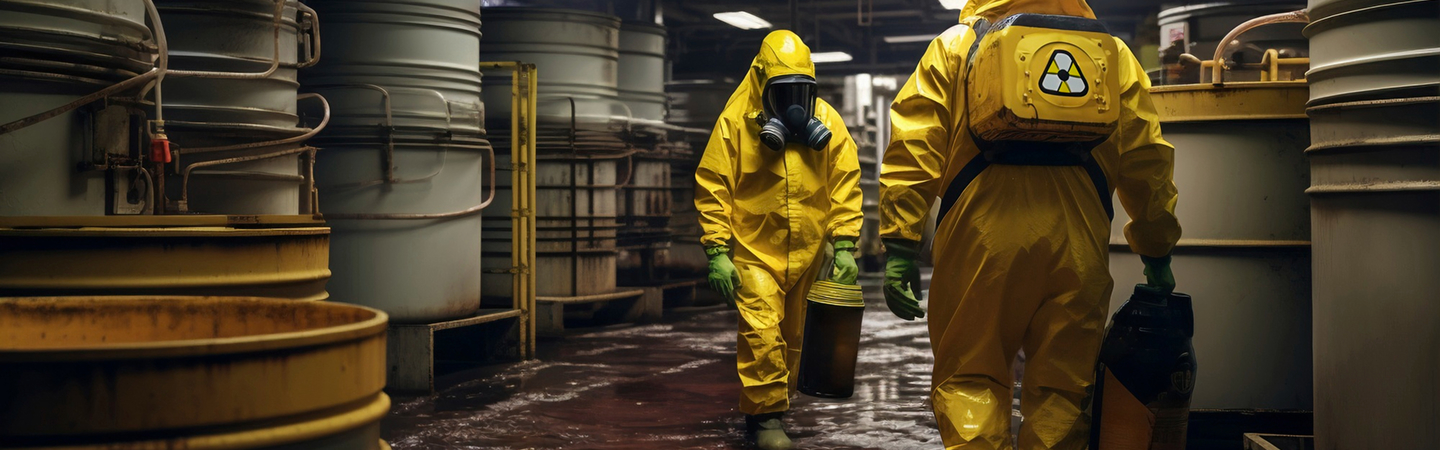
A hazard is any source, situation, or act that has the potential to cause harm, injury, illness, or damage to people, property, or the environment. Hazards exist independently, whatever anyone is exposed to them or affected by them. They represent inherent dangers present in materials, processes, equipment, or conditions.
Hazards can take multiple forms in different environments. Physical hazards include machinery with moving parts, electrical systems, extreme temperatures, or elevated work surfaces. Chemical hazards cover toxic substances, corrosive materials, and flammable liquids. Biological hazards consist of bacteria, viruses, and other microorganisms. Ergonomic hazards involve repetitive motions, awkward postures, or excessive force requirements. Psychosocial hazards relate to workplace stress, violence, or harassment.
The critical characteristic of a hazard is its capacity to cause harm under the right circumstances. A chemical stored in a locked cabinet remains a hazard due to its toxic properties, even when no one is present. An unguarded machine poses a hazard because of its dangerous moving parts, whatever it is operating currently.
What is a risk?
Risk is the likelihood or probability that a hazard will cause harm, combined with the severity of that potential harm. Risk depends on exposure to the hazard and the specific circumstances surrounding that exposure. A hazard represents potential danger. Risk quantifies the actual chance of that danger materializing into an adverse outcome.
Risk assessment considers multiple factors beyond the mere presence of a hazard. The duration and frequency of exposure influence risk levels substantially. A person working near a hazardous machine for eight hours faces greater risk than someone passing by it once. The number of people exposed affects overall risk calculation, as does the effectiveness of existing control measures.
Risk exists on a spectrum from negligible to catastrophic. The same hazard can present different risk levels depending on context. To name just one example, a toxic chemical poses minimal risk when sealed properly in a ventilated storage area with restricted access. That same chemical presents substantial risk when handled without protective equipment in an enclosed space. The hazard remains constant, but the risk varies based on exposure conditions, protective measures, and environmental factors.
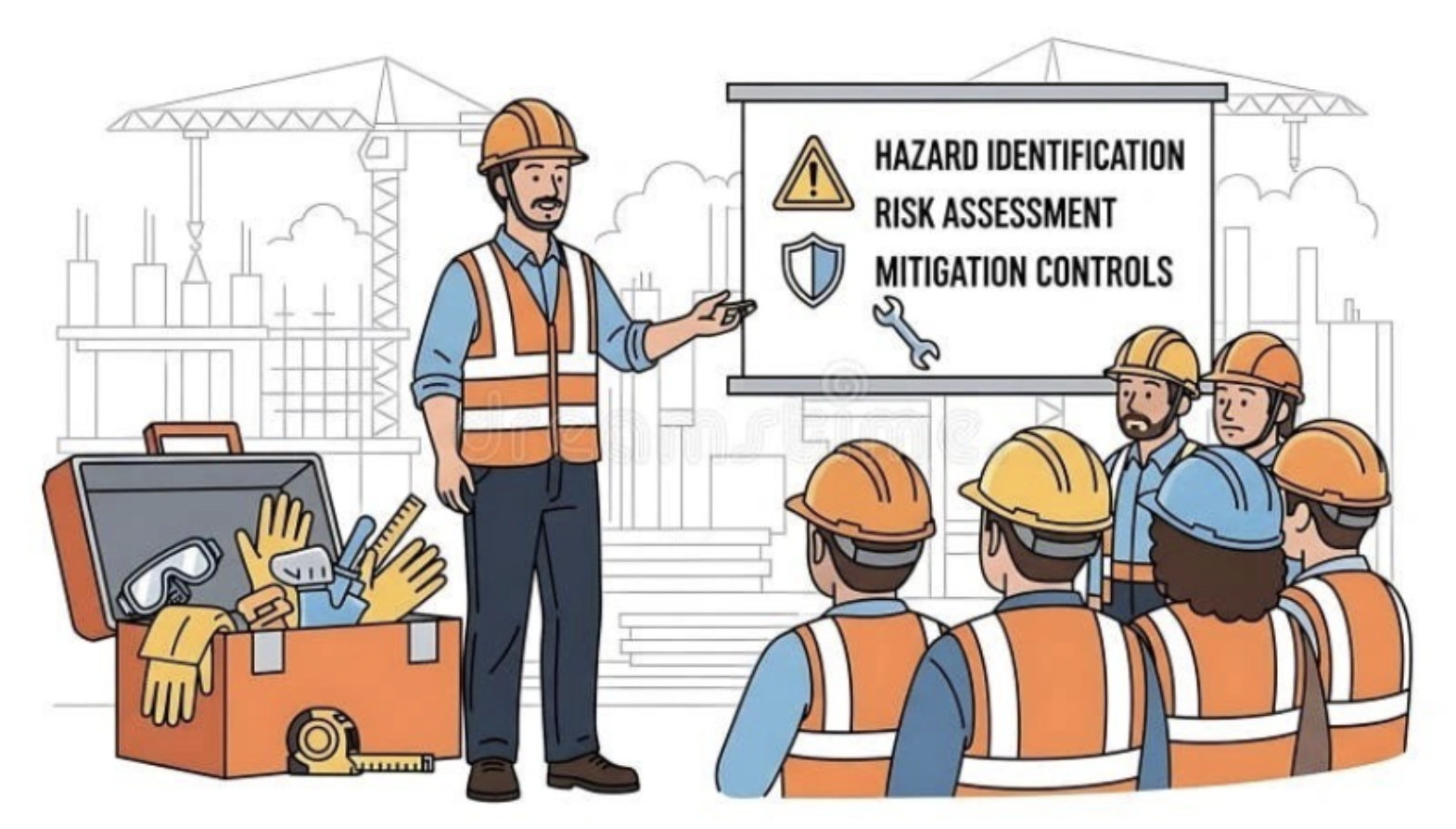
Understanding this difference is the foundation of effective safety management. Organizations identify hazards to recognize what could cause harm, then assess risks to determine how likely and severe that harm might be under actual working conditions.
Key differences between hazard and risk
Hazard is the source, risk is the probability
The fundamental difference lies in their nature: hazards represent static sources of potential harm and risks represent dynamic calculations of probable outcomes. A hazard exists as an inherent property or condition whatever the context. Asbestos fibers possess carcinogenic properties whether sealed in undisturbed insulation or released into breathing air. Risk emerges only when exposure pathways connect people to the hazard and create a measurable probability of harm.
This difference becomes apparent when we look at the same hazard in different scenarios. An electrical panel carries similar voltage and amperage in all situations and makes electrocution its constant hazard. The risk level changes based on protective measures, accessibility and maintenance status. A properly guarded, locked panel in a restricted area presents minimal risk despite the unchanged electrical hazard.
How exposure affects risk
Exposure serves as the critical variable that transforms a hazard into quantifiable risk. No pathway exists for harm to materialize without exposure and this reduces risk to zero whatever the hazard severity. The relationship between exposure and risk operates across multiple dimensions: duration, frequency, intensity and proximity all modify the probability calculation.
Exposure duration associates with risk magnitude. Brief contact with a moderately hazardous substance generates lower risk than prolonged exposure to the same material. Frequency amplifies this effect as repeated exposures compound the probability of adverse outcomes. Intensity refers to the concentration or severity of exposure and proximity determines whether protective barriers or distance reduce contact levels.
The number of individuals exposed multiplies overall risk assessment. A hazard affecting one person presents different organizational risk than the same hazard affecting fifty workers. Risk assessment incorporates both individual and collective exposure patterns.
Why understanding the difference matters
The difference between hazard and risk makes targeted safety interventions possible. Organizations cannot eliminate certain hazards inherent to their operations but they can reduce associated risks through control measures. A manufacturing facility cannot remove the hazard posed by heavy machinery, yet implementing guards, lockout procedures and training reduces the risk to acceptable levels.
This difference guides resource allocation in safety programs. Identifying high-severity hazards does not demand immediate action if existing controls maintain low risk levels. Seemingly minor hazards may require urgent intervention when poor controls create elevated risks. Regulatory frameworks likewise differentiate between hazard classification systems and risk-based compliance requirements and recognize that effective safety management addresses probability and consequence rather than cataloging potential dangers.
How hazards and risks are assessed
Hazard identification process
Systematic hazard identification is the first stage of workplace safety management. Organizations conduct walkthroughs of facilities and understand equipment, materials, processes, and work environments to catalog potential sources of harm. This process involves reviewing safety data sheets for chemical substances and inspecting machinery for mechanical dangers. Work procedures get analyzed for potential failure points.
Multiple methods support complete hazard identification. Workplace inspections give direct observation of physical conditions and operational practices. Job safety analyzes break down tasks into individual steps and identify hazards at each stage. Incident investigation reviews past accidents and near-misses to uncover dangers that were not recognized before. Employee consultation captures frontline knowledge about hazards encountered during routine work activities.
Risk assessment methods
Assessment methods determine the likelihood and severity of potential harm once hazards are cataloged. Qualitative assessment uses descriptive categories such as low, medium, and high to characterize both probability and consequence. This approach works well for general prioritization without needing precise numerical data.
Quantitative assessment assigns numerical values to calculate risk scores. Assessors estimate the probability of an incident occurring within a specific timeframe and multiply this by the potential severity of consequences. Semi-quantitative methods combine elements of both approaches and use numbered scales to represent categorical judgments.
Risk assessment thinks over several factors beyond the hazard itself. The frequency and duration of exposure modify probability calculations. The number of people who could be affected scales the overall risk magnitude. Existing control measures reduce both likelihood and severity and need assessment of their effectiveness and reliability.
Using risk matrices and severity levels
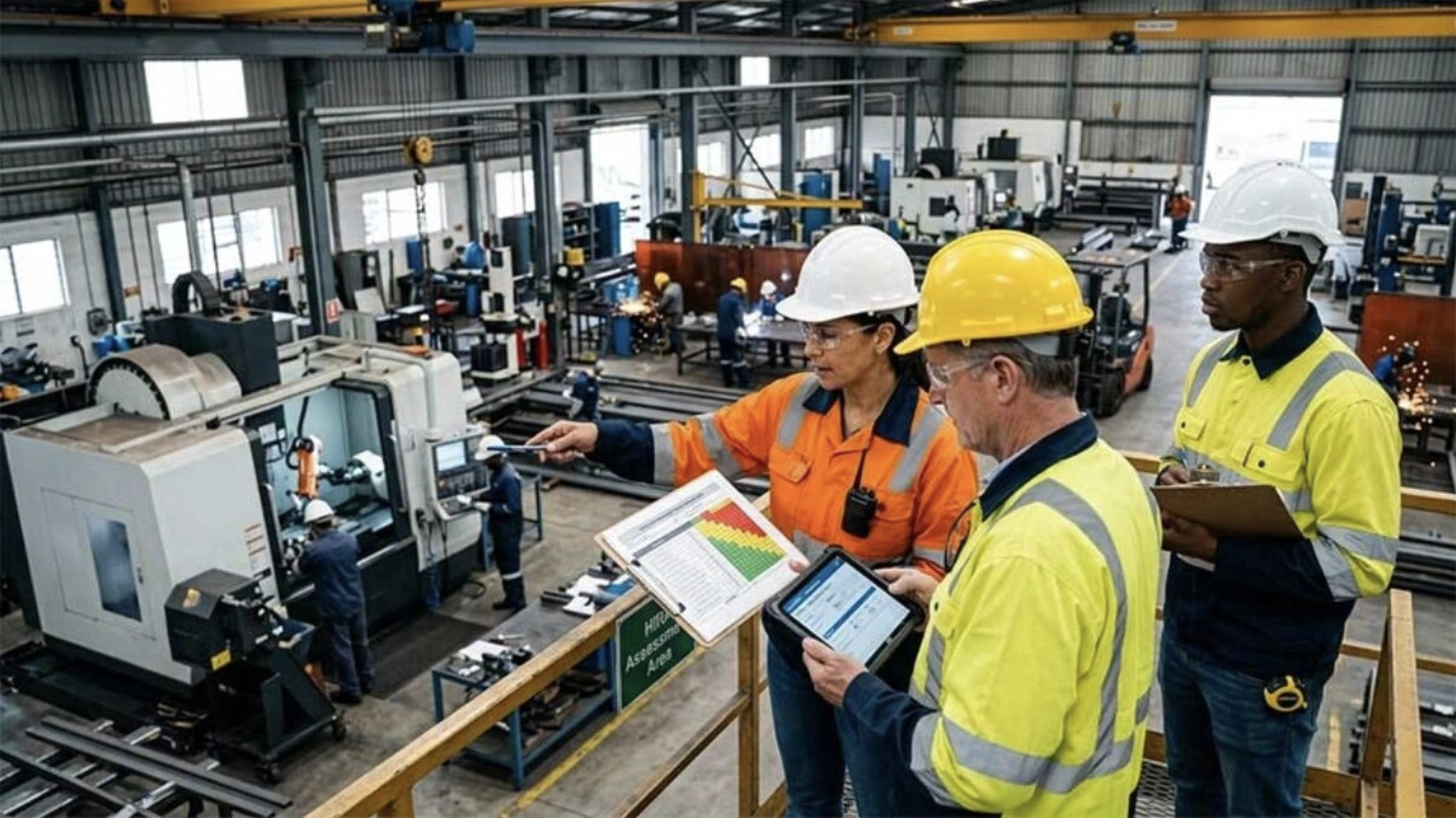
Risk matrices give standardized frameworks for categorizing assessed risks. These grids plot probability against severity, with each cell representing a risk level that needs specific management responses. Probability ranges across categories from rare to almost certain. Severity spans from negligible to catastrophic.
Severity levels account for multiple consequence types. Health impacts range from minor injuries needing first aid to fatalities or permanent disabilities. Property damage scales from minor equipment repairs to facility-wide destruction. Environmental consequences extend from contained spills to major ecological contamination. Organizations assign numerical values or color codes to matrix cells and establish clear thresholds for acceptable risk, risks needing additional controls, and unacceptable risks demanding immediate intervention.
Examples of hazards vs risks in the workplace
Physical hazard examples
Workplace machinery illustrates the difference between static hazards and variable risks. A metal press with exposed moving parts constitutes a mechanical hazard due to its crushing force and pinch points. The risk level changes based on protective measures and operational context. Light curtains, emergency stops and two-hand controls make the press present minimal risk despite unchanged crushing capacity. Remove these safeguards and the similar machine poses severe risk of amputation or fatality.
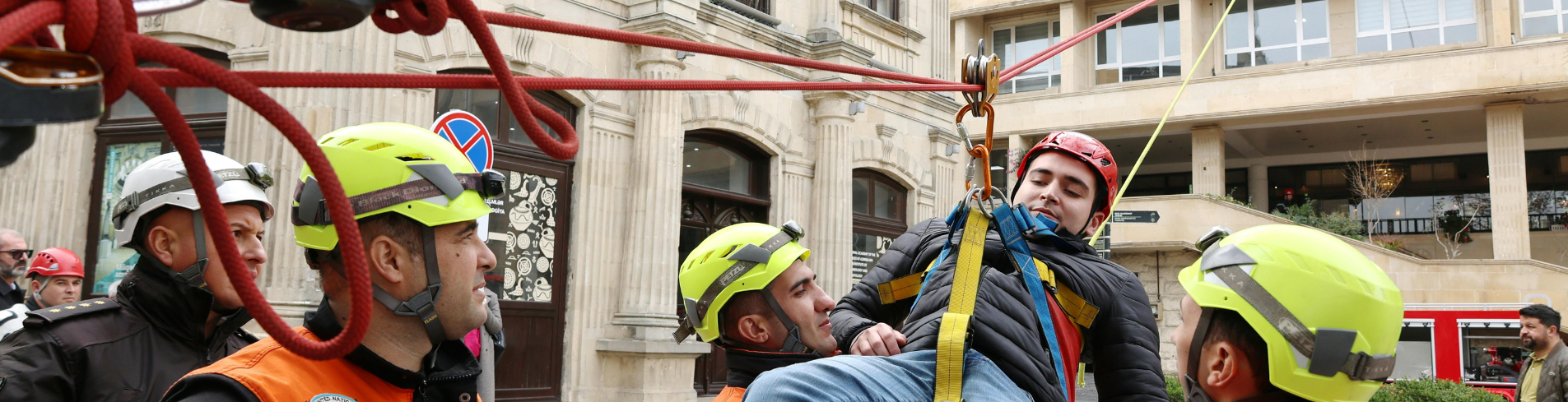
Heights demonstrate how elevation creates a fall hazard, while risk depends on fall prevention systems. A worker on a platform six meters above ground faces a fall hazard inherent to the elevation. Guardrails, toe boards and a secure surface drop the risk to negligible levels. That same six-meter height without protective barriers generates extreme risk. The hazard remains constant at six meters, but risk varies from minimal to catastrophic based on controls.
Noise exposure provides a clear example. Industrial equipment generating 95 decibels creates a hearing damage hazard. Workers who use proper hearing protection and limit exposure duration decrease the risk of permanent hearing loss. Without protection during extended shifts, that similar 95-decibel hazard produces high risk of irreversible damage.
Chemical hazard examples
Cleaning solvents containing methylene chloride represent chemical hazards due to toxic and carcinogenic properties. A well-ventilated area with workers wearing respirators and chemical-resistant gloves keeps the risk low despite the substance's inherent dangers. The same solvent in an enclosed space without protective equipment transforms low risk into immediate danger of poisoning or long-term cancer risk.
Corrosive acids used in metal treatment maintain their hazardous properties whatever the handling procedures. A hydrochloric acid solution poses chemical burn hazards at any concentration. Approved containers within a ventilated cabinet, proper transfer equipment and trained personnel wearing face shields and acid-resistant clothing make the risk manageable. Improper storage or handling without protection escalates risk to severe chemical burns or eye damage.
How controls change risk levels
Engineering controls modify risk without altering hazard properties. Machine guarding prevents contact with dangerous components, ventilation systems reduce airborne contaminant concentrations and isolation barriers separate workers from energy sources. Administrative controls like job rotation limit exposure duration and reduce cumulative risk while the hazard persists. Personal protective equipment serves as the final barrier and lowers risk when engineering solutions cannot eliminate exposure pathways.
Managing hazards and controlling risks
Effective safety programs prioritize hazard elimination over risk mitigation whenever feasible. Elimination removes the hazard and eliminates all associated risks, whatever the exposure scenarios. Substitution replaces high-hazard materials or processes with lower-hazard alternatives when elimination proves impractical. This reduces baseline risk levels in all exposure conditions.
Engineering controls physically separate workers from hazards without requiring behavioral compliance. Machine guards, ventilation systems and automated processes reduce exposure pathways. Risk lowers while hazards remain present. Administrative controls modify work practices through scheduling, training and procedural requirements. These measures reduce exposure duration and frequency but depend on consistent human adherence.
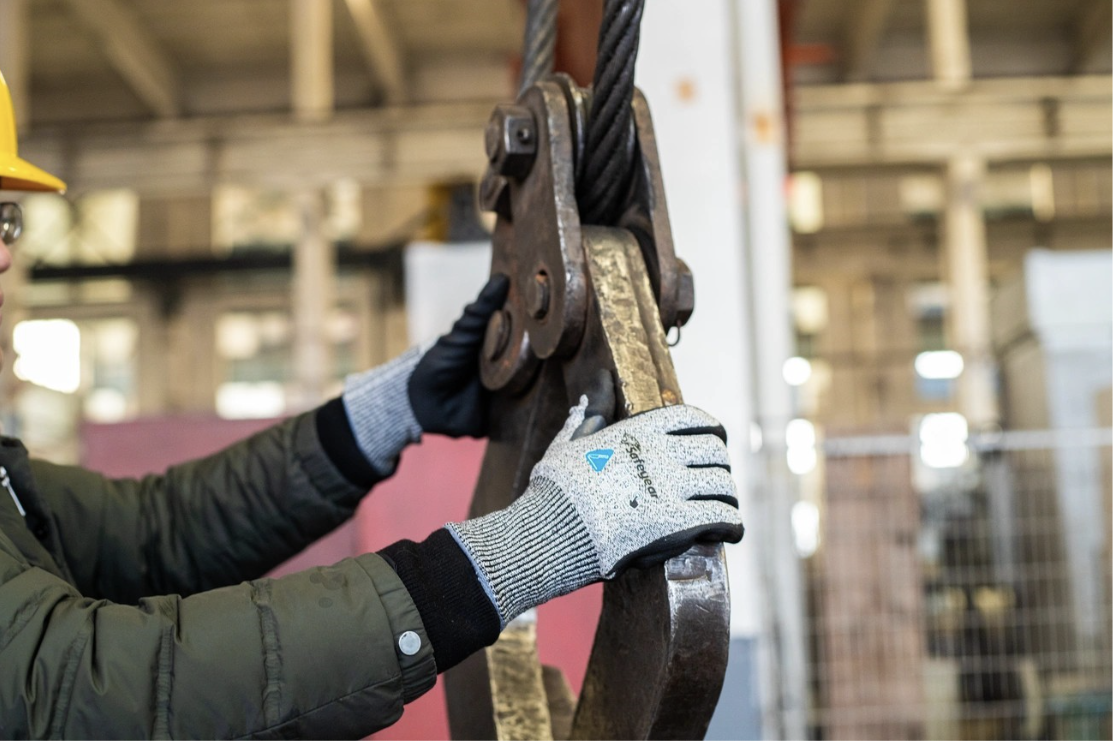
Personal protective equipment functions as the last defense when engineering and administrative controls cannot reduce risk adequately. Respirators, gloves and safety harnesses provide individual protection. They require proper selection, fit testing and maintenance to work.
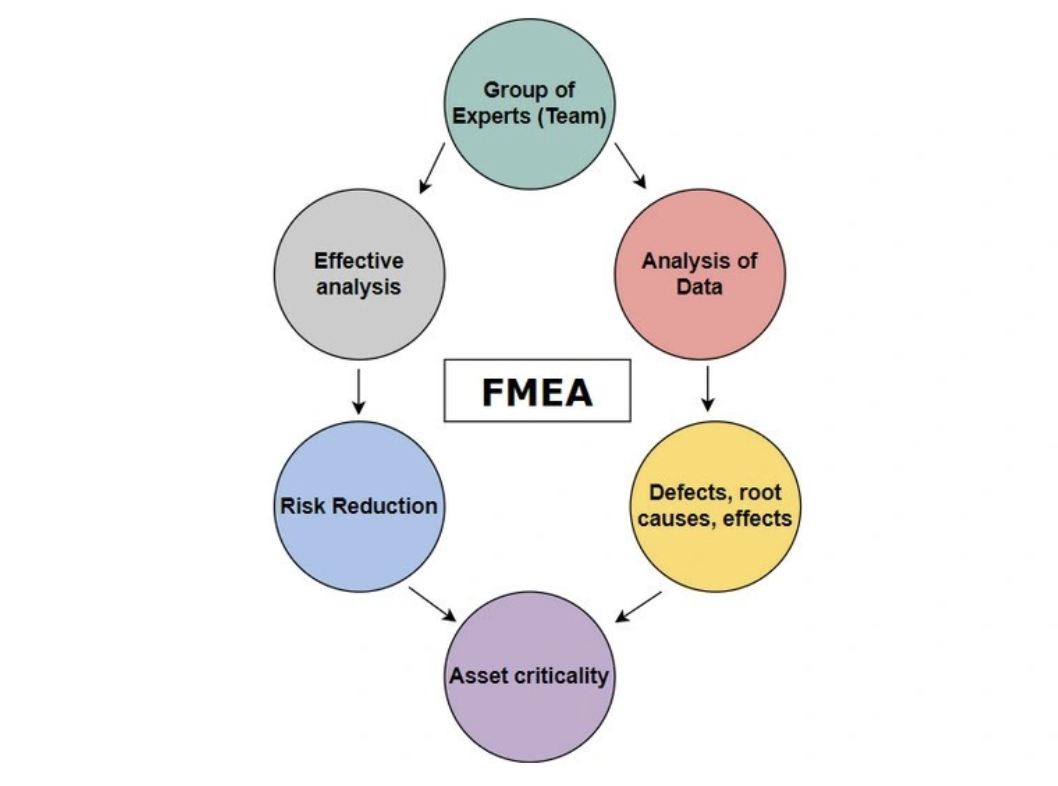
Continuous monitoring verifies control effectiveness over time. Regular inspections detect control failures before exposure increases risk levels. Incident tracking identifies patterns that require additional interventions. So management systems integrate hazard identification, risk assessment, control implementation and performance review into cyclical processes. This approach acknowledges that while some hazards cannot be eliminated from operations, rigorous control measures maintain risks within acceptable tolerances through sustained attention to exposure prevention.







































.png)









.png)
.png)
.png)
.png)
.png)
.png)
.png)

.png)
.png)
.png)
.png)
.png)
.png)
.png)
.png)
.png)
.png)
.png)
.png)
.png)
.png)
.png)
.png)
.png)
.png)
.png)
.png)
.png)
.png)


Ready to Save Lives at Work?
With Impress Solutions, you’re not just getting a service, you’re securing peace of mind with a partner you can trust. Book a free consultation today, and let’s map out how we can help you save lives at work.

.png)