
How to Identify Workplace Hazards? A 3-Step System for Prevention

Blog Summary:
Effective workplace hazard identification is crucial in preventing injuries and illnesses. Regular inspections, risk evaluation using matrices, and ongoing monitoring of controls are vital in safeguarding employees.
TL;DR: Hidden Workplace Hazards: The Complete Identification System
• Spot Hazards: Regular inspections to identify physical, chemical, biological, and psychological risks.
• Assess Risk: Evaluate severity and likelihood of hazards using a risk matrix.
• Control Hazards: Implement elimination, substitution, or engineering controls, and monitor effectiveness.
• Ongoing Monitoring: Review control measures regularly or after significant changes.
• Proactive Safety: Focus on preventing accidents through systematic hazard identification and control.
Introduction:
Hazard identification and risk assessment remains the critical first step in preventing injuries and illnesses that can affect employees. Identifying workplace hazards effectively requires a systematic approach.
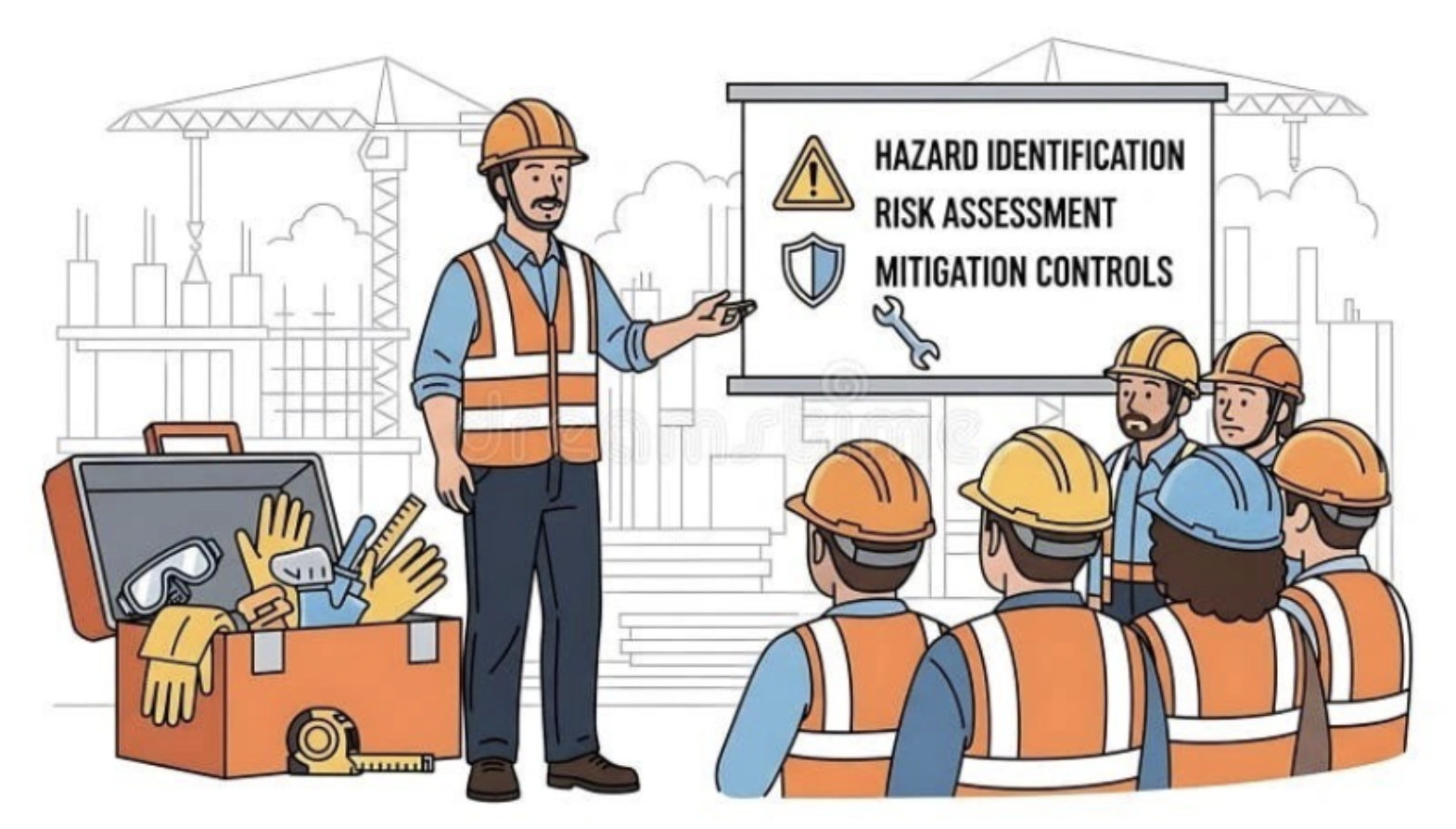
The process typically follows three essential steps: spotting the hazard, assessing the risk, and making the necessary changes to control that risk.
When organisations properly identify hazards, they establish the foundation for making their products and processes safer.
Step 1: Spotting Workplace Hazards
Spotting potential dangers is the cornerstone of effective workplace hazards identification. A hazard is anything that could cause harm, injury, or ill health to a person in the workplace.
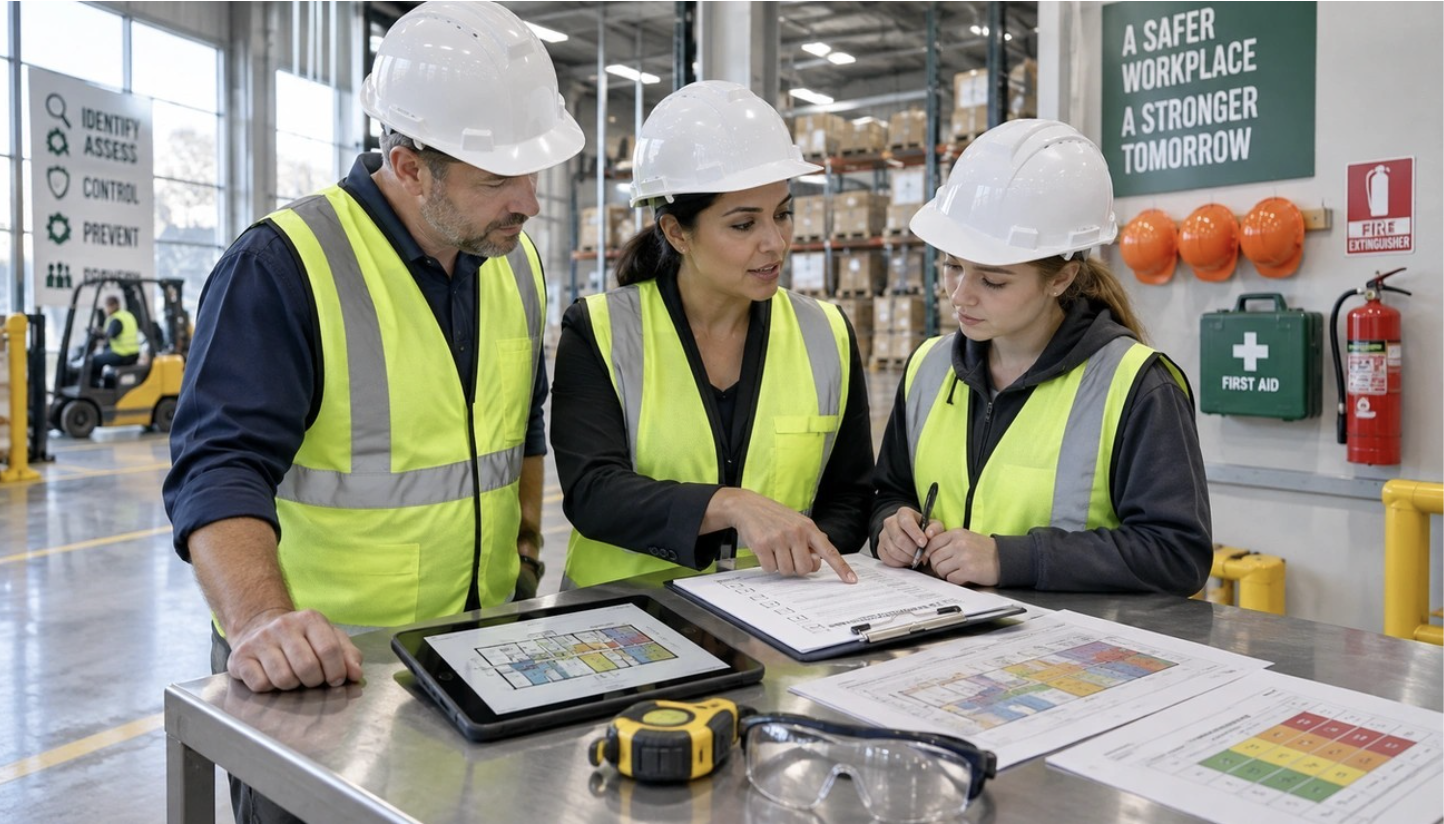
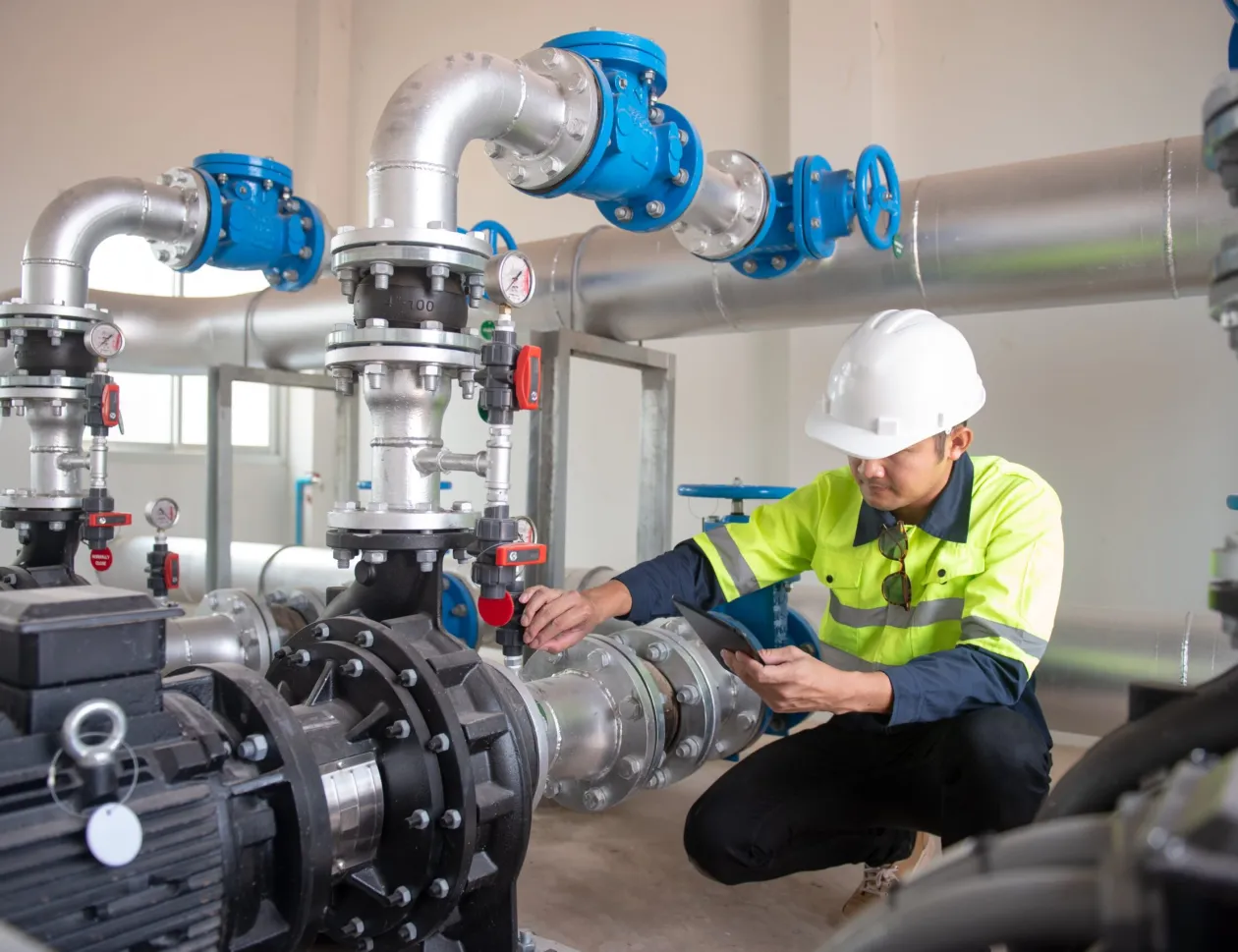
Regular workplace inspections serve as the primary method to identify hazards. During inspections, look beyond obvious risk assessment tools and focus on significant hazards that could affect multiple people.
Thorough hazard identification involves examining different categories including
- Physical hazards (such as electrical issues and trip hazards)
- Chemical hazards (stored substances)
- Biological hazards (such as mould and pathogens)
- Psychological hazards (including workplace stress).
Proper documentation remains crucial throughout this process.
Record each identified hazard using a formal hazard identification form and integrate findings into a comprehensive safety action plan.
Step 2: Assessing the Risk
After identifying workplace hazards, the next critical step involves evaluating how likely they are to cause harm and determining potential severity.
Risk assessment helps organisations understand which hazards require immediate attention.
Evaluating risk requires considering two primary factors.
First, assess the potential severity of consequences, ranging from minor injuries requiring first aid to serious injuries or fatalities.
Second, determine the likelihood of harm occurring based on exposure frequency, duration, and the conditions under which workers perform tasks.
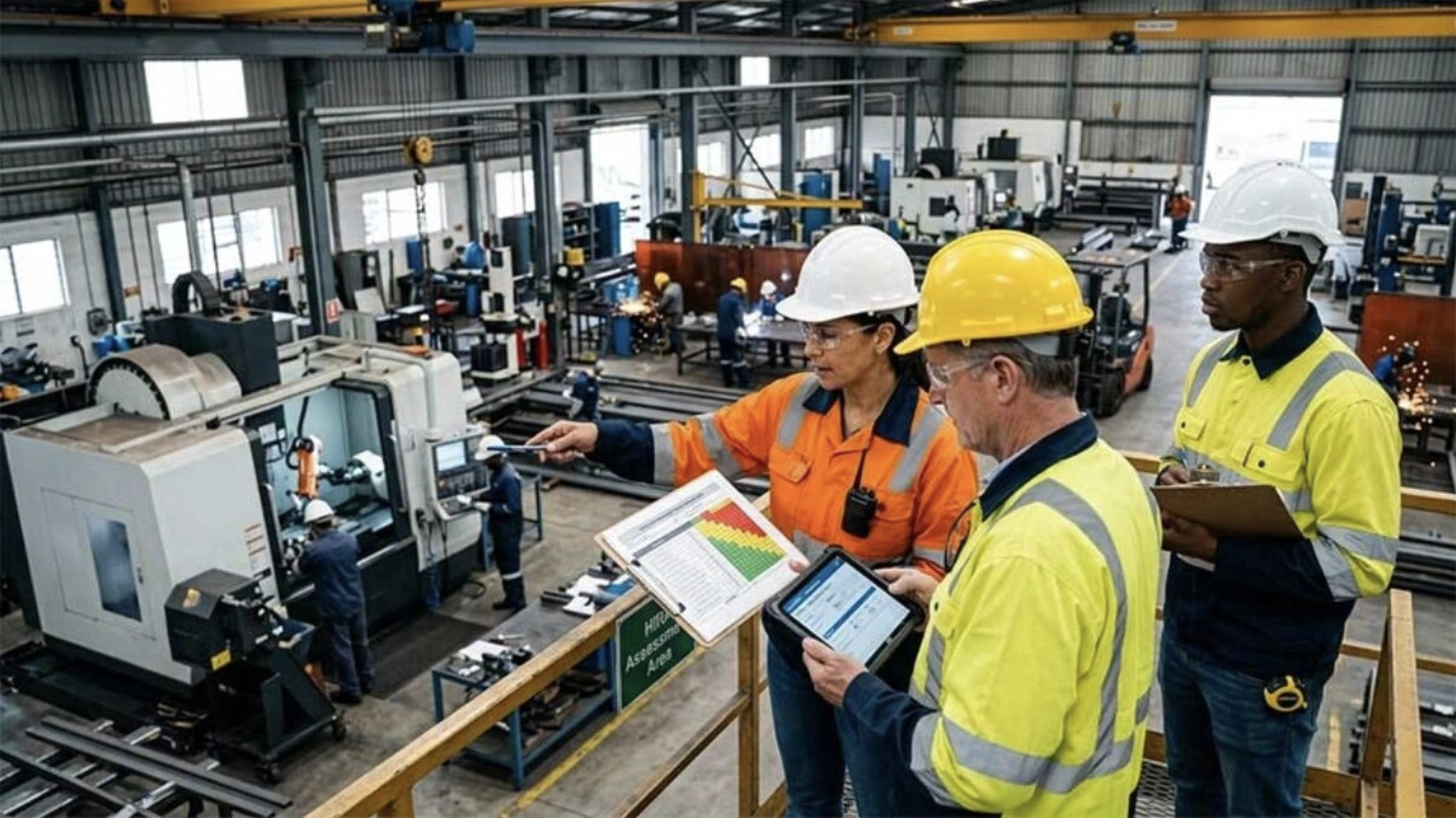
A risk matrix provides a visual tool for prioritising hazards.
This grid plots severity against probability, helping safety teams determine which hazards fall into low, moderate, significant, or severe risk categories.
For instance, a hazard with high likelihood and catastrophic consequences would be classified as a severe risk requiring immediate action.
Step 3: Controlling and Monitoring Hazards
Implementing proper control measures forms the third crucial step in workplace hazard critical risk management.
The hierarchy of controls provides a systematic approach to managing workplace hazards, ranging from most to least effective.
The most effective method is elimination, completely removing the hazard from the workplace.
If elimination proves impractical, consider substitution by replacing hazardous materials with safer alternatives.
Engineering controls involve physical modifications like machine guards or ventilation systems.
After implementing controls, ongoing monitoring remains essential. Review control measures:
- When a control measure fails to work effectively
- Before workplace layouts or practices change
- When introducing new equipment or processes
- Upon discovering new problems
- If consultation indicates the necessity
- Following injuries or near misses
- At the health and safety representative's request
Regular reviews should be scheduled at least annually, with additional checks following significant workplace changes.
Conclusion
Workplace safety demands a proactive approach rather than reactive measures.
Consequently, the three-step workplace hazards identification system outlined above offers organisations a structured methodology to prevent accidents before they occur.
Businesses partnering with Impress Solutions gain access to proven methods that transform workplace safety performance.
Get in touch with us to learn more!










































.png)






.png)
.png)
.png)
.png)
.png)
.png)
.png)

.png)
.png)
.png)
.png)
.png)
.png)
.png)
.png)
.png)
.png)
.png)
.png)
.png)
.png)
.png)
.png)
.png)


Ready to Save Lives at Work?
With Impress Solutions, you’re not just getting a service, you’re securing peace of mind with a partner you can trust. Book a free consultation today, and let’s map out how we can help you save lives at work.

.png)