How to Master Hazard Identification in the Workplace: A Step-by-Step Guide

Hazard identification in the workplace can prevent injuries before they happen. Many businesses don't deal very well with spotting dangers hiding in plain sight though.
Think over this: frayed electrical cords or precariously stacked boxes might seem minor. These common hazards can result in serious injuries if left unaddressed. Workplace hazard identification isn't just good practice, and with good reason too. Anyone conducting a business or undertaking (PCBU) must do it by law.
You protect your workers and boost productivity when you understand the difference between hazard and risk and follow a process of hazard identification.
We'll walk you through everything in workplace hazard identification. You'll learn to spot dangers and implement controls that work to keep your team safe.
Understanding Hazards and Risks in the Workplace
A hazard is anything with the potential to cause harm to a person. This has substances, machinery, activities, methods of work, or processes that could result in death, injury, damage, or other loss [1]. Hazards exist independently of any specific interaction or situation [2].
Risk represents the probability that harm will occur when someone is exposed to a hazard. Risk calculates how likely it is that someone will be hurt and how severe the injury might be [3]. The formula is straightforward: Likelihood x Severity = Risk.
This difference matters. Hazards are static while risks are contextual [2]. A toxic chemical sealed in a container presents low risk. The same chemical leaking poses much higher risk. You identify hazards first and then assess their risks.
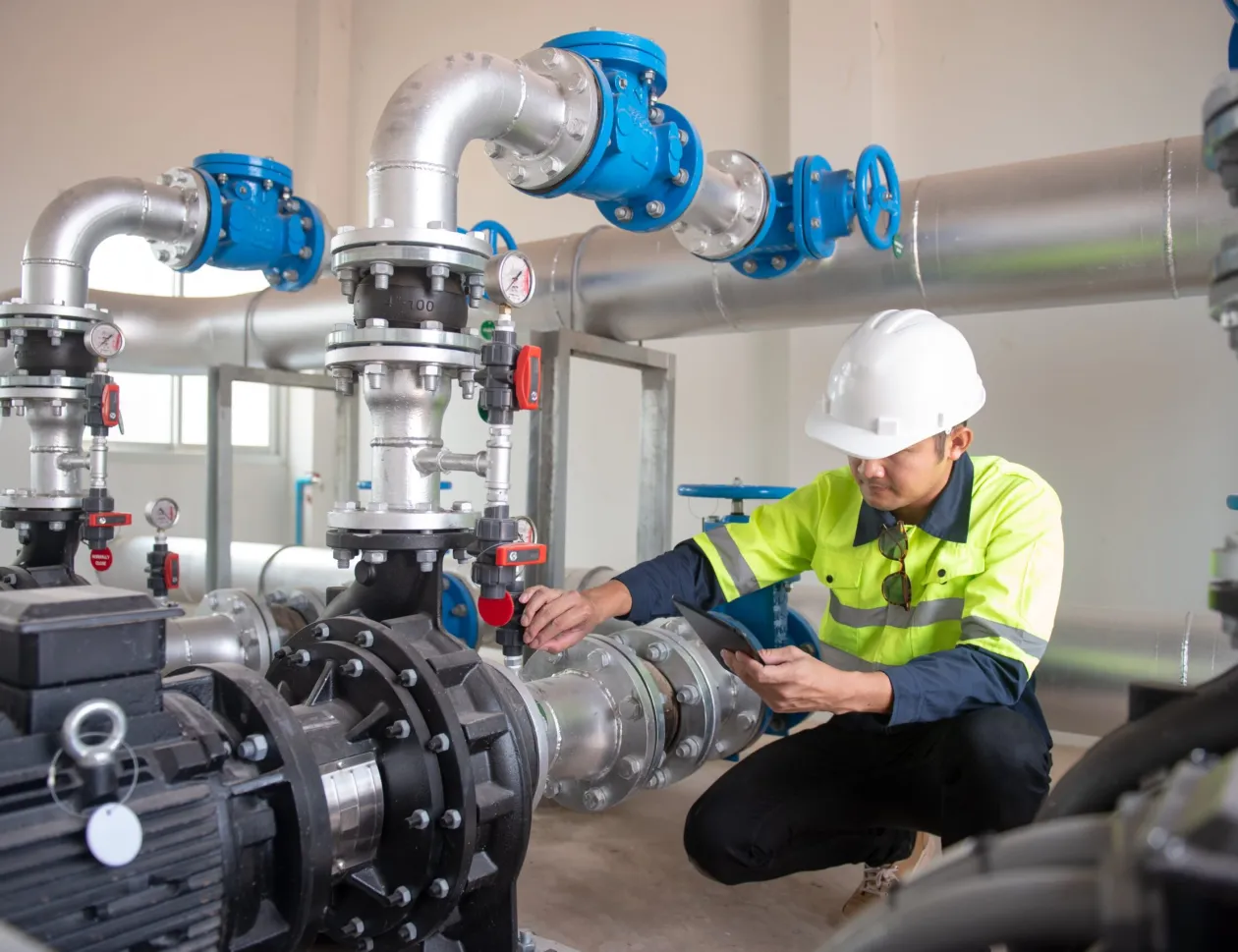
Hazards in workplaces fall into several categories. Physical hazards include machinery with moving parts, stairs, or temperature extremes. Chemical hazards include solvents, adhesives, paints, and toxic dusts. Biological hazards involve bacteria, viruses, and infectious diseases. Ergonomic hazards arise from heavy lifting and repetitive motions. Psychological hazards stem from work-related stress and high-pressure deadlines [4][2].
Risk is the product of hazard and exposure. You can reduce risk by controlling or eliminating the hazard. You can also reduce workers' exposure to hazards [4].
The Process of Hazard Identification
Spotting workplace hazards requires a systematic approach that goes beyond casual observation. You should identify hazards when new processes, equipment, or machinery enter your workflow, before each shift starts, during work performance, in formal or informal inspections, and after incidents occur [5].
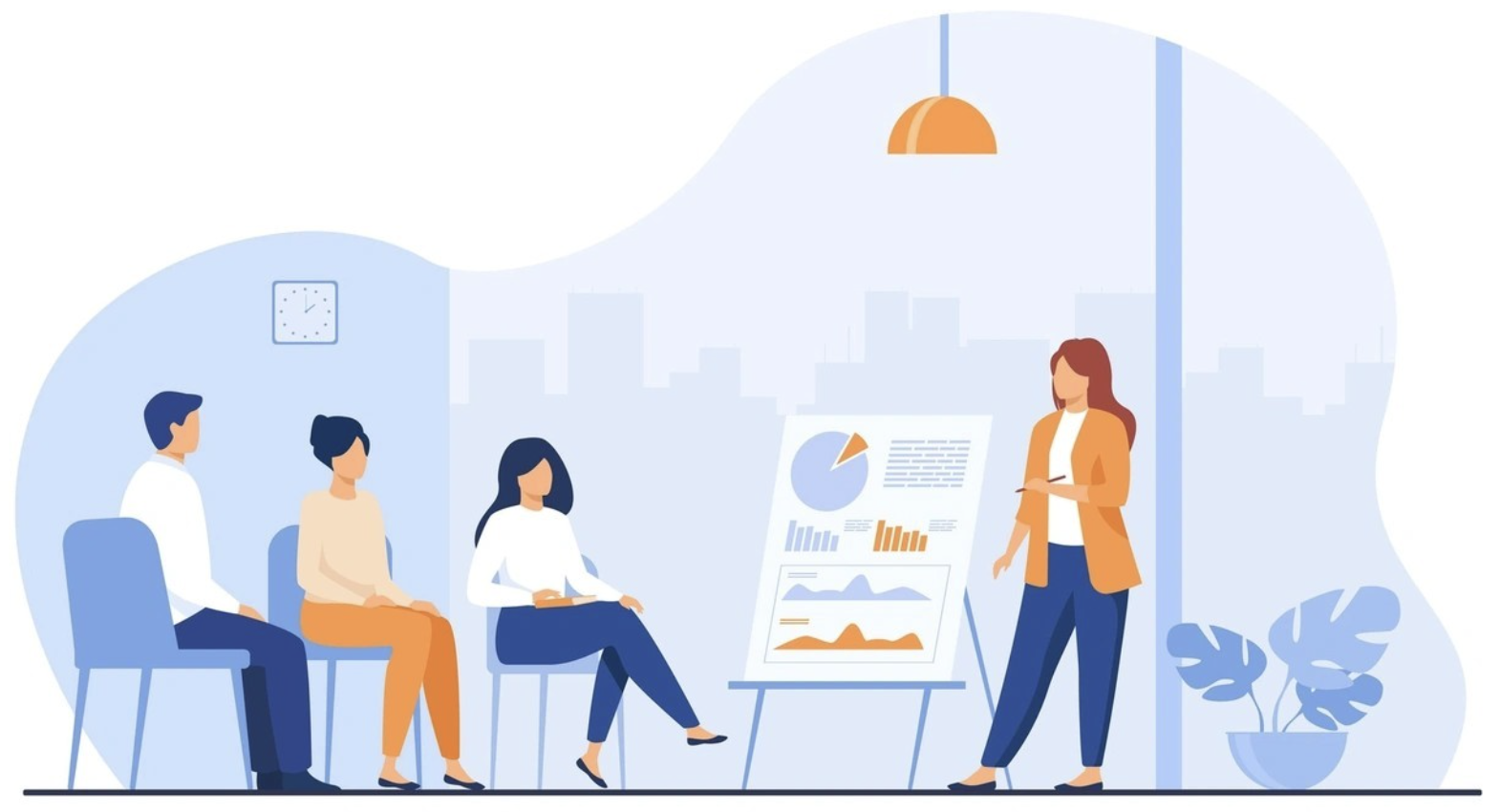
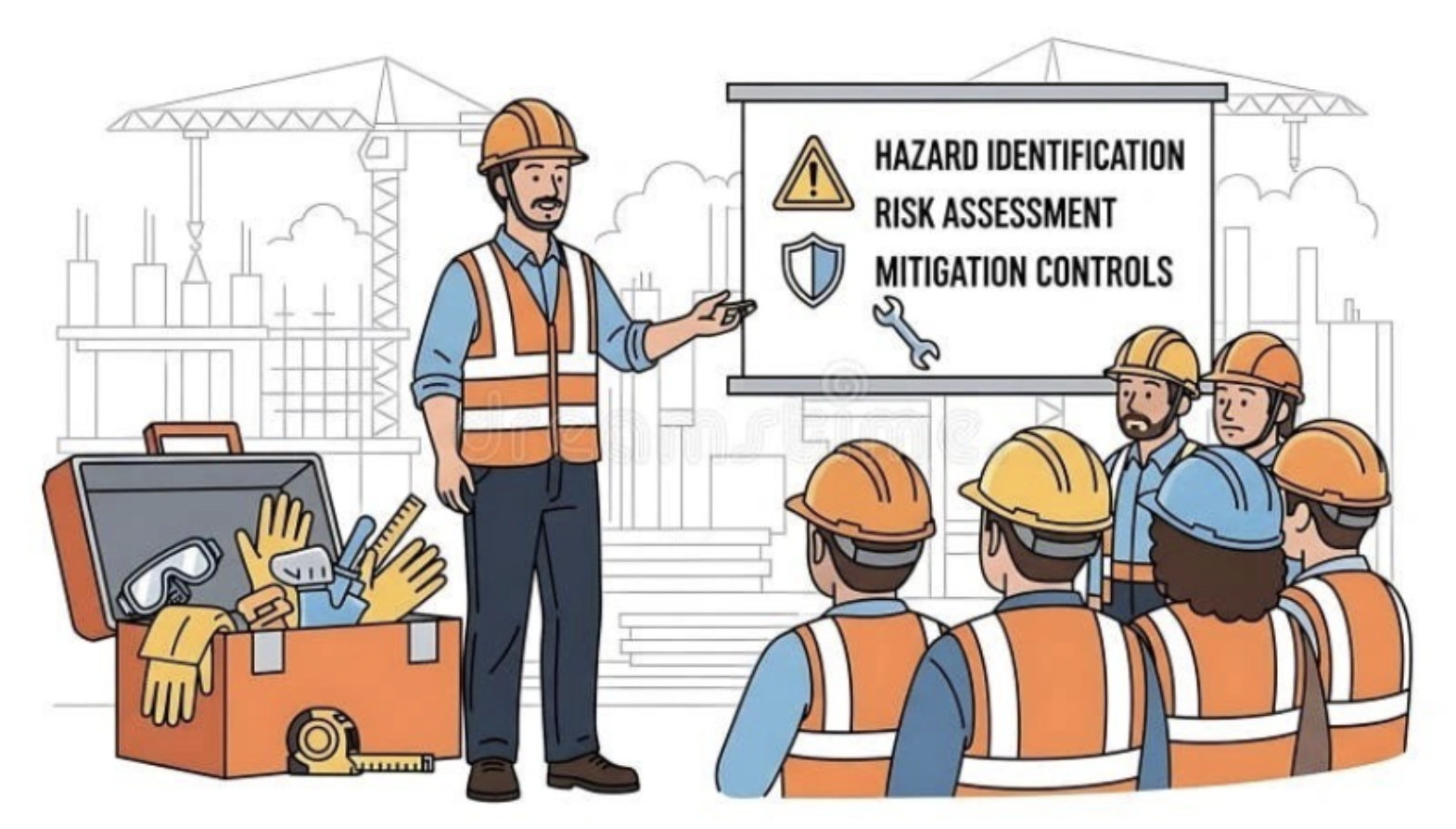
Hazard identification works best as a shared effort between employers and workers [5]. Workers possess hands-on knowledge and expertise that are a great way to get insights into dangers you might otherwise miss [6]. Consulting with workers through meetings, pre-start briefings, toolbox talks, or feedback during floor walks helps uncover hazards that formal inspections alone cannot detect [7].
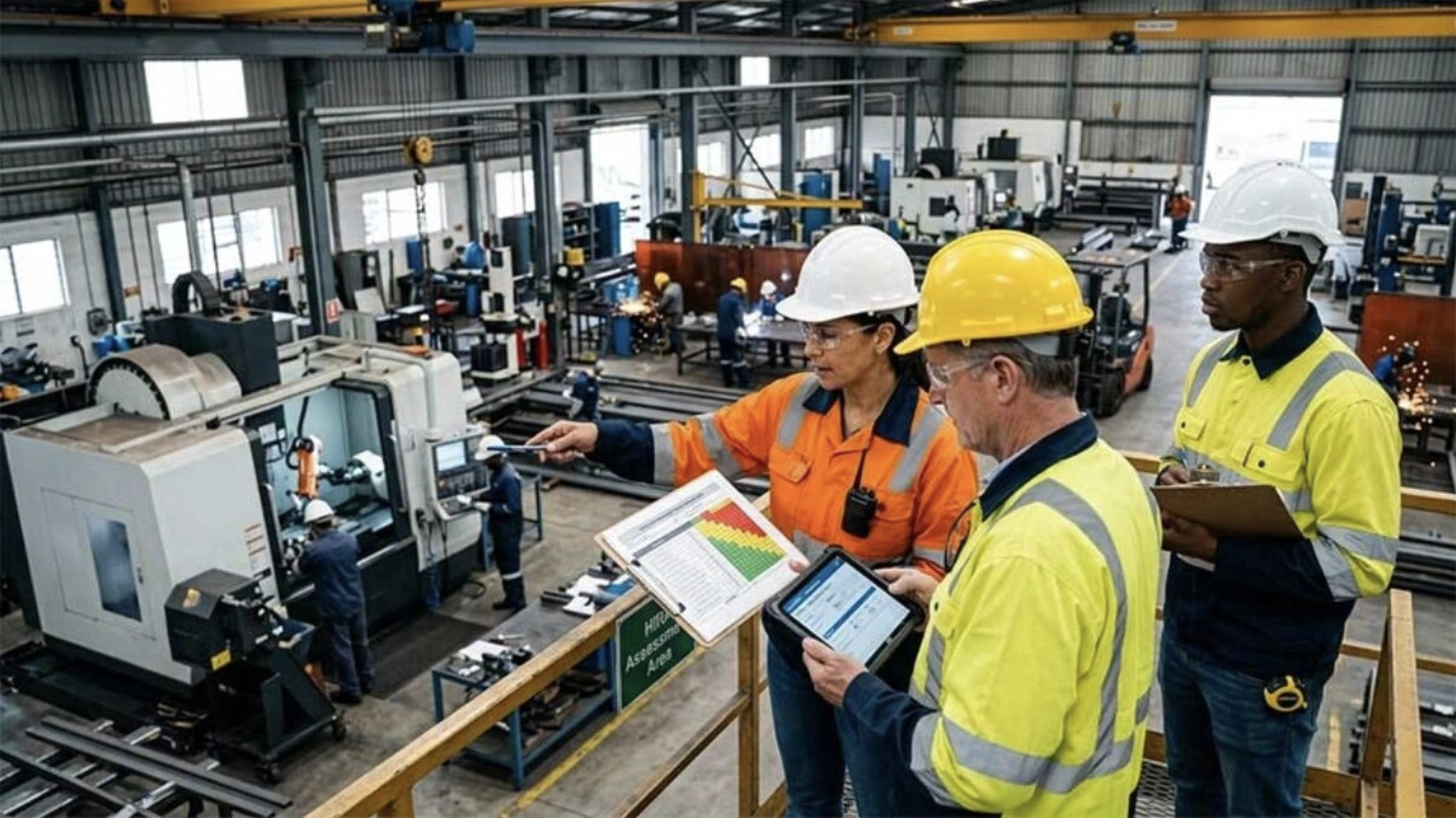
Conduct workplace walkthroughs to inspect work areas, equipment and processes [8]. Walk through your workspace and look for loose cables, damaged equipment or cluttered areas [9]. Review past incidents or near-miss logs to break down root causes and identify similar trends [5]. Get into equipment and tools to ensure they remain in good condition, especially when you have higher-risk items requiring pre-start checks [9].
Collect information from multiple sources: Safety Data Sheets from chemical manufacturers, equipment operating manuals, self-inspection reports, workers' compensation records and exposure monitoring results [10]. Document each identified hazard using a hazard identification form [11]. Keep written records of all hazards, assessed risks and chosen control methods [12].
Involve Health and Safety Representatives in any consultation affecting their work group members [13]. Perform inspections at frequencies appropriate to your risk level [14].
Assessing and Controlling Workplace Hazards
Document the hazards first. Then assess the level of risk each one poses. Risk assessment involves two key factors: likelihood and consequence. Estimate how probable it is that each hazard will cause an incident using categories like Rare, Unlikely, Possible, Likely, or Almost Certain [15]. Determine the severity of what harm could result using scales ranging from Insignificant to Catastrophic [15].
Plot these ratings on a risk assessment matrix where likelihood intersects with consequence to produce a risk rating: Low, Medium, High, or Extreme [15]. High and extreme risks just need immediate action, while low risks may require simple monitoring [15].
Assess the risks and then apply the hierarchy of controls to manage them [4]:
- Elimination removes the hazard from your workplace [4]
- Substitution replaces the hazard with something safer [4]
- Engineering controls prevent hazards from contacting workers through physical modifications like guards or ventilation [4]
- Administrative controls change work procedures to reduce exposure duration or frequency [4]
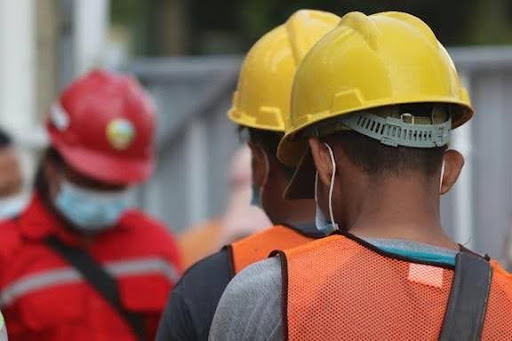
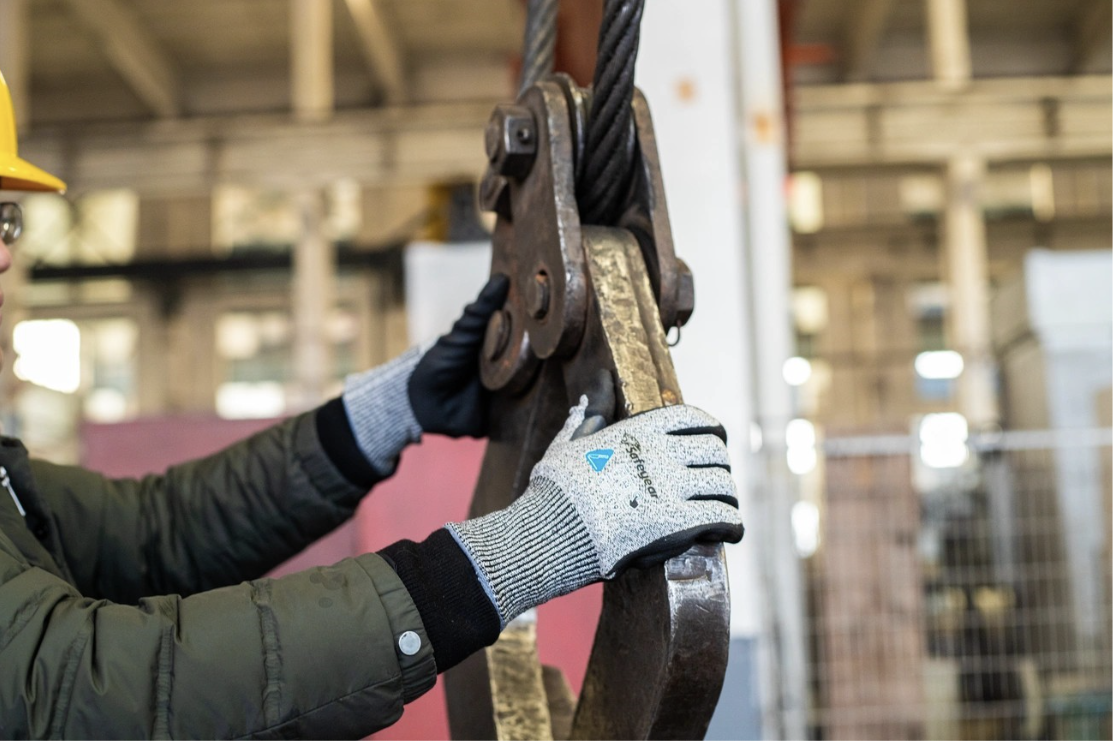
- Personal protective equipment provides a final defense when other controls don't work [4]
PPE ranks as the least effective control because it relies on worker compliance and correct usage [16]. Use it only after exhausting higher-level controls or as temporary protection while implementing permanent solutions [4].
Review controls when equipment changes, incidents occur, or workers report concerns [15].
Conclusion
Workplace hazard identification protects your team and will give compliance with safety regulations. A systematic approach helps you spot dangers and assess risks so you can prevent injuries before they happen. Note that the key to working hazard management is consistency and worker involvement. Start conducting regular inspections and document everything you find. Always prioritize higher-level controls over PPE. Your workers' safety depends on the actions you take today.





































.png)





.png)
.png)
.png)
.png)
.png)
.png)
.png)

.png)
.png)
.png)
.png)
.png)
.png)
.png)
.png)
.png)
.png)
.png)
.png)
.png)
.png)
.png)
.png)
.png)
.png)
.png)
.png)
.png)


Ready to Save Lives at Work?
With Impress Solutions, you’re not just getting a service, you’re securing peace of mind with a partner you can trust. Book a free consultation today, and let’s map out how we can help you save lives at work.

.png)