How to Build a Fail-Safe Workplace Health and Safety Compliance System

Blog Summary:
Workplace health and safety compliance is crucial for protecting organisations, but many struggle without proper guidance. A safety consultant can help businesses navigate regulations, implement effective systems, and engage employees to build a culture of safety.
TL;DR: Overcoming Challenges in Workplace Health and Safety Compliance
- Challenge 1: Many businesses lack a clear starting point for WHS compliance, leading to incomplete safety systems.
- Solution: Conduct risk assessments, gap analysis, and establish a systematic approach to ensure compliance.
- Challenge 2: Insufficient skills, support, or resources hinder effective safety practices.
- Solution: Provide training, internal resources, and consider external consultants for expert guidance.
- Challenge 3: Legal risks and workforce engagement are crucial for compliance success.
- Solution: Prioritise legal adherence, proper record-keeping, and foster a safety-first culture with employee involvement.
Introduction:
Workplace health and safety consultants protects organisations while delivering measurable business benefits.
However, many businesses struggle to implement comprehensive safety frameworks without proper guidance.
A workplace safety consultant can provide the expertise needed to navigate complex regulations and create sustainable systems.
Challenge 1: No Clear Starting Point for WHS Compliance
Many organisations struggle to determine where to begin with workplace health and safety compliance.
The absence of a clear starting point often leads to incomplete or ineffective safety systems.
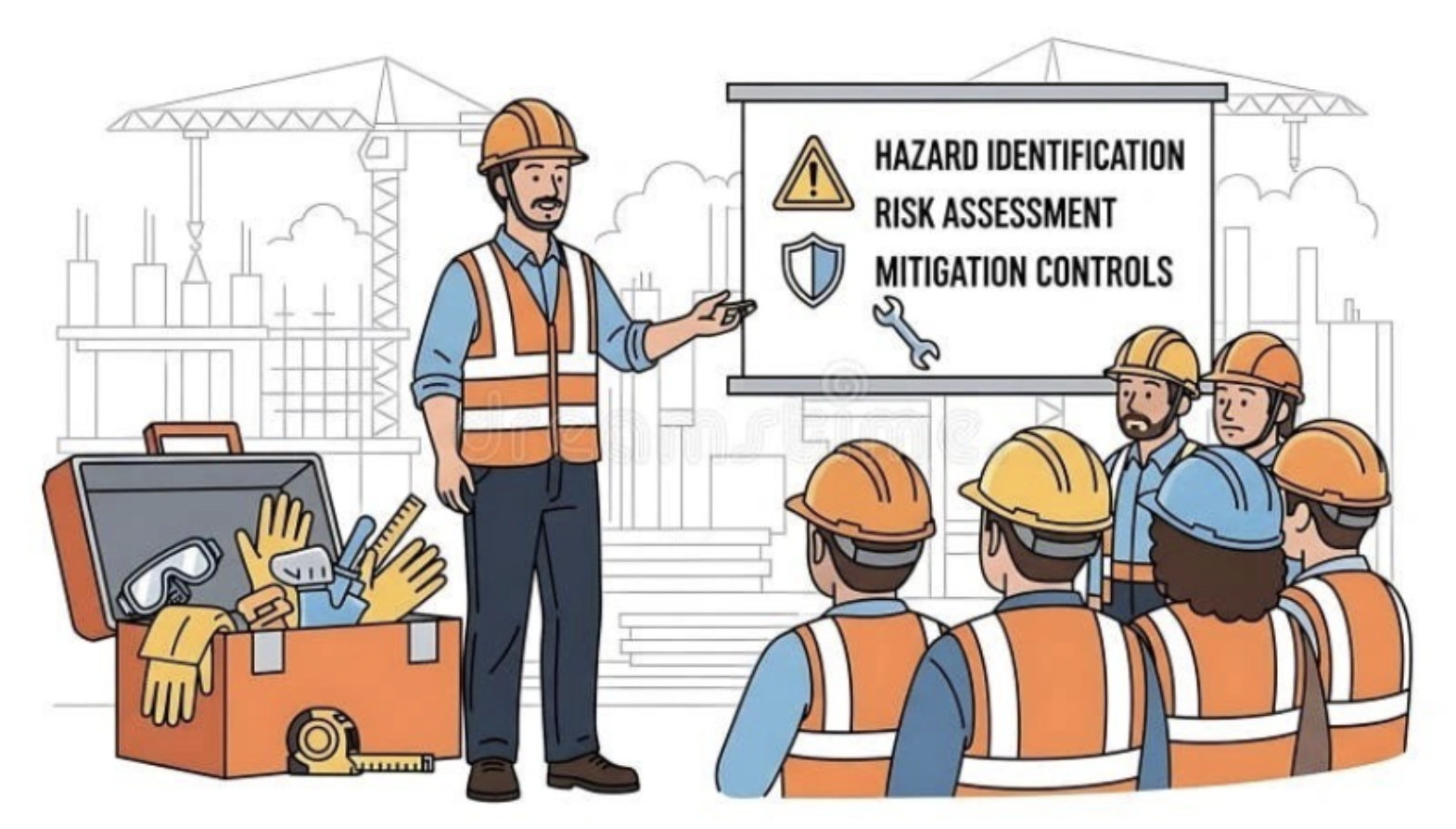
Primarily, the workplace health and safety compliance process should begin with identifying workplace hazards.
Organisations must conduct a risk assessment to identify potential hazards that could cause harm in the workplace.
Essentially, a gap analysis compares current safety practices against legal requirements and industry standards.
This process reveals where systems, policies, and practices do not match compliance needs.
WHS compliance requires ongoing monitoring and review of control measures.
Reviewing control measures ensures they work as planned and remain effective over time.
Therefore, workplace safety consultant recommend establishing a systematic approach to compliance rather than ad-hoc solutions.
Challenge 2: Lack of Skills, Support, or Resources
Organisations commonly face challenges with workplace health and safety compliance due to insufficient expertise and resources.
Leaders at all levels influence attitudes and behaviours toward safety through both formal roles and personal influence.
Without appropriate skills and resources, establishing effective WHS systems becomes nearly impossible.
Workplace safety consultancy recognise that resource adequacy must be tailored to the specific needs of flexible working arrangements.
Many businesses lack internal capabilities to properly identify hazards, assess risks, and implement control measures.
Organisations should provide comprehensive training programs that equip employees with the necessary safety knowledge and skills.
Workplace training improves skills, knowledge, productivity, and morale while building in-house OHS capabilities.
External safety professionals can provide fresh perspectives on organisational risk profiles and guide best practices.
Challenge 3: Legal Risks and Workforce Engagement
Legal risks present significant challenges for businesses that fail to establish proper workplace health and safety compliance systems.
Non-compliance can lead to fines, business disruptions, and reputational damage.
Proper record-keeping of all risk management decisions and activities provides evidence of meeting due diligence requirements.
Indeed, regulators actively monitor and enforce compliance with WHS laws.
Workforce engagement forms another critical component of effective safety compliance.
Engaging employees in safety discussions yields valuable insights into operational realities.
By involving workers in identifying hazards and developing solutions, organisations foster ownership of safety procedures.
This participation helps standardise safe practices across the entire workforce.
Notably, psychological safety allows employees to discuss mistakes without fear of blame.
Above all, creating a safety-first culture means embedding safety in every workplace decision.
Ultimately, effective WHS compliance requires both legal adherence and genuine workforce engagement.
Conclusion
Building a fail-safe workplace health and safety compliance system requires addressing three fundamental challenges head-on.
Impress Solutions stands at the forefront of workplace health and safety compliance implementation.
Teams at Impress Solutions provide comprehensive support from initial gap analysis through full system implementation.
Connect with the team to know more!













































.png)











.png)
.png)
.png)
.png)
.png)
.png)
.png)

.png)
.png)
.png)
.png)
.png)
.png)
.png)
.png)
.png)
.png)
.png)
.png)
.png)
.png)
.png)


Ready to Save Lives at Work?
With Impress Solutions, you’re not just getting a service, you’re securing peace of mind with a partner you can trust. Book a free consultation today, and let’s map out how we can help you save lives at work.

.png)