Process Safety Management (PSM)
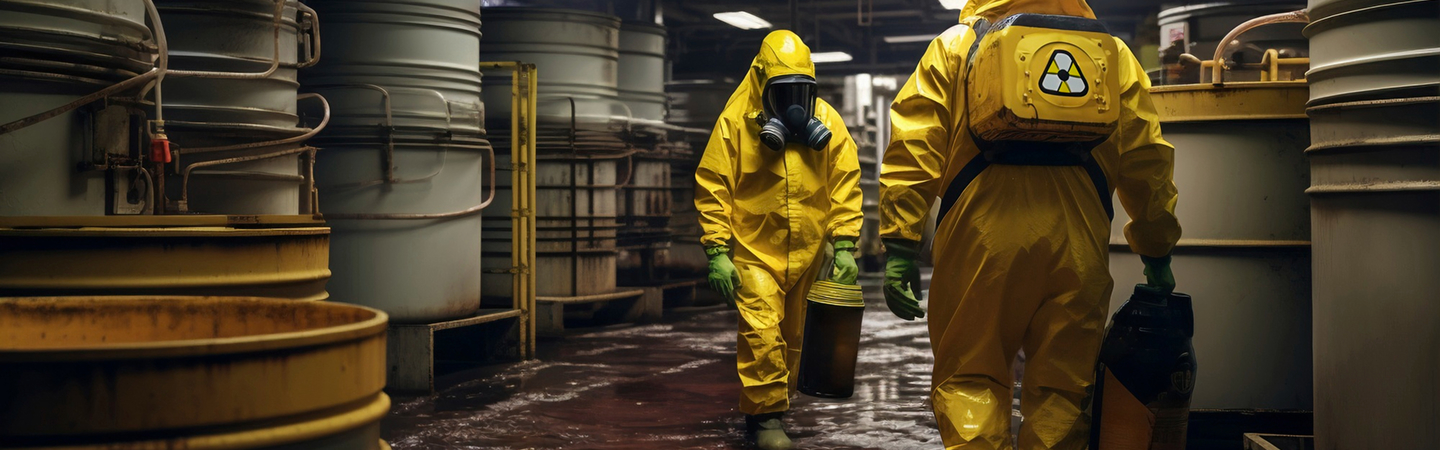
What is Process Safety Management (PSM)?
Process Safety Management (PSM) is a regulatory and organizational framework focused on managing and controlling risks associated with industrial processes with highly hazardous chemicals. OSHA created the Process Safety Management of Highly Hazardous Chemicals standard (29 CFR 1910.119), which contains requirements to manage hazards associated with processes using highly hazardous chemicals [1]. This framework emphasizes hazard management through a complete management program that integrates technologies, procedures and management practices [1].
PSM uses systems and principles to identify hazards, assess risks and control hazards associated with high-risk processes on a continuous basis [2]. The framework addresses processes where chemicals are handled, used, stored, moved or manufactured. It focuses especially on operations where process incidents or failures may result in catastrophic consequences. These consequences include fatalities, injuries, exposures, fires, explosions, chemical releases, spills, structural collapses and equipment malfunctions [2].
The main goal of PSM is to protect workers, the surrounding community and the environment while also protecting the business and its assets [2]. Companies achieve this protection through a practice designed to manage business operations critical to process safety [3]. PSM serves as an analytical tool that helps companies prevent harmful highly hazardous chemicals from being mishandled or released [4]. Companies that implement these programs correctly should be able to prevent fires, explosions and the release of hazardous chemicals that could pose a safety risk to workers or the general public [4].
PSM extends beyond prevention to include response and recovery from process-related incidents [2]. The framework mandates full investigation of incidents to identify root causes and implement corrective actions to prevent recurrence. On top of that, when new processes are being introduced or when there are changes to an existing process, hazards, risks and control measures need to be confirmed again [2].
The framework can be implemented using various schemes, including those made available by OSHA, EPA, AIChE's Center for Chemical Process Safety or the Energy Institute [3]. PSM schemes are built around 'elements', with different schemes based on different lists of elements [3]. OSHA's regulation breaks down into 14 elements that comprise the entire scope of process safety management [4].
PSM is important for many types of industries where hazardous materials and complex processes are part of operations. Industries that rely on PSM include oil and gas, energy generation, manufacturing, mining, food and beverage, pharmaceutical, chemical, pulp and paper, and construction [2]. Each element within PSM either contributes to other elements or requires other elements to be completed. This creates interdependency between elements that is critical for successful implementation [4].
Why is Process Safety Management important?
Industries handling highly hazardous chemicals face severe consequences when process safety measures fail. The necessity for systematic PSM stems from the potential for catastrophic incidents, including explosions, fires, and toxic releases that can result in fatalities, injuries, environmental contamination, and substantial property damage. Historical disasters underscore these risks. The 1989 Phillips 66 explosion in Houston killed 23 workers and injured 132. This ended up leading to OSHA creating the PSM Standard [5]. The BP Texas City refinery incident in 2005 killed 15 workers and injured 180. It cost BP over AUD 4.59 billion in compensation, repairs, and lost profits [5]. Investigation revealed that minor issues contributed to the disaster. Falling blocks of concrete, thinned pipes, employee exposure to fumes, and broken alarms all played a role [6].
The Flixborough disaster of 1974 demonstrates how design failures can trigger widespread devastation. A temporary bypass pipe installed to replace a leaking section ruptured and ignited. It killed 28 workers and injured 36 others [5]. The 2020 Beirut explosion resulted in 218 fatalities and 7,000 injuries on a global scale. Property damage reached AUD 22.93 billion due to ammonium nitrate stored in a facility with inadequate safety measures and poor maintenance [5].
Current industry conditions magnify the need for reliable PSM programs. Recent industry data shows that 49% of companies report that losing experienced workers is increasing operational danger [2]. Aging infrastructure compounds this challenge. Many chemical plants and factories operate with outdated equipment that increases the likelihood of failures [2]. Much of the industry acknowledges a substantial disparity between safety objectives and actual practices. About 66% of companies recognize this gap [2].
PSM serves multiple protective functions. The framework safeguards workers and surrounding communities from process-related hazards. It protects the environment from disasters such as chemical spills, releases of hazardous materials, and contamination of air, water, and soil [7]. These incidents can have ecological impacts that last for years. They harm ecosystems and endanger wildlife [7]. PSM implementation yields operational advantages beyond safety benefits. Organizations experience reduced risk of catastrophic incidents and increased equipment reliability. Worker safety and morale improve, and reputation with stakeholders and regulators gets a boost [7].
The financial implications of inadequate process safety extend beyond immediate accident costs. Businesses face expenses related to downtime and loss of revenue. Equipment damage, clean-up efforts, legal fees, and regulatory penalties add up. Compensation for victims represents another cost [7]. Companies implementing PSM programs have observed comparable or greater benefits relative to development and implementation costs [7]. Studies demonstrate that PSM implementation decreases accident rates including fatalities. It reduces emergency shutdown cases and minimizes property damage. Reinsurance challenges get resolved [5]. Quality and productivity improvements accompany these safety improvements. Technical data such as P&IDs, HAZOP studies, and operating procedures become better organized [5].
Regulatory compliance represents another critical dimension. OSHA mandates PSM under 29 CFR 1910.119 for workplaces handling hazardous chemicals [5]. Adherence to process safety protocols helps organizations avoid fines and legal action. It shows they are willing to be responsible community members [6]. Effective PSM programs promote trust among communities that are aware of environmental and safety concerns. Businesses become more attractive to skilled workers who prioritize workplace safety [6].
Key elements of Process Safety Management
OSHA's PSM standard has 14 distinct elements that are the foundations for preventing catastrophic releases of toxic, reactive, flammable, or explosive chemicals [6]. These elements address different aspects of process safety. Each element contributes to or requires completion of other elements and creates critical interdependencies.
Process safety information
Process safety information requires employers to compile detailed written documentation before conducting process hazard analyzes [7]. This compilation helps organizations identify and understand hazards posed by processes with highly hazardous chemicals. The documentation falls into three primary categories: information on chemical hazards, technology of the process, and equipment in the process [6].
Chemical hazard information must include toxicity data, permissible exposure limits, physical data, reactivity data, corrosivity data, and thermal and chemical stability data. It must also cover hazardous effects of inadvertent mixing of different materials [7]. Safety data sheets compliant with 29 CFR 1910.1200(g) may fulfill these requirements if they contain the necessary information [6].
Technology documentation requires block flow diagrams or simplified process flow diagrams and process chemistry details. It must specify maximum intended inventory and safe operating limits for parameters such as temperature, pressure, flow, and composition. An assessment of consequences of deviations from these limits is also required [7]. Equipment information must cover materials of construction, piping and instrument diagrams, electrical classification, and relief system design and basis. Ventilation system design, design codes and standards used, and safety systems such as interlocks, detection, and suppression systems must be included [6].
Process hazard analysis
A process hazard analysis provides a full, orderly, systematic approach to identify, assess, and control hazards of processes with highly hazardous chemicals [7]. The analysis addresses potential causes and consequences of fires, explosions, and releases of toxic or flammable chemicals. It also covers major spills and focuses on equipment, instrumentation, utilities, human actions, and external factors [8].
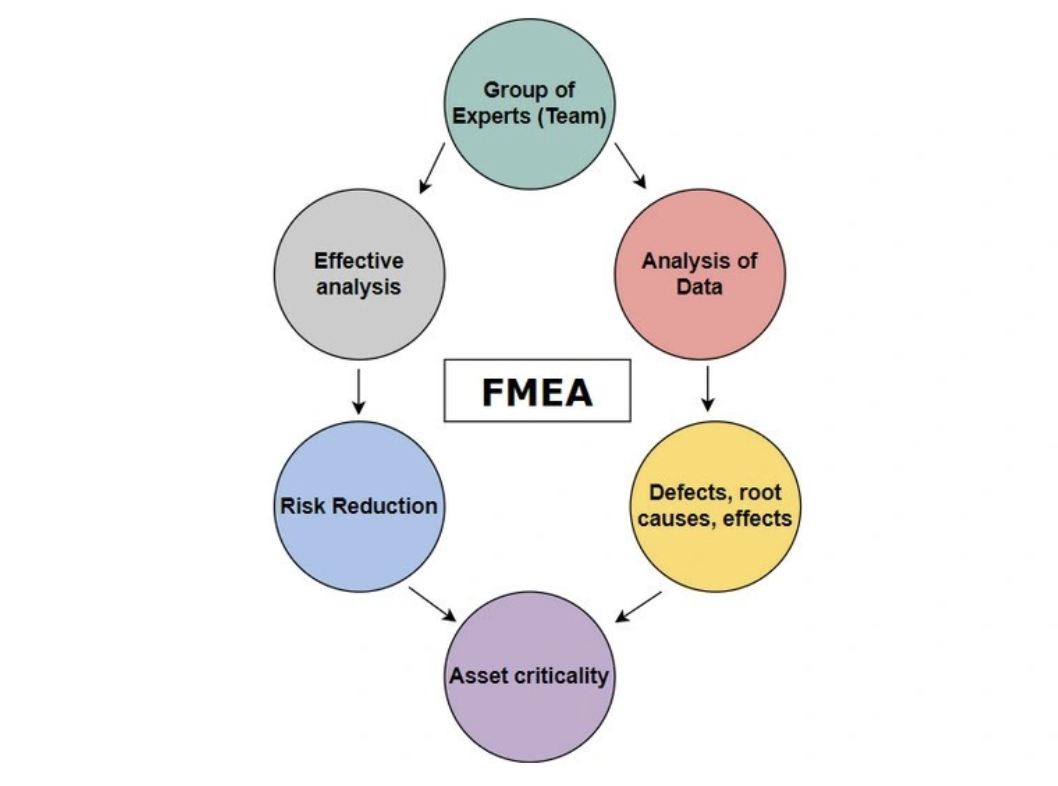
Methodologies for conducting process hazard analysis include checklists, What-if analysis, What-if/checklist combinations, Hazard and operability study (HAZOP), and Failure mode and effects analysis (FMEA). Fault tree analysis or equivalent methodologies may also be used [7]. The analysis team must include expertise in engineering and process operations. At least one employee experienced in the specific process being assessed must participate, and one member knowledgeable in the analysis method being used [7]. All process hazard analyzes must be updated and reconfirmed at least every five years based on their completion date [2].
Operating procedures
Operating procedures consist of written instructions that provide clear guidance to conduct activities safely in each covered process [7]. These procedures must line up with process safety information and address steps for each operating phase. This includes initial startup, normal operations, temporary operations, emergency shutdown, emergency operations, normal shutdown, and startup following turnarounds [9]. Operating limits must specify consequences of deviation and steps required to correct or avoid deviation [7]. Employers must certify that operating procedures remain current and accurate annually [9].
Training and competency
Employees who operate processes must receive training on process overviews, operating procedures, and specific safety and health hazards. Training must also cover emergency operations including shutdown and safe work practices applicable to their job tasks [7]. Refresher training must be provided at least every three years to ensure employees understand and adhere to current operating procedures [2]. Training documentation must contain the employee's identity, training date, and verification of understanding [2].
Mechanical integrity
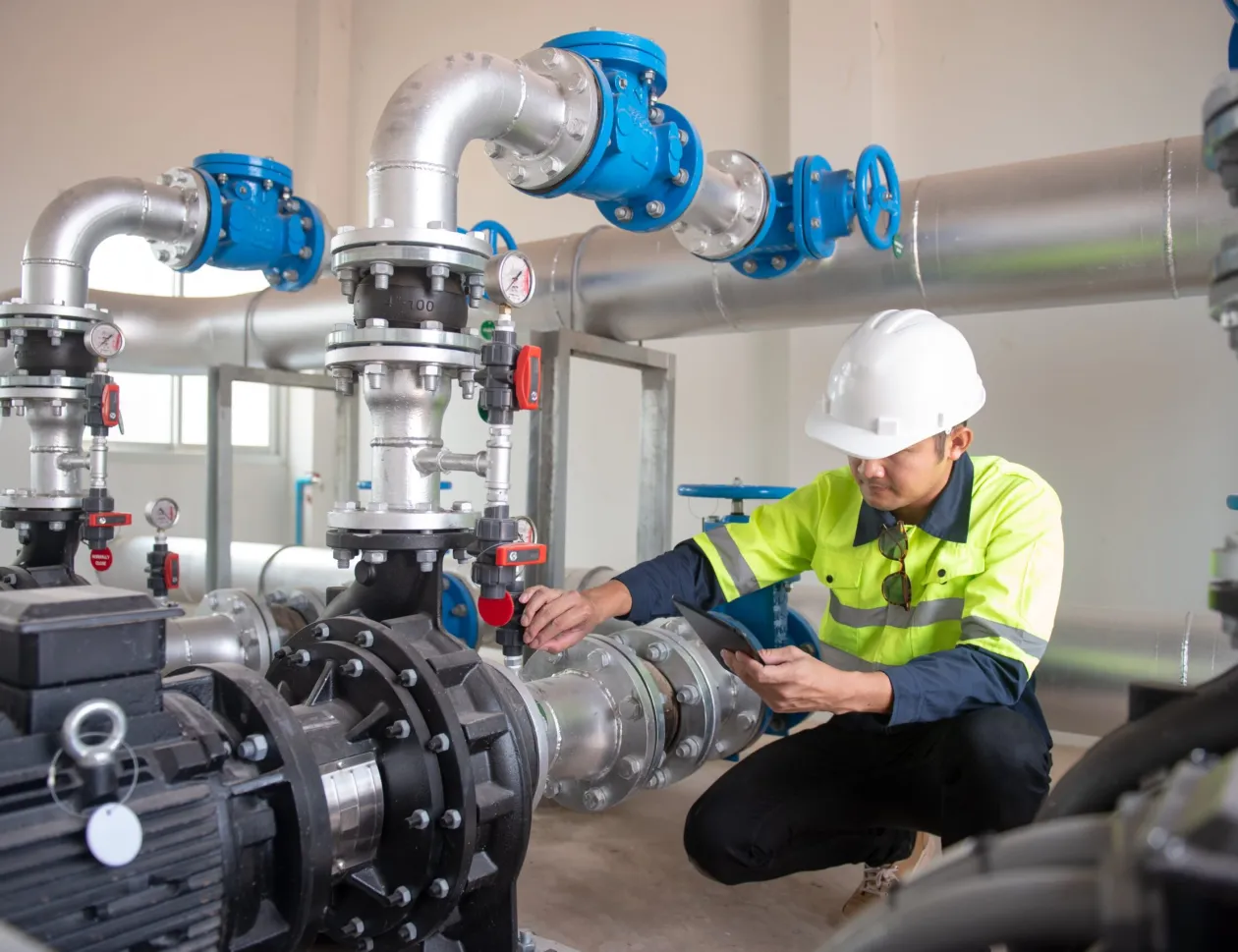
Mechanical integrity requirements apply to pressure vessels, storage tanks, piping systems including valves, and relief and vent systems. Emergency shutdown systems, controls including monitoring devices and sensors, alarms, interlocks, and pumps are also covered [7]. Employers must establish written procedures to maintain ongoing integrity of process equipment [10]. Inspections and tests must follow recognized and accepted good engineering practices. Frequencies must conform to manufacturers' recommendations and operating experience [7]. Equipment deficiencies outside acceptable limits defined by process safety information must be corrected before further use [10].
How does PSM differ from occupational safety?
Process safety and occupational safety represent two distinct yet complementary components of organizational safety management. Each addresses different types of hazards and employs different approaches to risk mitigation. Occupational safety includes a broader range of workplace safety concerns and focuses on protecting the safety, health, and welfare of people at work through measures that address day-to-day employee well-being [11]. This field deals with classic health and safety issues associated with prevention of slips, trips, falls, exposure to harmful substances, proper use of personal protective equipment, and ergonomic improvements [5][11].
The key difference between these two safety domains lies in the nature and scope of hazards they address. Process safety focuses on preventing catastrophic incidents such as chemical spills, explosions, and toxic releases in industries handling hazardous materials [12]. Occupational safety prioritizes daily protection of employees from routine workplace hazards [12]. Process safety incidents occur at a lower frequency but result in much higher consequences. Occupational safety incidents happen at a higher frequency but involve smaller consequences at an individual level [5]. The BP Texas City refinery incident exemplifies the critical importance of this difference. Investigations suggested an excessive focus on reducing high-frequency occupational safety incidents rather than addressing lower-frequency but more serious process safety hazards [5].
The protective scope is very different between the two approaches. Process safety protects workers, the public, and surrounding communities. Consequences of process failures can extend way beyond facility boundaries and affect local residents and even consumers [5]. Occupational safety protects workers within their immediate workplace environment [13]. Process safety accounts for consequences at human, environmental, and business levels and considers potential ecological damage and financial impacts [5]. Occupational safety considers consequences at the human level [5].
Methodological differences further distinguish these safety domains. Process safety employs a proactive, systems-based approach that follows standards such as OSHA's PSM framework. It emphasizes engineering controls, rigorous safety procedures, and detailed risk assessment to prevent major incidents [12][11]. This approach focuses on changing system design and the environment in which behavior occurs rather than introducing new equipment [5]. Occupational safety relies on day-to-day protocols, OSHA workplace safety regulations, and reactive measures to address workplace injuries and prevent recurrence [12]. This approach emphasizes changing individual behavior through training, safety signage, and protective equipment deployment [5][11].
Organizations must recognize that addressing unsafe behaviors related to occupational safety does not influence process safety performance [2]. Both safety domains require dedicated attention, specialized expertise, and distinct management approaches to create a detailed safety framework [2].
How to implement Process Safety Management
Organizations must follow structured approaches when establishing PSM frameworks within their facilities. A recommended three-phase implementation strategy begins with conducting a gap assessment. This is followed by developing or improving specific PSM programs and concludes with execution of PSM activities [14]. Engineers interview personnel during the original gap assessment phase, review existing management systems and develop specific recommendations for improving facility PSM programs [14].
Conduct risk analysis
Process hazard analysis serves as the foundational step and requires a careful review of potential failures and necessary safeguards to prevent releases of hazardous chemicals [7]. Employers must determine and document priority order for conducting analyzes based on rationale including extent of process hazards, number of affected employees, process age and operating history [7]. Analysis methodologies include Hazard and Operability Analysis (HAZOP) and Fault Tree Analysis to identify potential causes and consequences of fires, explosions and toxic chemical releases [15]. Documentation from these analyzes must be managed to keep throughout the plant life-cycle [16], with revalidation required every five years [16].
Develop operating procedures
Written procedures must provide clear instructions covering safety aspects of work. These include operating limits, safety and health considerations and system functions [16]. These procedures need to address steps for each operating phase: original startup, normal operations, temporary operations, emergency shutdown, emergency operations, normal shutdown and startup following turnaround [7]. Operating procedures must remain available to all employees working on hazardous processes and undergo regular review to reflect current operating practice [16]. Procedures must also think over exceptional circumstances such as energy isolation and activities like confined space entry [16].
Train employees
Employees operating hazardous processes require training in operation thereof, with competence certification required before work commences [16]. Refresher training must be provided at least every three years to ensure employees understand and adhere to current operating procedures [7]. Training programs must cover process overviews and operating procedures. They must also cover specific safety and health hazards, emergency operations including shutdown and safe work practices applicable to job tasks.
Establish audit systems
Employers must review and certify compliance with process safety requirements every three years [16]. Compliance audits verify that procedures and practices developed under the standard remain adequate and are being followed [7]. Organizations must document appropriate responses to each audit finding [17], with deficiencies requiring correction [16]. Facilities must retain the two most recent compliance audit reports [17].
PSM training and certification requirements
Regulatory frameworks mandate specific training protocols for employees and contractors working with covered processes under 29 CFR 1910.119(g). Original training must address process-specific hazards rather than generic safety topics. It should emphasize operating procedures, emergency operations that include shutdown procedures, and safe work practices applicable to employee job tasks [6]. Employers must provide this training to each employee involved in operating a process and each employee newly assigned to a process [6].
The refresher training requirement mandates scheduling at least every three years for each employee involved in operating a process [6][8]. This frequency will give employees maintained understanding of current operating procedures and adherence to them [18]. Employers determine the appropriate frequency of refresher training in consultation with employees involved in operating the process [18]. Organizations must establish tracking systems to avoid missing refresher training deadlines [6].
Documentation standards require records containing the employee's identity, the training date, and the means used to verify comprehension [6][8]. Regulatory requirements are not satisfied by attendance sign-in sheets alone [6]. Acceptable verification methods include written tests with passing score requirements and practical demonstrations of skills and procedures. Oral examinations documented by the evaluator and observed task performance with supervisor sign-off also qualify [6]. The training record must document the method of verification [6].
Contractor training follows distinct protocols. Contract employers must ensure their employees receive training on safe job performance and process hazards awareness. Training must also cover emergency action plans, facility safety rules, and prompt hazard reporting [8]. This requirement applies to contractors performing maintenance, repair, turnaround, major renovation, and specialty work on or near covered processes [17][8].
Process safety competency frameworks organize knowledge and expertise requirements in multiple tiers. The four-tier competency scale has awareness level, application level, skilled application or proficiency level, and mastery or expert level [19]. Each tier defines specific requirements, and higher competency levels incorporate requirements from lower levels [19]. Organizations determine specific implementation requirements based on workforce needs and operational complexity [19].
Training content must be updated when processes, procedures, or hazards change [6]. Employees already involved in operating a process when PSM was put into effect can be certified as having received equivalent training based on existing knowledge and experience, if the certification documents the basis to determine equivalency [6].
References
[1] - http://www.osha.gov/process-safety-management
[2] - https://www.hpog.org/assets/documents/BN-20-Occupational-safety-vs-process-safety-web.pdf
[3] - https://en.wikipedia.org/wiki/Process_safety_management
[4] - https://www.ehsinsight.com/blog/what-is-process-safety-management-and-why-is-it-important
[6] - https://www.ecesis.net/PSM-Software/training-psm.aspx
[7] - https://www.osha.gov/sites/default/files/publications/OSHA3132.pdf
[8] - https://www.safetybydesigninc.com/what-is-process-safety-management-osha-psm-standards/
[9] - https://www.ecesis.net/PSM-Software/operating-procedures-psm.aspx
[10] - https://safetyculture.com/topics/process-safety-management/mechanical-integrity
[12] - https://www.redrisks.com/blog/process-safety-vs-workplace-safety-key-differences
[13] - https://synergenog.com/process-safety-vs-occupational-safety/
[15] - https://apexcos.com/project/process-safety-management-program-development-and-implementation/
[16] - https://www.intellipermit.com/blog/introducing-process-safety-management/
[17] - https://safetyculture.com/topics/process-safety-management
[18] - https://www.oshacademy.com/courses/training/736-introduction-process-safety-management/736.php
[19] -https://www.icheme.org/media/14915/isc-competency-document-supplementary-guide-october-2020.pdf















































.png)











.png)
.png)
.png)
.png)
.png)
.png)
.png)

.png)
.png)
.png)
.png)
.png)
.png)
.png)
.png)
.png)
.png)
.png)
.png)
.png)
.png)
.png)


Ready to Save Lives at Work?
With Impress Solutions, you’re not just getting a service, you’re securing peace of mind with a partner you can trust. Book a free consultation today, and let’s map out how we can help you save lives at work.

.png)