
8 Essential Workplace Safety Tips to Prevent Cuts and Lacerations in 2026
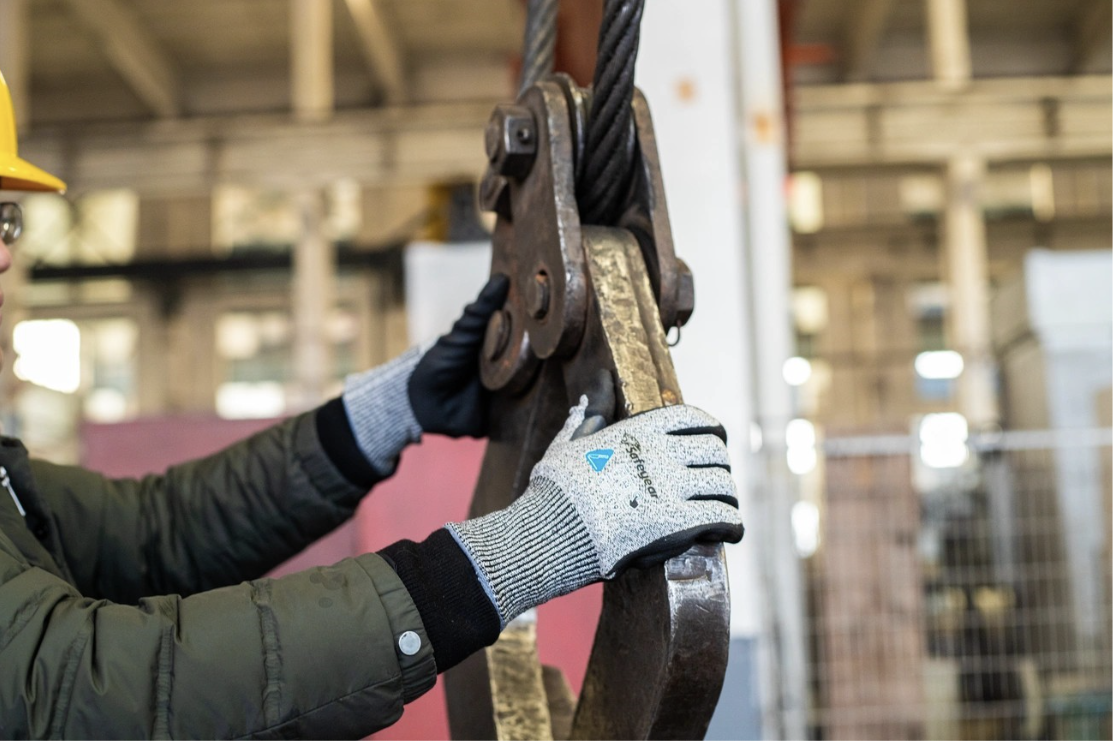
Cuts and lacerations account for roughly 30 percent of all workplace injuries each year[12][20], with about 70 percent of those injuries affecting hands or fingers[20]. More than 1,000,000 hand injuries occur each year[27], making workplace safety tips more important than ever. Some cuts may seem minor, but they can lead to serious complications including deep tissue damage, infection, or severe bleeding. We'll share 8 workplace health and safety tips in this piece to help you prevent cuts and lacerations in 2026.
Use Proper Personal Protective Equipment (PPE)
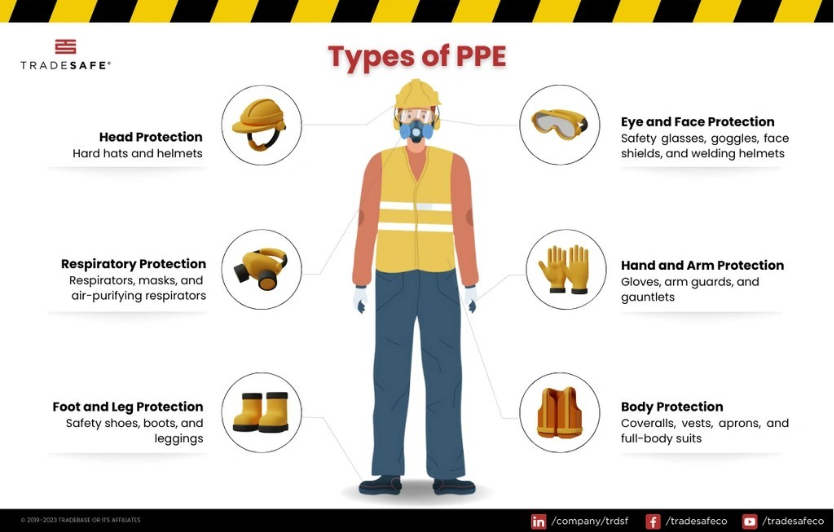
Image Source: tradesafe
Selecting appropriate personal protective equipment are the foundations of any effective cut prevention strategy. PPE serves as the last line of defense when engineering controls and safe work procedures cannot eliminate hazards entirely. Wearing cut-resistant clothing becomes necessary for tasks with sharp objects or cutting tools, especially when you have industries like glass handling, metal fabrication and manufacturing where lacerations pose constant risks.
Essential PPE for Cut Prevention
The specific hazards you face daily determine the right protective gear. Cut-resistant gloves represent the most critical piece of equipment to prevent hand lacerations. The American National Standards Institute provides a 9-tier rating system for cut-resistant gloves based on grams of cutting load in the United States. The ratings range from A1 (200-499 grams) to A9 (6000+ grams), that indicates how much cutting force the gloves can withstand before blade penetration occurs[1]. Gloves rated A5 or higher offer appropriate protection for high-risk tasks such as construction, rigging, mining or iron work[1].
European standards follow a different classification under EN 388 and use six levels measured in newtons. These range from Level A (2-4.9 newtons or 204-508 grams) to Level F (30+ newtons or 3059+ grams)[1]. Workers handling sharper blades in hazardous environments should use gloves rated E to F under this system[1].
Complete PPE has eyewear to shield against flying debris, long-sleeved shirts to protect arms from sharp edges and protective clothing designed with cut-resistant materials beyond hand protection. Needle-resistant gloves made from Kevlar or high-performance polyethylene provide better protection against punctures while you retain control[28]. Full-body protection options have arm guards, sleeves that cover forearms and wrists, and puncture-resistant footwear with reinforced soles for workers who move through areas where sharps might be present on the ground[28].
How to Inspect and Maintain Your PPE
Your protective equipment only does its job when it remains in good condition. PPE that appears functional but has failed quietly provides little to no protection. Workers continue using it because damaged items were never removed from rotation. Cut-resistant gloves require a full inspection of protective fibers, especially on palms and fingertips where contact is most intense. The glove no longer provides approved protection when you can see through the material in any area[3]. Examine seams for separation and cuffs for fraying during each inspection.
Safety gloves used in industrial or construction settings need inspection of the entire surface for cuts, abrasions and worn patches. Pay attention to palm grip material. Worn grip means less control over equipment and materials and creates a hazard in itself[3]. Knee pads need checking for padding compression, as foam or gel that has flattened no longer absorbs impact[3].
OSHA mandates that employers maintain PPE in a sanitary and reliable state and incorporate suitable cleaning with timely replacement measures[4]. Most cut-resistant gloves can be machine washed in cold to mild temperatures and line dried, though you must always follow manufacturer guidelines printed on care labels[4]. Dirty surfaces diminish protective performance during use, whatever the unchanged laboratory cut ratings[4]. Inspect gloves before reuse for cuts, hard spots, delamination, thinning or seam failures. Retire gloves right away upon detecting breakthrough cuts, exposed core filaments, hardened or glazed areas, sticky coatings, seam failures, persistent odors after cleaning or size changes from shrinkage[4].
Common PPE Mistakes to Avoid
Incorrect usage eliminates intended protection even with proper equipment. A frequent issue has to do with assuming employees understand how to wear, adjust and maintain their PPE without formal training[29]. This guides to problems like straps that aren't secured properly, failure to replace disposable items when needed or continued use of damaged equipment[29]. Wearing PPE the wrong way reduces effectiveness by a lot. Loose-fitting gloves, oversized safety goggles or masks worn improperly leave workers vulnerable[30].
More than half of workers who wear PPE take it off during tasks, and they do this because equipment falls off during work or makes tasks harder to complete[5]. Only 39.5 percent of construction workers replace lost or torn PPE with new equipment[5]. Workers who received previous safety training are twice as likely to use PPE during work[5]. Training on correct PPE use should be part of onboarding for new employees and refreshed to ensure all workers remain knowledgeable. This has how to wear it, check for damage and store it properly[29].
Master Safe Tool Handling Techniques
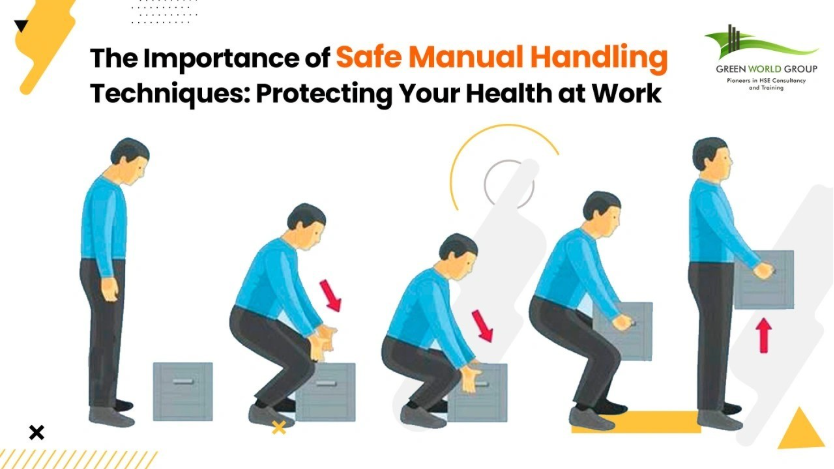
Image Source: LinkedIn
Proper handling techniques separate safe workers from injured ones. Beyond wearing protective equipment, how you position your hands, direct cutting force, and select tools determines whether you complete tasks without incident or end up requiring medical attention.
Correct Cutting Direction and Hand Placement
Direct the blade away from your body when using cutting tools[31]. This applies whether you're working with knives, snips, or any sharp implement. When using a knife, hold it with a proper chef's grip where your thumb grips around the top of the blade and your hand wraps around the handle[32]. This grip provides more control compared to loose handling that allows the blade to shift.
Place the sharp edge facing away from you when you're not cutting[32]. Carry knives by holding the handle with the point facing down and the cutting edge angled away from your body[32]. Step away and let it drop to the ground rather than attempting to catch it if a knife falls[32]. Your reflexes might prompt you to grab at falling objects, but this instinct causes severe cuts when sharp tools are involved.
Stop cutting if an interruption occurs or you become involved in conversation[32]. Divided attention during cutting tasks creates dangerous conditions where your hands move without full awareness of blade position. Use the claw method where your middle knuckles to the knuckles nearest your fingernails act as a guide for holding materials being cut, and this allows the flat part of the knife blade to rest against them[33]. Keep your thumb in retreat mode and position it behind your other fingers[33]. This technique keeps your fingertips away from the blade path while you maintain control over the material.
Choosing the Right Tool for the Job
The wrong tool for a task causes accidents, injuries, and equipment damage[34]. Match the knife to the task by cutting large objects with large knives and small objects with small knives[32]. This principle extends beyond knives to all cutting implements. Snips are designed for light gage galvanized sheet metal, copper sheet, and tin, but should never be used to cut steel rod or wire[35]. Cuts beyond a tool's designed capacity force you to apply excessive pressure and increase injury risk.
Select tools designed for the specific task at hand[36]. Avoid makeshift tools or adapting equipment for purposes they weren't designed for[34]. Never use tools as substitutes for others, as this practice results in damage or injury[31]. Read and follow manufacturer instructions to understand each tool's capabilities and limitations[34]. Left or right cutting refers to which side the lower blade sits on when choosing cutting snips, not your hand preference[35]. Use right cutting snips for clockwise curves and left cutting snips for counter-clockwise curves[35].
Safe Tool Storage and Handling
Store knives in designated holders or sheaths rather than leaving them lying around[37]. Never place knives in a sink of water or leave them soaking under water[32]. This creates a hidden hazard where you or others might reach into the sink and contact the blade. Place knives on the side of the sink where they remain visible[32].
Keep knives stored with handles that are easy to access[32]. Store sharp tools in designated holders that protect the blade and prevent accidental contact[37]. Keep blades closed when not in use for cutting snips[35]. Wipe cutting edges with a lightly oiled cloth after use and oil pivot bolts to maintain smooth operation[35]. Store tools in designated locations where your team knows to find and return them[37]. This practice reduces time spent searching for equipment and keeps tools in good condition between uses.
Maintain Sharp and Well-Conditioned Tools
Many workers assume dull blades offer greater safety, but this belief creates hazards rather than preventing them. Understanding tool maintenance and recognizing when equipment needs attention are the foundations of daily workplace safety tips that prevent lacerations.
Why Sharp Tools Are Safer
Sharp tools cut clean with minimal force. Dull tools require workers to push harder, which increases slip risks and loss of control[38]. A sharp knife glides through materials without much effort, whereas a dull knife becomes clumsy and less user-friendly[38]. Dull tools need this additional force, which results in muscle strain and fatigue. This affects efficiency and increases accident risk due to weakened grip or reduced attention[39].
Cuts from sharp tools heal faster than those from dull ones[38]. Dull blades leave wider, more jagged cuts in skin. The wider the cut, the more time tissue needs to repair[38]. Sharp tools produce clean, thin cuts even if they penetrate deeper[38]. The sharp tool cuts clean while the dull tool rips and tears[38]. This predictability allows workers to maintain better control throughout cutting tasks[39].
Dull blades can be unpredictable and require more force to use, raising accident probability[39]. Sharp tools move in predictable ways and glide through materials without effort, which translates to fewer slips and erratic movements[39]. Workers in meat processing (poultry, beef, fish, pork) keep their blades sharp as a necessity for health and safety[38]. The increased control reduces the likelihood that tools will slip and cause injury[39].
Tool Inspection and Maintenance Schedule
Quick inspections at the start of each shift can catch issues early[40]. Watch for dull edges that look rounded or blunt, as sharp tools cut clean and performance suffers with worn edges[40]. Chips or fractures present serious concerns. Even small cracks grow under pressure and broken tools damage machines or cause injuries[40]. Discoloration, including dark spots or burn marks, often indicates overheating that weakens tools and shortens lifespan[40]. Surface buildup from metal shavings, rust, or residue interferes with precision. Replacement becomes necessary if cleaning doesn't resolve it[40].
Output that lacks uniformity suggests tool problems[40]. Excess noise and vibration, like chatter, squealing, or strange vibrations, signal inefficient cutting[40]. Tools have worn out when they force you to push harder than before[40]. This generates more heat, resistance, and strain on motors while increasing power consumption[40]. Keep tools in dry, organized spaces to avoid damage. Use coolants and lubricants to prevent overheating while maintaining sharp edges[40].
When to Replace or Repair Tools
Replacement makes more financial sense if repair costs exceed half the price of new tools[41]. The edge can be resharpened when dull but undamaged, and some coatings can be reapplied[40]. Chipping, cracking, or excessive wear demands replacement[40]. Don't waste time attempting multiple repairs if sharpening fails to restore performance[40]. Invest in new equipment when repair costs approach new tool prices[40]. Tools can break mid-use if damaged, putting workers at risk[40]. They also damage materials, producing poor cuts and ruining workpieces while increasing wasted stock[40].
Keep Your Work Area Clean and Organized
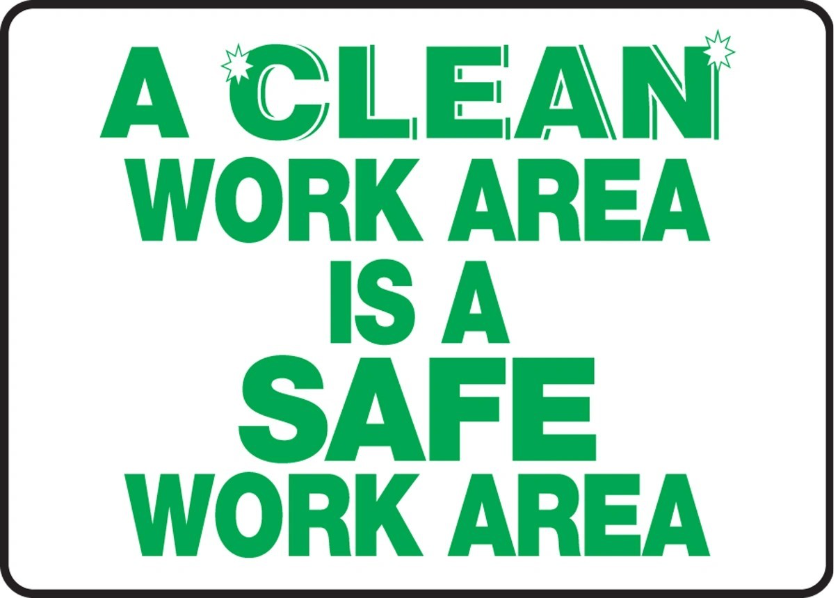
Image Source: Accuform
Poor housekeeping stands as a leading contributor to workplace injuries with sharp objects and cutting hazards. Cluttered workspaces increase the likelihood of sharp objects being misplaced or hidden. Improper storage can lead to accidental contact and injuries[42]. Many slips and trips result from poor housekeeping and often signal a lack of clear systems and responsibilities for storage, maintenance, and cleaning[43].
Daily Workplace Safety Tips for Housekeeping
Daily cleaning tasks play a major role in keeping spaces safe and orderly. Focus on work surfaces, walkways, and waste disposal[44]. Spills should be cleaned right away, and rubbish removed before it overflows[44]. Floors represent one of the most common areas where safety issues begin, so daily attention helps reduce slip risks[44].
Clear walkways and pedestrian access ways of clutter and debris at the start and end of each shift[45]. Items left in hallways or near workstations can trip workers or restrict access to emergency exits[44]. Return tools and materials to designated locations after use. Tools left out create hazards[44]. This practice reduces risks such as trips and falls while making it easier for other workers to find what they need[44].
Wipe down any spills right away to avoid slips. Use appropriate cleaning equipment and place warning signs while cleaning[44]. Clean low-visibility areas like corners and under desks where dust and debris often accumulate[44]. Check lighting in storage and service areas. Replace broken bulbs right away since poor lighting makes hazards harder to spot[44].
Removing Clutter and Sharp Hazards
Clutter accumulation increases the likelihood of sharp objects being misplaced or hidden[42]. Housekeeping and regular inspections minimize the possibility that workers will come into contact with sharp objects in unexpected places[42]. Clear loose wires and scrap materials from work areas to prevent accidental contact with sharp edges[14].
Untidy shelves and storage areas result in sharp objects falling or becoming difficult to locate[42]. Disorganized workbenches increase the chances of accidental contact with sharp tools or materials[42]. Keep work areas clean and organized. Cluttered spaces increase the chance of unexpected cuts and scrapes[14].
Proper Material Storage Practices
Storage areas must be kept free from accumulated materials that cause tripping, fires, or explosions[46]. Store materials so they do not pose tripping hazards and do not interfere with walkways or emergency egress[47]. All bound material should be secured to prevent it from sliding, falling, or collapsing[47].
Workers should not store materials in excess of supplies needed for immediate operations in aisles or passageways[46]. Assign specific locations for tools and materials using labels and storage bins to make items easy to find and return[48]. Use wall racks and shelving to keep items off the floor. Stack materials securely to prevent them from falling over[48].
Practice Workplace Safety Awareness Tips

Image Source: Safetyhub
Developing heightened awareness of potential hazards creates an essential layer of protection that complements physical safeguards. Workplace safety awareness tips center on recognizing dangers before contact occurs and maintaining the mental discipline to work safely even under pressure.
Recognizing Cut and Laceration Hazards
Training programs designed to develop hazard awareness create an interesting and interactive learning experience using images, video, text, and audio to comprehend the material. Knowing how to identify laceration risks before beginning work separates prepared workers from those vulnerable to injury. Common sources include handling sharp materials such as sheet metal or roofing products, using damaged or dull tools, and working in areas with poor lighting.
Don't get complacent about potential hazards on the jobsite. Scrap and debris are part of every work environment, but recognizing when they present cutting risks requires constant alertness. Recognize when insufficient light makes safe work impossible. Workers are tempted to push through tasks at dusk and finish before the next workday, but proper lighting must be available if work continues when sunlight is unavailable.
Avoiding Rushing and Shortcuts
Employees rushing or taking shortcuts represent a typical cause of cuts and lacerations according to the Ohio Bureau of Workers' Compensation[12]. Rushing constitutes human nature, as getting tasks done quickly allows you to start the next task sooner or have more time to do other activities. Injuries due to time pressure most often result from a conscious or semi-conscious decision to circumvent a known preventative measure in the interest of getting the task done on time[8].
Rushing distracts your attention from hazards you would recognize otherwise[8]. Workers injured while rushing often decide to use the wrong tool to do the job[8]. Review whether you're facing self-imposed time pressure, as individuals often put pressure on themselves to perform tasks faster when no real outside pressure exists[13]. Shortcuts affect more than just you and result in negative impacts on production, property damage, and injuries[13].
Maintaining Focus During Tasks
A few extra moments to assess the task substantially reduces injury risk[14]. Make safety a habit by staying alert throughout work activities. Take scheduled breaks to ensure safety and prevent fatigue and complacency by reserving time each day for work to stop while workers complete a safety check of their area[15]. Proper knowledge and hazard awareness prevent workers from making dangerous mistakes[16].
Implement Proper Machine Guarding and Lockout/Tagout
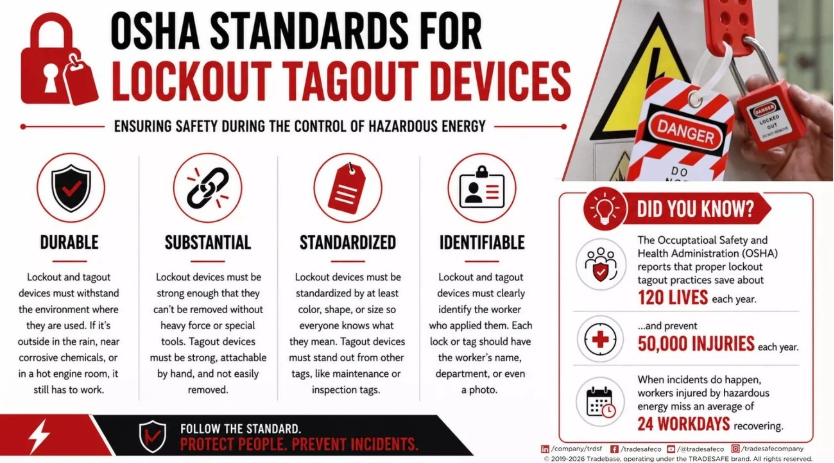
Image Source: tradesafe
Machine operators who understand hazards and control methods face reduced injury risks. Guards and lockout/tagout procedures prevent contact with moving parts, rotating components, and hazardous energy sources that cause cuts, amputations, and crushing injuries.
Understanding Machine Guard Requirements
Guards must prevent hands, arms, and other body parts from contacting moving parts[17]. All guards need to prevent contact and remain secured in place or be tamper-proof. They must create no new hazards, allow lubrication with the guard still in place, and not interfere with machine operation[7]. Fixed guards serve as permanent barriers covering dangerous parts. Interlocked guards shut down machines when opened or removed[17]. Adjustable guards can be positioned according to workpiece size, and self-adjusting guards move in response to material being fed into the machine[17].
OSHA standard 1910.212 requires that any machine part, function, or process that might cause injury must be safeguarded[9]. Guards must be firmly secured to machines whenever possible. When attachment isn't feasible, they must be secured elsewhere without creating additional hazards[9]. Proper installation has several requirements. Secure fixed guards with fasteners that require tools for removal. Position guards to maintain safe distances from hazard points and ensure guards don't interfere with machine operation or maintenance[9].
Lockout/Tagout Procedures
Use a lockout/tagout program if unexpected start-up could cause injury[7]. Any major repairs or tool changes that expose workers to machine hazards require lockout/tagout[7]. The lockout process has several steps. Shut down machinery and identify all energy sources and hazards. Isolate all energy sources, control or de-energize stored energy, and lock out all isolation points. Tag machinery controls and test by trying to reactivate the plant without exposing anyone to risk[18].
Energy sources have many forms: electricity, battery or capacitor banks, solar panels, fuels, heat, steam, fluids or gasses under pressure, stored energy like compressed springs, gravity, and radiation[18]. Tags should not be used alone as isolation devices. Only locks isolate energy sources effectively[18]. Each tag should have the date and time of tagging, the reason for lockout, and personal information related to the tagger[19].
Reporting Missing or Damaged Guards
You should always report missing, damaged, or inoperative guards[7]. Operating machinery without properly working guards is unsafe[7]. Supervisors must ensure daily pre-use inspection has verification of guard condition[17]. Tag damaged or missing guards "Out of Service" and report them right away[17]. Complete repairs or replacements before equipment use resumes[17].
Follow Established Safety Procedures and Training
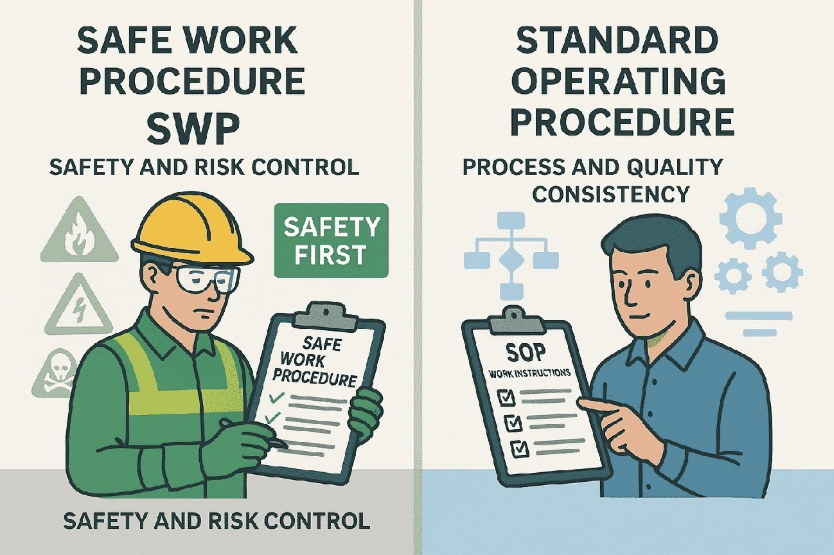
Image Source: hse study guide
Systematic training and documented procedures create the framework that supports all other safety measures. Workplaces see cuts and lacerations happen most often because of improper training and missing safety procedures[12]. Employers must establish work procedures that identify and control exposure to hazards[20]. This creates a foundation where workers understand risks before they begin tasks.
Workplace Health and Safety Tips Training
Training employees on established safety procedures represents a critical control measure to minimize cut and laceration risks[20]. Workers who received previous safety training are twice as likely to use PPE during work consistently. Detailed training on correct equipment use should be part of onboarding for new employees and refreshed regularly. This training covers how to wear equipment, check for damage and store it.
Hand and power tool safety training assists employees and improves your organization's overall safety record. Workers learn safe tool use[6]. Training programs should provide step-by-step guidance on completing complex tasks while maintaining safe work practices[2]. To name just one example, formal training can take the form of classroom-based courses or online video tutorials[21].
Following Standard Operating Procedures
Standard operating procedures provide written instructions that detail the steps needed to complete tasks safely[2]. SOPs help ensure employees know the dangers and how to protect themselves by outlining required steps in various situations[2]. These procedures reduce ambiguity and confusion, which often lead to stress and mistakes[2].
Follow manufacturer instruction manuals when you operate, clean and maintain equipment[22]. SOPs can be used to break down accidents and incidents, identify trends and implement corrective action plans[2].
Asking Questions When Unsure
Ask when you have questions about workplace safety. Your safety is more important than any embarrassment you may feel[23]. Managers can ask safety questions to gage employees' familiarity with protective gear and ensure they use correct equipment while working[11]. Open communication makes it possible for employees to share input on current safety training and procedures[11].
Know Emergency Response and First Aid Procedures
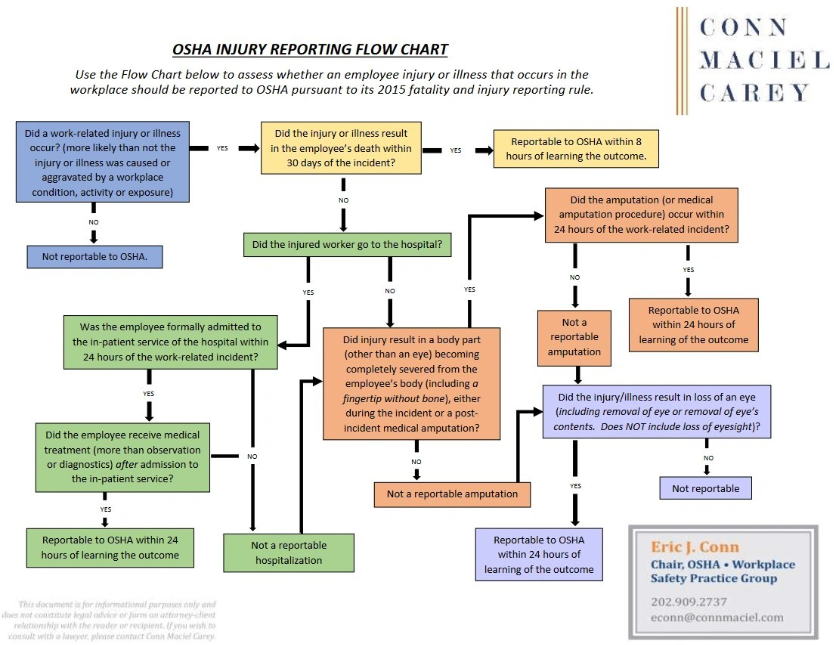
Image Source: OSHA Defense Report
Knowing what to do when cuts occur makes the difference between minor incidents and serious complications. Response speed matters as much as prevention when dealing with workplace lacerations.
Immediate Steps for Cut Treatment
Wash your hands or wear glgloves before treating any wound to protect both yourself and the injured person from infection[10]. Apply steady pressure with a clean cloth or dressing over the wound[10]. The cloth might soak through, and when it does, place another one over it without removing the first[10]. Lift the injured area above heart level if possible to slow bleeding[10].
Check for signs of shock, especially pale skin, fast breathing and weakness when there's been heavy blood loss[10]. Don't use adhesive bandages on deep wounds. These aren't strong enough to close severe cuts and can trap bacteria inside[10]. Objects stuck in the wound should stay there. Let medical professionals handle this, as removing it could cause more bleeding[10]. Clean around the area with water or saline to limit germs, but don't scrub the wound opening itself[10].
When to Seek Medical Attention
Seek urgent medical care if bleeding doesn't stop after applying pressure for several minutes[24]. Wounds deep enough to expose muscle or bone require attention right away[24]. A dirty or rusty object that causes the cut means professional evaluation becomes necessary[24]. Cuts on the face, neck, hands or near joints need medical assessment[10]. Blood spurting from a wound indicates arterial involvement and requires calling emergency services[25].
Reporting Injuries and Near-Misses
You must record all incidents in a register of injuries and investigate why the incident occurred[26]. Call your work health and safety regulator right away for serious incidents[26]. So you have 48 hours after becoming aware a worker received a workplace injury to notify your insurer[26].
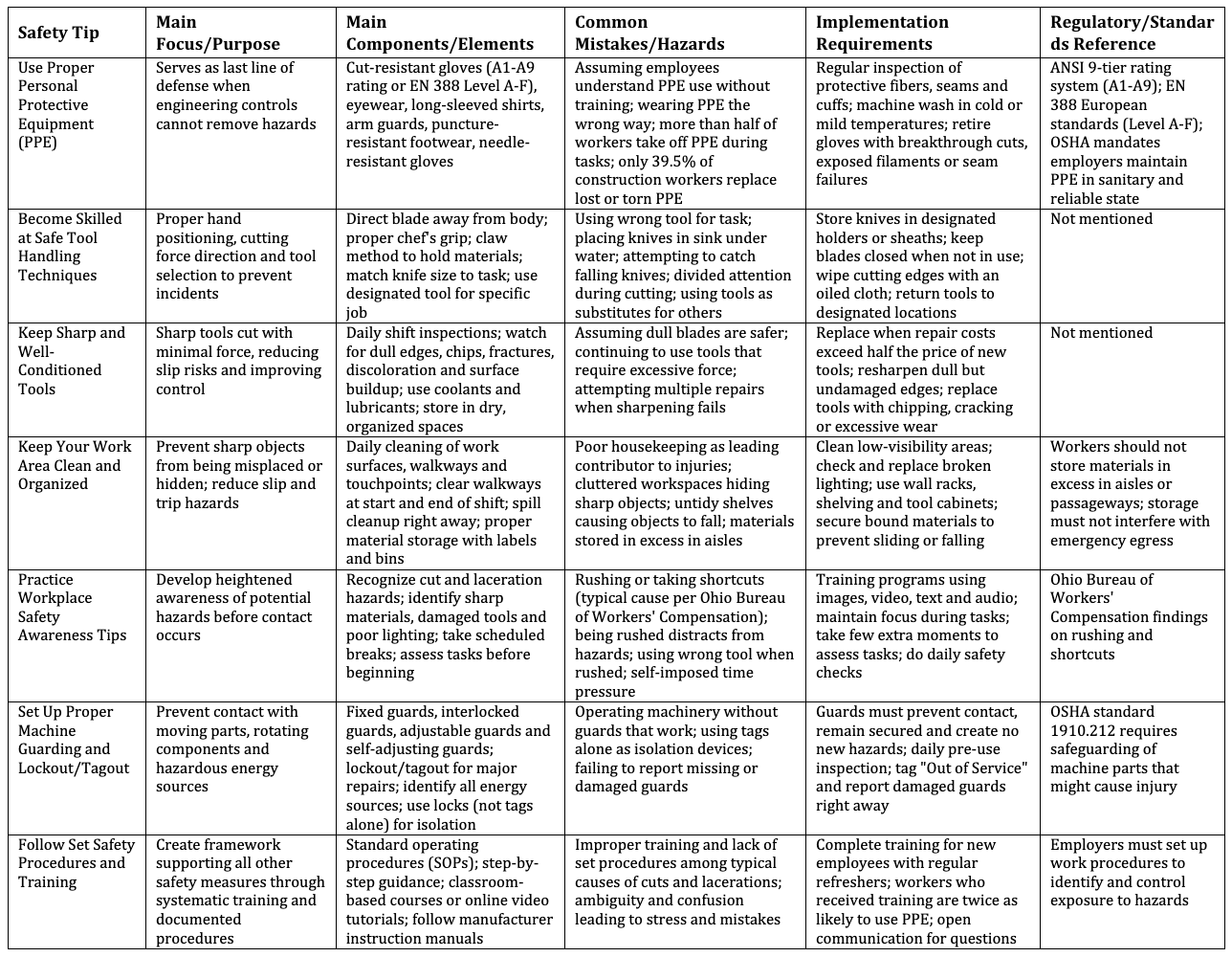
Comparison Table
Comparison Table: 8 Workplace Safety Tips to Prevent Cuts and Lacerations

Conclusion
Workplace cuts and lacerations are preventable when you take the right precautions. The eight tips we covered provide a complete framework: proper PPE, safe tool handling, sharp tool maintenance, clean workspaces, hazard awareness, machine guarding, clear procedures and emergency response knowledge.
Understanding these workplace safety tips means nothing without consistent application. Rather than trying to implement everything at once, start with the areas where your workplace faces the highest risks. Identify your most pressing hazards and train your team really well. Build safety habits one step at a time.
Your safety is worth the extra effort. Let me know in the comments which tip you'll implement first.
References
[1] - https://blog.sliceproducts.com/blog/cuts-prevention
[5] - https://pmc.ncbi.nlm.nih.gov/articles/PMC7809954/
[6] - https://www.safetyhub.com/au/safety-training-courses/hand-and-power-tools-au/
[7] - https://www.osha.gov/sites/default/files/2021-07/Safety Committee Handout 3 Machinery Safety.pdf
[8] - https://www.berkleyindustrial.com/wp-content/uploads/The-Dangers-of-Rushing-1.pdf
[10] - https://elite24er.com/how-an-emergency-care-facility-treats-severe-cuts/
[11] - https://www.indeed.com/career-advice/career-development/safety-questions
[12] - https://www.safetyandhealthmagazine.com/preventing-cuts-and-lacerations/
[13] - https://safetymattersweekly.com/weekly-safety-meeting-dangers-of-shortcuts/
[14] - https://www.workhorsestaffing.com.au/toolbox-talk-avoiding-cuts-and-lacerations/
[15] - https://www.rakenapp.com/features/toolbox-talks/laceration-hazard-injury-prevention
[16] - https://gipmafrica.org/the-hidden-dangers-of-workplace-shortcuts-why-rushing-can-lead-to-disaster/
[17] - https://www.montana.edu/srm/occupationalhealthsafety/machineguarding.html
[18] - https://www.safework.nsw.gov.au/__data/assets/pdf_file/0010/586342/factsheet-isolation-of-plant.pdf
[19] - https://safetyculture.com/topics/lockout-tagout/lockout-tagout-procedure
[20] - https://safetymattersweekly.com/weekly-safety-meeting-cuts-and-lacerations-safety/
[21] - https://saferoutcomes.com.au/blog/what-is-a-safe-operating-procedure/
[22] - https://www.ccohs.ca/oshanswers/safety_haz/sharp_blades.html
[23] - https://opentextbc.ca/workintegratedlearning/chapter/asking-questions/
[24] - https://www.fasttrackurgentcare.com/when-to-seek-urgent-care-for-work-injuries/
[25] - https://health.clevelandclinic.org/how-do-you-know-you-need-stitches
[27] - https://blog.sliceproducts.com/blog/how-to-prevent-cuts
[28] - https://cpdonline.co.uk/knowledge-base/health-and-safety/sharps-ppe/
[29] - https://www.cos.net.au/c/cospedia/avoid-common-ppe-mistakes
[33] - https://www.canr.msu.edu/news/handling-knives-safely
[36] - https://www.safework.sa.gov.au/workplaces/plant-tools-and-vehicles/hand-tools
[37] - https://threesixtysafety.com/safe-storage-practices-for-tools-and-equipment/
[38] - https://blog.knife-depot.com/knife-myths-dull-knives-are-safer-than-sharp-knives/
[40] - https://www.jarviscuttingtools.com/news/when-to-replace-your-tooling
[42] - https://www.yellowknifesafety.com/post/how-cutting-the-clutter-and-cleanliness-mitigates-sharp-risks
[45] - https://hradviceonline.com.au/workplace-housekeeping-how-to-minimise-injuries/
[46] - https://www.osha.gov/sites/default/files/publications/OSHA2236.pdf
[47] - https://cas.wsu.edu/safety/general-materials-handling-and-storage/
[48] -https://threesixtysafety.com/decluttering-for-safety-creating-hazard-free-zones/










































.png)











.png)
.png)
.png)
.png)
.png)
.png)
.png)

.png)
.png)
.png)
.png)
.png)
.png)
.png)
.png)
.png)
.png)
.png)
.png)
.png)
.png)
.png)
.png)
.png)
.png)
.png)
.png)
.png)


Ready to Save Lives at Work?
With Impress Solutions, you’re not just getting a service, you’re securing peace of mind with a partner you can trust. Book a free consultation today, and let’s map out how we can help you save lives at work.

.png)