
Why Traditional Safety Programs Fail: Modern Workplace Accident Prevention

Blog Summary:
Traditional safety programs often fail because they focus on blame, paperwork, and outdated training instead of systemic risks. Modern workplaces require proactive, data-driven, and technology-enabled strategies to prevent incidents and foster stronger safety cultures effectively.
TL;DR: Why Traditional Safety Programs Fail
- Old systems blame workers instead of fixing root causes.
- Heavy admin work limits real safety engagement.
- Poor leadership and outdated training weaken impact.
- Manual processes create delays and blind spots.
- Modern safety uses data, analytics, and wearables.
- Strong leadership, employee involvement, and psychological safety are essential.
- Tech-driven solutions like Impress Solutions improve safety performance.
Introduction:
Workplace accident prevention becomes critically important for all workplaces.
However, many traditional safety approaches fail to address the evolving nature of workplace hazards.
This article examines why conventional safety programs often fall short, explores the hidden costs of outdated approaches, and introduces modern strategies for effective workplace safety consultancy injury prevention that go beyond the traditional safety rulebook.
Why do traditional safety programs fall short?
Traditional safety programs often create a blame culture that focuses on individual errors rather than addressing systemic issues.
Many organisations face overwhelming administrative burdens, with safety professionals trapped behind desks instead of being in the field where they can actively build safety culture.
Inadequate leadership commitment undermines safety initiatives when managers fail to demonstrate consistent support through actions and resource allocation.
Training programs frequently prove ineffective because they focus on knowledge transfer rather than behavioural change, using academic teaching methods with few practical applications.
Consequently, safety programs struggle with disconnected, manual processes that create information silos between departments, delayed reporting, and limited visibility into safety performance.
What are the hidden costs of outdated safety approaches?
Outdated safety approaches carry substantial financial burdens that extend far beyond visible costs.
Organisations relying on manual systems, spreadsheets, and paper-based reporting face inherently reactive approaches that fail to prevent incidents before they occur.
These fragmented methods treat workplace accidents as isolated events, making trend identification nearly impossible.
Throughout industries, companies experience reduced efficiency from skilled worker loss and crew breakups.
Companies with poor safety records struggle to attract quality talent and maintain employee morale.
Public scrutiny follows serious incidents, especially fatalities, potentially leading to contract losses and unwanted regulatory attention.
Critically, these outdated approaches create a perpetual cycle; solving symptoms rather than root causes leads to recurring problems.
What are the modern strategies for workplace injury prevention?
Modern workplace accident prevention strategies prioritise proactive approaches over traditional reactive methods.
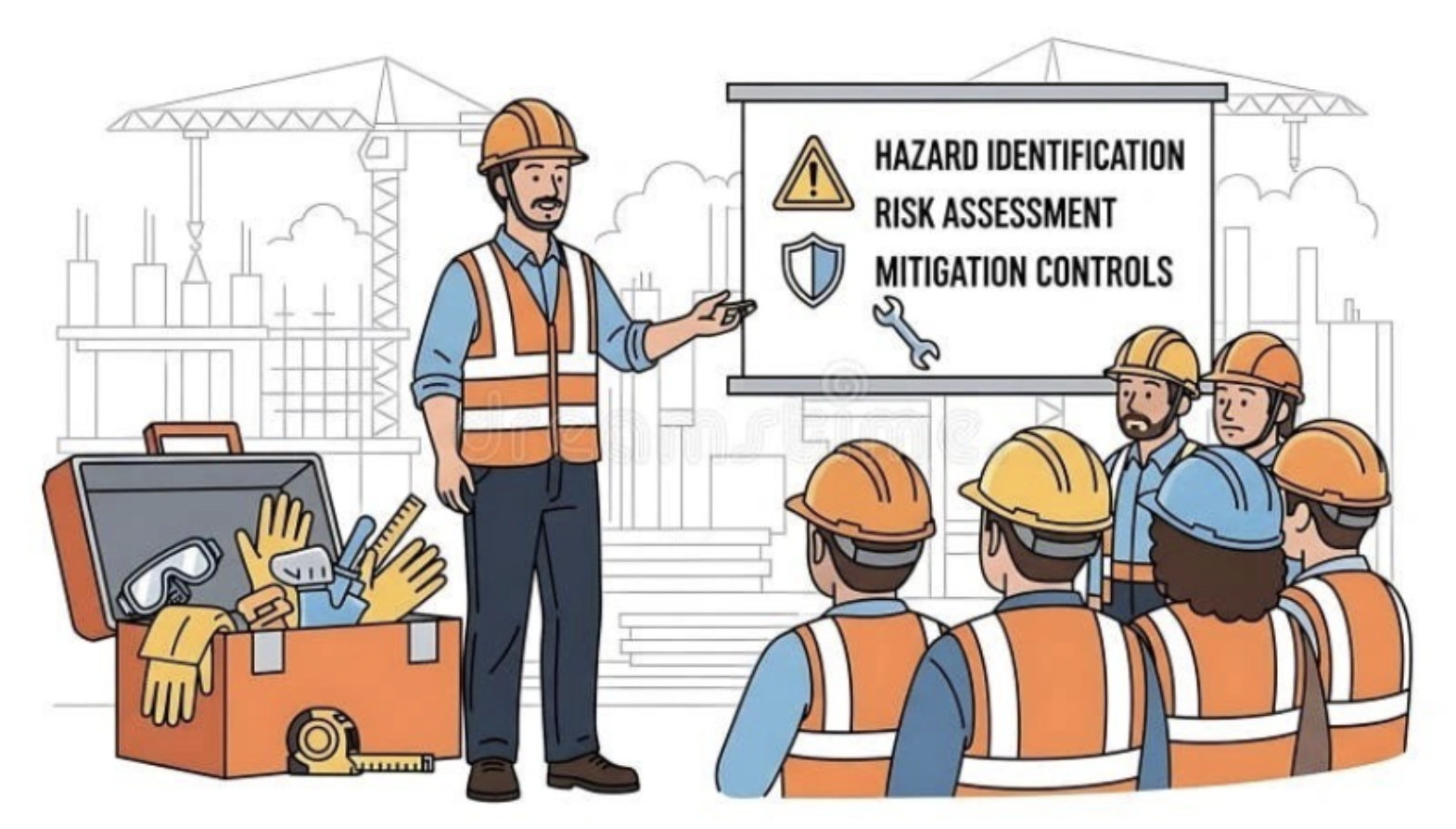
Proactive safety management system audits identifies potential hazards before incidents occur through risk assessment and data analysis.
Organisations achieve better outcomes by focusing interventions at the group or organisational level rather than solely at individual workers.
Data-driven safety cultures transform how organisations approach risk management by leveraging predictive analytics to identify potential hazards.
Technology plays a vital role in modern prevention strategies through wearable devices that monitor worker movements and environmental conditions.
Leadership commitment remains essential, with leaders actively demonstrating safety prioritisation through actions and decisions.
Employee engagement through safety committees fosters ownership and responsibility.
Regular collaborative hazard identification sessions bring together diverse perspectives to uncover risks standard checklists might miss.
Organisations increasingly recognise psychological safety as crucial, addressing mental health to reduce stress-related incidents.
Conclusion
Impress Solutions stands at the forefront of the safety revolution, helping organisations transition from outdated methodologies to integrated, technology-enhanced safety system solutions.
Their comprehensive approach addresses both visible and hidden costs of workplace incidents while fostering cultures where safety becomes everyone's responsibility.
Companies partnering with Impress Solutions typically experience dramatic improvements in safety performance through customised workplace accident prevention solutions that address their unique operational challenges.
To learn more, get in touch with the team by booking your free consultation here.
















































.png)










.png)
.png)
.png)
.png)
.png)
.png)
.png)

.png)
.png)
.png)
.png)
.png)
.png)
.png)
.png)
.png)
.png)
.png)
.png)
.png)
.png)


Ready to Save Lives at Work?
With Impress Solutions, you’re not just getting a service, you’re securing peace of mind with a partner you can trust. Book a free consultation today, and let’s map out how we can help you save lives at work.

.png)