How to Master the Risk Assessment Process: A Step-by-Step Guide for Workplace Safety
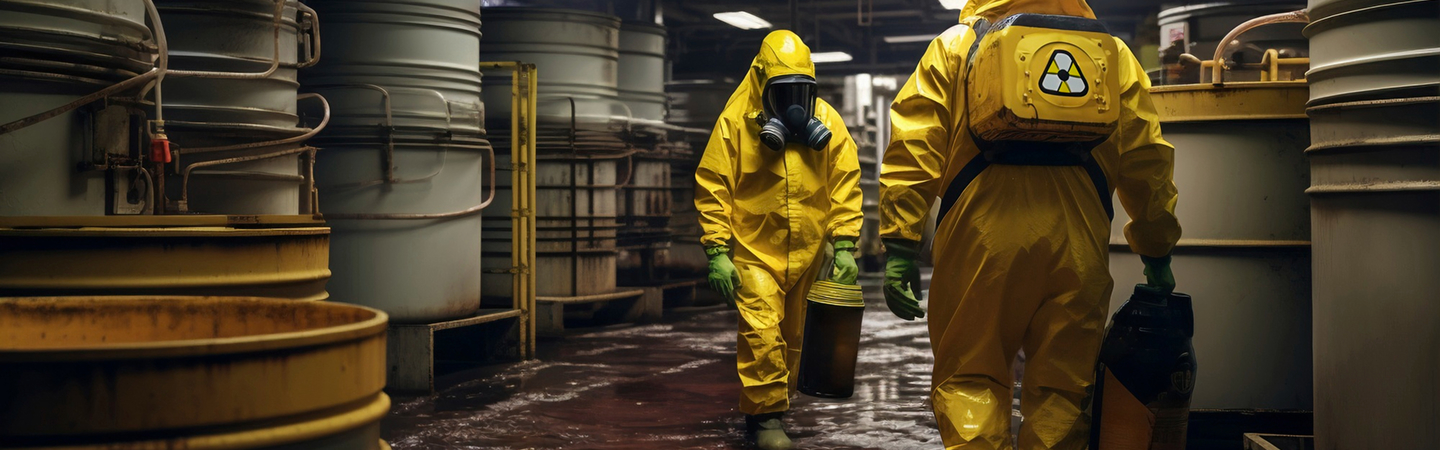
The risk assessment process is your workplace's first line of defense against injuries and illness. Many organizations struggle to implement it well.
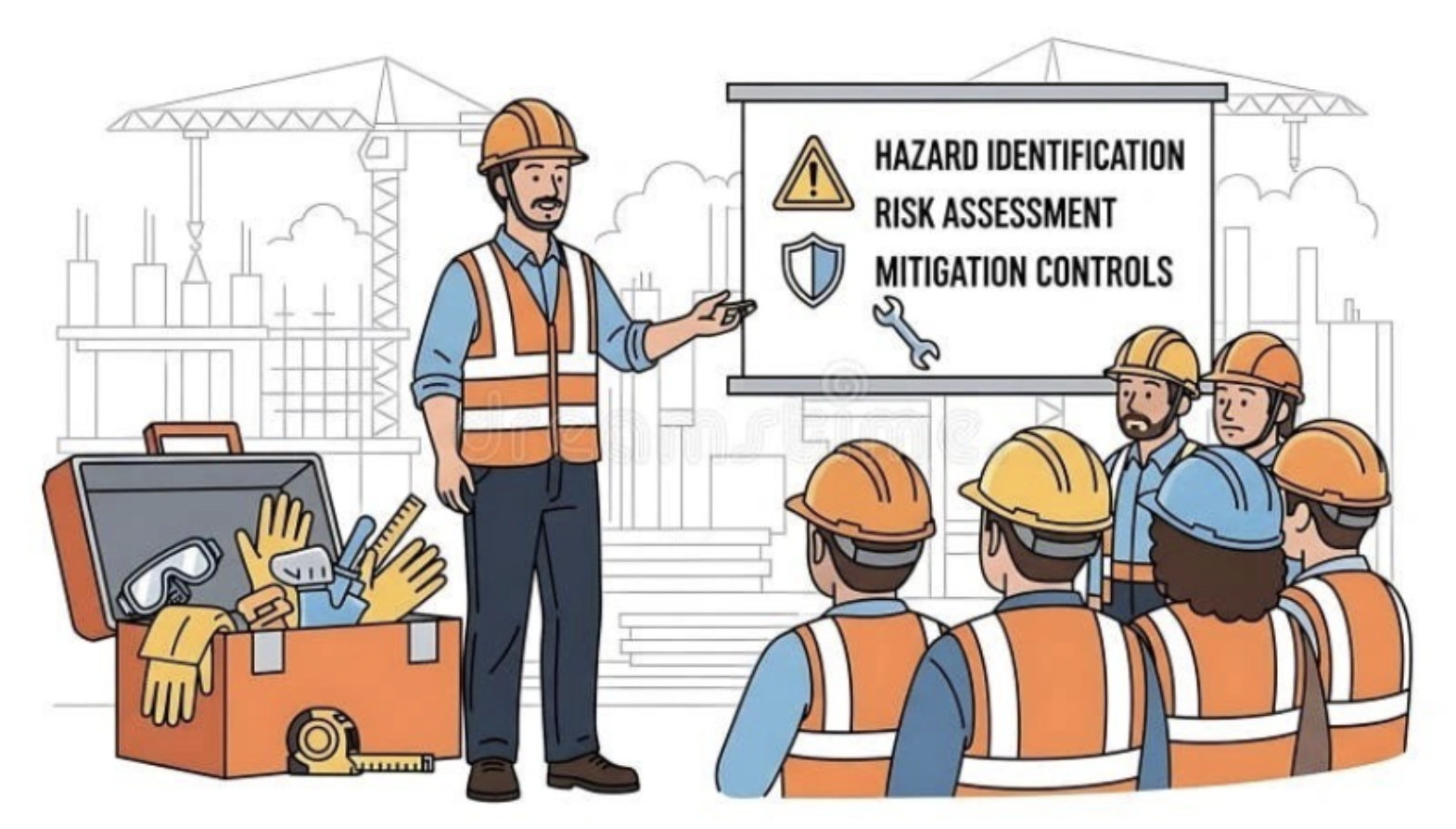
The reality is simple: the best way to prevent injuries or illness in your workplace is to find the hazards that could cause harm and fix them. Risk management is a step-by-step process for controlling health and safety risks caused by hazards in the workplace. Conducting proper risk assessments protects your workers. It's a practical system, not just a compliance checkbox.
This piece will walk you through each step of how to conduct a risk assessment. We'll cover identifying workplace hazards and implementing controls that keep your team safe.
What Is a Risk Assessment and Why It Matters
Understanding workplace risk assessment
A risk assessment is a systematic process to identify potential hazards, analyze who might be harmed and how, review risks and decide on precautions, record findings and implement control measures, then review and update on a regular basis [1]. This isn't a compliance exercise. The process involves thinking over what could happen if someone is exposed to a hazard and the likelihood of it happening [2].
Risk assessments get into everything in work to pinpoint what could cause harm to your staff, visitors, or anyone else affected by your business operations. The process works by establishing what type of harm could occur, how severe that harm might be, how often workers are near the hazard, and whether it has happened before [2]. You're working out how hazards may cause harm by understanding the chain of events that could lead to incidents.
Legal requirements for conducting risk assessments
Hazard identification, risk assessment and risk control is made compulsory for employers in all workplaces by the Regulations [3]. The OH&S Act and Regulations are legally enforceable, and employers can be prosecuted if they do not meet their obligations [3]. Duty-holders are obliged to find hazards before they cause an incident, injury, illness or disease [4].
You must conduct or review a risk assessment when changes affect your work activities. Duty-holders are obliged to review hazards and risks prior to commencing work at a new workplace, before introducing new plant, substances, or work systems, when introducing untrained staff, after incidents occur, or when health and safety representatives raise concerns [4]. A risk assessment is mandatory under the WHS Regulation for certain high-risk activities including entry into confined spaces, diving work and live electrical work [2].
Benefits of a systematic risk assessment process
Systematic risk management provides a structured framework for organizations to identify, assess, and control threats to their operations, assets and objectives [1]. This approach examines interconnections between operational areas and reveals cascading risks that might otherwise remain hidden rather than addressing risks in isolation [1].
Organizations can strengthen their overall resilience and reduce the likelihood of operational disruptions [1]. Workplace accidents and injuries damage your organization's reputation while generating costs through lost productivity, medical expenses, investigations and legal fees [5]. Workers are less likely to be distracted by potential dangers and can focus on their tasks with greater concentration and efficiency [5].
Step 1: Identify Hazards in Your Workplace
Walk through your workplace systematically
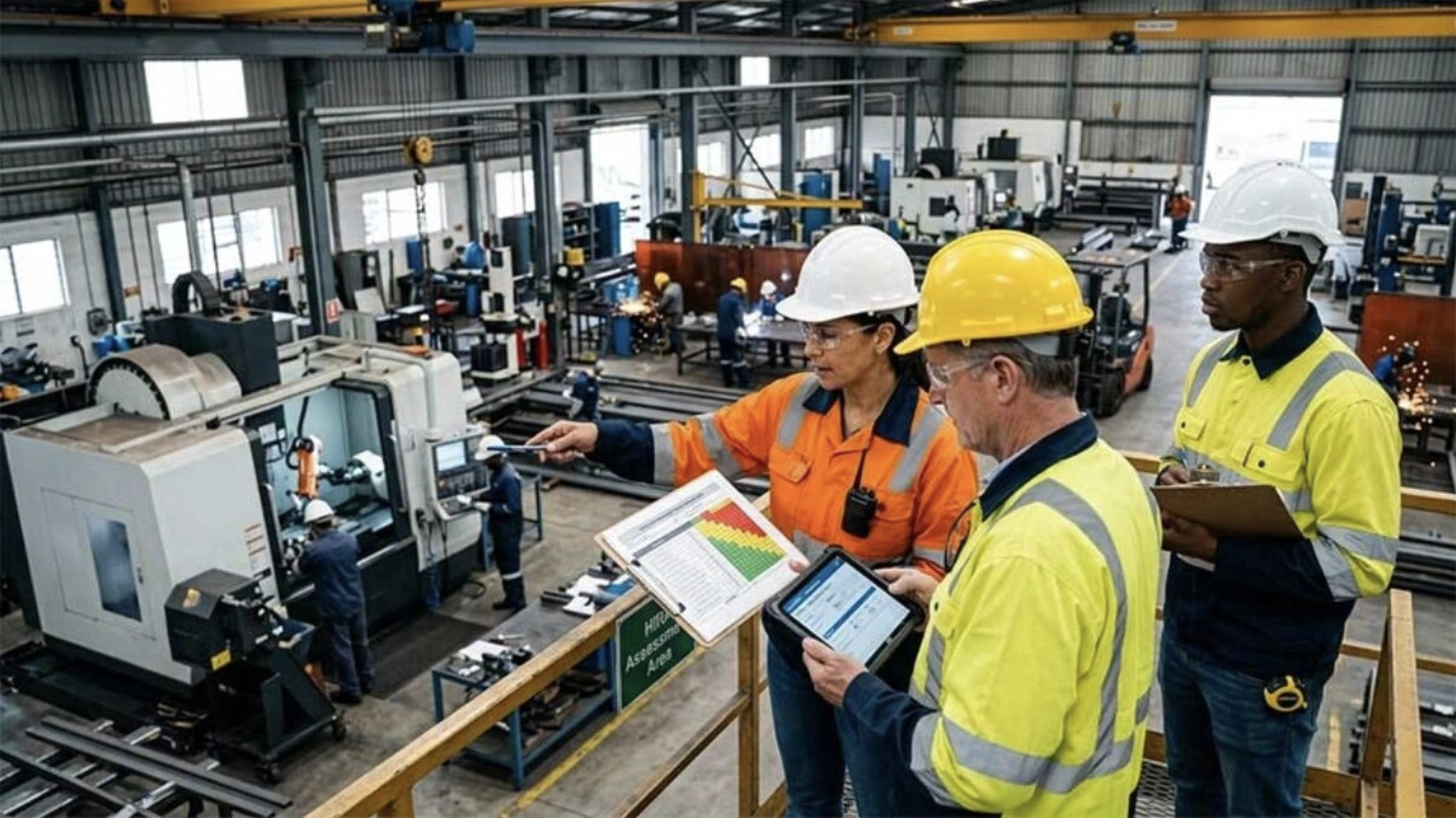
Regular inspections of all operations, equipment, work areas and facilities are the foundations of hazard identification [6]. Walk around your facility and observe how work is carried out. Pay attention to how employees work, how equipment is used, what chemicals are present, and what safe or unsafe practices exist. These inspections should cover all areas such as storage and warehousing, facility and equipment maintenance, purchasing and office functions. Don't forget the activities of on-site contractors, subcontractors and temporary employees [6].
Look back at your accident and ill health records. These can help you identify less obvious hazards. Take account of non-routine operations such as maintenance, cleaning or changes in production cycles. Review information from designers, manufacturers or suppliers of the equipment and substances in your workplace. This will help you determine relevant safety precautions.
Common types of workplace hazards
OSHA identifies 6 most common types of workplace hazards [7]:
- Safety hazards: Exposed electrical wiring, damaged flooring and unguarded machinery
- Physical hazards: Noise, radiation and temperature extremes
- Ergonomic hazards: Poor workstation setup and improper manual handling
- Chemical hazards: Dangerous solvents and flammable gasses
- Biological hazards: Viruses, bacteria and mold
- Psychosocial hazards: Work stress, workplace violence and excessive demands
Involve your workers in hazard identification
Workers often have the most direct knowledge of the risks associated with their daily tasks. Have workers participate on the inspection team and talk to them about hazards that they see or report [6]. Ask workers about hazards and near misses they have encountered as part of their work. A survey or questionnaire can sometimes assist workers to provide information about workplace hazards.
Document hazards you find
Be sure to document inspections so you can later verify that hazardous conditions are corrected [6]. Take photos or video of problem areas. This will help later discussion and brainstorming about how to control them. Use checklists that highlight things to look for. Keep them short with five to seven items covering the most important risks so they're easy to use daily.
Step 2: Assess and Evaluate the Risks
Determine who might be harmed and how
Risk assessment means working out how likely a hazard will harm someone and how serious that harm could be [8]. Identify who may be affected by the identified hazards. This includes employees, contractors, visitors and the general public [3]. Determine how they might be harmed by the hazards and the severity of that harm. With this understanding, you can prioritize control measures so they address the most critical risks first.
Calculate likelihood and severity of each risk
Assess each hazard by asking two questions: how likely is someone to be harmed by this hazard, and how badly could they be hurt [4]? Likelihood ranges from rare (may only occur in exceptional circumstances) to almost certain (expected to occur in most circumstances) [9]. Severity ranges from insignificant (no injuries or very minor inconvenience) to catastrophic (fatality or permanent disability) [10]. You calculate risk by looking at the likelihood of an event occurring along with the severity of its consequences [9].
Use a risk matrix to prioritize hazards
A risk matrix plots risks and measures their likelihood on one axis and their effect on the other [11]. Organizations commonly use 3x3 or 5x5 matrices. The latter provides more granular assessment [12]. Color-coding helps visualize priorities: low risks in green need routine monitoring, medium risks in yellow require preventative steps, and high risks in orange demand immediate attention. Extreme risks in red require immediate mitigation [13].
Think about vulnerable workers and special circumstances
Some workers have particular requirements. Young workers, migrant workers, new or expectant mothers and people with disabilities need special attention [14]. Workers in their first month on the job have claim rates over three times as high as those hired for more than one year [15]. Document special considerations these groups need during your assessment.
Step 3: Control Risks Using the Hierarchy of Controls
Once you've identified and reviewed risks, the hierarchy of controls provides a systematic framework to eliminate or minimize workplace hazards [1]. This step-by-step approach ranks control methods from most effective to least [2].
Eliminate the hazard completely
Elimination removes the hazard from your workplace [1]. Physical removal is the most effective hazard control because it frees workers from needing to be aware of the hazard and protecting themselves [1]. If employees must work high above the ground, move the piece they are working on to ground level to eliminate working at heights [2]. Purchase equipment that is not noisy rather than managing noise exposure [2].
Substitute with safer alternatives
Substitution replaces something that produces a hazard with something that does not produce a hazard or produces a lesser one [1]. Replace solvent-based paints with water-based alternatives or use electric motors rather than diesel ones to eliminate diesel exhaust emissions [2]. The new product must not produce collateral damage to work [1].
Isolate hazards from workers
Isolation places barriers or distance between a hazard and your workers [6]. Create physical barriers between personnel and hazards, such as using remotely controlled equipment [1]. Install guardrails to prevent falls or separate workers from hazards using concrete barriers [2].
Implement engineering controls
Engineering controls are methods that control the hazard at the source before it comes in contact with workers [2]. Guards around moving parts of machinery, local exhaust ventilation to remove airborne products, or mechanical lifting devices instead of manual lifting are common examples [2]. Engineering controls are reliable when designed, used and maintained the right way [2].
Apply administrative controls and safe work procedures
Administrative controls change the way people work [1]. Safe work procedures, training programs, warning signs, or worker rotation to reduce exposure time all fall under this category [2]. These controls limit workers' exposures by scheduling shorter work times in contaminant areas [2].
Use personal protective equipment as a last resort
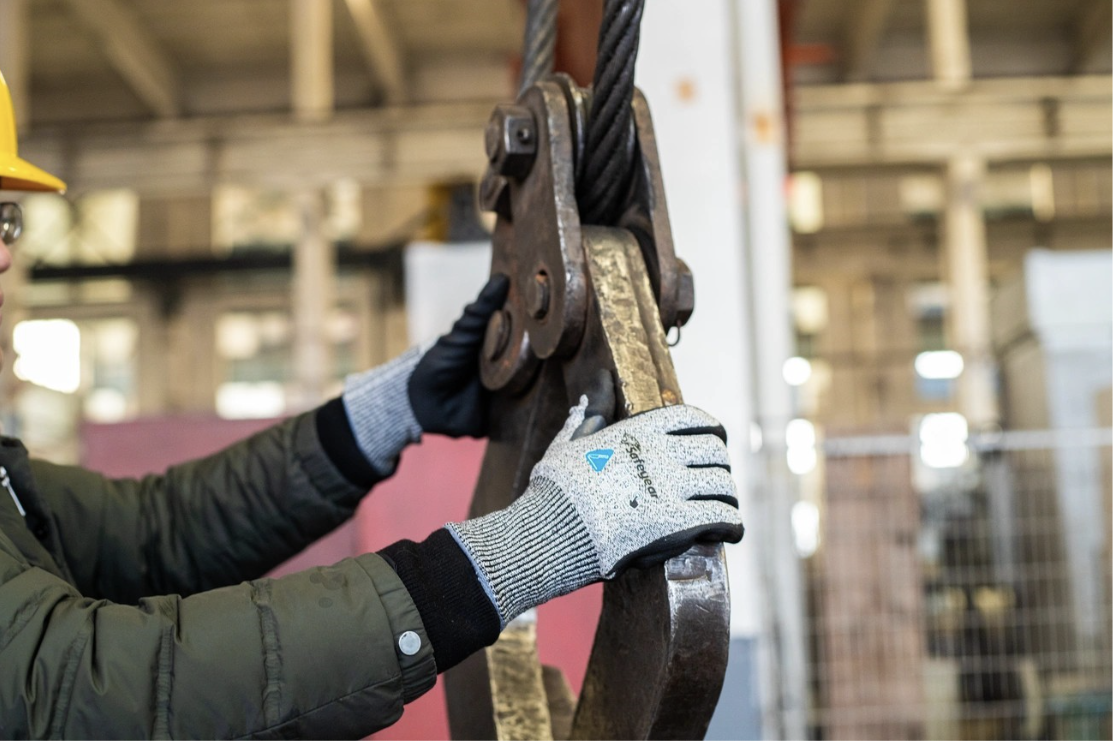
PPE has gloves, respirators, hard hats, safety glasses and safety footwear [1]. PPE should only be used when elimination, substitution, engineering or administrative controls are not practicable [2]. Considerable efforts are needed to use PPE the right way, such as training in proper use and testing the equipment [1].
Step 4: Record Your Findings and Review Regularly
Document your risk assessment
Written records demonstrate compliance and are the foundations of future assessments. Record the types of hazards, assessed risks and chosen control methods, including any checklists or worksheets used [16]. Update the risk assessment document with revision date, summary of changes and updated control measures [17]. Avoid rewriting everything if only small changes are needed [17]. Keep detailed records showing how and when you implemented control measures, monitored and reviewed them. Records should also show names of people consulted and training records [16].
Assign responsibilities for control measures
Risk assessment review is a shared responsibility [17]. Safety officers lead the review process and identify gaps. They verify that controls work and ensure documentation is updated [17]. Supervisors and managers monitor day-to-day changes and trigger reviews when work conditions change. They ensure updated controls are implemented [17]. Workers report unsafe conditions and provide feedback on how well controls work. They participate in reviews [17]. Risk owners are usually responsible for testing control effectiveness and ensuring controls work as intended [18].
Monitor the effectiveness of controls
Control effectiveness testing involves regular review of your controls. This ensures they're designed correctly and reducing risks as expected [18]. Testing has several components: understanding the control's purpose, gathering evidence and evaluating performance [18].
Schedule regular reviews and updates
Review control measures at regular intervals, at least annually [19]. So, you must also review when controls aren't managing risk well, before changes that might create new risks, when new hazards are identified, or when consultation with workers indicates a review is needed [16].
Conclusion
You now have a complete framework to protect your workplace from hazards and keep your team safe. Note that effective risk assessment isn't a one-time task but an ongoing commitment to safety.
Identify hazards in your workplace first. Review the risks and implement controls using the hierarchy we've outlined. Make sure you review often. Consistency in this process will reduce workplace injuries and create a safer environment for everyone.
Keep assessing and keep improving. Your workplace safety will strengthen over time.
References
[1] - https://en.wikipedia.org/wiki/Hierarchy_of_hazard_controls
[2] - https://www.ccohs.ca/oshanswers/hsprograms/hazard/hierarchy_controls.html
[3] - https://www.complyflow.com/blog/a-step-by-step-guide-to-conducting-a-risk-assessment
[4] - https://nationalcover.com.au/risk-assessment-process-steps/
[5] - https://hseaustralia.com.au/what-is-a-workplace-risk-assessment/
[7] - https://safetyculture.com/topics/workplace-hazards
[9] - https://www.worksafe.vic.gov.au/how-conduct-risk-assessment
[12] - https://safetyculture.com/topics/risk-assessment/5x5-risk-matrix
[14] - https://www.hse.gov.uk/simple-health-safety/risk/steps-needed-to-manage-risk.htm
[15] - https://www.iwh.on.ca/plain-language-summaries/vulnerable-workers-and-risk-of-work-injury
[16] - https://www.worksafe.qld.gov.au/safety-and-prevention/creating-safe-work/managing-risks
[17] - https://thehsecoach.com/updating-risk-assessments/
[18] - https://www.vmia.vic.gov.au/design-implement-and-evaluate-your-controls











































.png)






.png)
.png)
.png)
.png)
.png)
.png)
.png)

.png)
.png)
.png)
.png)
.png)
.png)
.png)
.png)
.png)
.png)
.png)
.png)
.png)
.png)
.png)
.png)


Ready to Save Lives at Work?
With Impress Solutions, you’re not just getting a service, you’re securing peace of mind with a partner you can trust. Book a free consultation today, and let’s map out how we can help you save lives at work.

.png)