Key Components of an Effective Safety Management System
Introduction
Most organisations have safety management systems. Procedures have been written, responsibilities assigned and compliance requirements addressed. On paper, the system appears complete.
The real question is whether it helps people make better decisions when work changes.
We've found that organisations rarely struggle because documentation is missing. More often, people aren't clear about the risks that matter most or the controls that prevent serious incidents. When that understanding fades, even a well-documented system can lose its effectiveness.
Safety management systems should do more than support compliance. They should help people recognise changing risks, understand their responsibilities and confirm that the controls protecting them continue to perform throughout the life of the work.
What are the key components of a safety management system?
There isn't a single document or procedure that makes a safety management system effective. The strongest systems create clarity. People understand the risks they are managing, the decisions they are responsible for and the controls that keep people safe.
Leadership plays an important part in creating that clarity. Workers pay attention to what leaders consistently reinforce, not simply what policies require. When leaders understand the organisation's material risks and regularly discuss them, safer decisions become part of everyday work rather than a separate safety activity.
Clear accountability is equally important. People should never have to guess who owns a critical control or how its performance will be verified. Everyone involved needs to understand both their responsibilities and why those responsibilities matter.
Worker engagement strengthens the system further. The people doing the work often recognise changing conditions before anyone else. Their observations help identify emerging risks, challenge assumptions and improve decisions before an incident occurs.
Learning also needs to be continuous. Workplace observations, incident reviews, job hazard analyses and regular conversations provide valuable opportunities to understand what is changing and whether existing controls remain suitable.
Also Read: 7 Proven Risk Mitigation Strategies That Protect Your Business in 2026
Good systems focus on what matters most
Every workplace contains hazards. Effective safety management systems recognise that not every hazard carries the same level of consequence.
One pattern appears repeatedly. Organisations often invest considerable effort developing procedures and documentation, yet spend far less time confirming that the controls protecting people continue to work as conditions change.
That distinction matters.
When organisations understand their material risks, they can focus attention on the events with the greatest potential consequences rather than treating every hazard the same way. That creates better conversations, better supervision and better decisions throughout the organisation.
Verification creates confidence
Controls should never be assumed to remain effective simply because they appear in a procedure.
Equipment changes. Contractors change. Work environments change. Operational pressures change as well.
Regular verification helps organisations understand whether critical controls continue to perform under real operating conditions. Field observations, workplace inspections and meaningful conversations provide assurance that the controls protecting people remain effective when they are needed most.
The Safe Work Australia Model Code of Practice: How to Manage Work Health and Safety Risks highlights the importance of consulting workers, identifying hazards, implementing appropriate control measures and reviewing those controls as work changes.
Technology also has an important role, provided it supports better operational decisions. Digital inspections, reporting tools and verification processes should improve visibility, strengthen conversations and encourage action rather than simply collecting information.
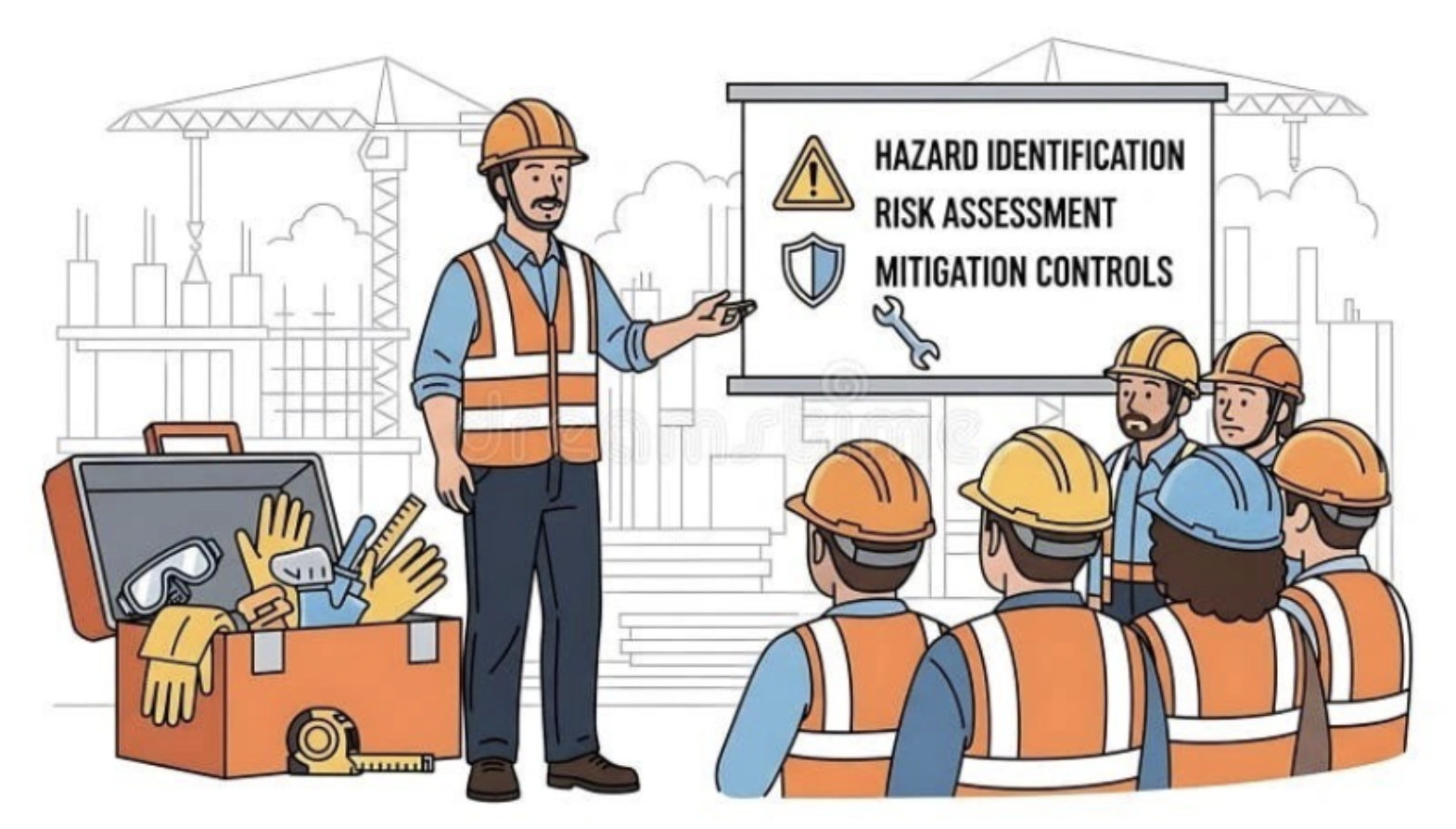
A structured approach to critical risk management helps organisations focus on the material risks with the greatest potential consequences while providing greater assurance that the critical controls protecting people continue to perform.
Conclusion
Effective safety management systems are not defined by the volume of documentation they contain. They are defined by how well they help people recognise risk, make informed decisions and confirm that the controls protecting them remain fit for purpose.
Compliance remains essential, but it is only one part of an effective system. The real value comes from creating clarity, strengthening accountability and continuously verifying that critical controls continue to perform as work evolves.
Impress Solutions works with organisations across construction, mining and other high-risk industries to strengthen safety management systems through practical critical risk management, verification and operational assurance. By helping organisations focus on the risks that matter most and the controls that prevent serious incidents, the emphasis remains where it belongs: protecting people and supporting the shared commitment to saving lives at work.
Key Takeaways
- Effective safety management systems create clarity around risks, responsibilities and critical controls.
- Leadership, worker engagement and accountability help strengthen everyday decision-making.
- Regular verification provides assurance that critical controls remain effective as work changes.
- Continuous learning helps organisations improve safety before incidents occur.
Frequently Asked Questions
What are the key components of a safety management system?
Leadership, accountability, worker engagement, effective risk management and regular verification all contribute to a strong safety management system.
Why are safety management systems important?
They help organisations manage material risks, improve decision-making and protect people before incidents occur.
How can organisations improve their safety management systems?
By focusing on material risks, verifying critical controls and continually learning as work conditions change.











































.png)







.png)
.png)
.png)
.png)
.png)
.png)
.png)

.png)
.png)
.png)
.png)
.png)
.png)
.png)
.png)
.png)
.png)
.png)
.png)
.png)
.png)


Ready to Save Lives at Work?
With Impress Solutions, you’re not just getting a service, you’re securing peace of mind with a partner you can trust. Book a free consultation today, and let’s map out how we can help you save lives at work.

.png)