How to Identify and Prevent Manual Handling Hazards: A Step-by-Step Safety Guide
Manual handling hazards are the biggest problem causing injury at Victorian workplaces. About 20% of farm-related accidents are caused by manual handling alone.
These injuries from manual handling, specifically musculoskeletal disorders (MSDs), include sprains and strains, back injuries, and soft-tissue injuries to wrists, arms, shoulders, neck, or legs. The consequences affect both workers and businesses through lost productivity and compensation costs.
The good news? Most manual handling injuries are preventable with the right approach.
This piece will walk you through a step-by-step process that identifies manual handling risks in your workplace, reviews their severity, and implements control measures to work and keep your team safe.
Understanding Manual Handling: Definition and Common Hazards
What is Manual Handling?
Manual handling is work where you lift, lower, push, pull, carry, move, hold, or restrain something [1]. Activities like pushing trolleys, operating machinery, packing boxes, lifting equipment, and even leaning over to scan grocery items all fall under this category [2].
Not all manual handling tasks pose risks. But it becomes hazardous when it involves repeated, sustained, or high force; sustained awkward posture; repetitive movements; exposure to sustained vibration; handling people or animals; or loads that are unstable, unbalanced, or hard to hold [1].
Examples of Manual Handling Hazards in the Workplace
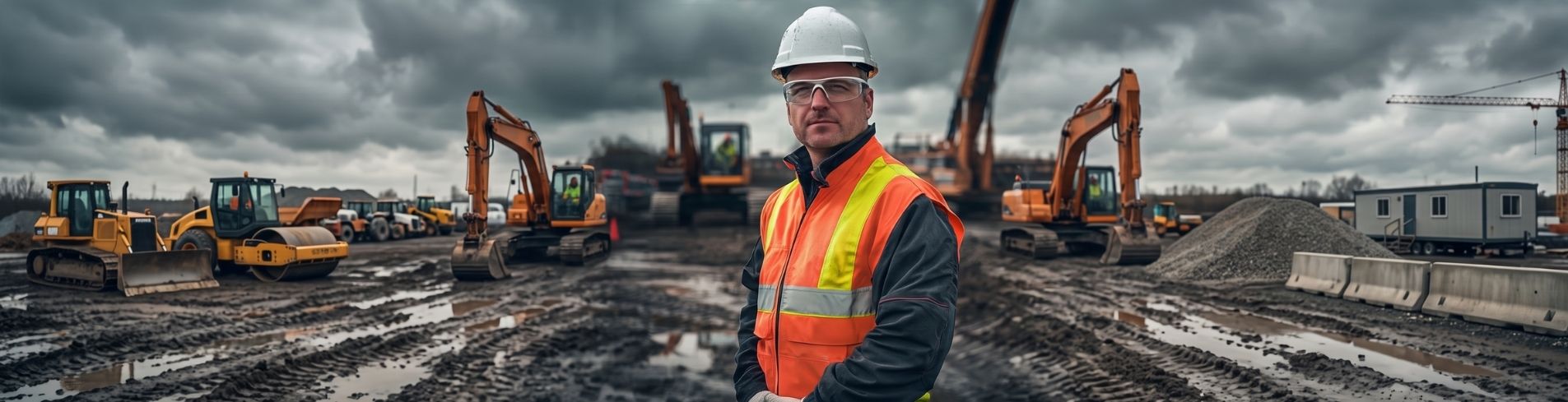
Manual handling hazards appear in industries of all types. Construction workers face risks when they move heavy building materials and operate equipment like jackhammers [1]. Health care and social services workers encounter hazards when they handle patients, while manufacturing and retail employees deal with repetitive stacking and lifting tasks [3]. Transport and warehousing operations involve steering heavily loaded trolleys through busy spaces [1].
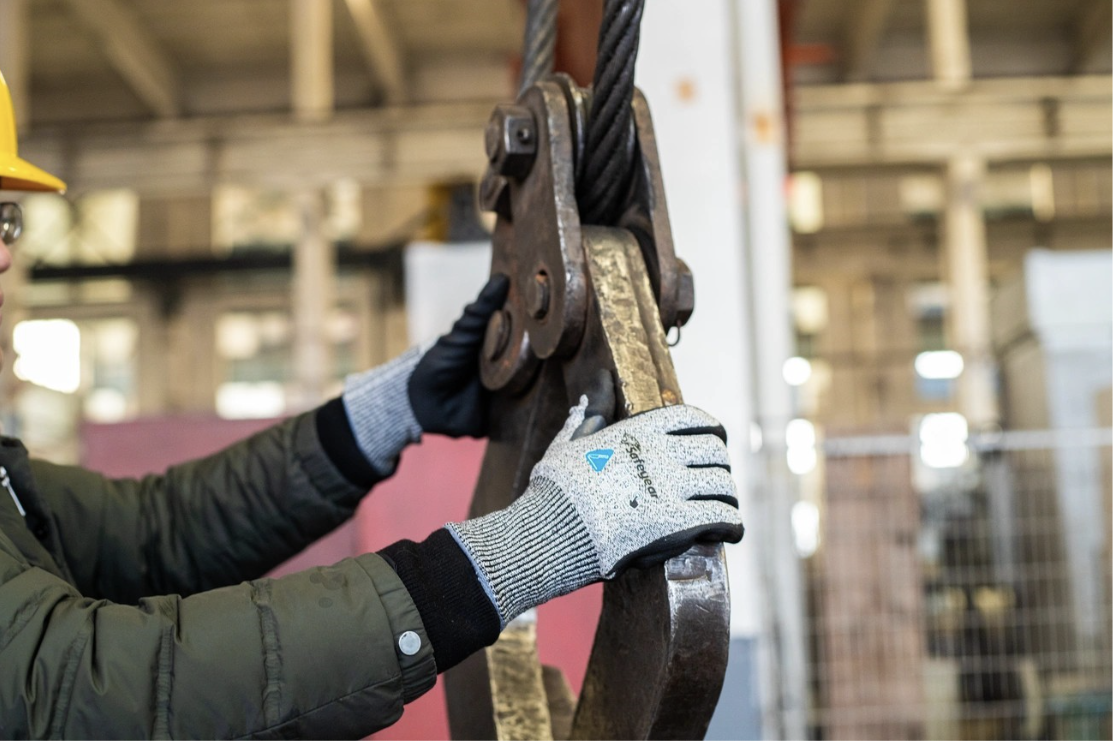
Specific hazard examples include heavy lifting that strains the spine and muscles, repetitive movements that cause joint problems over time, and poor posture such as lifting with the back instead of legs [4]. Poor grip increases the risk of dropping objects, which leads to injuries [4]. Environmental factors like slippery surfaces, cluttered pathways, and poor lighting create additional risks [4]. Prolonged exposure to vibration from hand-powered tools or driving on rough roads damages tissues and increases MSD risk [3].
Unstable or unbalanced loads cause uneven muscle loading and fatigue. The unpredictable movements of people or animals just need sudden force to control, creating manual handling risks [5].
Why Manual Handling Injuries Occur
Manual handling injuries occur through gradual wear and tear from repeated use of the same body parts, or sudden damage from strenuous activity and unexpected movements [6]. The risk relates not just to load weight, but also to the location of the load, item characteristics, frequency and duration of tasks, and cumulative tissue load over a working shift [6].
So there is greater body strain when you move an item from a high shelf compared to the same weight from waist height [6]. Awkward positions like bending, reaching, twisting, and working above shoulder or below knee height increase MSD risk [6]. Environmental factors like heat, cold, and lighting levels magnify these risks [1]. Work-related stress affects MSD development through job demands, low job control, and poor support [1].
Step 1: Identify Manual Handling Risks in Your Workplace
Before implementing any control measures, you need to know exactly what risks exist in your workplace. The TILE framework provides a systematic approach to identify manual handling hazards across four key areas: Task, Individual, Load, and Environment [5].
Assess the Physical Task Requirements
Start by getting into what workers actually do during manual handling tasks. Frequency and duration matter by a lot. Tasks performed for more than two hours over a workday or for more than 30 minutes at a time increase injury risk [6]. Repetitive tasks, defined as those performed more than twice per minute, create cumulative strain on body parts [6].
Look at the physical demands involved. Does the task require bending, twisting, reaching, or working above shoulder height or below knee height? These awkward postures increase MSD risk [7]. High or sudden force application, sustained force, and exposure to vibration from power tools also flag hazardous tasks [8]. Workers who lift, lower, push, pull, or carry loads throughout their shift face compounded risk [7].
Review Load Characteristics
Weight alone does not determine risk. Safe Work Australia notes that loads heavier than 16-20 kg increase back injury risk by a lot for standing tasks, and loads exceeding 55 kg need mechanical support [5]. Beyond weight, review the object's size, shape, and balance. Awkwardly shaped or unbalanced loads increase injury potential [5].
Check whether workers can grip the load properly. Are there handles or appropriate gripping surfaces [6]? Is the load stable or does it shift during movement [6]? Think over the distance the load travels and its position relative to the worker's body during handling [5].
Think Over Environmental Factors
Walk through work areas where manual handling occurs. Check for adequate space to perform tasks safely without restriction [9]. Get into routes workers travel with loads. Are pathways clear of trailing cables, rubbish, and spillages [9]? Floor surfaces should be even, stable, and free from slopes [9].
Temperature extremes affect worker comfort and safety during manual handling [9]. Lighting must be adequate without glare or shadows that obscure vision [9]. Outdoor tasks face weather conditions like rain that create slippery surfaces, and wind affects load control [9]. Review whether PPE requirements interfere with movement or manual handling operations [9].
Review Worker Capabilities and Limitations
Individual physical abilities vary based on age, fitness level, medical history, and existing conditions [5]. Think over whether workers have the physical capacity for assigned tasks, previous injuries that tasks might aggravate, and appropriate training for the work [8]. New employees or those returning from injury absence need graduated exposure to avoid injury or re-injury [6].
Step 2: Evaluate the Risk Level of Manual Handling Tasks
Once you've identified manual handling tasks, you need to determine which ones pose the greatest risk. Risk assessment gets into postures, movements, and forces in detail to understand where risks occur, why they happen, and what needs fixing [3].
Use Risk Assessment Tools and Checklists
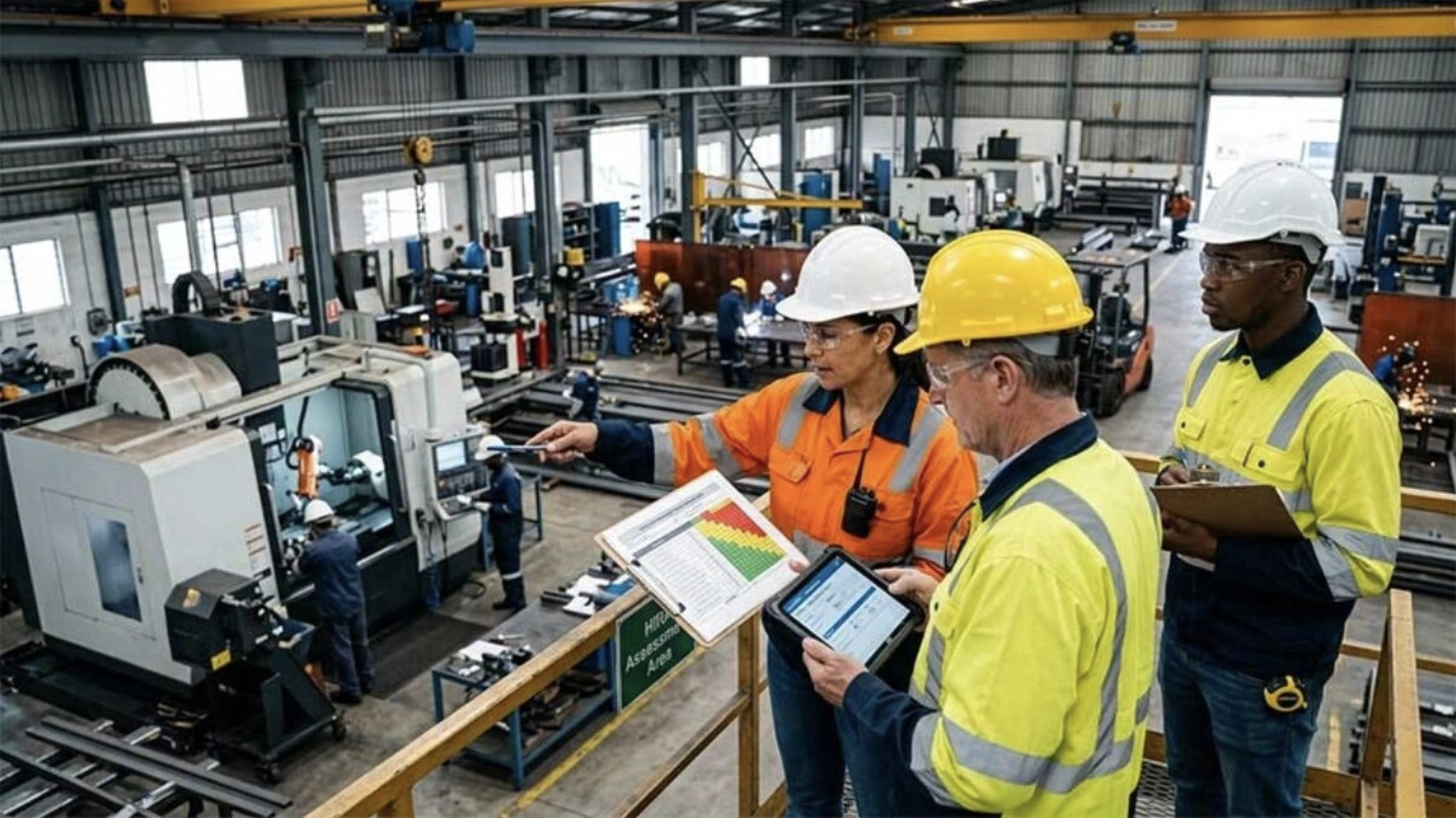
Manual handling assessment charts, like the MAC tool, help you understand and categorize risk levels associated with lifting, lowering, carrying, and team handling activities [10]. Various templates break tasks into steps and identify harmful movements, postures, or forces at each stage [11]. These tools assess whether tasks have repetitive actions (more than twice per minute) or sustained positions (held for more than 30 seconds) [11].
Identify High-Risk Activities
Review discomfort surveys, workplace injury records, and inspection reports to spot trends [3]. Tasks with multiple risk factors increase injury likelihood [3]. To cite an instance, activities combining awkward postures with high force or long duration warrant immediate attention [12].
Consult with Workers About Their Experience
Businesses that consult with staff achieve better safety outcomes [3]. Ask workers about physical difficulty and pain during or after tasks. Find out whether they need help performing certain activities [11]. This input reveals risks you might miss through observation alone [13].
Document Your Findings
Record all assessment details, including identified hazards, risk ratings, and worker feedback. Documentation creates accountability and guides your control measure selection [3].
Step 3: Implement Control Measures to Prevent Manual Handling Injuries
After assessing manual handling hazards, implement controls following the hierarchy of control, starting with elimination as the most effective measure [8].
Eliminate Hazardous Manual Handling Where Possible
Automation removes manual tasks entirely. Deliver goods directly to the point of use and eliminate handling [14]. Substitution, isolation, or engineering controls can minimize risks if elimination isn't reasonably practicable [8].
Use Mechanical Aids and Equipment
Mechanical aids transfer loads from workers' bodies to equipment [15]. Sack trolleys, hoists, pallet jacks, forklifts, conveyors, and lifting devices should be used where possible [5]. Operators need equipment-specific training and regular refresher sessions [15].
Redesign the Workplace Layout
Modify workplaces and reduce carrying distances, twisting movements, and lifting from floor level or above shoulder height [5]. Space increases help reduce poor postures like reaching and stooping [16]. Better flooring, lighting, and air temperature make manual handling safer [5].
Modify Work Tasks and Processes
Make loads smaller, lighter, and easier to grasp [5]. Large consignments should be broken into smaller units [5]. Work routines need changes that avoid excessive work rates and tight deadlines [5]. The pace of work should be reduced [17].
Train Workers on Safe Manual Handling Techniques
Training supports procedures but must not serve as the sole control measure [14]. Research shows lifting technique training alone doesn't work because it fails to change risk factors causing problems [14].
Establish Job Rotation and Rest Breaks
Rotate workers between tasks using different muscle groups and allow recovery from fatigue [18]. Frequent short breaks work better than longer infrequent ones [19]. Employee consultation matters when designing rotation systems [18].
Conclusion
Manual handling injuries are preventable with a systematic approach. Start by identifying risks through the TILE framework, review their severity using assessment tools, and implement controls starting with elimination.
Note that worker consultation reveals risks you might miss through observation alone. Apply the hierarchy of control and your workplace will see fewer injuries and boosted productivity. Keep assessing and adapting, and your team will stay safer over time.






































.png)



.png)
.png)
.png)
.png)
.png)
.png)
.png)

.png)
.png)
.png)
.png)
.png)
.png)
.png)
.png)
.png)
.png)
.png)
.png)
.png)
.png)
.png)
.png)
.png)
.png)
.png)
.png)
.png)


Ready to Save Lives at Work?
With Impress Solutions, you’re not just getting a service, you’re securing peace of mind with a partner you can trust. Book a free consultation today, and let’s map out how we can help you save lives at work.

.png)