
Understanding the Hierarchy of Controls: Your Guide to Effective Workplace Risk Management
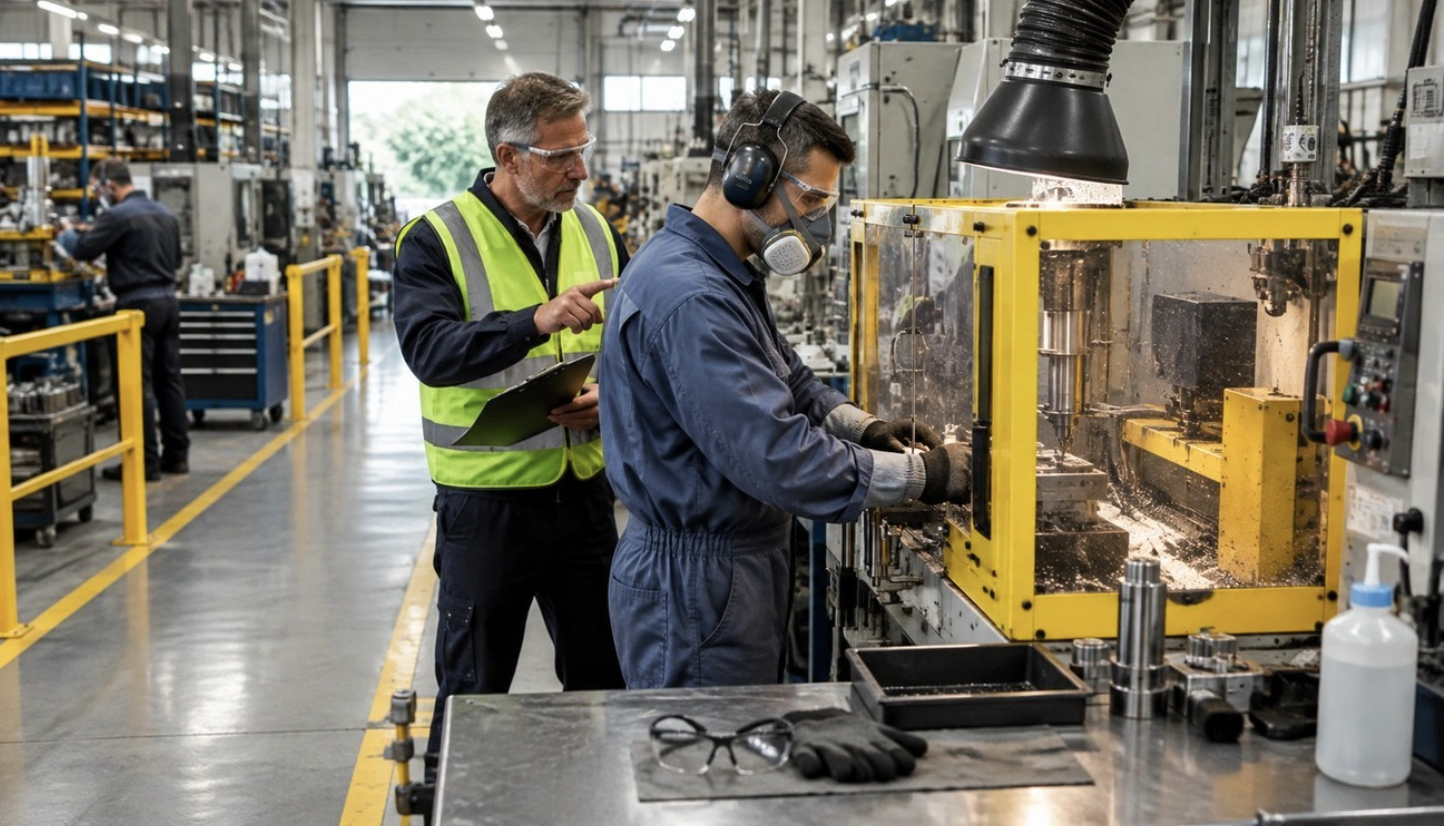
The hierarchy of controls helps determine whether workplace risk management addresses a hazard at its source or simply expects workers to cope with it. This practical framework ranks safeguards from the strongest options, such as removing or replacing a hazard, to controls that rely more on procedures, training, warnings, or personal protective equipment.
This piece separates the hierarchy of risk control from the broader hierarchy of control measures, gets into how engineering controls reduce exposure, and links the risk management hierarchy of controls to daily decisions. It also reviews examples and explains how to select and combine controls if one measure does not provide enough protection. Let us begin with the framework.
What Is the Hierarchy of Controls?
Workplace decisions become more consistent when I rank controls by how directly they eliminate or reduce exposure. The hierarchy of controls is a method that identifies safeguards and places them from most to least effective. It guides risk-control decisions toward measures that address hazards before workers come into contact with them.
The five levels are elimination, substitution, engineering controls, administrative controls, and personal protective equipment (PPE)[1]. I treat this order as a preference rather than a requirement to use only one option. Elimination removes the hazard, while substitution replaces it with a safer alternative. Engineering controls modify equipment or the workplace and may use barriers, isolation, or ventilation. Administrative controls change work practices through procedures, training, schedules, access limits, or warnings. PPE protects workers through worn items such as gloves, safety glasses, hearing protection, hard hats, and respirators.
The hierarchy favors higher-level controls because they require less worker action. Administrative controls and PPE reduce exposure, but they depend on consistent behavior. I assess higher-level options first, so I combine controls if one measure cannot provide enough protection. Engineering controls may require inspections, maintenance, and training. The risk management hierarchy organizes examples of the hierarchy of controls for practice.
The Five Levels of Control and Workplace Examples
Each level of the hierarchy changes how I manage exposure.
Elimination removes the hazard and the risk it creates. I can carry out maintenance at ground level rather than work at height, remove a trip hazard, or stop using a hazardous chemical.
Substitution replaces a hazard with a safer option. Examples include using water-based paint instead of solvent-based paint, mild detergent instead of caustic cleaner, or a cordless drill where a power cord could be cut. I assess the substitute's performance and any new risks before I adopt it.
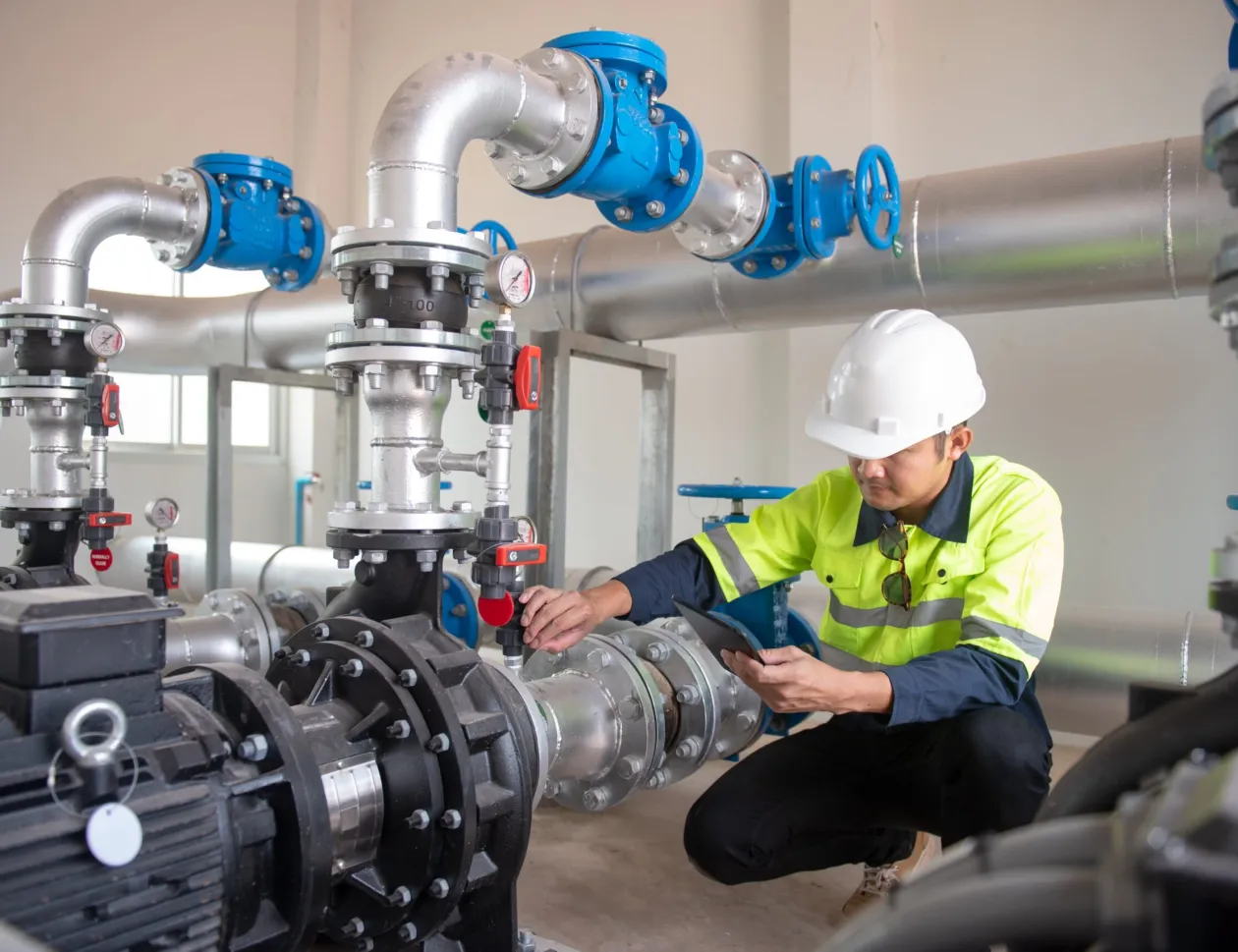
Engineering controls prevent contact with the hazard or capture it at the source. I use machine guards, pedestrian barriers, speed controls, noise enclosures, or local exhaust ventilation. These controls protect people with less dependence on individual action, but I still schedule inspections and maintenance.
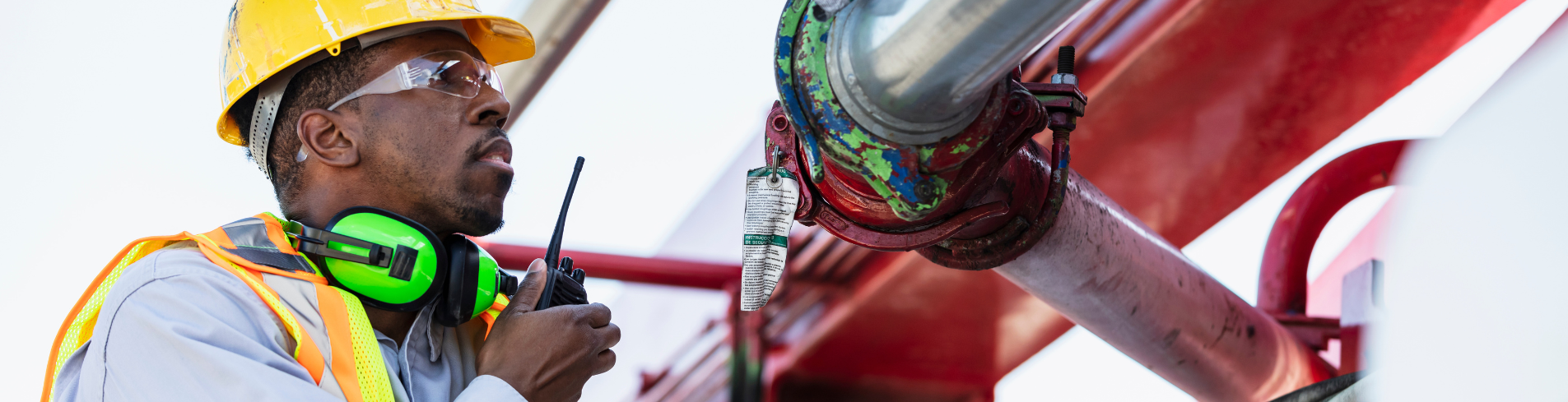
Administrative controls change work practices. I use procedures, training, access restrictions, job rotation, exposure limits, warnings, and planned maintenance. They support higher-level controls, but they depend on compliance and supervision.
I combine control levels when one measure does not remove all exposure. Ventilation may be supported by training and inspection, with respiratory protection used to control the remaining risk.
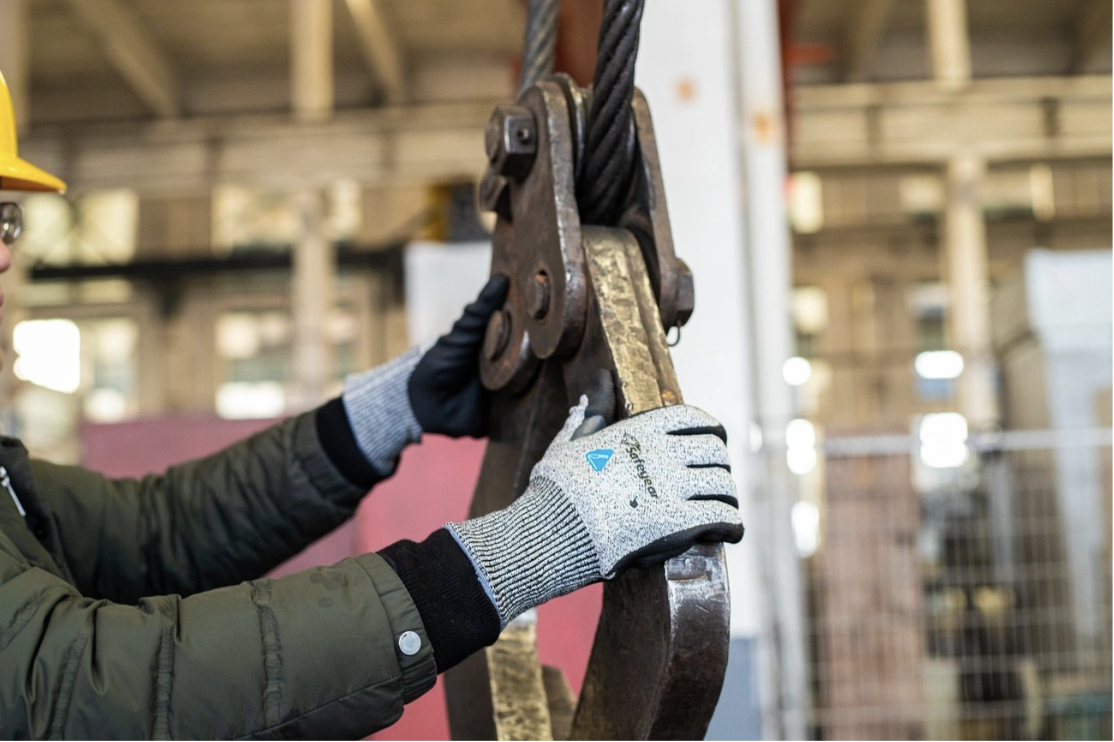
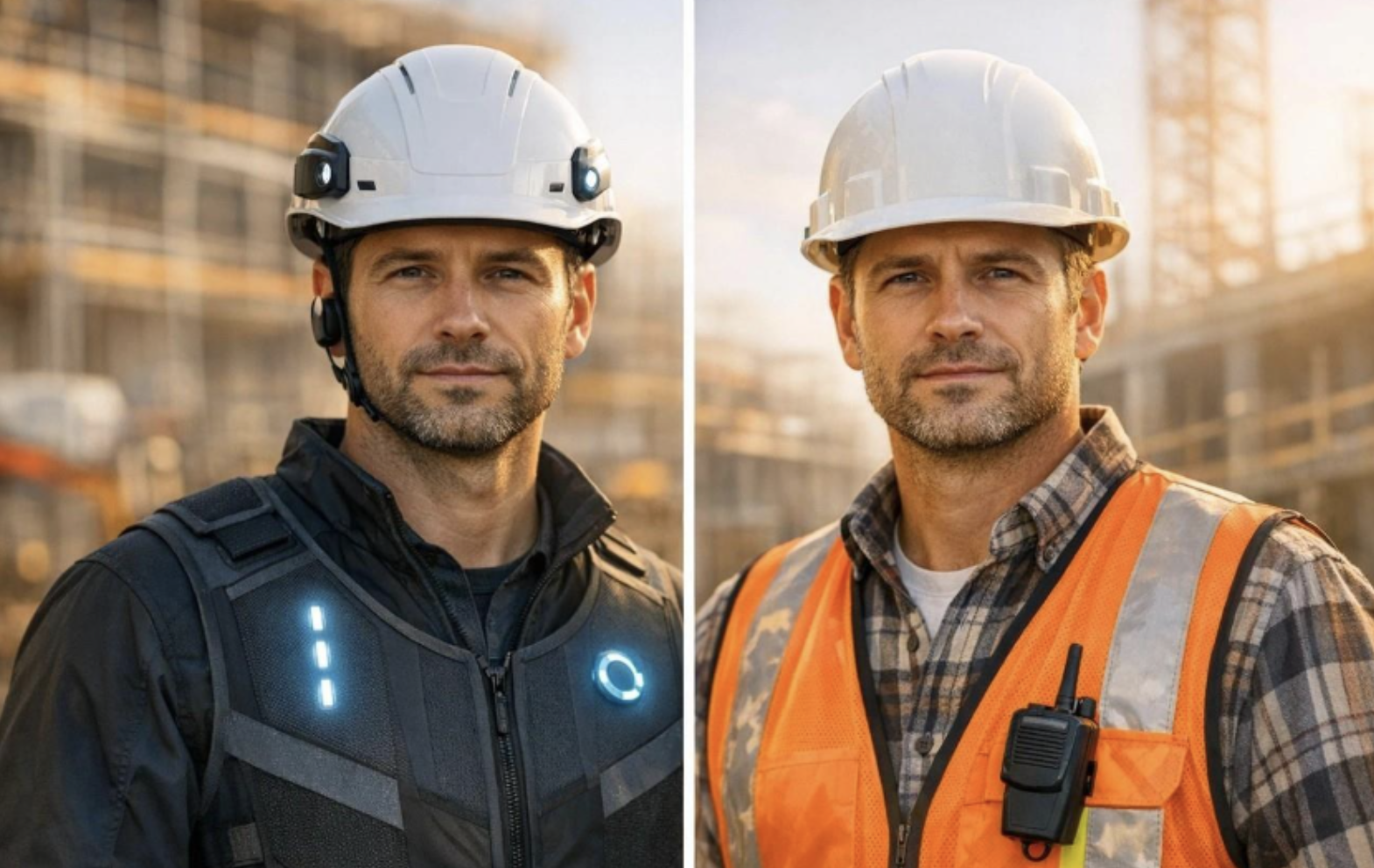
PPE is the final barrier. I select gloves, goggles, respirators, hearing protection, hard hats, or fall-arrest equipment to manage residual risk. Proper fit, use, cleaning, replacement, and training determine how well PPE works.
How to Apply the Hierarchy of Control Measures
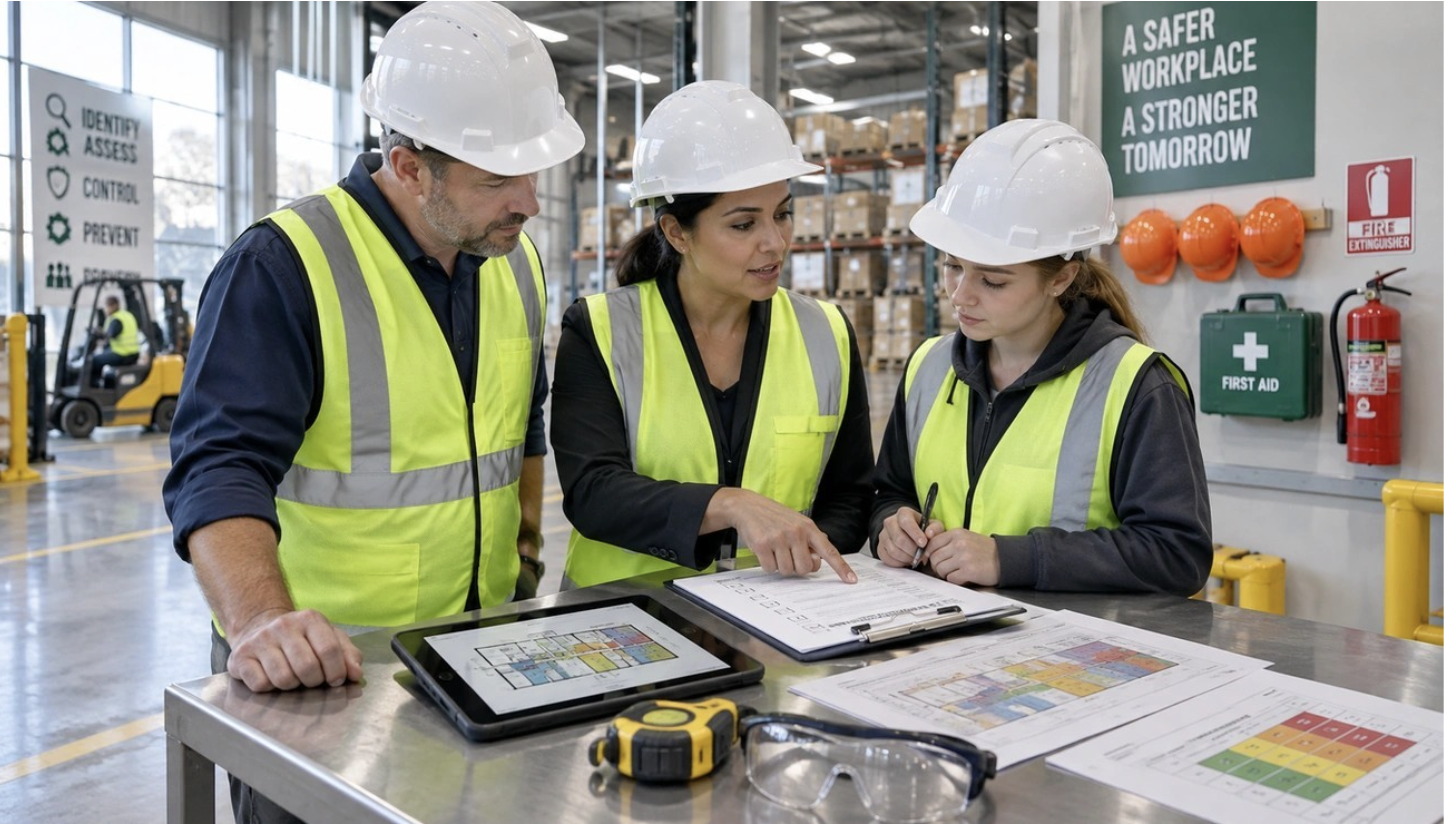
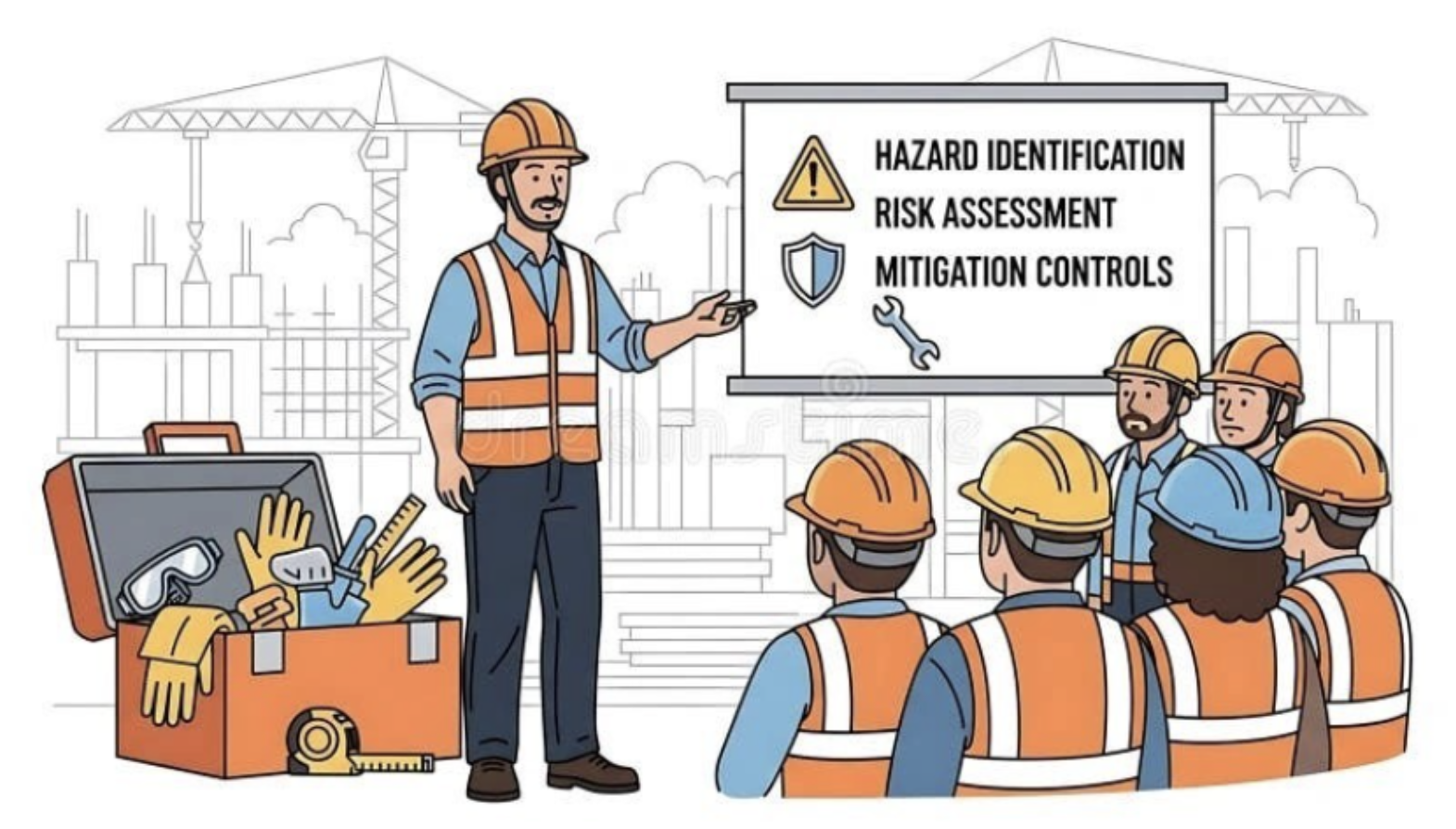
I begin each application by identifying workplace hazards instead of relying only on procedures. I inspect tasks and equipment, as well as substances, work design and management. I also consult workers and safety representatives about incidents, near misses and problems that have not been reported. This process addresses both physical and psychological risks.
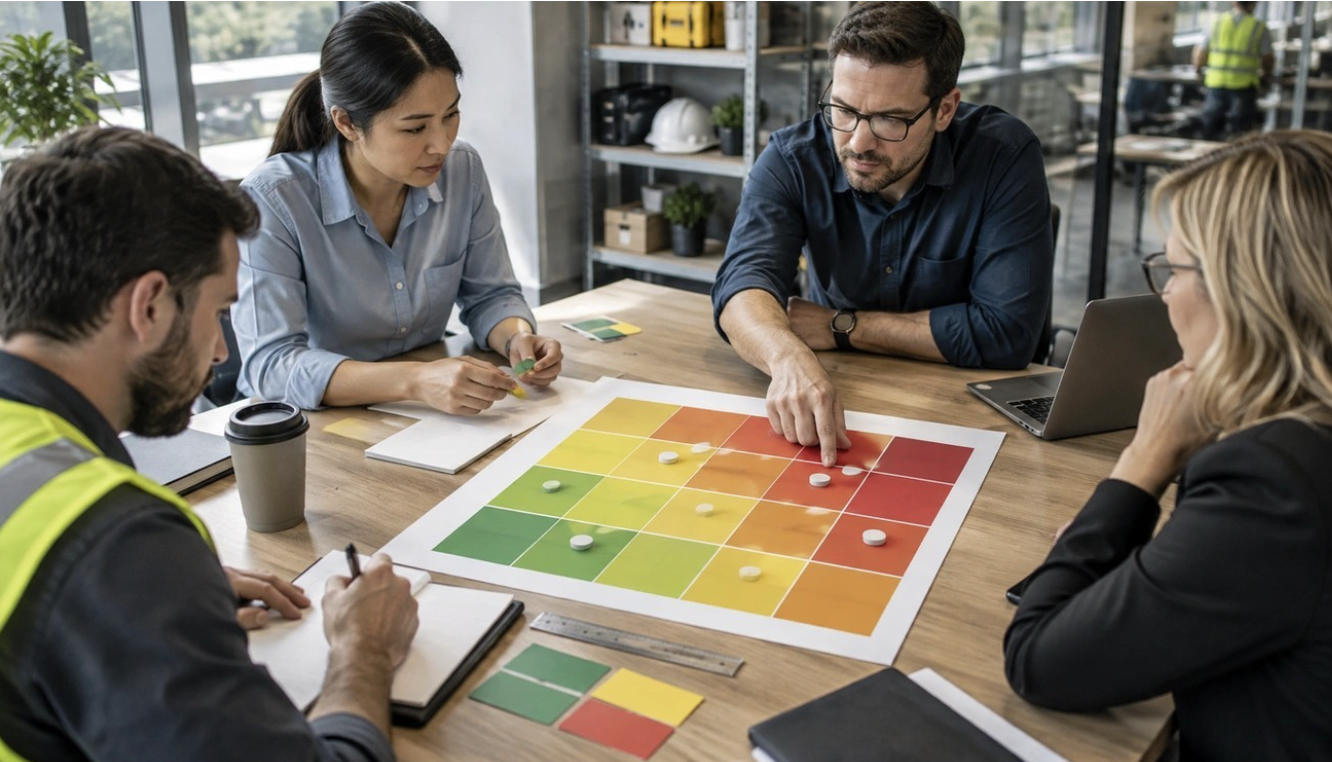
Next, I assess the severity and likelihood of harm, exposure frequency, affected people, existing controls, abnormal conditions, maintenance requirements and potential failures. I think over whether elimination or minimisation is reasonably practicable. This includes available methods, their suitability, knowledge of the hazard and whether the cost is grossly disproportionate to the risk. I arrange competent air monitoring if airborne contaminant exposure is uncertain and compare the results with the exposure limit from 1 December 2026[2]. I do not treat that limit as proof that no person can experience harm below it.
I then select the highest practical control and use interim measures if implementation will take time. I combine controls if one measure cannot protect workers. Once controls are in place, I verify their performance through inspections, monitoring, worker feedback and records. I review the hierarchy of control measures after incidents, workplace changes, new hazards or evidence that a control has failed. I use engineering controls with procedures and PPE as backup, and I maintain them.
Conclusion
I use the hierarchy of controls to move workplace safety beyond warnings and individual caution. Elimination and substitution address hazards most directly, while engineering controls separate people from remaining dangers. Administrative measures and PPE still help protect workers where risks remain. I identify hazards and consult workers, then verify each control and review it after a change or failure. This makes risk management practical, with layered controls that improve reliability.
References
[1] - https://www.cdc.gov/niosh/hierarchy-of-controls/about/index.html














































Ready to Save Lives at Work?
With Impress Solutions, you’re not just getting a service, you’re securing peace of mind with a partner you can trust. Book a free consultation today, and let’s map out how we can help you save lives at work.

