Industrial Safety Management Methods: From Confusion To Clarity

Blog Summary:
Industrial safety management systems provide a structured approach to identifying and controlling workplace risks, focusing on continuous improvement and effective hazard control.
TL;DR: Industrial Safety Management Methods
- Industrial safety management is a systematic approach to handling workplace risks.
- Key components: Safety Policy, Risk Management, Assurance, and Promotion.
- Effective safety systems are based on ongoing feedback and integration with other management systems.
- Control methods include the hierarchy of controls and bowtie analysis for complex environments.
- SMART objectives, a reporting culture, and regular safety audits are crucial for successful implementation.
- The Plan-Do-Check-Act framework helps ensure continuous improvement.
Introduction:
A safety management system provides a systematic approach to managing safety risks in operations. Essentially, industrial safety management involves four key components: Safety Policy and Objectives, critical Risk Management, Safety Assurance, and Safety Promotion. This blog will take readers from confusion to clarity by breaking down industrial safety management methods, exploring core strategies that transform risk into control, and providing practical implementation guidance.
Breaking Down Industrial Safety Management Methods
A safety management system serves as the foundation for effective industrial safety practices. It consists of structured policies, procedures, and plans that systematically manage workplace health and safety, helping to minimise injury and illness risks. However, these systems go far beyond mere documentation.
The most effective safety management approach is systems-based rather than relying solely on paperwork. This approach continuously evolves, uses feedback to improve outcomes, builds on existing processes, and integrates with other management systems. Additionally, it provides more informed decision-making capabilities and strengthens corporate culture.
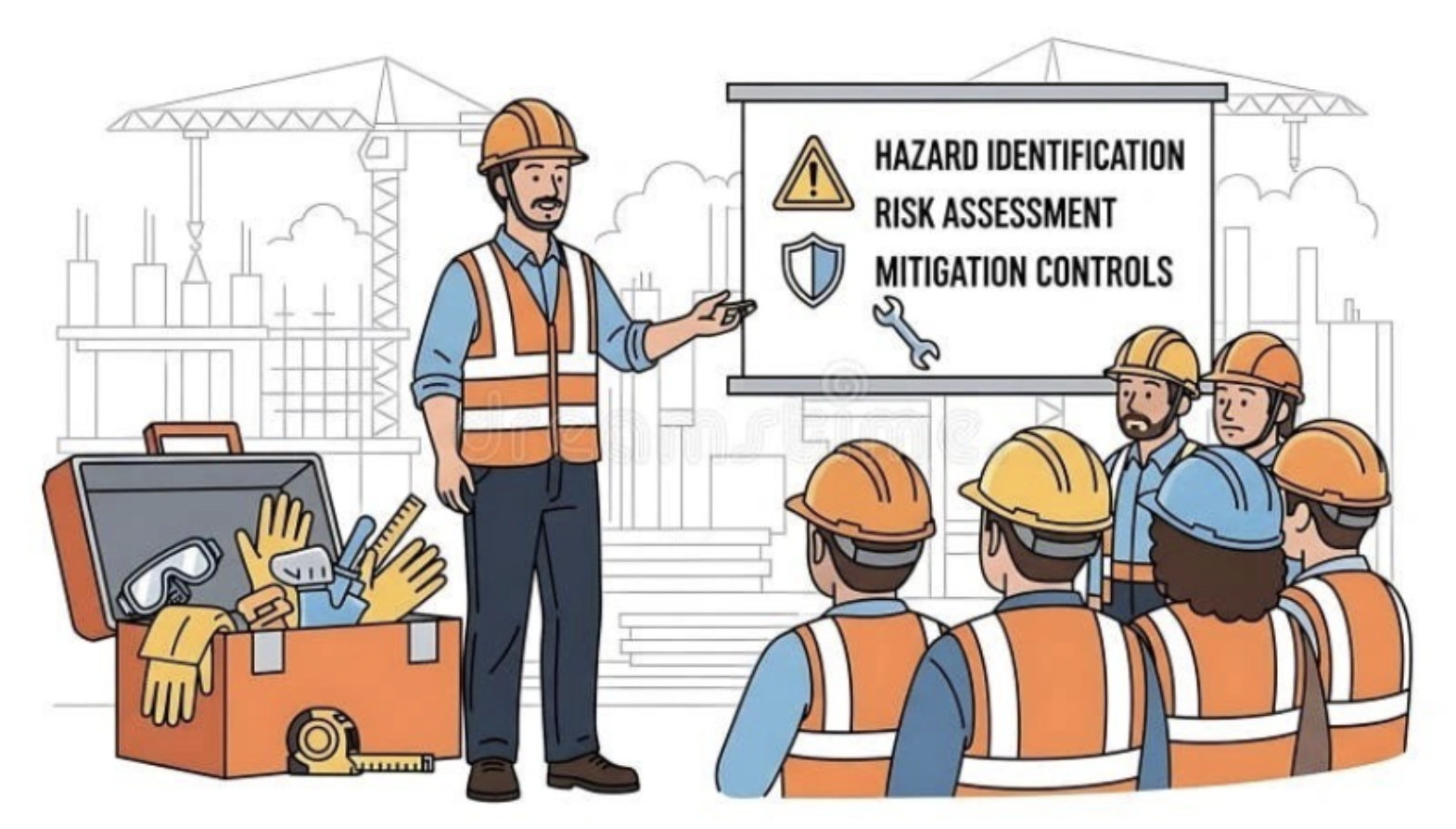
At its core, a comprehensive safety management system consulting includes several key elements. First, hazard identification processes locate potential dangers in the workplace. Second, risk assessment evaluates the likelihood and severity of possible harm. Third, risk control measures implement strategies to eliminate or minimise identified risks. Fourth, monitoring and review procedures ensure controls remain effective over time.
From Risk to Control: Core Methods That Work
Effective control of workplace hazards forms the cornerstone of industrial safety management. The hierarchy of controls provides a structured approach to managing risks, starting with the most effective measures.
Administrative controls represent the next tier, establishing work practices that reduce exposure through training, job rotation, and adjusting processes.
For complex industrial environments, bowtie analysis offers a valuable visualisation technique. This method maps potential causes and consequences around a central hazard event, clearly identifying where preventive and mitigative controls should be placed.
Once hazards are assessed, organisations must implement controls according to their priority, typically addressing the most serious risks first. Regular verification confirms controls remain effective, with field-level assessments providing real-time evaluation.
Turning Confusion into Clarity: Implementation and Monitoring
Implementing an industrial mine safety management system transforms theoretical frameworks into practical safeguards. The journey from confusion to clarity begins with establishing a baseline through comprehensive safety audits and defining key performance indicators for safety measurement.
Successful implementation requires a structured approach. First, organisations must set clear SMART (Specific, Measurable, Achievable, Relevant, Time-bound) safety objectives aligned with overall business goals. Next, fostering a reporting culture becomes vital; creating systems where employees can report concerns without fear of reprisal.
The Plan-Do-Check-Act framework provides a methodical implementation path:
- Plan: Identify improvement areas and develop an action plan
- Do: Implement changes on a small scale
- Check: Analyse results and identify what worked
- Act: Apply successful changes more broadly
Regular safety reviews and audits remain essential for monitoring effectiveness.
Common implementation pitfalls include insufficient training, inadequate resource allocation, and poor communication across organisational levels.
Ultimately, effective industrial safety management requires ongoing attention rather than a "fit-and-forget" approach.
Conclusion
Their team of specialists guides organisations through each implementation stage, helping clients establish robust systems tailored to specific operational needs. Impress Solutions has witnessed firsthand how companies transform their safety performance through these methodologies.
Get in touch with us to learn more!













































.png)










.png)
.png)
.png)
.png)
.png)
.png)
.png)

.png)
.png)
.png)
.png)
.png)
.png)
.png)
.png)
.png)
.png)
.png)
.png)
.png)
.png)
.png)
.png)
.png)
.png)
.png)


Ready to Save Lives at Work?
With Impress Solutions, you’re not just getting a service, you’re securing peace of mind with a partner you can trust. Book a free consultation today, and let’s map out how we can help you save lives at work.

.png)