
How to Identify and Eliminate Trip Hazards in Your Workplace: A Step-by-Step Safety Guide

Slips and trips resulting in falls are responsible for nearly half of all reported workplace injuries[9]. Most trip hazard incidents are preventable with the right approach.
Every uneven surface, loose cable, or cluttered walkway in your facility represents a potential slip trip and fall hazard that could sideline your team and affect operations. The question is: do you know what constitutes a trip hazard in your specific workplace?
This piece will walk you through a practical, step-by-step process to identify slip and fall hazards and eliminate existing risks before trip and fall incidents happen. You'll have a clear action plan to make your workplace safer by the end.
Understanding Trip Hazards and What Constitutes a Workplace Risk
A trip hazard is a physical obstruction or irregularity in a walking surface that can cause a person to stumble or lose their balance. OSHA states that any change in floor level of ¼ inch or more constitutes a tripping hazard[1].
The mechanics of a trip are simple. Your foot or lower leg catches on an obstruction in your path of travel and throws you off balance[2]. People trip on low obstacles that are hard to spot most of the time. These include uneven edges in flooring, loose mats, open drawers and electrical cables[3].
Common trip hazards fall into several categories. Obstacles include materials and tools lying in walkways, along with packaging and waste materials[4]. Loose flooring presents risks through curled rugs or unsecured tiles[4]. Uneven surfaces like potholes and cracked pavement create unexpected hazards[4]. Trailing cables from electrical equipment obstruct walkways[4], while obstructions like low walls or floor-mounted socket covers catch people unaware[4].
Poor lighting compounds these risks. You can't avoid hazards if you can't see them[4]. Poor housekeeping creates more obstacles through accumulated waste and clutter as well[4].
Step-by-Step Process to Identify Trip Hazards in Your Workplace
Between 2003-2015, slips, trips and falls factored in 23% of serious workers' compensation claims[5]. Around 56% of all accidents were attributed to environmental factors including materials stored on the floor[5]. A systematic approach is required to identify these hazards.
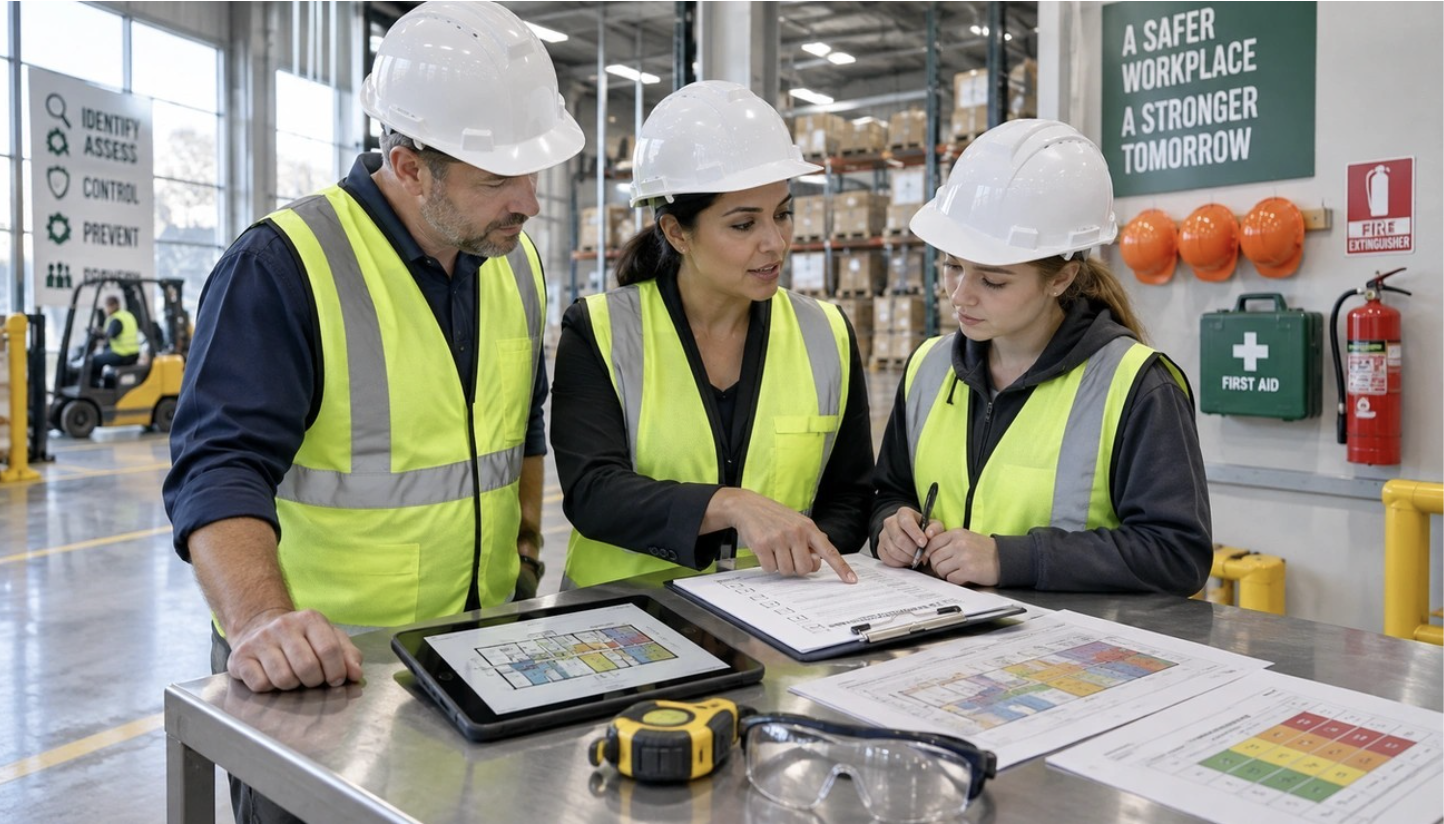
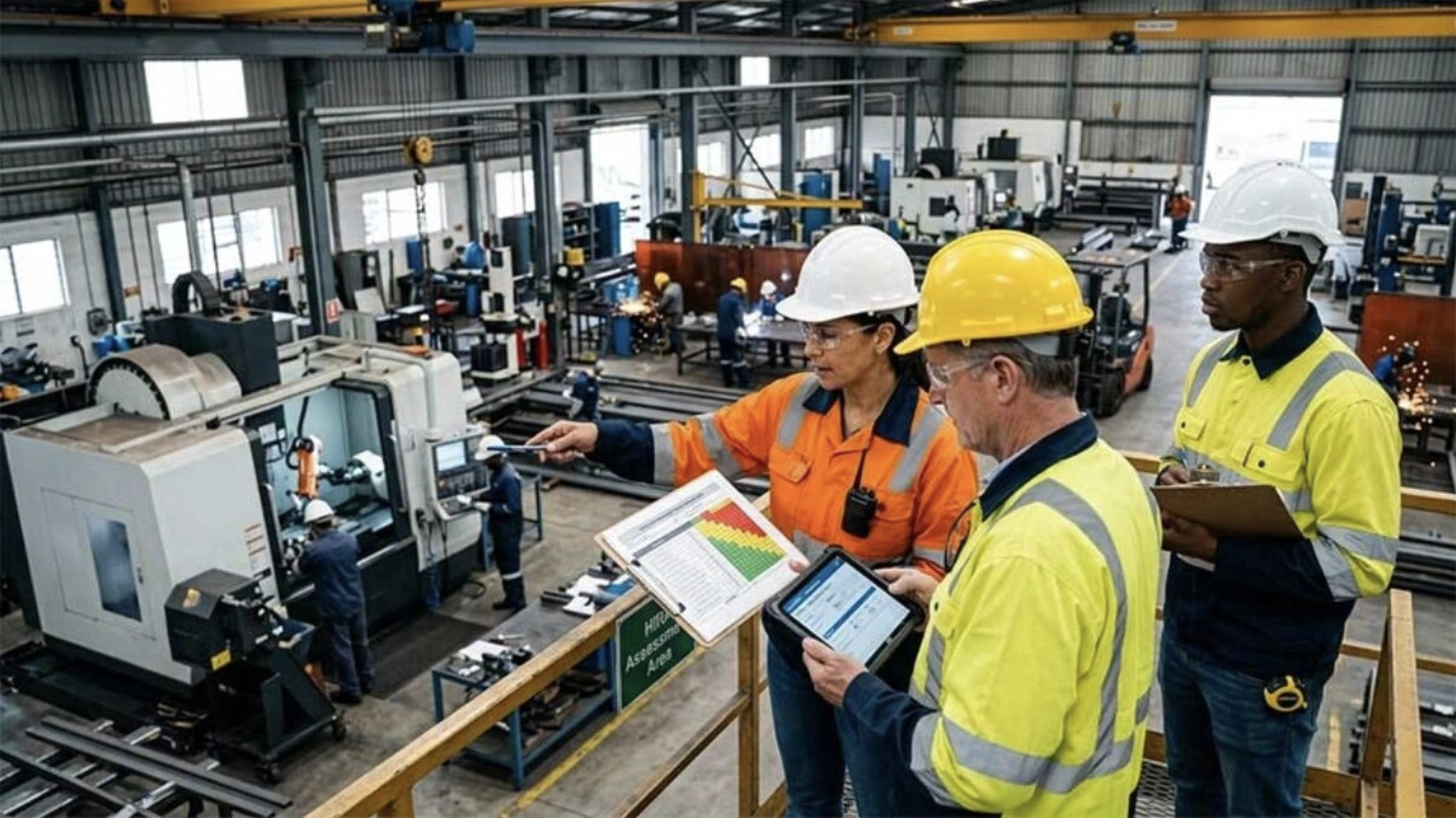
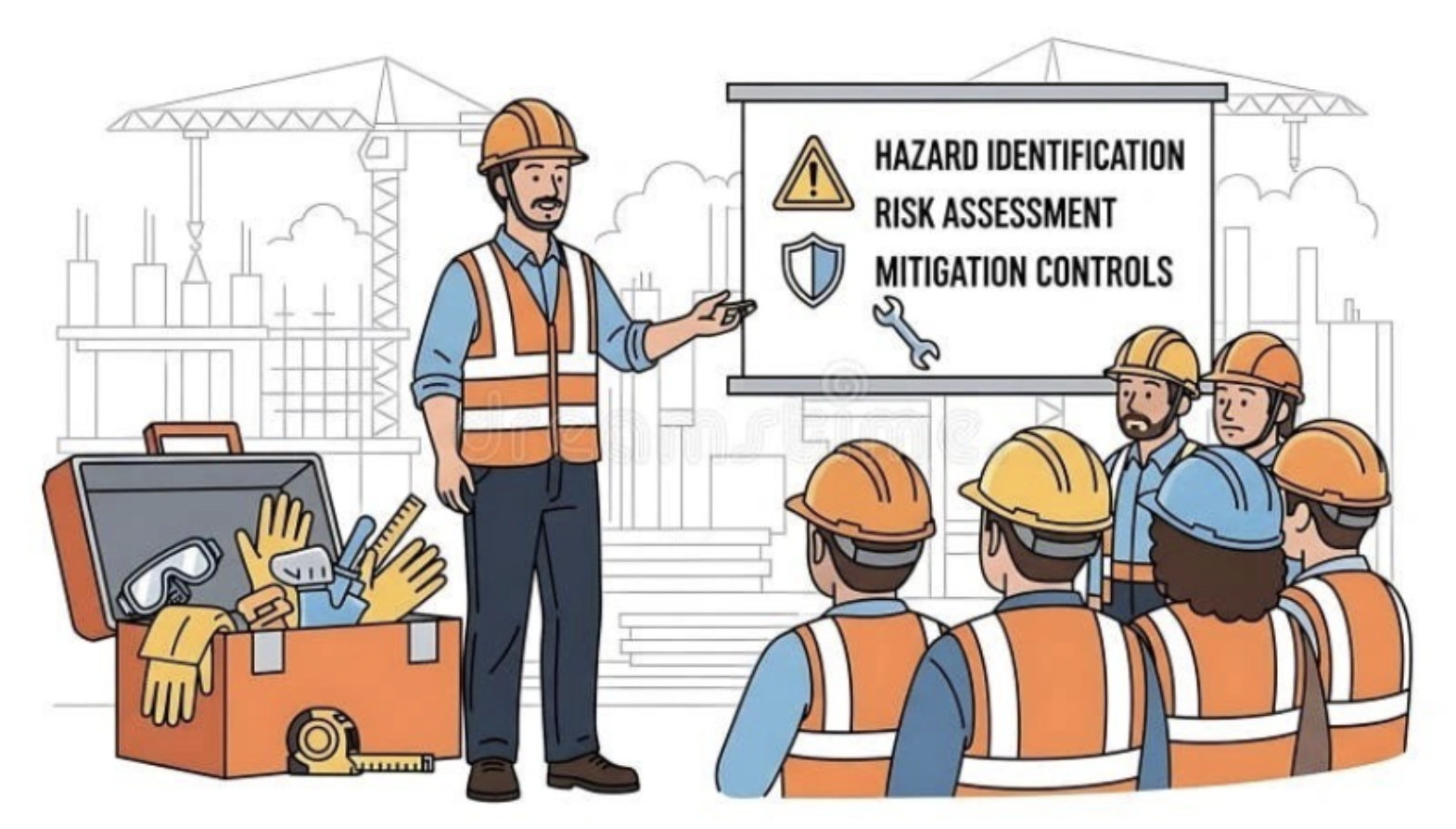
Start with a full walkthrough audit of your facility. Begin in common areas like entryways and high-traffic zones. Observe any trip hazards and take notes[6]. Pay attention to loading docks, storerooms and shared corridors where risks concentrate, specifically[6].
Document each hazard you find and note its location and severity[6]. Accurate documentation helps prioritize which hazards require immediate attention[6].
Get your employees to participate in the process[6]. Workers encounter hazards daily and can provide feedback on areas management might overlook[6]. Try seeing the workplace from a visitor's view as well[5]. Staff may know where hazards lurk, but visitors may not recognize the danger, especially elderly or sight-impaired individuals[5].
Review incident reports, near misses and maintenance logs to detect hazard patterns[7]. Conduct regular inspections of all operations, equipment, work areas and facilities[8]. Include storage areas, warehousing and activities of contractors in these inspections[8].
How to Eliminate and Prevent Trip Hazards
Elimination starts at the design stage. Recessing structural elements like sliding door frames prevents them from protruding above floor level. Removing isolated or single steps creates smoother transitions. Place barriers around fixed hazards that can't be removed right away or highlight the area with good lighting so people can detect and avoid it.
Cable management takes multiple approaches. Route extension cords along walls, through overhead spaces, or under protective covers rather than across walkways. Use cord covers or ramps when cords must cross paths. Tape cords securely to floors using gaffer tape in high-traffic areas for temporary situations. Install additional power outlets in work zones to reduce extension cord runs. Suspend cables overhead using cable hangers for long-term installations. Bright-colored cords increase visibility in dimly lit areas.
Provide storage space to keep items off floors and out of walkways. Position sufficient waste bins near where waste generates and empty them before overflow occurs. Maintenance programs should address torn carpet, uneven concrete and chipped tiles without delay.
Conduct regular inspections and encourage early hazard reporting. Use a reliable monitoring system to review incidents, maintenance schedules and cleaning programs. This prevents recurrence.
Conclusion
You now have a complete roadmap to identify and eliminate trip hazards in your workplace. Prevention starts with regular inspections and employee involvement. Walk through your facility, document every hazard you spot and address them.
Then your workplace becomes safer and your team stays protected from preventable injuries. Start your first walkthrough audit today. Your employees will thank you.
References
[1] - https://www.oshaoutreachcourses.com/blog/preventing-slips-trips-falls/
[3] - https://www.safeworkaustralia.gov.au/safety-topic/hazards/slips-trips-and-falls
[4] - https://www.haspod.com/blog/management/causes-of-slips-trips-falls
[5] - https://altius.au/news-and-research/identifying-workplace-hazards-8-things-to-check
[6] - https://www.ffvamutual.com/blog/10-workplace-tripping-hazards/
[7] - https://www.wcb.pe.ca/DocumentManagement/Document/pub_guidetohazardassessment.pdf
[8] - http://www.osha.gov/safety-management/hazard-identification
[9] -https://www.hpom.com.au/blog/slips-trips-and-falls-prevention-in-the-workplace






































.png)




.png)
.png)
.png)
.png)
.png)
.png)
.png)

.png)
.png)
.png)
.png)
.png)
.png)
.png)
.png)
.png)
.png)
.png)
.png)
.png)
.png)
.png)
.png)
.png)
.png)


Ready to Save Lives at Work?
With Impress Solutions, you’re not just getting a service, you’re securing peace of mind with a partner you can trust. Book a free consultation today, and let’s map out how we can help you save lives at work.

.png)