
Hierarchy of Controls: Your Essential Framework for Reducing Workplace Risks

Protecting workers from hazards takes more than good intentions; it just needs a systematic approach. The hierarchy of controls is a method of identifying and ranking safeguards that protect workers from hazards, arranged from most to least effective[1]. This risk control hierarchy provides a step-by-step framework to eliminate or reduce workplace hazards[5] and helps employers manage their responsibility for worker health and safety.
You need to understand what the hierarchy of control is and how to apply these control measures. This can lower worker exposures by a lot and reduce the risk of illness or injury[2]. In this piece, we'll explore the five levels of the hierarchy of controls pyramid and practical examples to help you implement this framework in your workplace.
What Is the Hierarchy of Controls?
The hierarchy of controls represents a structured system that manages workplace risks. It ranks control measures according to their effectiveness and reliability[7]. This approach guides you through eliminating or reducing workplace hazards. You start with the most effective solutions and progress to less reliable options when needed[2][5].
You must control exposures to hazards in your workplace to protect workers[2]. The framework determines which actions will best control those exposures. It establishes a preferred order based on general effectiveness[2]. The system ranks protections from the highest level of protection and reliability down to the lowest and least reliable[7].
This ranking isn't arbitrary. Controls near the hierarchy's top tend to remain in place once designed into a process or facility[8]. They don't require workers to remember a rule every time they perform a task[8]. Administrative controls and personal protective equipment depend on human behavior, which makes these controls less reliable[8]. Their effectiveness depends on training, supervision, equipment availability, correct fit and consistent use. Enforcement over time also matters[8].
The hierarchy of controls is a core component of Prevention through Design[8]. NIOSH launched this concept in 2007 to encourage addressing hazards during planning and design stages[8]. This framework also serves as the foundation of workplace safety expectations under WHS legislation[9].
The Five Levels of Hierarchy of Control Measures
The hierarchy of controls pyramid has five distinct levels. Each level represents a different approach to managing workplace hazards[1]. These control measures range from most effective to least[2].
1. Elimination removes the hazard from the workplace and is the most effective control method[1]. Examples are ending the use of hazardous materials, performing work at ground level rather than at heights, and stopping noisy processes[1]. Workers face no exposure if the hazard doesn't exist[2].
2. Substitution replaces a hazardous material or process with a safer alternative[1]. To cite an instance, switching to water-based paints instead of solvent-based ones, or using plant-based printing inks as substitutes for solvent-based inks[2]. The task itself remains, but the hazard reduces.
3. Engineering Controls prevent hazards from contacting workers through physical modifications[1]. These controls operate without requiring constant worker attention and include noise enclosures, local exhaust ventilation, guardrail systems, and machine guards[1][2].
4. Administrative Controls change how work is performed through procedures, training, and warnings[1]. Equipment inspections, planned maintenance, worker rotation, and lockout/tagout procedures are examples[1].
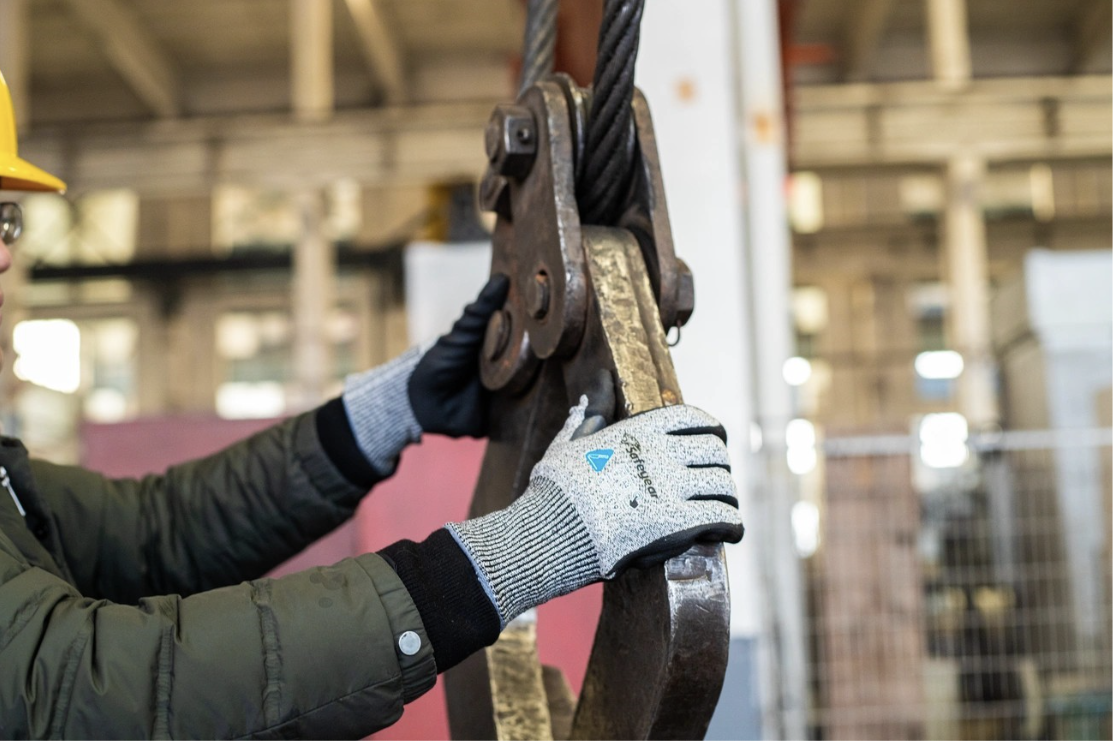
5. Personal Protective Equipment (PPE) has safety glasses, respirators, hearing protection, and protective clothing[1]. Workers must make constant effort to use PPE, which serves as the last line of defense[1][3].
Applying the Hierarchy of Controls in Your Workplace
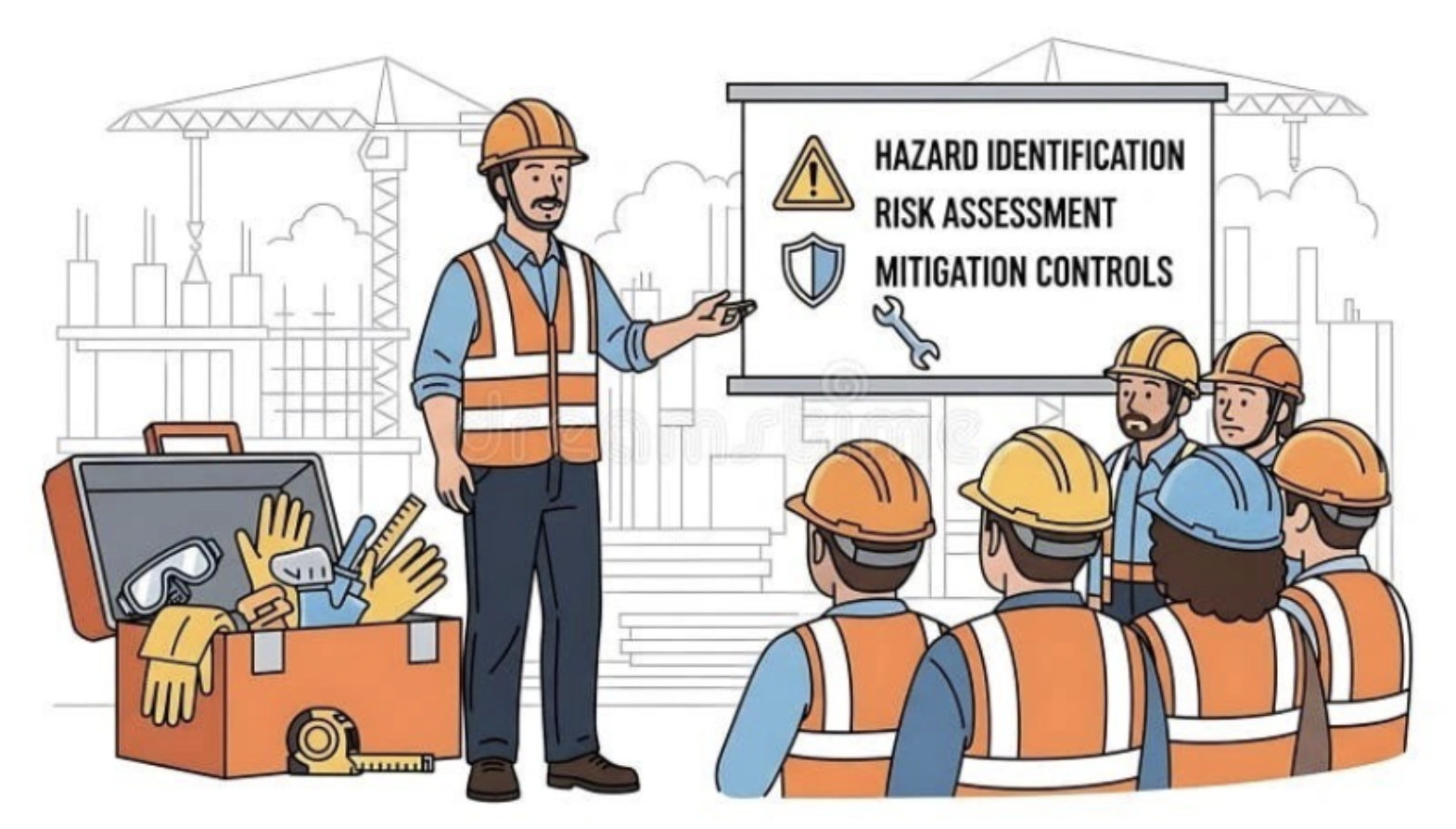
Implementing the hierarchy of controls begins with identifying hazards through worker participation[1]. Your workers possess practical knowledge about daily risks. Their involvement becomes essential when compiling and reviewing assessments. Begin by examining processes, environments, or equipment that create hazards, along with the injuries' extent they could cause[4].
Brainstorm control options at each hierarchy level once you identify hazards[1]. Ask whether controls are feasible in your workplace and where they fall within the hierarchy[1]. Choose the control that sits highest on the hierarchy together[1]. Use lower-level options as interim measures until permanent solutions are in place if implementation takes time[1].
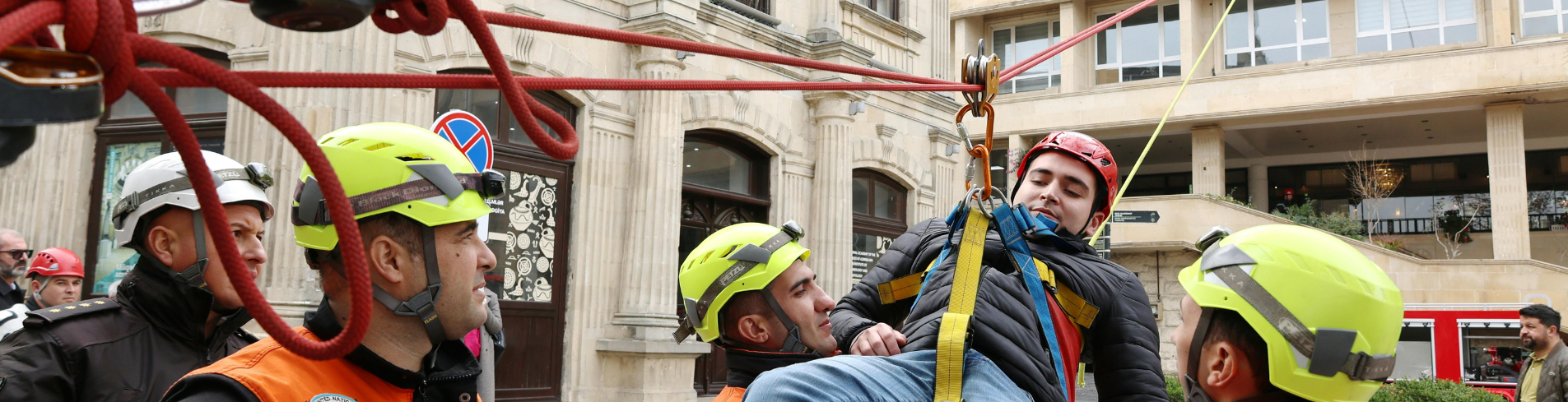
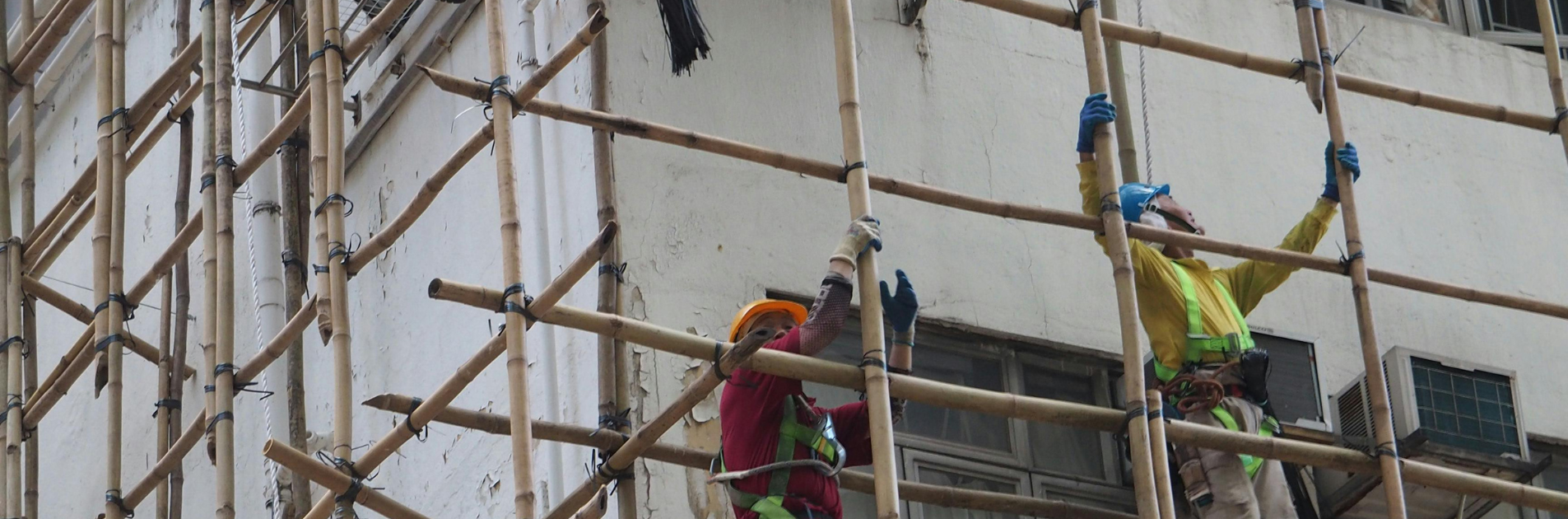
A combination of control methods often provides the best protection[1]. To cite an instance, using a scissor lift instead of a ladder (substitution) combined with training on safe equipment use (administrative controls) and fall protection harnesses (PPE) creates layered defenses[5].
Controls remain effective only through regular reviews[6]. Review when control measures fail, before workplace changes occur, when new hazards emerge, or after incidents[6]. Monitor both the hazard and the control method to verify exposure reduction[5]. Controls must not introduce new hazards. Additional precautions become necessary if wearing PPE contributes to heat stress[5].
Conclusion
The hierarchy of controls provides you with a proven framework to ensure workplace safety. We explored how this systematic approach ranks control measures from elimination (most effective) to PPE (least reliable) and helps you prioritize the best protections first. Successful implementation requires worker participation and regular reviews of multiple control methods. I encourage you to start applying these principles in your workplace today. Note that effective hazard control protects lives and creates safer work environments for everyone.
References
[1] - https://www.osha.gov/sites/default/files/Hierarchy_of_Controls_02.01.23_form_508_2.pdf
[2] - https://www.cdc.gov/niosh/hierarchy-of-controls/about/index.html
[4] - https://safetyculture.com/topics/hierarchy-of-controls
[5] - https://www.ccohs.ca/oshanswers/hsprograms/hazard/hierarchy_controls.html
[6] - https://safework.sa.gov.au/workplaces/managing-risk
[7] - https://www.worksafe.vic.gov.au/hierarchy-control
[8] - https://en.wikipedia.org/wiki/Hierarchy_of_hazard_controls
[9] -https://whsmonitor.com.au/hierarchy-of-controls-in-whs/











































.png)









.png)
.png)
.png)
.png)
.png)
.png)
.png)

.png)
.png)
.png)
.png)
.png)
.png)
.png)
.png)
.png)
.png)
.png)
.png)
.png)
.png)
.png)
.png)


Ready to Save Lives at Work?
With Impress Solutions, you’re not just getting a service, you’re securing peace of mind with a partner you can trust. Book a free consultation today, and let’s map out how we can help you save lives at work.

.png)