
Why Smart Workplace Safety Technology Prevents 83% More Accidents [New Study]
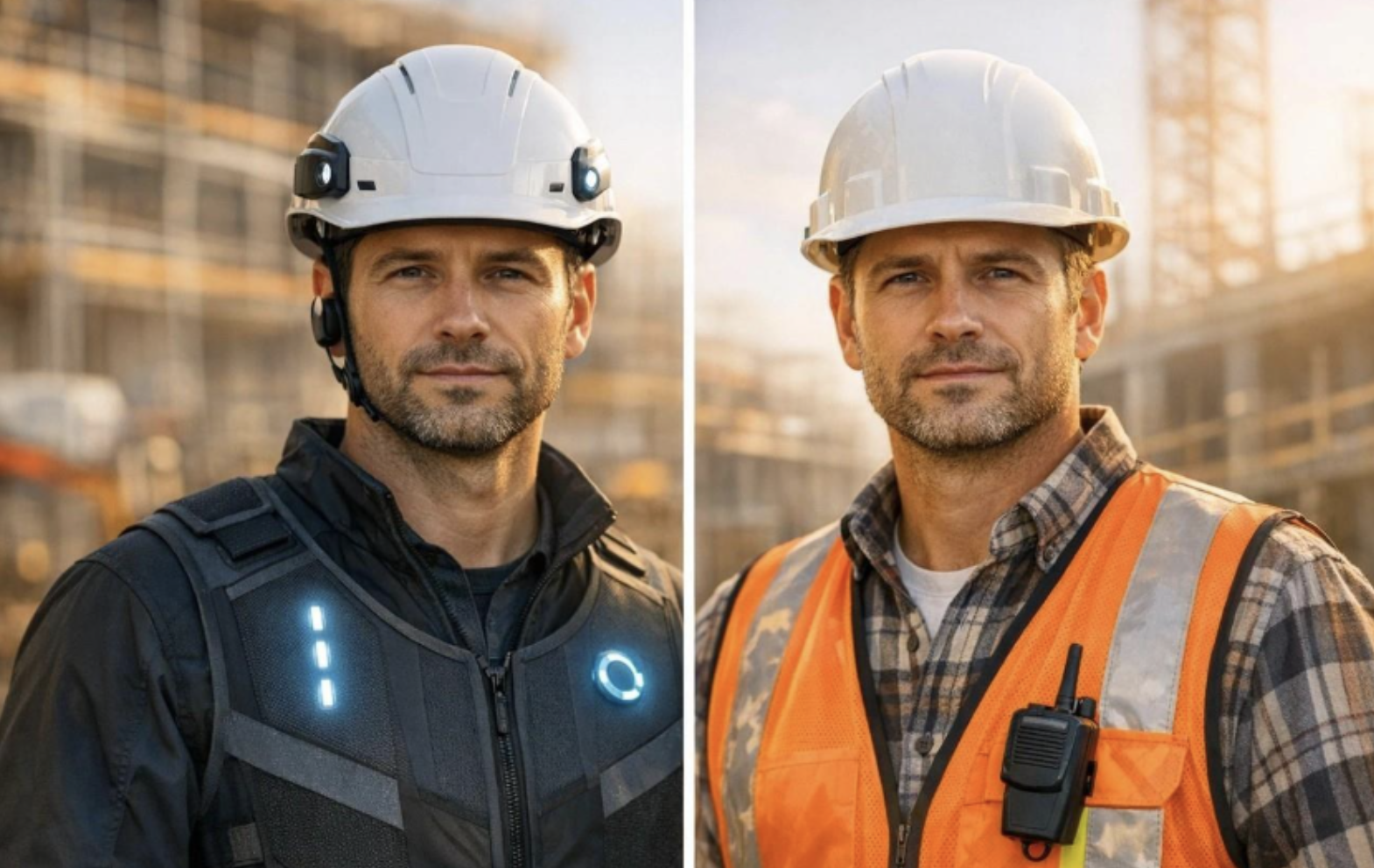
Smart safety technology is changing how companies protect their employees. AI-powered systems now prevent 40-60% of predictable incidents through early warning systems and hazard recognition. Companies have moved away from reactive measures to proactive prevention strategies.
Companies that use AI for workplace safety cut their safety management costs by 35% and reduce preventable incidents. Wearable safety technology has become a game-changer that reduces both worker injuries and their severity. Drones help businesses keep their employees safe by handling remote site inspections and monitoring operations. Technology makes workplaces safer through predictive analytics, artificial intelligence, and fatigue detection systems that spot risks before incidents happen.
This piece looks at how smart safety technologies change workplace safety and why they work better than old methods. We'll get into the technologies behind these improvements and show you how your company can benefit from them.
The shift from reactive to proactive safety
Companies used to wait for accidents before taking action to improve workplace safety. This reactive approach put workers at risk and burdened organizations with heavy financial and operational costs. We now see a radical change as businesses realize these old methods don't work and turn to smart technology for better solutions.
Why traditional safety methods fall short
Old safety models wrongly assumed human error caused most accidents. They focused on finding who made mistakes instead of looking at deeper problems [1]. This created several major issues:
- Blame culture: Workers hesitated to report mistakes or near-misses when they feared being blamed, which reduced chances to learn and improve [1]
- Neglect of systemic issues: Organizations often missed how their systems, processes, and environment contributed to errors [1]
- Short-term fixes: Quick solutions that didn't address root causes led to repeated problems [1]
Safety professionals spent too much time doing paperwork instead of being in the field to build safety culture and spot hazards [1]. Organizations that stuck to outdated safety management faced risks that went way beyond the reach and influence of direct incident costs.
How smart technology changes the game
Smart digital systems have changed workplace safety completely. Organizations can now watch for risks live and tackle safety issues before they happen [2]. These technologies spot and alleviate potential hazards before anyone gets hurt.
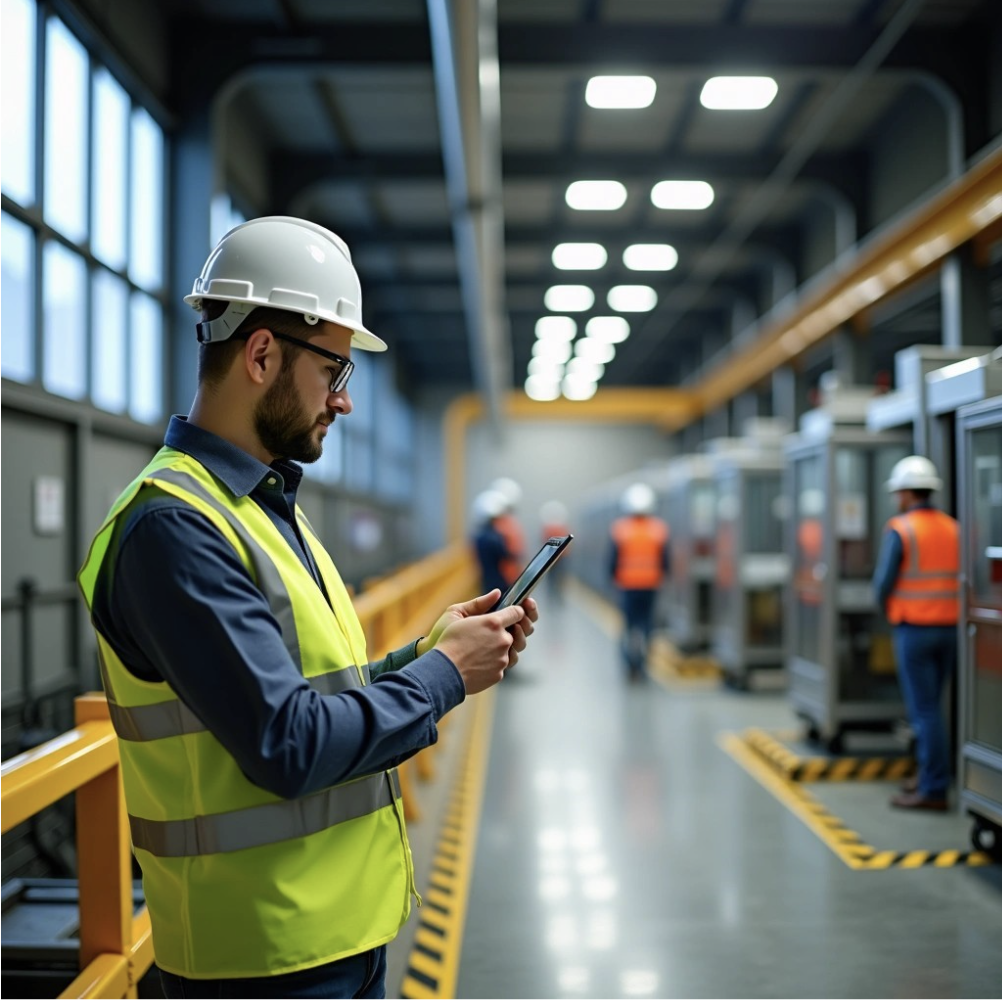
Information and Communication Technologies (ICTs) boost worker safety by constantly checking vital health status and behavior patterns like fatigue and insecurity [3]. To name just one example, miners now wear smart helmets that detect harmful gasses and warn them about dangers right away [2].
AI helps predict safety issues before they cause problems [3]. This marks a radical change from having safety officers do physical inspections. AI systems now provide analytical insights to improve safety policies and measure how well current ones work [4].
What role does technology play in improving safety in the workplace
Technology serves as the life-blood of modern workplace safety strategies. The Internet of Things (IoT) has revolutionized safety with connected solutions - networks of devices that share data [5]. IoT devices watch various parts of the work environment and help prevent accidents [5].
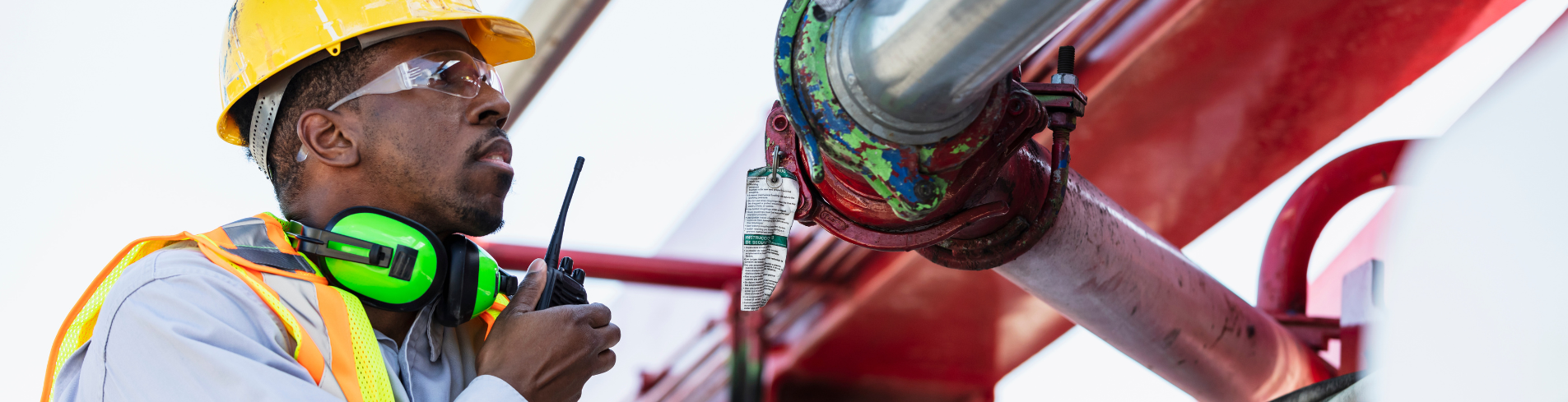
Wearable technology has become a powerful tool. Smart helmets, vests, and glasses give workers live information and safety alerts [2]. Construction workers use sensor-equipped helmets that detect falls and impact [2]. Smart systems analyze past data through machine learning to spot accident factors early [2].
AI and machine learning have transformed workplace safety. These systems analyze huge amounts of data to find patterns and make predictions that improve safety protocols [5]. They use sensors, cameras, and IoT devices to watch workplaces live, spot unsafe behavior or hazards, and send immediate alerts [6].
This change from reactive to proactive safety approaches shows more than just technical progress. It reflects a complete rethinking of safety philosophy. Companies that embrace this change create safer workplaces while cutting costs, streamlining processes, and building stronger safety cultures.
Key technologies driving smarter safety
Smart technologies stand at the vanguard of workplace safety breakthroughs. They offer unprecedented capabilities to identify and alleviate hazards before accidents occur. These technologies combine smoothly with sophisticated algorithms and live data collection to create safety systems nowhere near as basic as traditional approaches.
Predictive analytics and machine learning
Predictive analytics uses historical patterns and current data to forecast potential safety incidents with remarkable accuracy. Research shows machine learning models can predict workplace accidents with accuracy rates between 80-97% [7]. These models analyze workforce demographics, environmental conditions, and behavioral patterns to identify risk factors before incidents occur.
A groundbreaking study by Carnegie Mellon University reached correlation rates as high as 0.75 between predicted and actual incidents [7]. This allows safety teams to deploy resources exactly where needed. Companies that use predictive analytics have reported two to three times fewer incidents [7].
Machine learning approaches outperform traditional post-investigation methods by a lot. They automatically detect emerging risk trends that would stay hidden in complex datasets [8]. The most effective models, including Extreme Gradient Boosting (XGB), have achieved 89% accuracy in predicting incident severity [8].
Computer vision for live hazard detection
Computer vision technology works as an observer that ever spread its vigilance. It monitors workspaces non-stop to detect unsafe conditions. Unlike conventional CCTV systems that need human monitoring, these AI-powered systems actively analyze footage to identify risks instantly [9].
The Multiscale Vision Transformer (MViT) has achieved 74.1% accuracy in identifying pre-incident hazards while maintaining quick processing speed [10]. This technology can detect various workplace hazards, including:
- Absence of proper personal protective equipment
- Unsafe behaviors or improper techniques
- Unauthorized entry into restricted zones
- Spills, obstructions, and environmental hazards
These systems monitor compliance with safety protocols and provide immediate alerts for potential dangers [11]. Computer vision enables quick intervention through live visual data analysis to prevent accidents that traditional inspection methods might miss.
Wearable technology for workplace safety
Wearable devices have become powerful tools to monitor worker safety. These technologies track movements, postures, and environmental conditions. They provide immediate feedback during unsafe situations.
Studies reveal that almost three in four workers reported better awareness of MSD-related risks with wearables during daily work activities [12]. These technologies detect high-risk ergonomic movements and can reduce physical strain through haptic alerts that prompt workers to adjust their techniques [13].
One organization used wearable data from 50 workers to identify their highest-load movements. They designed an adjustable-height trolley that reduced physical strain measurably [12]. This shows how wearables not only detect hazards but lead to meaningful workplace improvements.
Natural language processing for safety insights
Natural language processing (NLP) turns unstructured safety documentation into applicable information. This technology scans written logs and reports to uncover hidden patterns such as repeated mentions of specific hazards or safety concerns [14].
Research shows NLP outperforms traditional adverse event detection methods by a lot, with sensitivity of 0.28 compared to just 0.09 for conventional reporting [15]. One study showed NLP processed 57,452 discharge summaries automatically and identified additional safety events that manual methods had missed [15].
NLP can detect subtle linguistic cues that show stress or fatigue among workers through automated analysis of emails, internal chats, and safety reports [16]. Organizations can address potential safety issues from human factors before they cause incidents.
How smart systems prevent 83% more accidents
Modern workplace safety technology shows remarkable results in preventing accidents. A groundbreaking study revealed an impressive 83% reduction in injuries when groups used AI-enabled exoskeletons [17]. Smart system capabilities work together to create safer work environments, and this has led to substantial improvements.
Real-time risk scoring and alerts
Smart safety systems assess changing conditions, activities, and risk factors to generate dynamic risk scores. These scores allow quick intervention when danger levels rise [1]. The real-time safety risk assessment (RTSRA) method processes location data through hidden Markov models to analyze probability distributions of different safety states [18]. This approach targets worker real-time risks instead of general on-site activities, which marks a transformation toward human-centered safety. The system calculates different safety states and quantifies risk through specialized algorithms based on relative positions between workers and hazards [18].
Automated hazard recognition
AI-powered hazard recognition systems offer continuous monitoring that surpasses human observation [1]. These systems process over 22 billion frames daily to detect potential safety incidents before they worsen [19]. Advanced computer vision algorithms analyze video feeds from workplace cameras to spot safety hazards, unsafe conditions, and compliance violations automatically [1]. Yes, it is possible for these systems to detect workplace hazards ranging from spillage and slippery surfaces to unattended objects on pathways [20].
Personalized safety recommendations
Machine learning algorithms provide tailored safety guidance based on worker roles, experience levels, behavior patterns, and specific risk exposures [1]. This personalized approach makes workplace safety more obvious, relevant, and emotional if you have concerns about hazards and their prevention [21]. Smart wearable technology plays a vital role here. Safety boots and helmets come equipped with sensors and AI algorithms that monitor surroundings, detect unsafe conditions, and give real-time alerts to prevent accidents [22].
Dynamic safety protocol adjustments
AI systems recommend or implement adjusted safety protocols based on changing conditions [1]. This feature will give a perfect match between safety measures and current risk levels in operational contexts. Risk ratings adjust immediately based on control effectiveness, hazard trends, and organizational changes [3]. These systems can trigger responses like shutting down specific equipment or starting evacuation procedures during emergencies [20]. The safety management systems may also send safety supervisors or issue targeted warning messages to affected workers if risk reaches certain thresholds [18].
Implementation and integration challenges
Safety technology offers remarkable benefits, but organizations face substantial hurdles during implementation. Studies show that people resist change because they don't trust their organization [2]. These challenges in implementing smart safety systems need careful planning to realize their full potential.
Data quality and system compatibility
Safety technology success depends on data quality, but many information systems still face quality issues [23]. Bad data disrupts operations, causes money losses, and leads to medical mistakes [23]. Many organizations don't deal very well with scattered, incomplete data spread across different systems [24]. Smart systems create extra confusion with their different protocols, making it hard to pick the right products [5]. This becomes a bigger issue as new smart devices appear every day [5].
Training safety teams and workers
Gaps in digital skills fuel resistance, and this happens more with experienced staff who feel less confident than their younger coworkers [4]. Workers who lack knowledge often make mistakes while using these systems [23]. Companies should focus on ongoing training instead of one-off sessions [2]. The training must adapt to what workers need and roll out in stages to make the switch easier [2].
Overcoming resistance to automation
Workers worry most about losing their jobs to new safety technologies [4]. Staff who are used to manual safety checks see digital tools as threats to their expertise and job security [4]. Clear communication from the start helps overcome this resistance [2]. Organizations should:
- Let their workforce participate before buying equipment
- Show these tools as ways to learn about safety together, not as monitoring devices
- Get workers involved through pilot programs and testing
- Make sure leaders visibly back these changes [2]
Ensuring ethical and transparent AI use
AI systems need high-quality data, which brings up serious privacy issues [25]. Too much reliance on AI decisions can limit workers' freedom and independence, and this might reduce creativity and state-of-the-art ideas [25]. Many job seekers and employees don't know about AI systems, or can't say no to them even if they do [25]. AI in health and safety might also hurt workers' mental health, making them anxious about machines taking their jobs [26].
Business value and ROI of smart safety tech
Smart safety technology does more than prevent accidents - it provides excellent financial returns that make the investment worthwhile. Companies using AI-powered safety solutions see 40-60% fewer predictable incidents, which significantly reduces accident-related costs [1].
Incident reduction and cost savings
Smart safety technologies help organizations cut incident-related expenses by 34.7% on average [6]. The financial benefits are significant - yearly savings range from AUD 64,676 for small operations to AUD 590,496 for large enterprises [6]. Insurance companies recognize these improvements and offer premium reductions of 12.4% per year after successful implementation [6]. Most mid-to-large projects break even within 18-24 months, while smaller implementations typically need 32-38 months [6].
Improved compliance and audit readiness
Smart systems turn compliance management into a competitive advantage. Organizations cut compliance-related costs by 70% through automated monitoring and risk prevention [1]. These systems reduce compliance-related labor costs by 28.3% and cut non-compliance penalties by 73.6% [6]. Audit preparations that once took days now finish in minutes because centralized platforms eliminate the need to search for documentation [27].
Boosting safety culture and employee trust
Smart safety solutions build a stronger workplace culture through consistent, unbiased feedback [1]. Companies with high safety standards attract better talent and win valuable contracts [28]. The user-friendly nature of safety technologies leads to higher employee engagement in training programs and safety initiatives [29].
Conclusion
Smart safety technologies have reshaped workplace safety management. A radical alteration from reactive approaches to proactive prevention strategies has shown remarkable results. AI-enabled systems prevent up to 83% more accidents and cut safety management costs by 35%.
These technologies function as an integrated ecosystem. Predictive analytics spots patterns before incidents happen. Computer vision systems maintain constant watchfulness against hazards. Wearable devices track worker conditions immediately. Natural language processing discovers valuable information from safety documents that would otherwise stay buried.
Companies face real implementation hurdles. They don't deal very well with data quality problems, system compatibility issues, training needs, and employee pushback. The business case remains strong despite these challenges. Companies using these solutions save substantial amounts - from AUD 64,676 for small operations to AUD 590,496 for large enterprises.
Safety technology offers more than just accident prevention. Automated compliance management cuts related costs by 70%. Organizations also build stronger safety cultures through consistent, objective feedback systems that create trust.
Tomorrow's workplace safety doesn't force a choice between human judgment and technological solutions. It creates environments where both blend smoothly. Smart safety technology strengthens safety professionals to build robust safety cultures instead of getting buried in paperwork. Safety technology's greatest asset lies in its power to boost rather than replace human capabilities, which creates workplaces that protect workers through both breakthroughs and compassion.
























.png)





.png)
.png)
.png)
.png)
.png)
.png)
.png)

.png)
.png)
.png)
.png)
.png)
.png)
.png)
.png)
.png)
.png)
.png)
.png)
.png)
.png)
.png)
.png)
.png)
.png)


Ready to Save Lives at Work?
With Impress Solutions, you’re not just getting a service, you’re securing peace of mind with a partner you can trust. Book a free consultation today, and let’s map out how we can help you save lives at work.

.png)