How to Master Manual Handling Techniques and Prevent Workplace Injuries
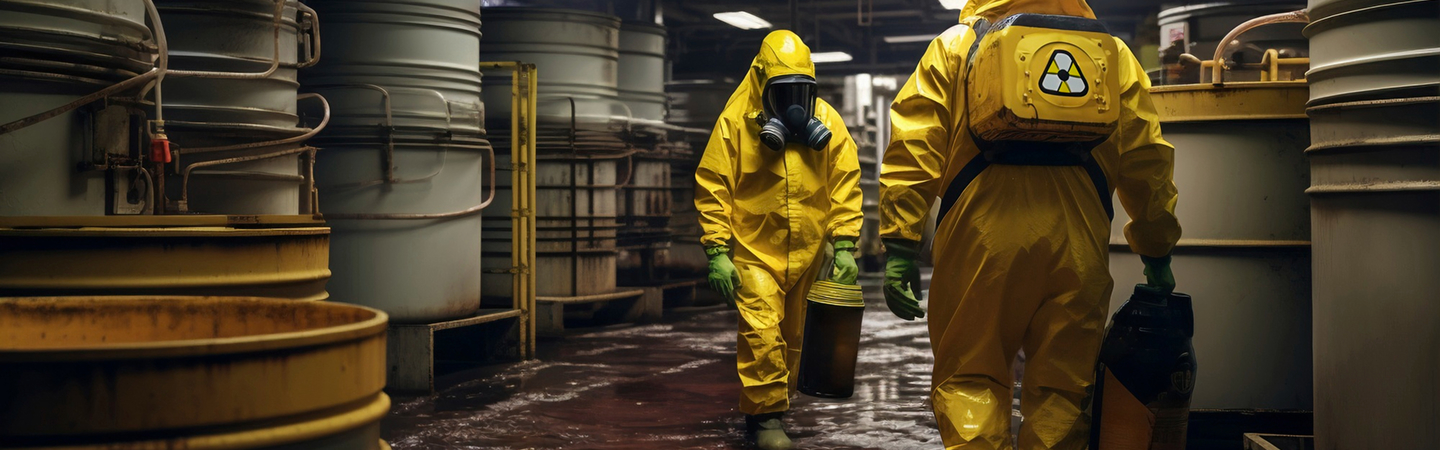
Mastering proper manual handling techniques is critical. Hazardous manual handling is the biggest cause of injury at Victorian workplaces[11] and accounts for about 20% of farm-related accidents[12].
Manual handling injuries can be debilitating and long-term. They affect your quality of life in profound ways. You need to understand manual handling hazards and implement safe manual handling techniques to prevent workplace manual handling injuries, whether you're lifting, pushing, pulling, or carrying. This piece walks you through the manual handling lifting techniques and controls that will help you reduce the risk of manual handling injury in your workplace.
Understanding Manual Handling Hazards and Risks
Manual handling becomes hazardous when tasks require repetitive movement, sustained or awkward postures, high or sudden force, or exposure to vibration. These risk factors interact with the physical work environment and the tools and equipment used to create injury potential. Manual handling accounts for 17% of all non-fatal workplace injuries[1]. This makes it the second most common cause behind slips and falls.
The effect is substantial. About 511,000 workers suffer from work-related musculoskeletal disorders[1], and 43% of these cases affect the back[1]. These injuries result in 7.1 million lost working days each year[1]. Each affected worker loses an average of 14 working days. Poor manual handling practices cause roughly one-third of all workplace accidents[2].
Hazardous manual tasks create risk through several mechanisms. Repetitive movement means performing an action more than twice per minute. The body remains in the same position for over 30 seconds during sustained posture. Awkward postures include bending, twisting, reaching, or working with joints at extreme angles. High force means lifting loads beyond comfortable capacity. Sudden force includes jarring or unexpected movements.
MSDs appear as sprains, strains, back injuries, joint damage, nerve compression, hernias, and chronic pain. Tasks with hand-arm vibration from powered tools or whole-body vibration from mobile equipment substantially increase MSD risk as exposure duration and vibration amplitude rise.
Essential Manual Handling Lifting Techniques
You must assess the load's weight, stability, size and grip points before you attempt any lift. Think about your destination, route and whether you need help or mechanical aids. This assessment follows the TILE principle: Task, Individual, Load and Environment.
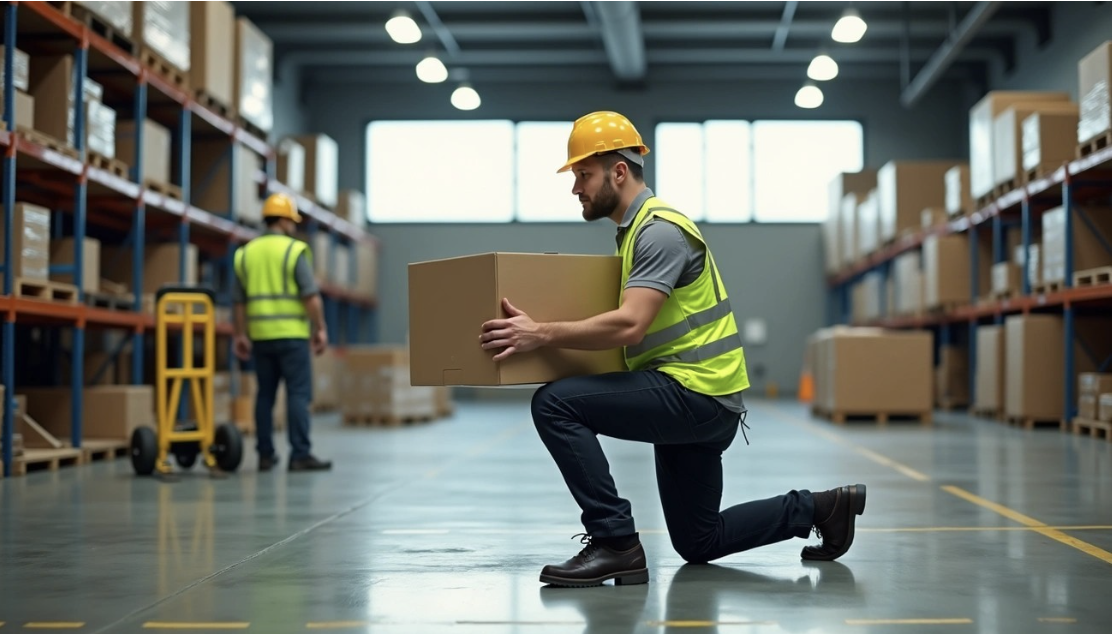
Your feet should be shoulder-width apart with one foot forward for stability. Bend at your hips and knees rather than your back. The load stays close to your waist throughout the lift[3]. The power zone for lifting exists between mid-thigh and mid-chest, where your arms and back exert the least effort[4].
You need a secure grip on the load while you maintain a straight back with its natural S-curve. Draw up your pelvic floor and pull your navel toward your spine to activate your core muscles[5]. Your head stays up and you look ahead instead of down at the load[3]. Push through your heels to stand and use leg muscles instead of back muscles.
Your torso should not twist while you carry loads. Reposition your entire body by moving your feet and keep shoulders and hips arranged[3]. Choose pushing over pulling when visibility allows[6]. Handle heights should sit between shoulder and waist for optimal control[6].
Team lifting requires clear communication before and during the lift[7]. Verbal cues like "Ready to lift" help synchronize movements and prevent sudden, unexpected shifts that cause injury.
Preventing Manual Handling Injuries Through Workplace Controls
Workplace controls follow a hierarchy that ranks measures from most to least effective. Elimination sits at the top and requires you to remove hazardous manual tasks through automation or process redesign. Substitution reduces risk by replacing heavy items with lighter alternatives or using powered tools instead of manual ones if elimination isn't reasonably practicable.
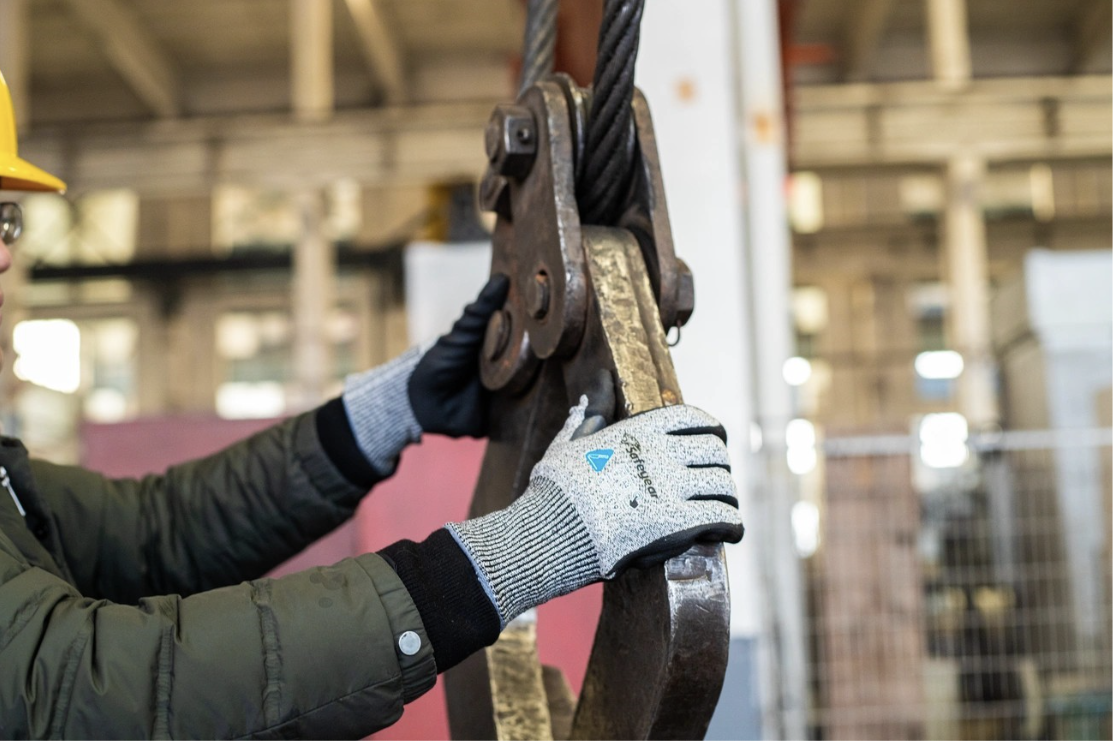
Mechanical aids like hoists, trolleys, conveyors, and height-adjustable workstations are engineering controls. Assess load capacity, lift height, application requirements, environmental conditions, and mobility needs at the time you select lifting equipment[8]. The equipment must comply with relevant regulations and have load limiting devices, emergency stops, and overload protection systems.
Administrative controls rank lower because they address exposure rather than hazards themselves. Job rotation alone does not reduce manual handling risks[9]. Rotation works only if tasks use different muscle groups and allow recovery time. Work performed less than twice per minute or under 30 seconds is acceptable, provided rotation has varied forces and postures[9].
You must consult with workers at the time you identify hazards and design controls[10]. Your employees possess valuable information about task demands and practical solutions. Controls remain effective over time through regular monitoring, adjustment, and review[10].
Conclusion
You now have the knowledge you need to protect yourself and your team from manual handling injuries. Assess every lift using the TILE principle, maintain proper lifting techniques with loads in your power zone and keep your back straight throughout each movement.
Just as important is implementing workplace controls. Elimination comes first and then work down the hierarchy. Monitor your safety measures and consult with your workers on a regular basis. Consistent practice will help you create a safer workplace and prevent those musculoskeletal injuries that cost millions of working days each year.
References
[1] - https://www.manualhandlingtraining.org.uk/blog/manual-handling-injury-statistics-uk
[3] - https://www.hse.gov.uk/msd/manual-handling/good-handling-technique.htm
[4] - https://ehs.unc.edu/topics/ergonomics/lifting-and-material-handling/
[6] - https://www.safemt.com/resources/pushing-pulling-good-handling-techniques/
[11] - https://www.worksafe.vic.gov.au/how-lift-training-does-not-reduce-risk





































.png)





.png)
.png)
.png)
.png)
.png)
.png)
.png)

.png)
.png)
.png)
.png)
.png)
.png)
.png)
.png)
.png)
.png)
.png)
.png)
.png)
.png)
.png)


Ready to Save Lives at Work?
With Impress Solutions, you’re not just getting a service, you’re securing peace of mind with a partner you can trust. Book a free consultation today, and let’s map out how we can help you save lives at work.

.png)