Hierarchy of Controls: Your Essential Guide to Workplace Risk Management
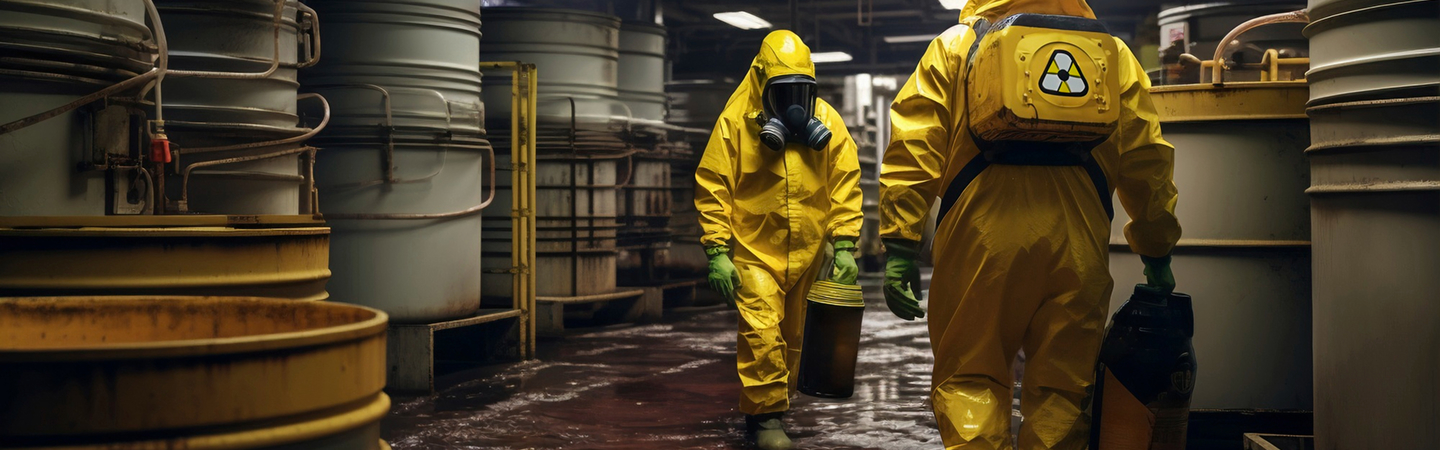
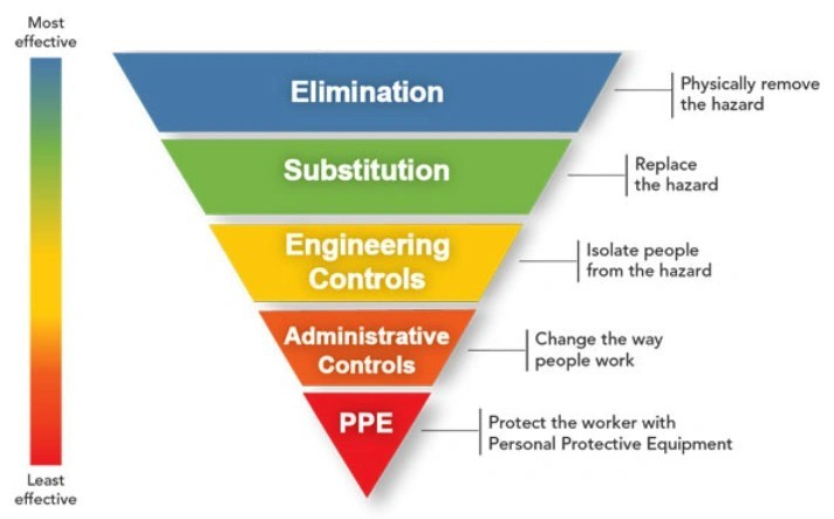
The hierarchy of controls is a method of identifying and ranking safeguards to protect workers from hazards[8]. This systematic approach to workplace safety revolutionizes how organizations manage risk. It provides a clear framework for selecting the most effective control measures. The controls are arranged from the most to least effective and include elimination, substitution, engineering controls, administrative controls, and personal protective equipment[8].
This hierarchy of hazard control is crucial for reducing worker exposures and lowering the risk of illness or injury[2]. Most important, this hierarchy of risk control ranks methods from the most effective to the least effective. The end goal is to eliminate hazards and risks completely[9]. In this piece, we'll explore what the hierarchy of control is, get into each level in detail, and show you how to implement these control measures in your workplace.
What is the Hierarchy of Controls?
A step-by-step approach to workplace safety, the hierarchy of controls helps duty holders select control measures to manage risk[1]. This risk management tool determines which actions will best control hazardous workplace exposures[2]. The framework operates on a simple principle: controls are ranked from the highest level of protection and reliability to the lowest[1].
Working through the hierarchy means assessing feasibility starting from the top. You assess whether elimination is possible before thinking over substitution, then move down through engineering controls and administrative controls to personal protective equipment[3]. The higher you go up the hierarchy, the more reliable the control[4].
Businesses must use the hierarchy when controlling risks under Work Health and Safety laws in Australia[4]. Model Work Health and Safety Regulations require consideration of higher-order controls before moving to PPE[4]. Skipping straight to PPE without thinking over elimination or substitution breaches your legal duty of care[4].
Administrative controls and PPE sit at the bottom because they're the least able to work[1]. They don't control the hazard at the source and rely on human behavior and supervision[1][5]. Elimination removes the hazard, meaning no exposure can occur[2]. The hierarchy can be applied to any risk, including remote work, hazardous chemicals, manual tasks, falls, noise exposure and confined spaces[1].
Understanding Each Level of the Hierarchy of Control
The hierarchy of control measures shows how each level tackles workplace hazards differently. Elimination removes the hazard from your workplace. You might repair damaged equipment, outsource processes with hazardous chemicals, or redesign work tasks to occur at ground level instead of at heights. Research shows that eliminating hazards reduces injury rates by up to 40% compared to relying on PPE[6].
Substitution replaces hazardous materials or methods with safer alternatives. You could switch from solvent-based paints to water-based options, use larger granule products instead of fine powders to reduce dust, or replace diesel motors with electric ones to eliminate exhaust emissions. One chemical manufacturer eliminated 95% of VOC emissions by substituting a safer alternative and removed the need for respiratory protection that can get pricey[6].
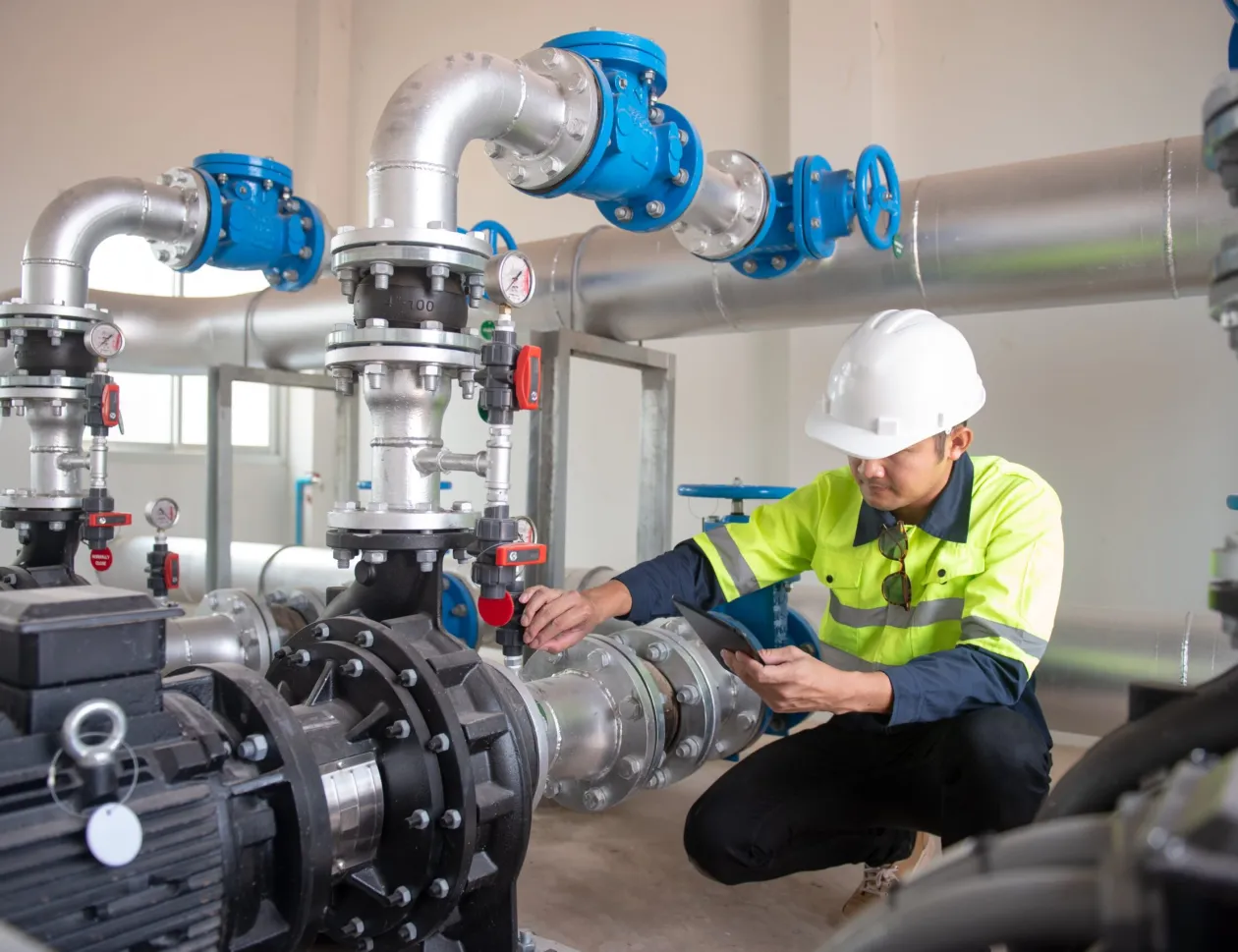
Engineering controls modify equipment or workspaces to isolate workers from hazards. Process controls involve using wet methods for drilling to minimize dust or automating tasks to reduce human error. Isolation separates workers through barriers like guardrails, while containment uses fume hoods or sealed containers. Ventilation systems remove airborne contaminants at the source. These controls reduce occupational asthma risk by 79% and dermatitis by 52%[7]. Employers save an average of AUD 41,282.74 per injury case[7].
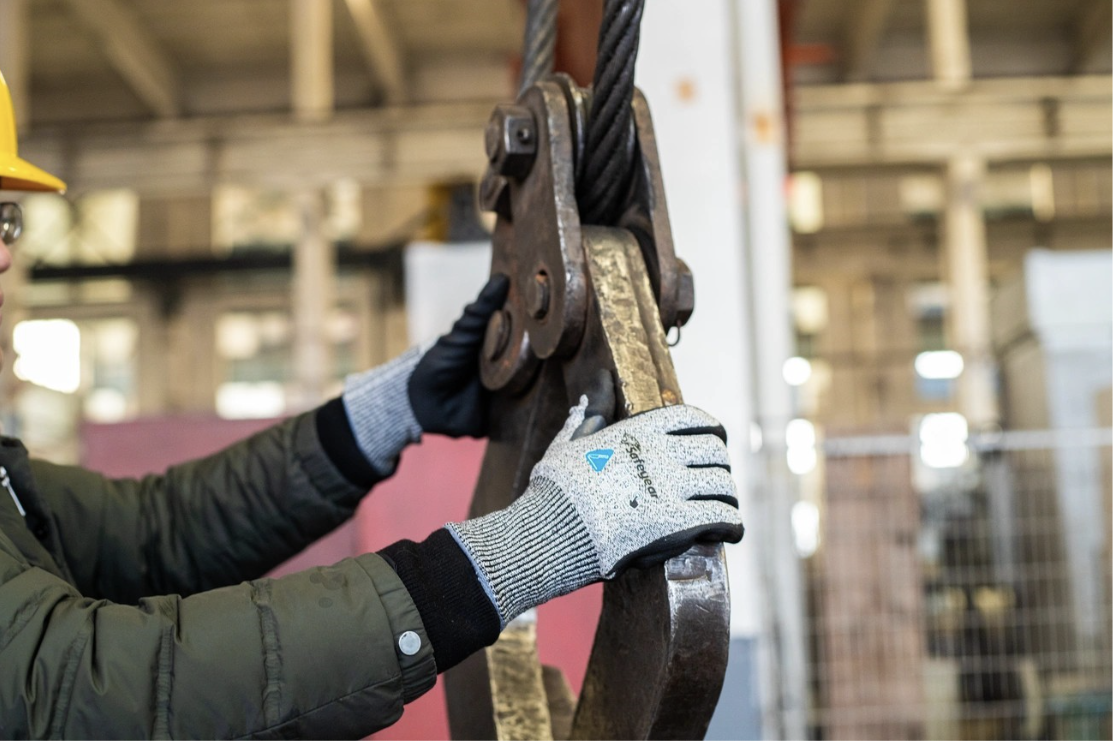
Administrative controls change how work is performed through training and job rotation while limiting access to hazardous areas and ensuring adequate rest breaks. PPE is your final protection layer and includes respirators, gloves, eye protection and hard hats, but only works when worn correctly and consistently.
Implementing Hierarchy of Controls in Your Workplace
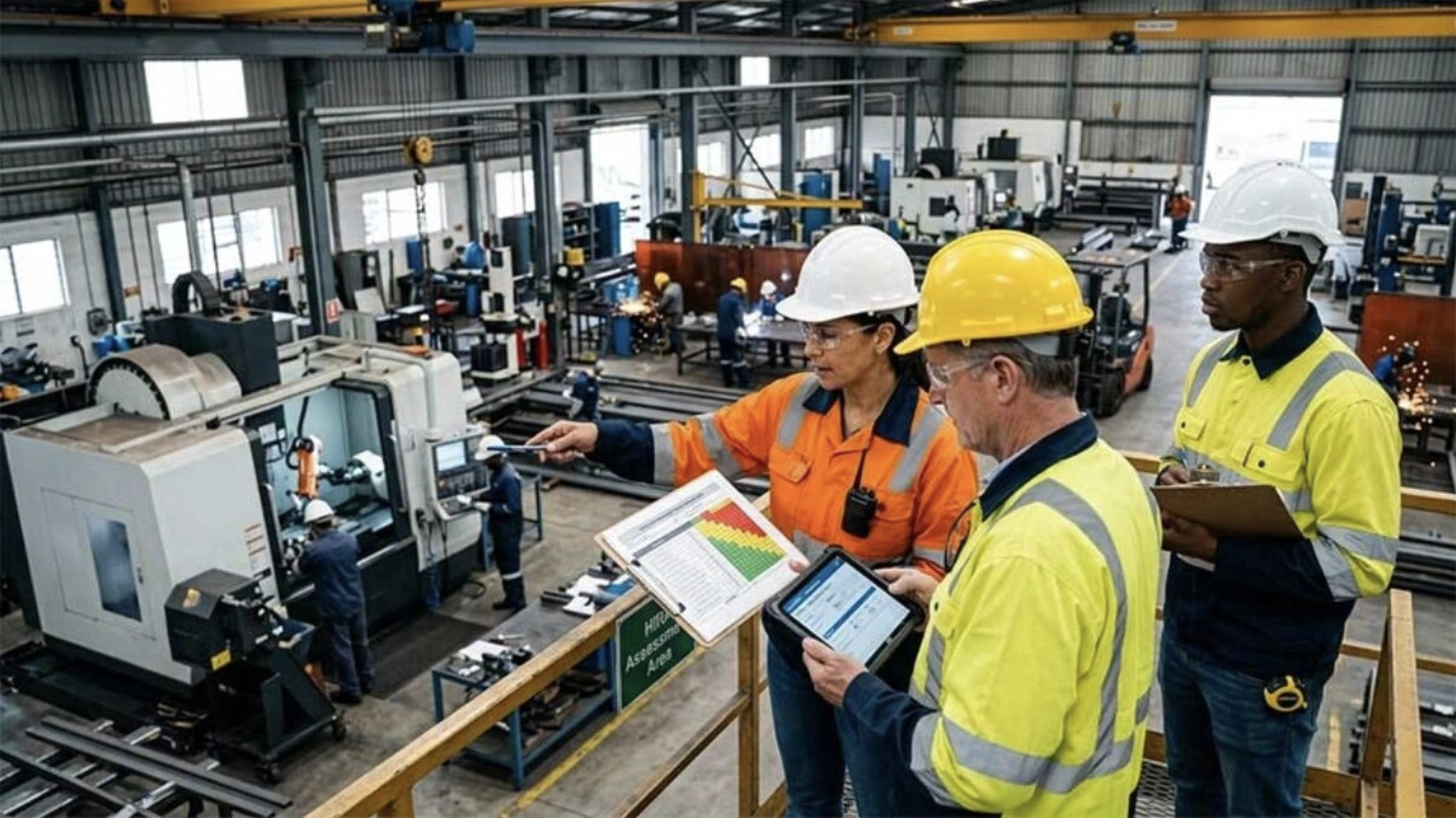
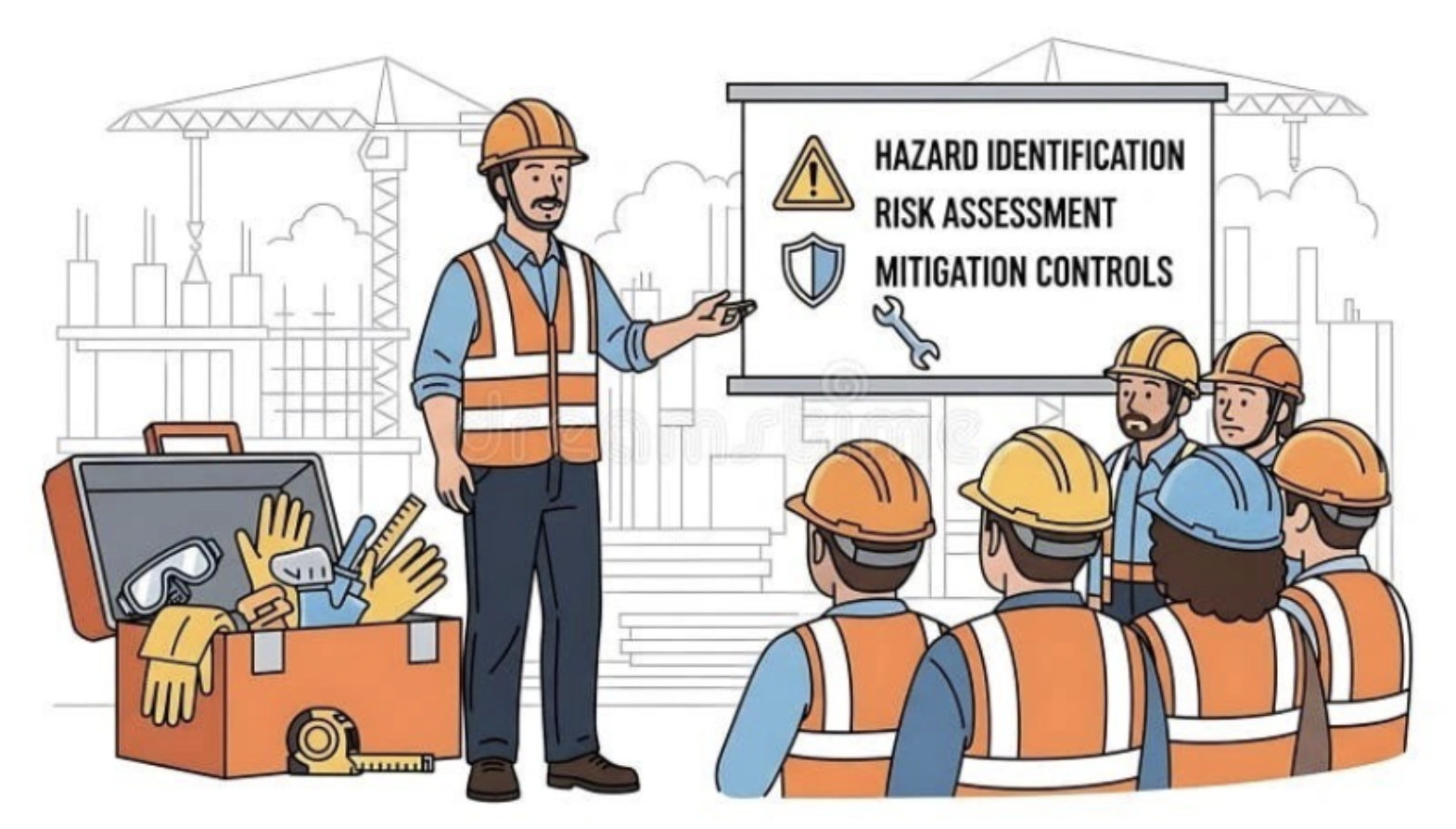
You can put the hierarchy of risk control into practice. Start by identifying hazards through workplace inspections, equipment checks, incident reviews and worker consultations. Proactive audits can identify potential hazards before accidents occur. This gives you the chance to implement controls at the appropriate level. WHS legislation requires you to consult with workers and Health and Safety Representatives when you make decisions about safety controls.
Work through the hierarchy after you've identified a hazard:
- Assess the hazard. Evaluate its likelihood and severity
- Select control measures. Start at elimination and work downward
- Implement controls. Provide proper training and support for new processes
- Monitor effectiveness. Use regular inspections and worker feedback
- Review and adapt. Do this when processes change, incidents occur or new hazards emerge
Combine controls for layered protection when you implement them. Install ventilation systems and limit exposure times, for example. Provide respirators as backup. This multi-layered approach creates redundancy if one control fails.
Don't jump straight to PPE as your first solution. Companies often reach for personal protective equipment after an accident. But this is the least effective control. Training does not eliminate the hazard or reduce worker exposure. Look into elimination, substitution and engineering controls first. Monitor your selected control and revise it as needed, especially when you introduce new equipment, materials or legislative changes that could affect effectiveness.
Conclusion
By and large, the hierarchy of controls provides a proven framework to protect workers from workplace hazards. We explored how each level operates, from elimination at the top to PPE at the bottom. Effectiveness decreases as you move down the hierarchy. Above all, note that the most reliable protection comes from removing hazards entirely or substituting safer alternatives. We encourage you to apply this systematic approach in your workplace. Start at the top of the hierarchy and work downward to create a safer environment for everyone.
References
[2] - https://www.cdc.gov/niosh/hierarchy-of-controls/about/index.html
[3] - https://www.ccohs.ca/oshanswers/hsprograms/hazard/hierarchy_controls.html
[4] - https://nationaltraining.edu.au/hierarchy-of-control-measures-examples/
[5] - https://www.worksafe.vic.gov.au/hierarchy-control
[8] - https://www.osha.gov/sites/default/files/Hierarchy_of_Controls_02.01.23_form_508_2.pdf
[9] -https://www.enviroessentials.com.au/blog/2023/07/workplace-risks-and-hierarchy-of-controls/









































.png)






.png)
.png)
.png)
.png)
.png)
.png)
.png)

.png)
.png)
.png)
.png)
.png)
.png)
.png)
.png)
.png)
.png)
.png)
.png)
.png)
.png)
.png)
.png)
.png)


Ready to Save Lives at Work?
With Impress Solutions, you’re not just getting a service, you’re securing peace of mind with a partner you can trust. Book a free consultation today, and let’s map out how we can help you save lives at work.

.png)