How to Start Preventing Workplace Injuries: A Step-by-Step Guide for Safety Managers

Preventing workplace injuries remains one of your biggest challenges as a safety manager, and the stakes couldn't be higher.
Every incident affects productivity, morale, and your bottom line. Most workplace injuries are preventable with the right systems in place.
You might focus on preventing manual handling injuries in the workplace or preventing hand injuries in the workplace. Having a structured approach makes all the difference. Understanding which measures are most effective in preventing workplace injuries helps you allocate resources wisely and protect your team.
In this piece, we'll walk you through a practical, step-by-step framework to build a strong injury prevention program that works.
Understanding Workplace Injury Prevention Basics
What Workplace Injury Prevention Means
Workplace injury prevention is a risk management approach that stops injuries before they occur. It moves focus from reacting to incidents after they happen to proactively identifying and controlling hazards in your work environment. The main goal is to prevent workplace injuries and illnesses, along with the suffering and financial hardship these events cause for workers, their families, and employers[1].
This approach is different from traditional reactive methods where problems get addressed only after someone gets hurt. Finding and fixing hazards before they cause injury or illness proves much more effective[1].
Why Prevention Matters for Your Organization
The numbers tell the story. The United States recorded 5,070 fatal work injuries in 2024, with employers reporting 2.5 million injury and illness cases in private industry[27]. The incidence rate stood at 2.3 cases per 100 full-time equivalent workers[27].
Prevention matters for three core reasons. Injuries substantially affect a person's life and livelihood, creating an ethical obligation. Businesses face legal requirements to provide safe work environments. Injuries affect productivity and costs, including higher workers compensation premiums[28].
Implementing prevention programs brings benefits. Employers see reduced costs through substantial reductions in workers' compensation premiums, improved compliance with laws and regulations, increased productivity, and improved overall business operations[1].
The Hierarchy of Hazard Controls
The hierarchy of controls provides a systematic way to determine which actions best control exposures. The preferred order of action based on effectiveness has five levels: elimination, substitution, engineering controls, administrative controls, and personal protective equipment[10].
Elimination removes the hazard at the source and is the preferred solution since no exposure can occur. Substitution uses safer alternatives. Engineering controls reduce or prevent hazards from contacting workers through modifications like ventilation or protective barriers. Administrative controls establish work practices that reduce exposure duration, frequency, or intensity. PPE, the lowest level of protection, has equipment worn to minimize hazard exposure[10].
Common Types of Workplace Injuries
Falls, trips, and slips rank among the most common workplace injuries, especially in construction, healthcare, retail, transportation, and warehousing industries[29]. Objects striking workers represent the third most common workplace injury[29]. Manual handling injuries, hand injuries, motor vehicle accidents, and hernias also occur frequently across workplaces[29].
Step 1: Conduct a Comprehensive Risk Assessment
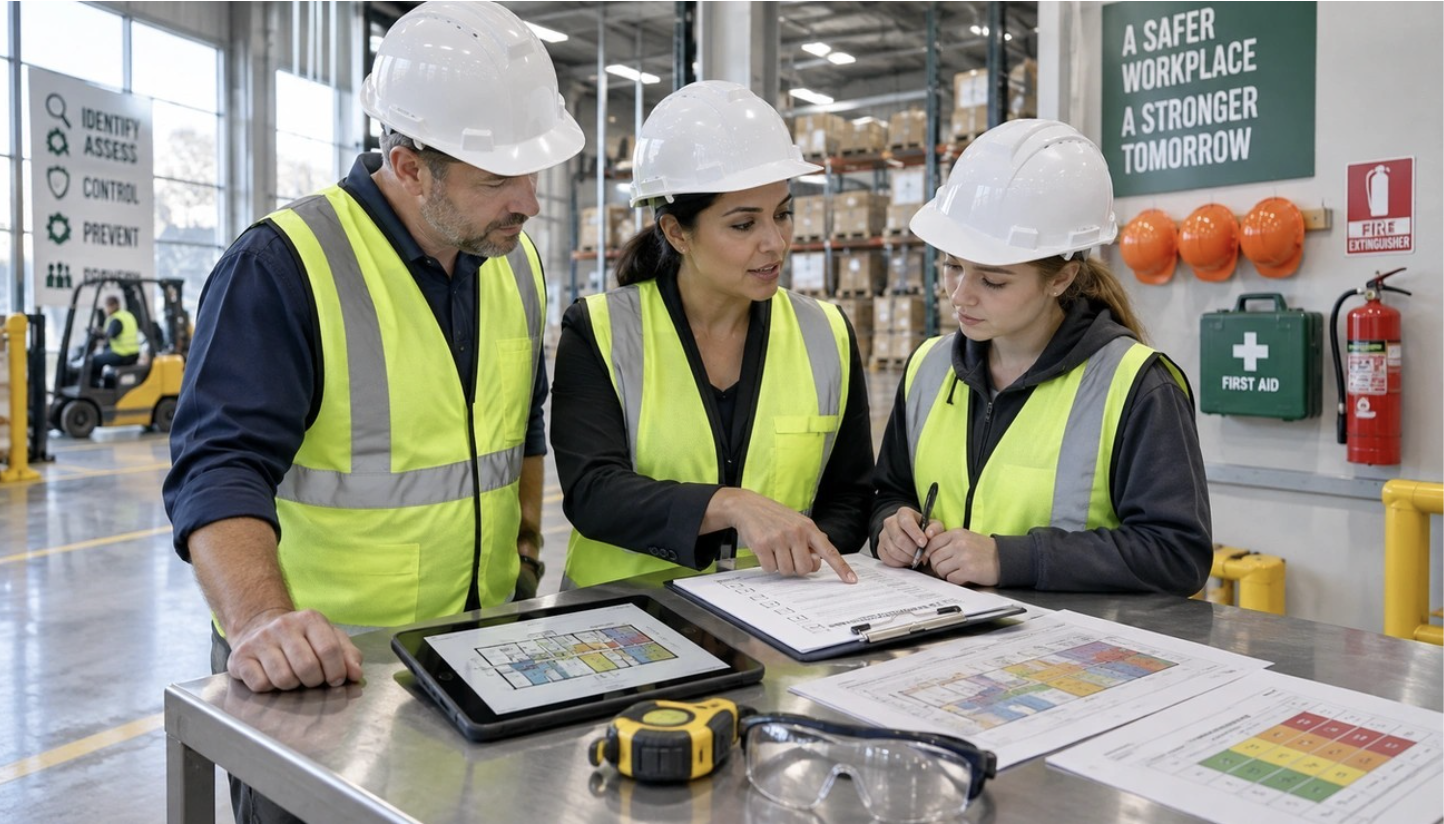
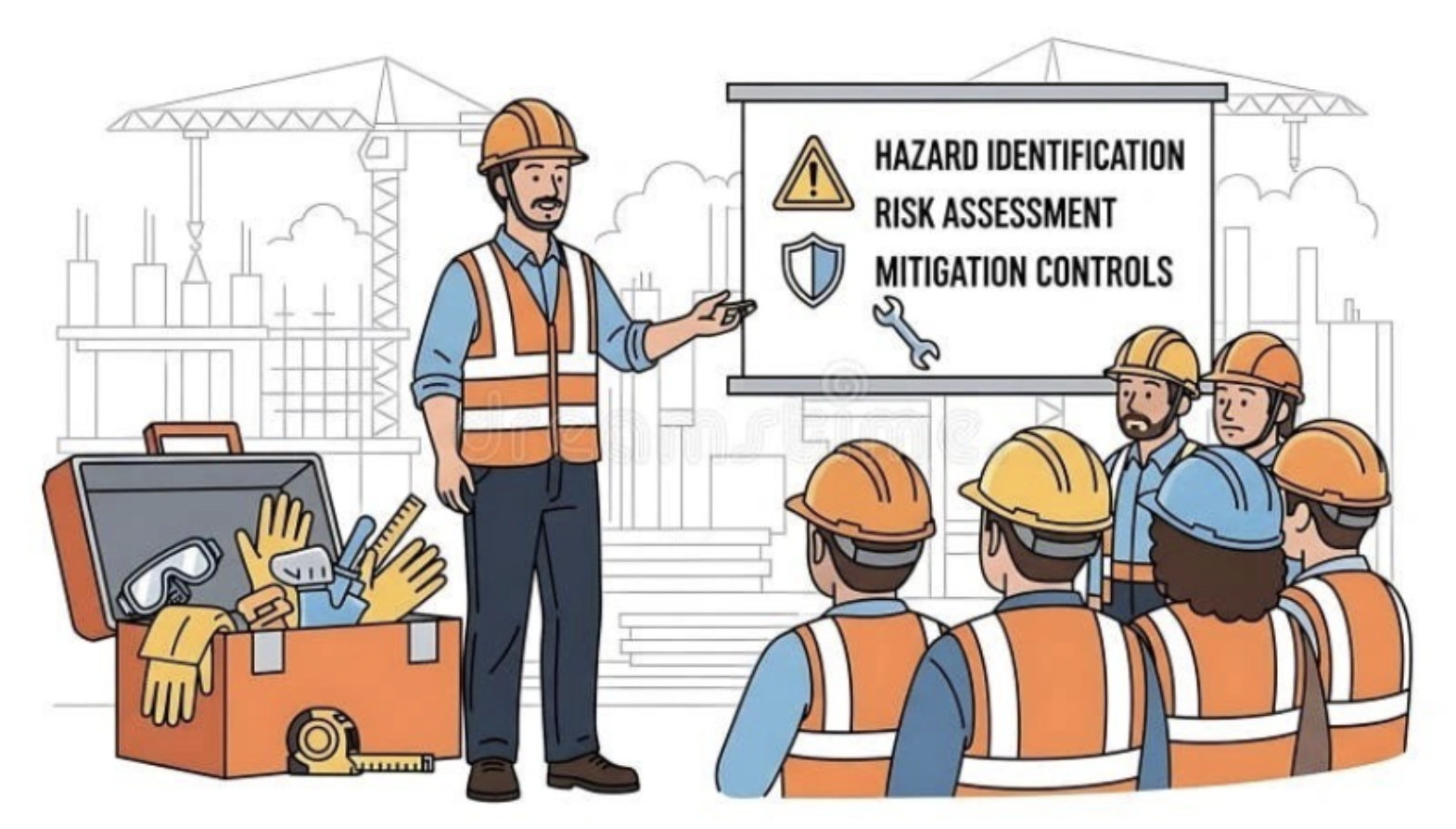
A detailed risk assessment is the foundation of preventing workplace injuries. One of the root causes of workplace injuries, illnesses, and incidents is failing to identify or recognize hazards that are present or could have been predicted[3].
Identify Potential Hazards in Your Workplace
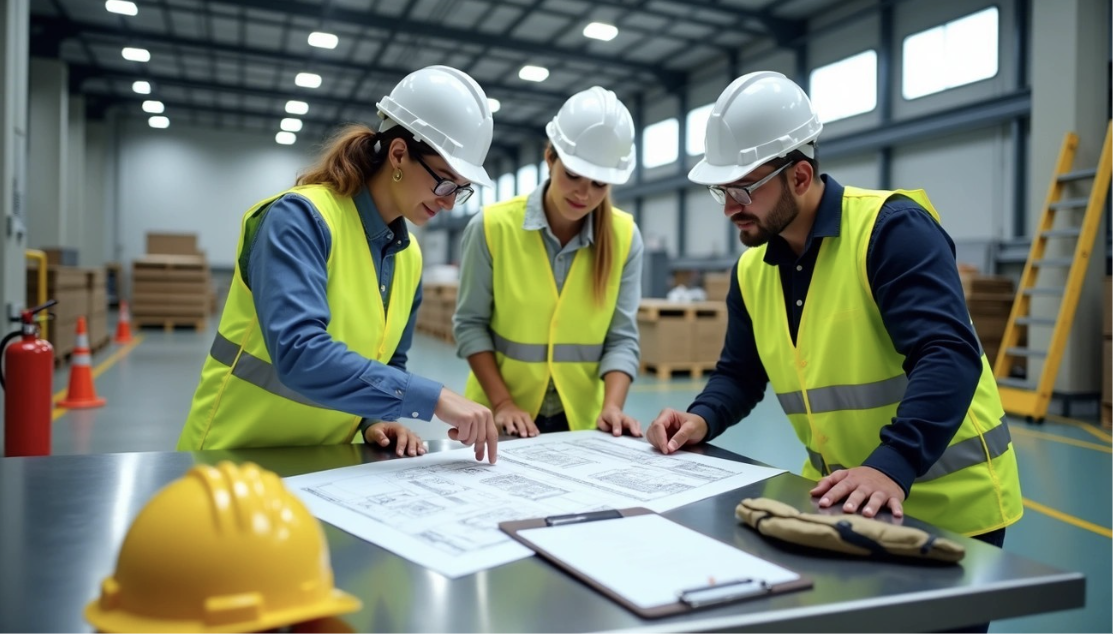
Walk around your workplace and observe how work gets done. Pay attention to equipment usage, chemical handling, and existing work practices. Review past accident records, near-miss reports, and employee complaints to spot patterns. Consult manufacturers' data sheets and safety information for obvious hazards[6].
Include both routine activities and non-routine tasks like maintenance or cleaning. Think over hazards for remote workers, visitors, and workers with different risk levels such as new employees or expectant mothers[6]. Get employees familiar with the work area to participate, among those with fresh perspectives, to capture both experienced insights and new observations[6].
Assess Risk Levels and Prioritize Hazards
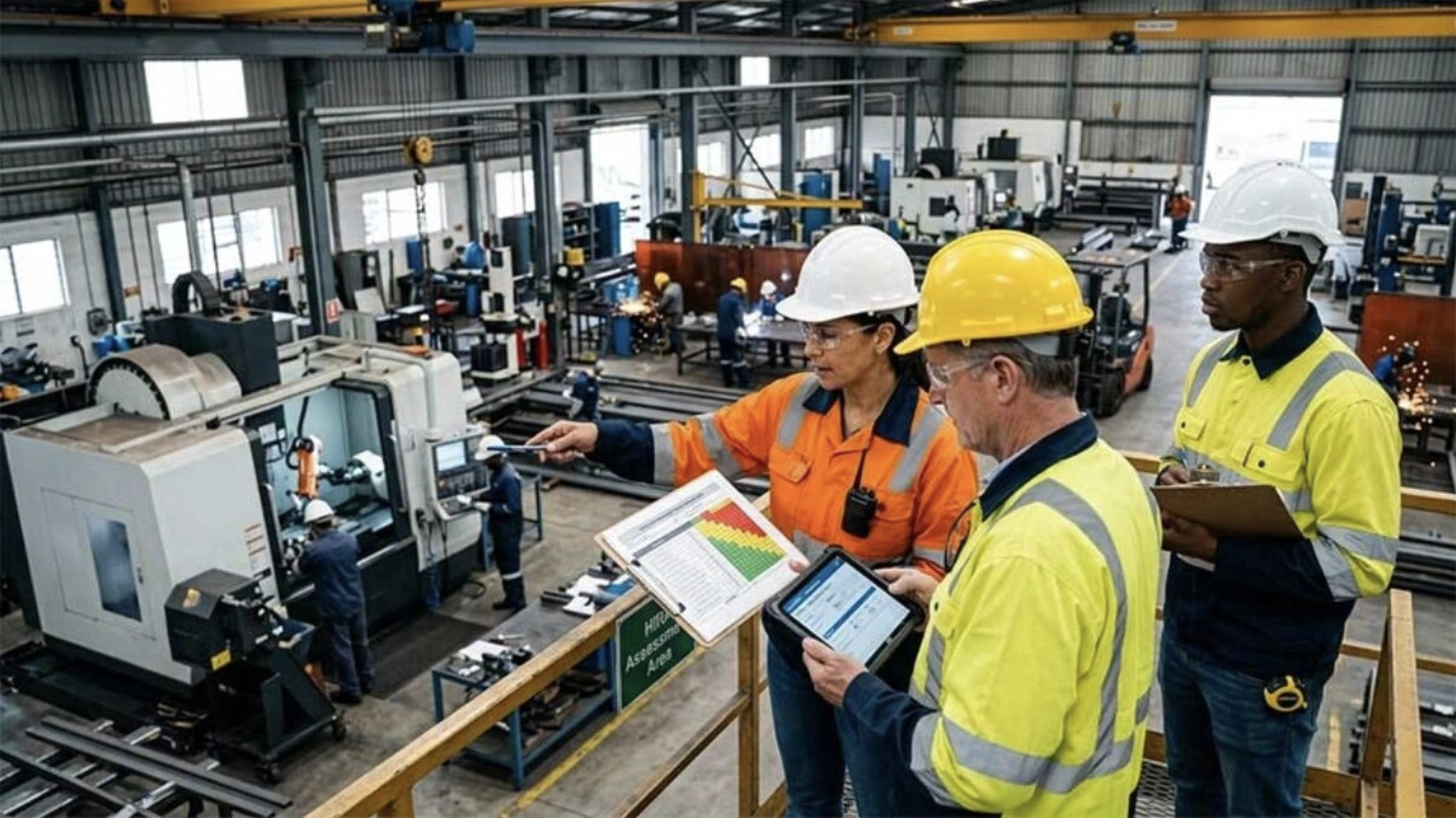
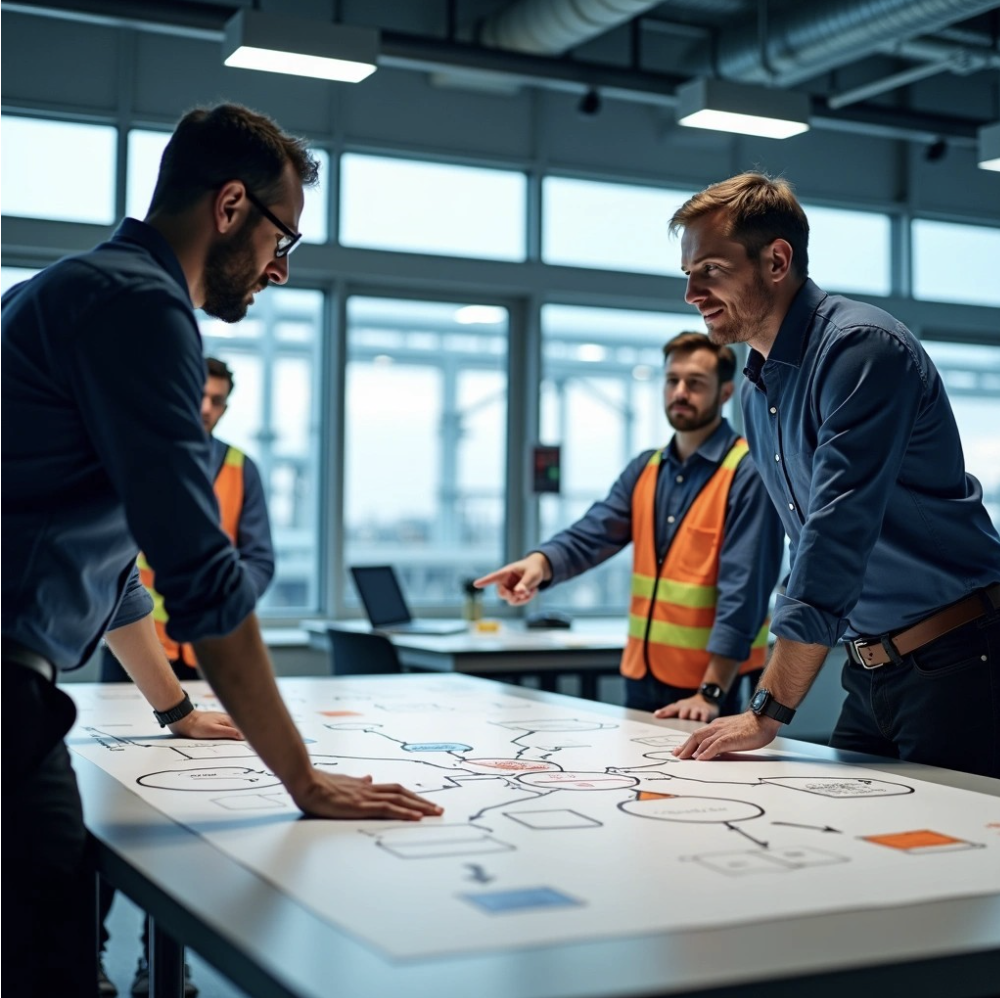
Risk assessment looks at how a hazard will cause harm and how severe that harm could be. Use a risk matrix to assess each hazard by placing it on a grid based on probability and severity[7]. This visual tool helps you prioritize which hazards need immediate attention versus those requiring less urgent action.
Think over exposure frequency, number of people at risk, and existing control measures when assessing each hazard[7].
Document Your Findings
Record your assessment results on a risk assessment form that captures what hazards were found, who might be affected, controls implemented, and assessment dates[8]. Documentation proves you conducted a full hazard review and implemented suitable control measures[6].
Involve Employees in the Assessment Process
Workplaces where employees participate in health and safety decisions are safer. Accident rates drop to 14% in companies where employees feel involved compared to 26% where they don't[4]. More than that, 77% of employees feel motivated to address safety concerns when involved versus only 20% in non-participative environments[4]. Worker involvement improves control effectiveness, reaching 76% success rates compared to 40% without consultation[4].
Step 2: Implement Safety Controls and Measures
After you identify and assess hazards, your next priority becomes putting appropriate controls in place.
Engineering Controls to Eliminate Hazards
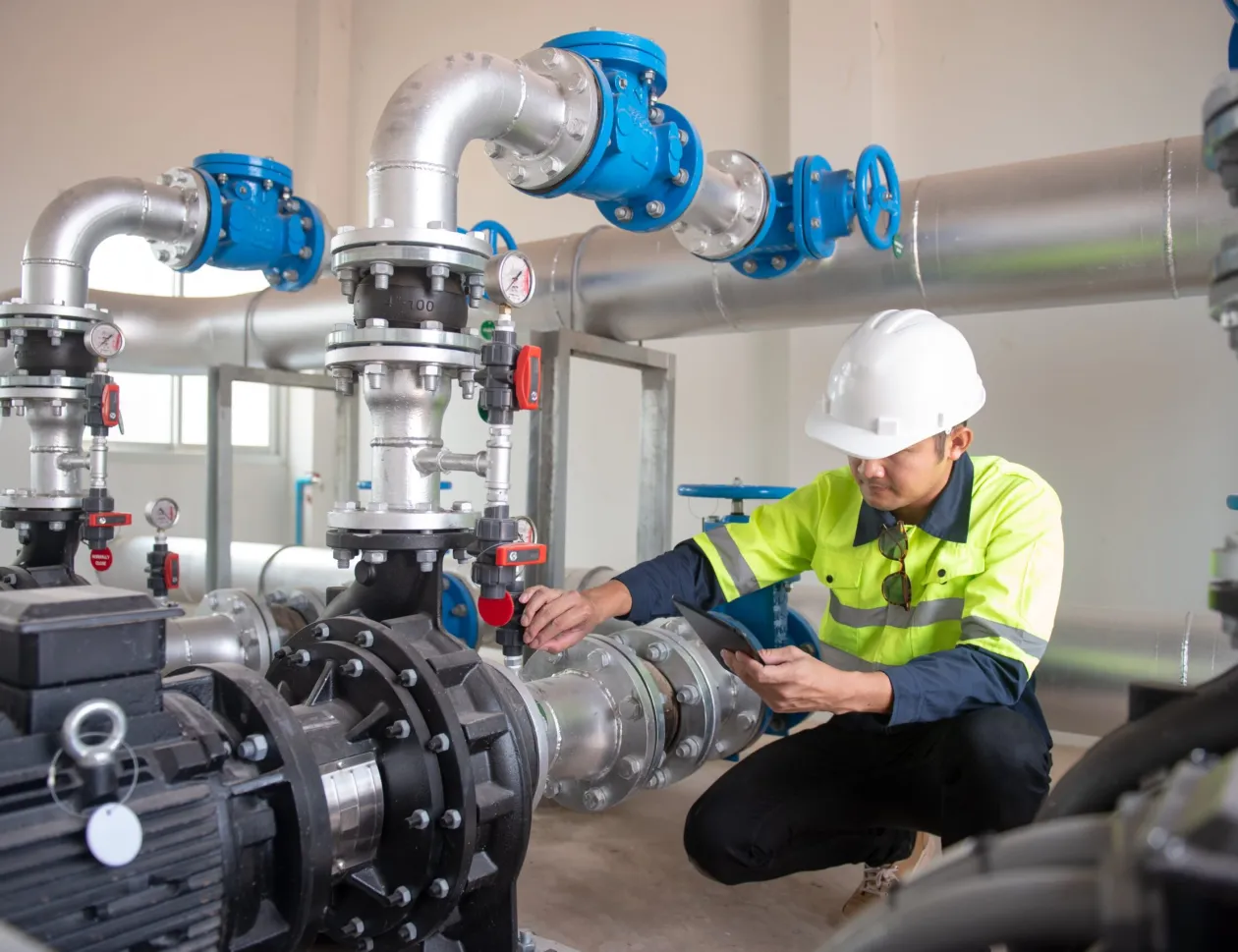
Engineering controls modify equipment or the workspace and prevent hazards from reaching workers. Examples include mechanical lifting devices to move heavy loads, guards around moving machinery parts, guardrails to prevent falls, and ventilation systems to remove airborne contaminants[9]. These controls work automatically. They don't require worker action and are reliable[10]. Process controls involve changing how work gets done. You might use wet methods when drilling to keep dust levels down or implement automation to reduce worker contact with materials[9].
Administrative Controls and Safe Work Procedures
Administrative controls change how work is performed through policies and procedures. These cover developing safe work procedures for operating machinery, limiting exposure time to hazardous tasks, using warning signs, putting job rotation schedules in place, and conducting regular maintenance[11]. Safe work practices should combine safety, quality, and clinical requirements into one procedure. Workers get training in the quickest way to do their jobs safely[12].
Provide Personal Protective Equipment
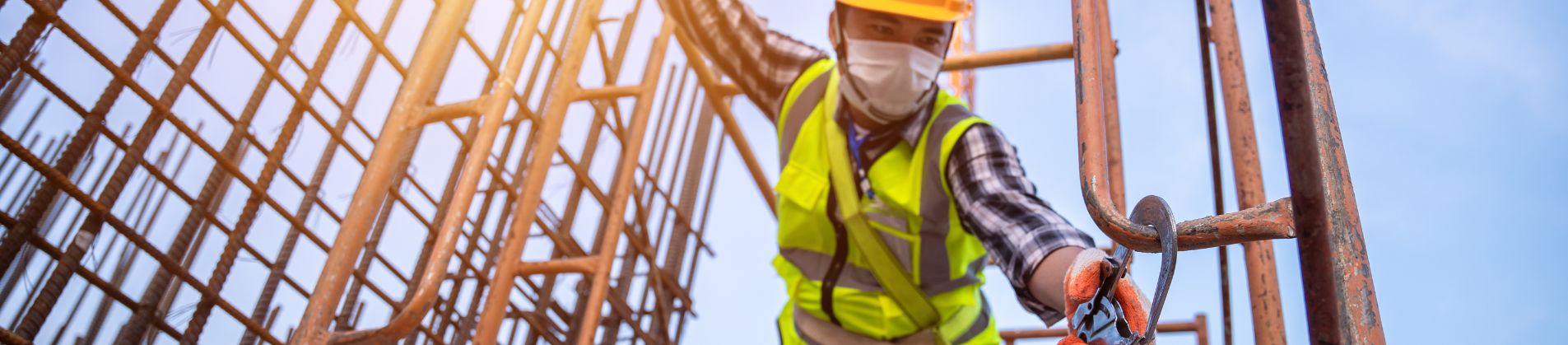
PPE serves as the last line of defense when other controls cannot reduce risk sufficiently[10]. You must provide PPE free of charge and ensure it fits each worker. Training on correct use is essential[13]. Workers need instruction on when PPE is necessary and how to wear it. They should understand its limitations and proper maintenance[14].
Preventing Manual Handling Injuries in the Workplace
Provide mechanical assistance like trolleys or hoists wherever possible[2]. Manual lifting sometimes remains unavoidable. Make loads smaller and lighter, break large consignments into smaller loads, modify the workplace to reduce carrying distances and twisting movements, and ensure proper training[2]. Workplaces that provide regular training have 50% fewer manual handling injuries[15].
Preventing Hand Injuries in the Workplace
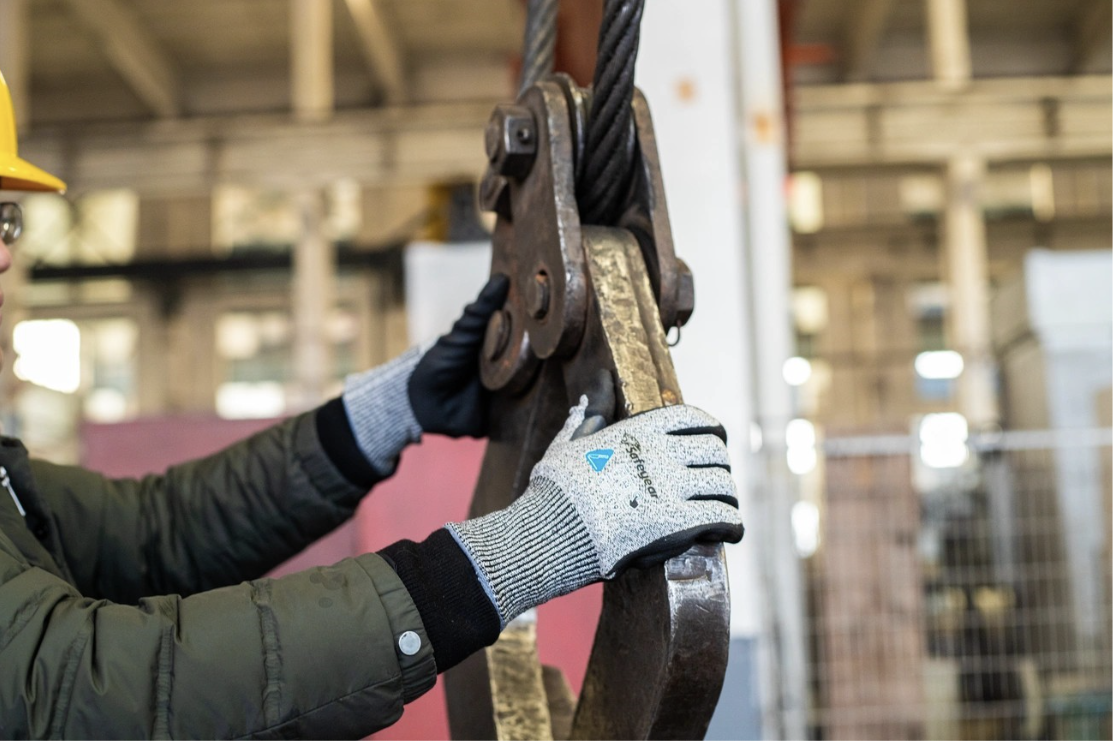
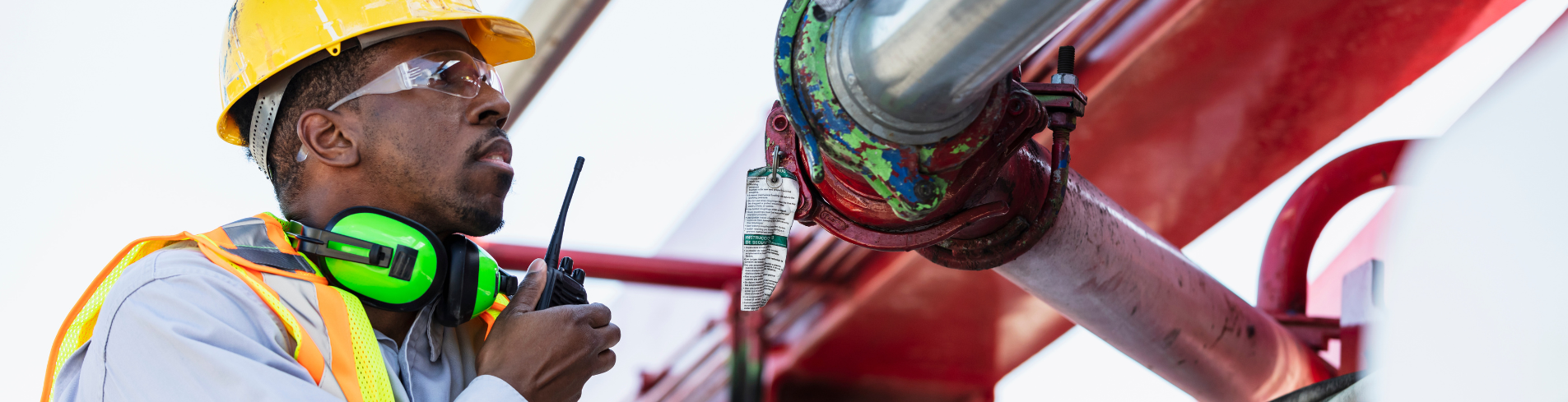
Engineering controls for hand safety include machine guards that protect from sharp objects and rotating parts. Electronic proximity-limiting devices and emergency stop mechanisms also help[5]. Administrative controls cover safety training, lockout tagout devices, and warning signs[5]. Select gloves matched to specific hazards. These might be heat-resistant, cut-resistant, or chemical-resistant[5].
Which Measures Are Most Effective in Preventing Workplace Injuries
Elimination and substitution prove most effective. They control exposures without much human interaction[10]. Engineering controls rank next. Administrative controls and PPE follow. Combining multiple controls provides the best protection in most cases[16].
Step 3: Build and Maintain a Safety Culture
Controls and assessments alone won't prevent workplace injuries without a strong safety culture that sustains them over time.
Develop Employee Training Programs
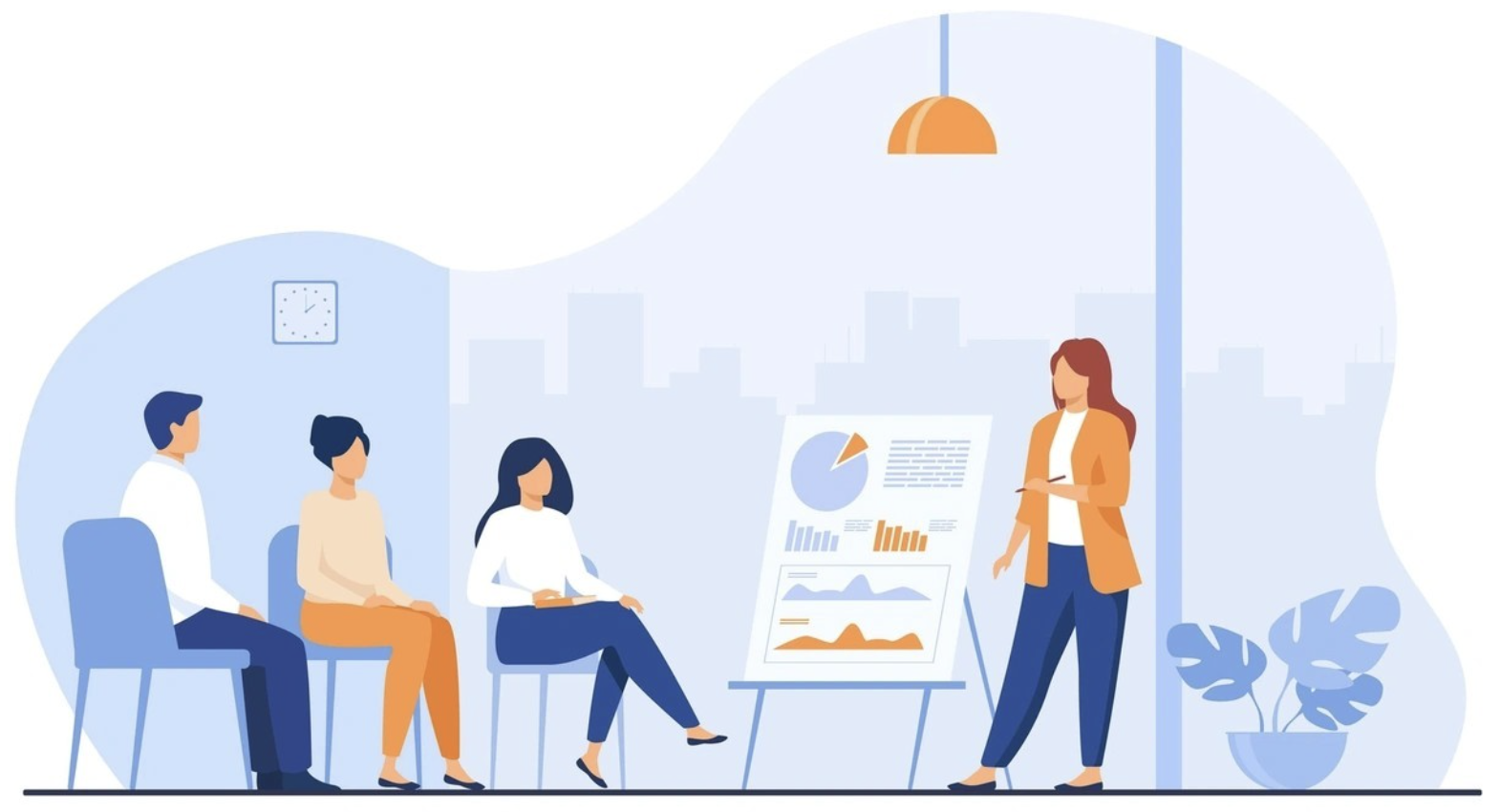
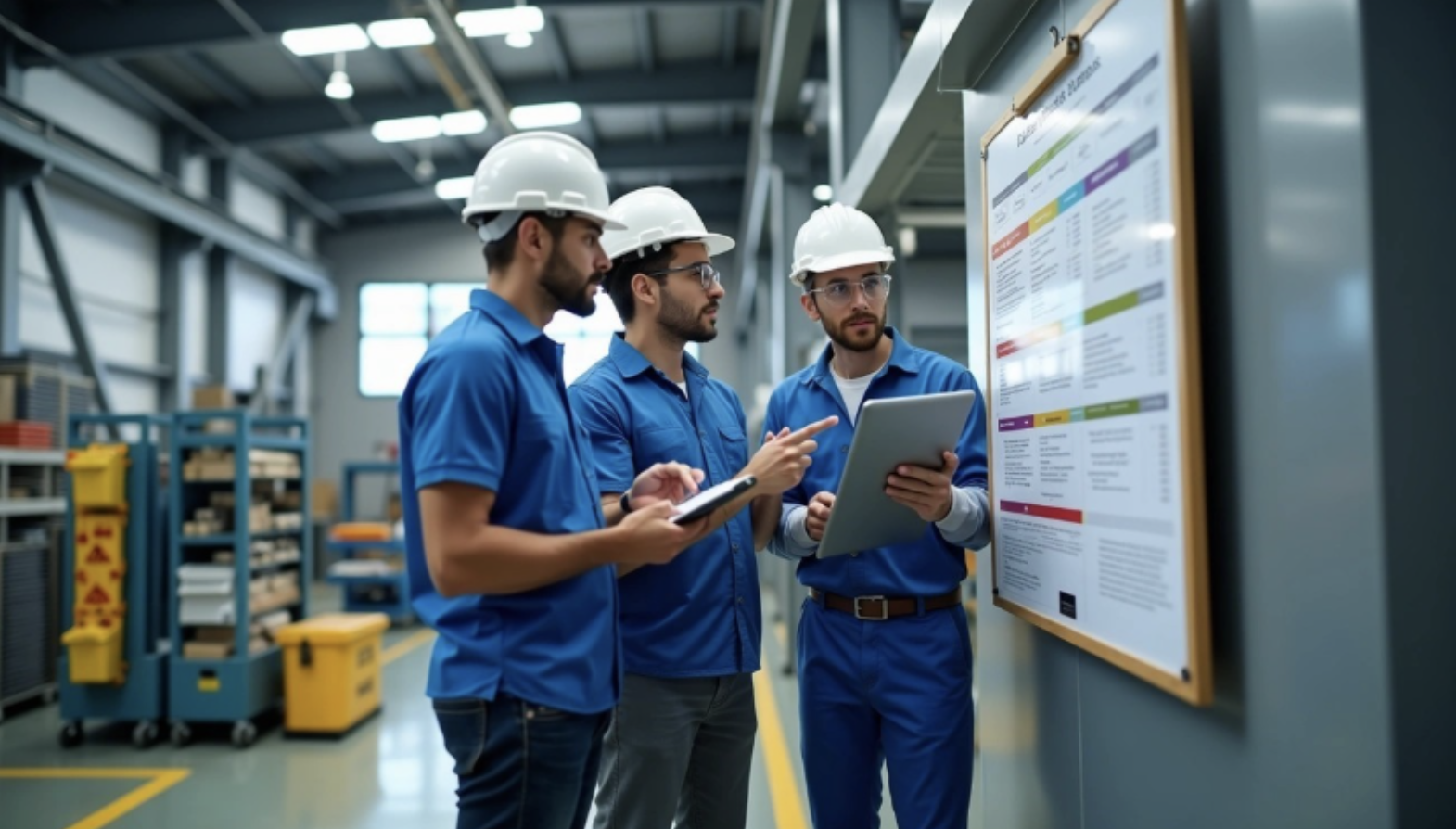
Training gives employees the knowledge and skills to work safely and avoid creating hazards[17]. Effective programs provide hazard awareness, understanding of how to identify and report hazards, and specialized training for unique risks[17]. Use various delivery methods including peer-to-peer training, on-the-job training, and worksite demonstrations[17]. Training must be ongoing, not a one-time event[18]. Gather employee feedback after sessions to refine future training[18]. Good training recognizes skills people already have to maintain interest[19].
Create Safety Communication Channels
Two-way communication lets workers and managers exchange ideas about hazards and risks through surveys, reports, and face-to-face discussions[20]. Clear channels explain current hazards and risk management practices and keep workers well-informed[20]. Encourage workers to report hazards and concerns without fear of retaliation[17]. Use multiple formats like briefings, signs, and demonstrations since people retain information better when told different ways[20].
Monitor and Enforce Safety Measures
Review your safety management system regularly to ensure effectiveness[21]. Safety processes evolve as workers and equipment change[21]. Monitor employee exposure to risks like noise, dust, and vibration[22]. Conduct inspections, audits, and verification activities to improve safety management practices[23].
Conduct Incident Investigations and Learn from Them
Record all incidents in a register of injuries and investigate why each occurred[24]. Document the investigation, outcome, and changes implemented[24]. Act as soon as possible after incidents[25]. Share knowledge gained throughout the organization through open communication that challenges assumptions about work[26].
Conclusion
You now have a complete framework to prevent workplace injuries, from conducting risk assessments to implementing controls and building a safety culture. The key to success lies in taking action and staying consistent with your prevention efforts.
Note that most workplace injuries are preventable when you apply the right controls in a systematic way. Start with one step, involve your team and keep refining your approach. Your steadfast dedication to safety will protect your workers and strengthen your organization. Keep implementing and monitoring your efforts, and workplace injuries will decrease substantially over time.
References
[1] - http://www.osha.gov/safety-management
[2] - https://www.hse.gov.uk/msd/manual-handling/reduce-risk-injury.htm
[3] - http://www.osha.gov/safety-management/hazard-identification
[4] - https://www.astutis.com/astutis-hub/blog/worker-involvement-safety-health
[5] - https://hsi.com/blog/hand-safety-and-injury-prevention
[6] - https://www.ccohs.ca/oshanswers/hsprograms/hazard/risk_assessment.html
[9] - https://www.ccohs.ca/oshanswers/hsprograms/hazard/hierarchy_controls.html
[10] - https://www.cdc.gov/niosh/hierarchy-of-controls/about/index.html
[11] - https://www.worksafe.vic.gov.au/hierarchy-control
[12] - https://resources.schn.health.nsw.gov.au/policies/policies/pdf/2016-9054.pdf
[14] - http://www.osha.gov/personal-protective-equipment
[15] - https://gimbalgroup.com.au/10-manual-handling-hazards-in-the-workplace-and-ways-to-prevent-injuries/
[16] - https://www.osha.gov/sites/default/files/Hierarchy_of_Controls_02.01.23_form_508_2.pdf
[17] - http://www.osha.gov/safety-management/education-training
[20] - https://safetyculture.com/topics/safety-communication
[21] - https://www.safework.sa.gov.au/workplaces/simple-steps-to-safety/monitoring-and-reviewing-to-improve
[22] - https://morson-nexus.com/news-articles/how-to-monitor-health-and-safety-in-the-workplace/
[27] - https://www.bls.gov/iif/
[29] -https://www.ausrehab.com/blog/7-most-common-workplace-injuries-across-australia/

































.png)




.png)
.png)
.png)
.png)
.png)
.png)
.png)

.png)
.png)
.png)
.png)
.png)
.png)
.png)
.png)
.png)
.png)
.png)
.png)
.png)
.png)
.png)
.png)
.png)
.png)
.png)


Ready to Save Lives at Work?
With Impress Solutions, you’re not just getting a service, you’re securing peace of mind with a partner you can trust. Book a free consultation today, and let’s map out how we can help you save lives at work.

.png)