How to Create a Risk Management Plan Construction Teams Actually Use
Key Takeaways
Creating a risk management plan that construction teams actually use requires moving beyond theoretical frameworks to practical, actionable strategies that integrate seamlessly into daily operations.
• Focus on real-time monitoring over monthly reports - Traditional lagging indicators arrive too late to prevent issues; implement continuous scanning systems that identify emerging risks before they become costly problems.
• Assign clear risk ownership to specific individuals - Each identified risk needs a designated owner responsible for monitoring, managing, and executing response plans to ensure accountability and quick decision-making.
• Keep documentation simple and accessible - Complex paperwork gets ignored; use cloud-based tools, clear templates, and mobile-friendly formats that teams can update and reference during active work.
• Make risk reviews part of regular workflow - Schedule risk assessments as standing agenda items in weekly meetings rather than separate exercises to maintain relevance and team engagement.
• Train teams properly on risk management processes - 70% of projects exceed budgets despite risk planning because teams lack knowledge, not interest; invest in comprehensive training to bridge the gap between theory and practice.
The most effective construction risk management plans become living documents that evolve with project conditions, supported by trained teams who understand their role in preventing the incidents, delays, and budget overruns that derail projects. Worker fatalities in construction increased by 36% in 2024 compared to the five-year average, and a risk management plan construction teams actually follow could prevent many of these tragedies.
Yet here's the reality: most construction risk management plans gather dust in filing cabinets while teams scramble to handle risks as they emerge. For risk management to work in construction, it just needs more than documenting potential risks. It demands practical strategies teams can implement during the chaos of active projects.
We'll walk you through creating a construction risk assessment framework your team will actually use, not just acknowledge during kickoff meetings.
What Makes a Risk Management Plan Actually Work
Common Reasons Plans Fail
Research shows 70% of projects still exceed their original budgets and timelines despite increased investment in risk management [1]. The problem isn't that construction teams lack frameworks or matrices. We have plenty of those. The issue runs deeper.
Teams can't state what risks they're managing or why, and this lack of clear objectives ranks among the biggest problems [2]. Efforts become scattered and ineffective when this happens. Teams either skip full risk evaluation or underestimate potential impacts, and inadequate risk assessment follows behind. This leaves blind spots that surface as costly surprises later [2].
Risk registers often exist under time pressure, get updated infrequently, and are used for coverage rather than decision-making [3]. This point gets overlooked often. Risk management transforms from a strategic tool into a compliance checkbox. Poor communication compounds these failures [2]. Risk information doesn't flow within organizations, so teams work with different assumptions about the same threats.
Research in Chile revealed that both owners and contractors rarely apply risk management practices in a systematic way, and this results in negative project performance [4]. The biggest problem identified was lack of knowledge, not lack of interest [4]. Employees miss critical risks, fail to follow protocols, and make inadequate decisions without proper training [2].
Teams ignore stakeholder input, and there's another reason for failure [2]. Construction risk management just needs collaboration with architects, owners, contractors and subcontractors to identify project-specific risks [5]. Skipping this input creates dangerous blind spots.
Key Elements Teams Need
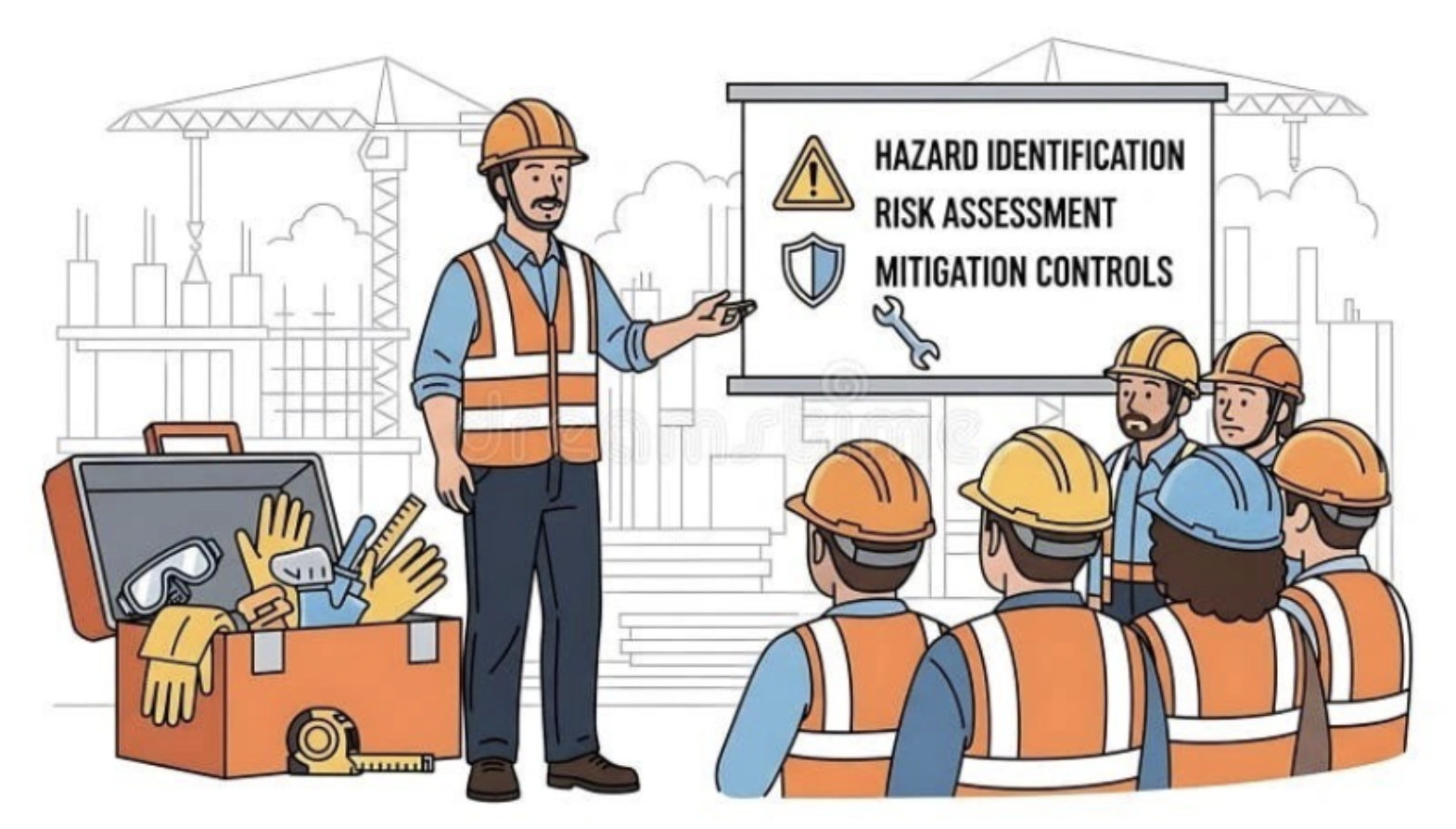
A working risk management plan construction project requires four core actions: risk identification, assessment, mitigation and monitoring [5]. Each step demands specific resources and commitment.
Risk identification works best through collaborative stakeholder meetings where everyone contributes their point of view on what could derail the project [5]. Design errors and design process delays emerge as the risk factors mentioned most, and they're responsible for poor work quality and associated losses [5].
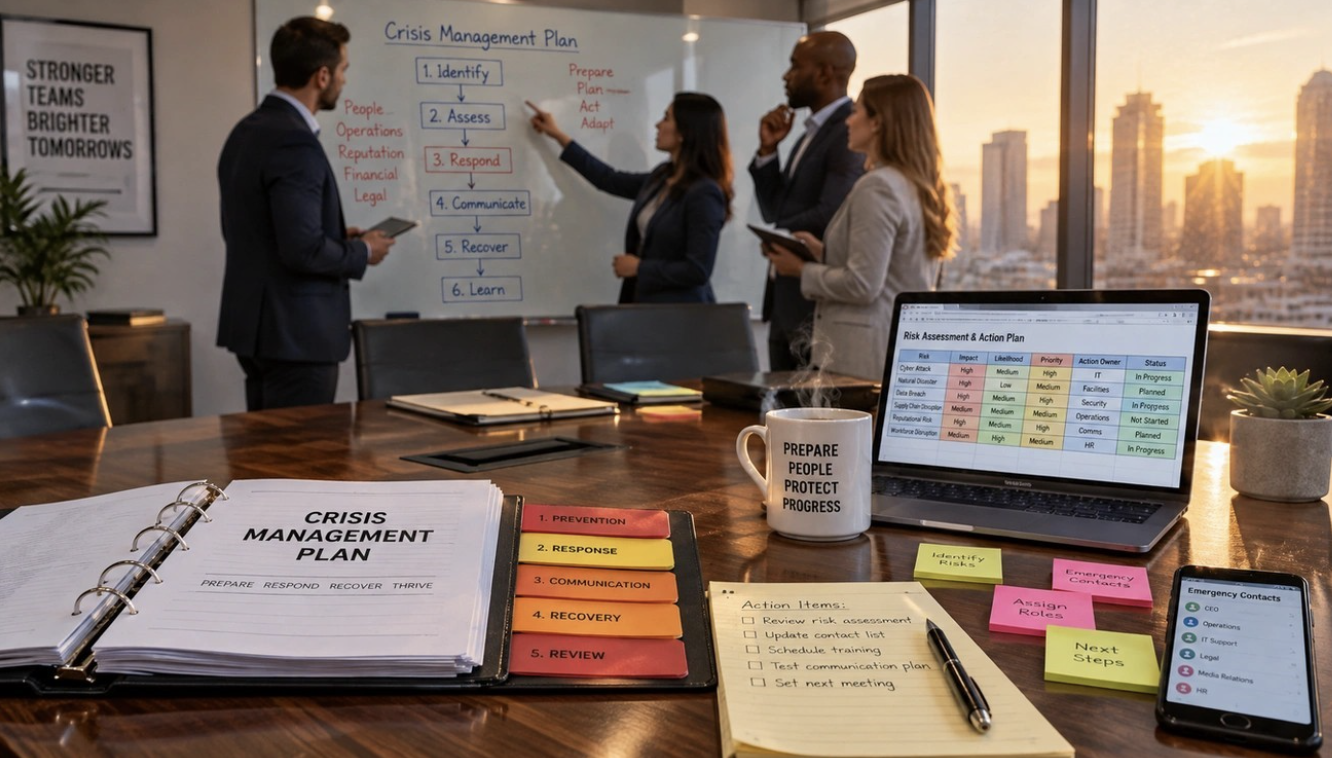
Risk assessment involves scoring each identified risk on a sliding scale to determine potential impact [5]. Teams prioritize the biggest threats and develop mitigation plans to reduce their likelihood. Response protocols then define exact actions to take when risks materialize [5].
Monitoring separates theoretical plans from functional ones. Teams must scan projects for emerging risks, reassess existing threats, and adjust strategies as conditions change [2]. Immediate field visibility shifts this process from reaction to anticipation [1]. Projects using immediate reporting and digital site tools achieve faster risk identification, improved documentation quality, and better alignment between site and office teams [1].
Clear risk ownership proves needed [6]. Assigning specific individuals or teams to manage each risk ensures response plans get developed, managed to keep current, and executed quickly when needed [7].
The Difference Between Theory and Practice
Construction has never lacked risk frameworks, yet conflicts, safety incidents, schedule delays and cost overruns persist [1]. The gap exists between what gets documented and what gets acted upon.
Traditional construction risk management relies on lagging information through weekly reports, monthly reviews and post-incident analysis [1]. Under those circumstances, three recurring failures emerge: risks get identified too late, data fragments across multiple systems, and leadership makes decisions based on summaries rather than actual site conditions [1].
Research indicates risk management in construction projects remains ineffective, mostly because of lack of knowledge and systematic application [4]. Risk management often falls entirely to the project manager with no dedicated support on larger projects, and this turns risk processes reactive rather than proactive [3]. Project managers juggle schedules, costs, contracts and stakeholders at the same time, so risk management becomes a side task rather than a continuous discipline [3].
Immediate visibility creates a single version of site truth that project managers, commercial teams and leadership can access without translation or delay [1]. This alignment reduces assumption-based decisions, which represent one of the most underestimated sources of project risk [1]. Risk data that lives close to daily work stops being an abstract exercise and becomes part of how work runs [1].
Understanding Construction Risks Before You Plan
Construction ranks among just six industries responsible for 80% of all work-related traumatic fatalities nationwide [4]. You need to understand the specific threats your project faces before building any risk management plan that construction project teams can follow.
Financial Risks in Construction
Cost overruns plague construction without mercy. Contractors reported cost increases of 70% for structural steel, 30% for asphalt supply and placement, and 100% for cable supply between 2021 and 2022 [3]. Skilled and general labor costs rose 15% during the same period [3].
Tight profit margins compound these pressures. Market competition, rising labor costs and fluctuating material prices squeeze profitability on every project [8]. Cash flow problems emerge when delayed payments, uneven revenue streams and extended timelines disrupt fund movement [8]. Between January and July 2022, 918 construction firms entered administration. This represented a 55% increase over the previous year [3].
Schedule and Timeline Risks
Weather delays affect nearly half of all construction projects around the world [9]. A single day of lost productivity on large projects can cost owners $250,000 [9]. Extreme heat ruins concrete pours. High winds halt crane operations, and freezing temperatures make outdoor work dangerous [9].
Supply chain disruptions create cascading delays across project phases. Lead times for electrical switchgear now stretch to 60 weeks or longer [9]. Late structural steel shipments don't just delay steelwork. They push back masonry, MEP rough-ins and every trade that follows [9]. Poor scope definition, scope changes and design errors rank among the most common schedule risks [9].
Safety and Health Risks
Worker injury claims in construction average $30,579.80 per person and total $44.34 million each year [10]. The most common injuries stem from muscular trauma, slips and trips, cuts, electrical hazards, being hit by objects, mental stress and fatigue [10]. Falls from height represent the second most common injury cause and account for the most fatalities [10].
Mental health poses risks beyond physical dangers. Harassment and bullying lower morale. High pressure causes burnout, and traumatic events leave lasting effects [4]. Work requiring fall protection above 2 meters, confined spaces, trenches deeper than 1.5 meters, or work near energized electrical installations all qualify as high-risk construction requiring Safe Work Method Statements [11].
Design and Engineering Risks
Design errors and design process delays emerge as the most mentioned risk factors in construction [5]. Stakeholder requests for late changes, failure to execute works according to contract specifications and incomplete designs derail projects [5]. Safe design identifies hazards early in the design process. This proves easier and cheaper than making changes after hazards become workplace risks [12].
Legal and Contractual Risks
Contractual risk allocation was identified as the biggest problem confronting the construction industry [8]. Research shows many contractors don't understand or assess risk the right way [8]. Tough risk allocation in contracts increases project costs by 15-50% and raises dispute numbers, adding another 10-50% to costs [8]. Construction project disputes consume an average of 2.6% of project costs [13]. Ambiguous contract terms, scope creep, delays, non-compliance with regulations and payment disputes all create legal exposure [14].
Step-by-Step: Building Your Risk Management Plan
Building an effective risk management plan construction project requires systematic execution across five connected steps. Start during preconstruction and maintain the process throughout project delivery.
Step 1: Identify Potential Risks
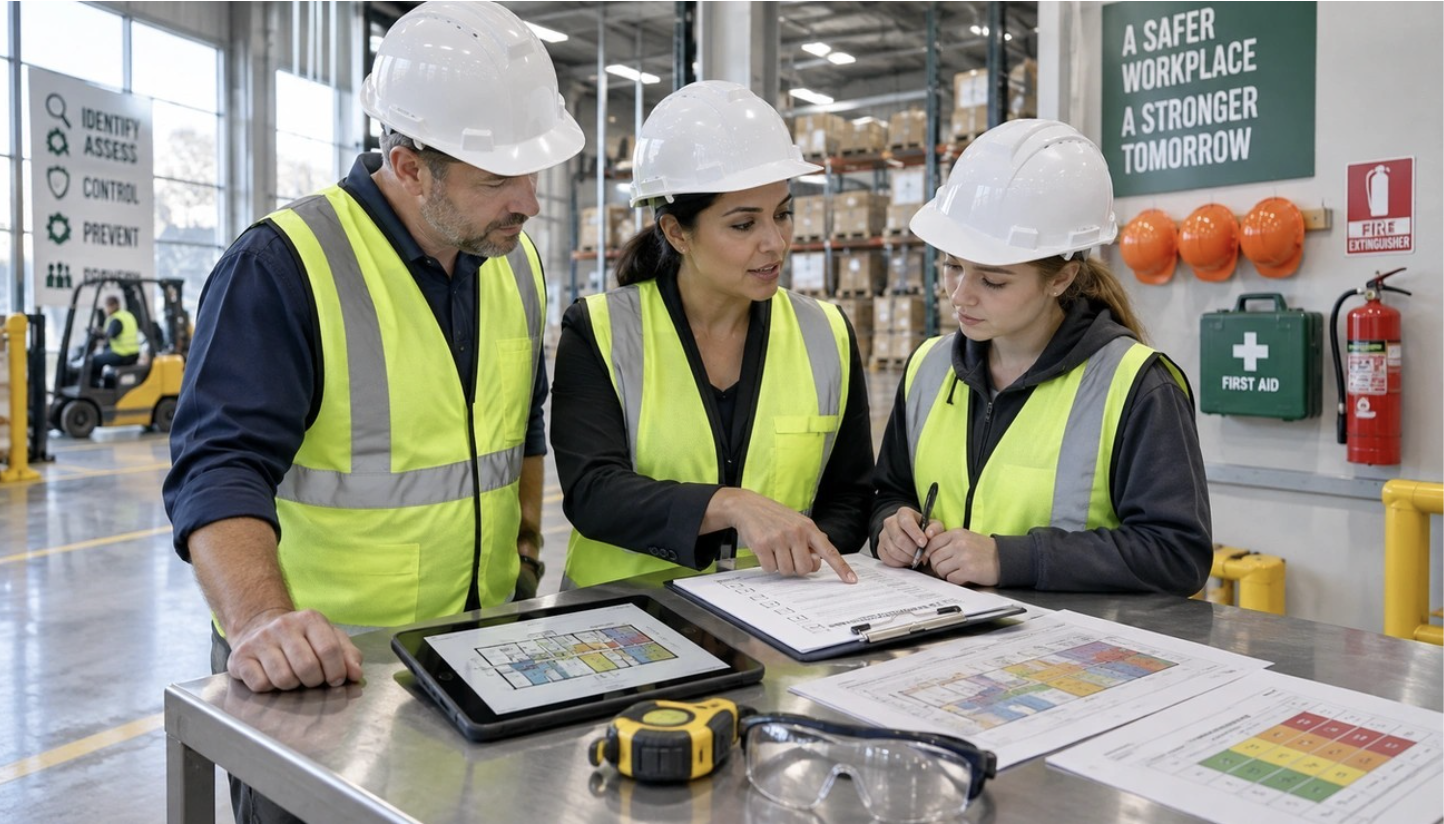
Hold brainstorming sessions with project teams and stakeholders to list potential risks [15]. Involve architects, owners, contractors and subcontractors to identify risks from every angle. Review past projects with similar size, scope and location to understand the construction risks your current project faces [15].
Organize risks under predefined categories (financial, design, geotechnical, occupational health and safety, supply chain, environmental and contractual) to give detailed coverage [16]. Checklists based on previous project experiences help capture common risks. Site inspections will identify physical or environmental hazards your project might encounter.
Step 2: Assess and Prioritize Each Risk
Review the likelihood of each risk occurring using a five-level scale: Certain (more than 90% chance), Likely (61% to 90% chance), Moderate (41% to 60% chance), Unlikely (10% to 40% chance), or Rare (less than 10% chance) [17]. Then rate each risk for severity: Low (minimal consequences), Medium (moderate damage), High (critical damage requiring quick action), or Very High (catastrophic effect) [17].
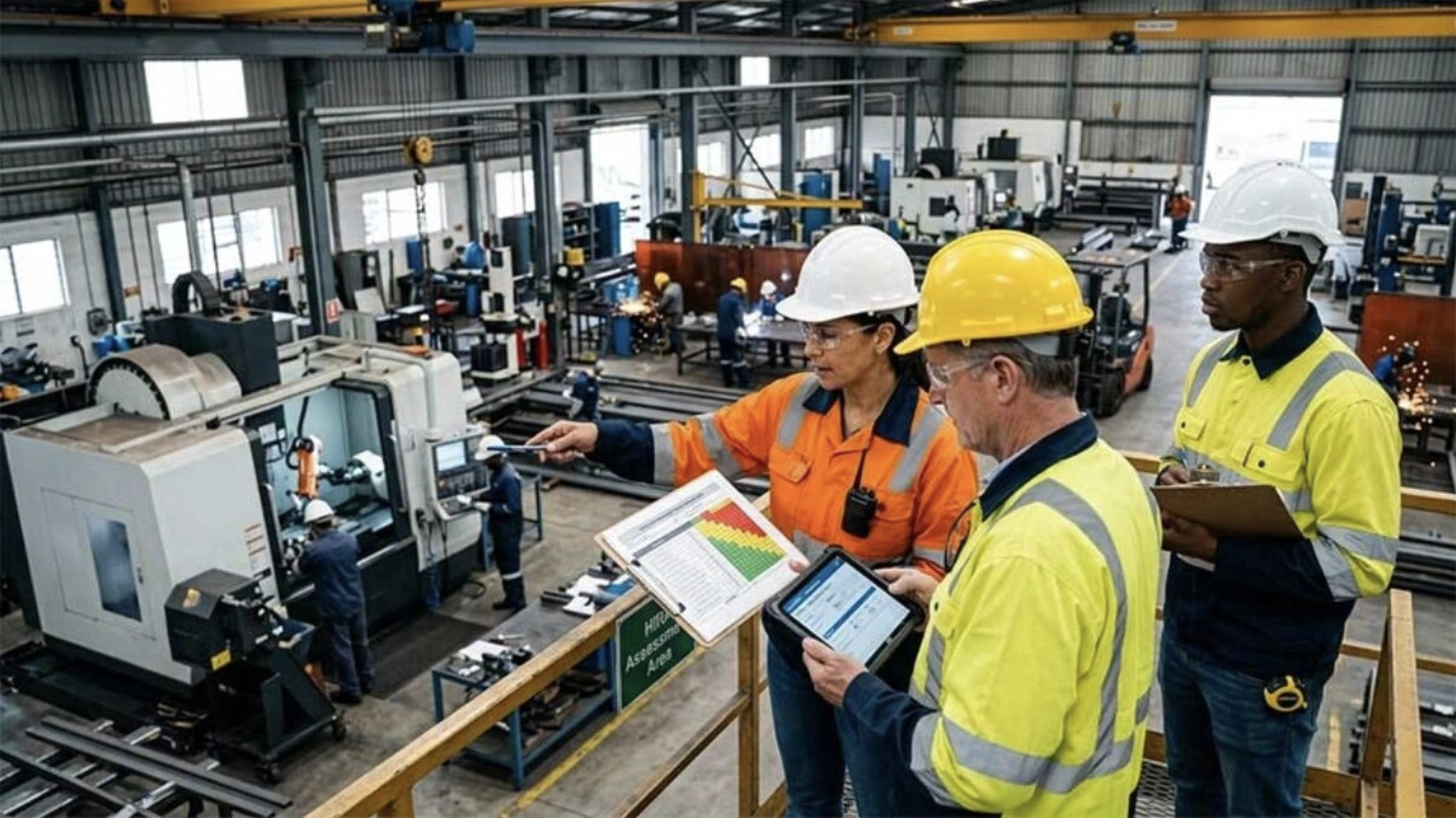
A risk matrix plots probability against effect to show overall risk exposure [17]. High effect, high probability risks should be handled first, while risks with low probability and low effect can be tackled last [15]. Factor in the amount of time, money and work each risk will require for effective management [15].
Step 3: Develop Response Strategies
Determine if you can avoid, eliminate, reduce, transfer or accept each risk [15]. Avoidance involves changing plans to eliminate the risk entirely. Transfer shifts risk to third parties through insurance or contract clauses. Mitigation reduces likelihood or effect through specific controls. Acceptance acknowledges certain risks as operational requirements, typically for low probability, low effect scenarios.
Step 4: Assign Clear Responsibilities
Identify who is responsible for monitoring and managing each risk [18]. Risk owners become accountable for understanding a risk, creating controls or processes to manage it, reporting on control performance and guiding the response to that particular risk [19]. Ownership assignment ensures accountability and prevents paralysis in decision making [19].
Step 5: Set Up Monitoring Systems
Plan regular risk reviews at weekly, biweekly or key project milestones [18]. The risk register and action plans need updates as conditions change. Monitor risks continuously throughout project duration and identify new threats early so they can be dealt with quickly [20]. Risk triggers (specific events that activate response plans) should be set, and document new risks as they emerge [20].
Essential Components Every Plan Must Include
Four core documents revolutionize your risk management plan construction project from concept to working tool. Each component serves a distinct function while connecting to create a complete risk management system.
Construction Risk Register
A construction risk register documents every identified risk in a centralized location. Formats vary, but an effective register has specific fields: risk description (clear statement of what might go wrong), impact assessment, likelihood estimate, risk owner (individual accountable for monitoring), and action plan outlining mitigation strategies [21]. Many organizations also include risk category, financial exposure, regulatory relevance, and review dates [21].
A civil engineering firm used a risk register during a transport hub expansion and flagged delays from permit approvals and extreme weather. The team secured contingency contractors and adjusted procurement schedules by assigning owners and action plans early. Heavy rains hit and work slowed, but the project timeline held [21]. The lesson: a risk register delivers value only when you maintain it actively, make it accessible to more people, and embed it into decision-making [21].
Risk Matrix and Scoring
A risk matrix plots likelihood against impact to prioritize threats visually. The grid structure places likelihood on the x-axis and impact on the y-axis, with dimensions ranging from 3x3 to 5x5 based on project complexity [22]. Likelihood measures how often a risk may occur, while impact assesses severity [22].
Risk scores multiply likelihood and impact values. A risk that rates 'Likely' (4) with 'Major' impact (4) equals a risk score of 16 [22]. Color-coded ratings simplify decision-making: green indicates low risks, yellow signals moderate concerns, and red marks high-priority threats requiring immediate attention [22].
Response Action Plans
Response actions define specific measures to address identified risks in construction risk management [9]. Options include avoiding risks, mitigating them through controls, transferring them via insurance or contract clauses, or accepting low-impact threats [9]. Risk mitigation plans should have step-by-step solutions, brief descriptions of intended outcomes, and how the plan affects impact [23].
Communication Protocols
A communication plan defines how risk information flows among stakeholders throughout the project lifecycle [9]. Clear protocols ensure project managers, clients, contractors, and team members remain informed about risks, progress, and changes [9]. Communication reduces misunderstandings and boosts collaboration, supporting better decision-making and ensuring risk management strategies get implemented [9].
Making Your Plan Easy to Use and Update
Plans become obsolete the moment they disconnect from daily operations. Your risk management plan construction project needs tools, training, and processes that keep it current without adding administrative burden.
Choose the Right Tools and Templates
Digital platforms have transformed risk management documentation from static spreadsheets into collaborative, cloud-based tools [24]. Construction-specific software provides templates that simplify documentation and allows teams to focus on implementation rather than formatting [24]. Cloud-based systems ensure everyone works from the current version. Immediate updates are available via mobile or tablet [24][25].
Free downloadable templates in PDF or Word formats provide simple structure but quickly become limiting [4]. Provided that you use manual formats, establish clear naming conventions and centralized storage from day one [4]. Add version numbers and update dates to filenames. This maintains simple version control [4].
Train Your Team
Workers and line managers responsible for risk management activities must undergo training and be deemed competent [26]. Training helps organizations ensure everyone lines up with project standards and expectations [27]. Construction organizations prepare teams to handle construction risk management complexities when they invest in training. This leads to more resilient projects [27].
Keep Documentation Simple
You don't need a mountain of paperwork for the sake of it [28]. What you do need is a system your team can follow consistently [28]. Structured layers work: contract agreements with key schedules, delivery documentation like site instructions and variation approvals, evidence including photos and checklists, and payment records [28].
Review and Adjust Regularly
Make the risk plan a standing agenda item at weekly project meetings [24]. Monitor and review control effectiveness regularly. This will give them fitness-for-purpose and continue working as intended [26]. Key triggers for reviews include changes to the work environment, evidence of control measures failing, and new hazards arising as the project progresses [29].
Conclusion
You now have everything needed to build a risk management plan construction teams will actually follow, not just file away. The difference between plans that work and plans that fail comes down to practical application. Keep your documentation simple, assign clear ownership, and make risk reviews part of your regular workflow rather than separate exercises.
Focus on up-to-the-minute monitoring instead of monthly reports that arrive too late. Train your team, use tools that simplify rather than complicate, and adjust strategies as conditions change. Note that effective risk management isn't about perfect documentation. It's about preventing the delays and budget overruns that derail projects before they happen.
References
[1] - https://www.linkedin.com/pulse/why-construction-risk-management-fails-without-real-time-sam-m-bfncf
[2] - https://pecb.com/en/article/12-reasons-for-risk-management-failure
[4] - https://www.mastt.com/resources/construction-risk-management-plan
[5] - https://www.planradar.com/au/builders-risk/
[6] - https://www.salussafety.io/news/key-elements-of-a-construction-risk-management-plan
[7] - https://www.jonasconstruction.com/construction-risk-management-plan/
[8] - https://valorumlaw.com.au/risk-allocation-in-construction-contracts/
[9] - https://smartpm.com/blog/construction-risk-management-the-complete-guide-for-safer-projects
[10] - https://www.safework.sa.gov.au/industry/construction/staying-safe-in-the-construction-industry
[11] - https://www.safeworkaustralia.gov.au/safety-topic/industry-and-business/construction/managing-risks
[12] - https://www.worksafe.vic.gov.au/safe-design-safety-basics
[15] - https://www.constructconnect.com/blog/identifying-managing-construction-project-risks
[16] - https://www.mdpi.com/2075-5309/15/20/3806
[18] - https://acuityinternational.com/blog/risk-management-in-construction-industry/
[19] - https://www.deloitte.com/au/en/services/consulting-risk/blogs/responsibility-accountability.html
[20] - https://mycomply.net/info/blog/construction-risk-management/
[21] - https://www.protechtgroup.com/en-au/blog/what-is-a-risk-register-how-to-create-one
[22] - https://www.mastt.com/blogs/what-is-a-risk-matrix
[23] - https://asana.com/resources/risk-register
[24] - https://premiercs.com/blog/how-to-build-a-construction-risk-management-plan-expert-guide
[25] - https://www.aclaimant.com/blog/construction-project-risk-management-plan-template
[27] - https://safetyculture.com/topics/risk-management/construction-risk-management
[29] -https://www.worksafetyhub.com.au/blog/managing-risk-in-construction







































.png)




.png)
.png)
.png)
.png)
.png)
.png)
.png)

.png)
.png)
.png)
.png)
.png)
.png)
.png)
.png)
.png)
.png)
.png)
.png)
.png)
.png)
.png)


Ready to Save Lives at Work?
With Impress Solutions, you’re not just getting a service, you’re securing peace of mind with a partner you can trust. Book a free consultation today, and let’s map out how we can help you save lives at work.

.png)