
How to Implement Workplace Permits: A Step-by-Step Guide to Safe Work Authorization

Workplace permits are more than paperwork. They create a documented pause that helps prevent hazardous work from becoming a mistake.
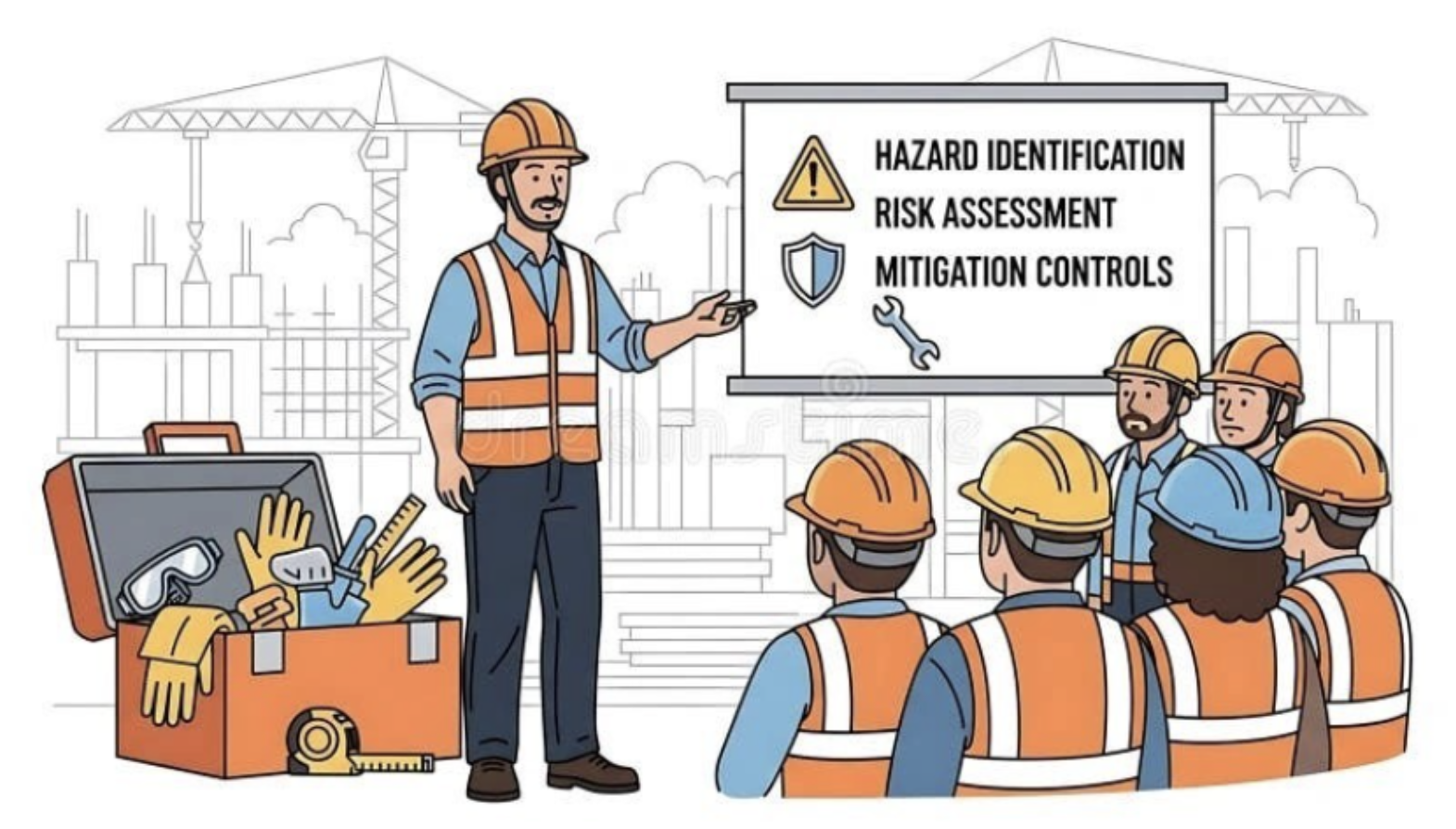
If you have asked why workplaces use a permit to work system, the answer is simple: it authorizes non-routine, high-risk tasks only after teams define the risks and controls. We will explain what work permits are, how they work, and how hot work permits work. Workplace permit requirements in Victoria may vary by jurisdiction. A strong system identifies hazards, assesses risks, authorizes the work, monitors conditions, and closes the permit once the work is safe. Keep permits for plant or machinery on record for two years.[6] Let’s build a process your team can follow.
Understand When a Permit to Work Is Needed
We determine whether workplace permits apply by checking the task against our controls. We issue a permit for unusual work, changed conditions, or hazards that procedures and training do not fully address. A safe operating procedure can replace a permit when trained workers follow it and conditions remain unchanged.
Use a permit for:
- Confined-space entry, hot work, hazardous substances, pressure, electrical or mechanical energy, restricted access, radiation, or plant isolation.
- Falls, excavation, drilling, and work near power or gas services.
- Interacting work activities.
Workplace permits Victoria procedures require a permit for work at heights above 2 meters or excavation deeper than 450 mm[1]. An ANU procedure requires a permit within 3 meters of high-voltage installations or overhead power lines[2].
Why do workplaces implement a permit-to-work system? We use it to complete site checks, authorize work through competent personnel, and coordinate with affected teams. What are work permits? They support a job safety analysis or safe work method statement rather than replace either.
How do work permits work when conditions change? We stop work, reassess the controls, and obtain revised authorization before restarting.
How do hot work permits work? We record controls, emergency arrangements, barricading, and a fire watch that continues for 30 minutes after the work ends[3].
Set Up Your Permit System and Authorize Work
We build the system around a controlled workflow where workplace permits Victoria procedures apply: request, review, issue, display, hand back, and record. A register gives us clear oversight and identifies location conflicts before crews meet.
- We assign roles: a manager appoints authorized issuers; an issuer checks the task, site, assessment, controls, qualifications, and linked permits; and a receiver supervises the crew and accepts the conditions. We keep the issuer and receiver separate.
- We use a form or record to authorize the work. It captures the permit number, date, work area, scope, hazards, controls, isolations, required PPE, equipment, work party, start and finish times, emergency arrangements, signatures, and completion status. The register records overlapping jobs and their controls.
How do work permits work? We confirm that the assessment reflects site conditions, inspect the area, and verify barriers and isolations. We sign only when the controls are ready. We brief crew members at the worksite and keep the permit available there. A time limit and change endorsement prevent outdated approvals.
What are work permits, and how do hot work permits work? We use authorisations that record agreed conditions and provide temporary control of the area. This explains why workplaces implement a permit-to-work system: it coordinates people and work.
Monitor Work, Close Permits, and Improve the System
Authorized work requires active control of workplace permits. The receiver remains onsite, checks conditions and scope, confirms controls and tools, briefs the crew, and keeps the permit available. The issuer or endorser checks the controls and any simultaneous work.
- Stop work if a control fails, a new hazard appears, an emergency occurs, or the task, crew, location, or equipment changes. Secure the area, notify the issuer, review conditions, and get revalidation before restarting. This shows how work permits work: authorization follows actual conditions.
- At the end of each change, report outstanding tasks, variances, and handover status. A confined-space entry permit remains valid for no more than one receiver change before endorsement[4]. For hot work permits, set the permit period to no more than eight hours or one change[5].
- Close the permit after removing materials, leaving the area clean and safe, removing personal locks or tags under procedure, and identifying unserviceable equipment. Our permit authority completes reinstatement, verifies handback, and files the records. Keep completed permits for at least seven years where that rule applies[2].
We review breaches, incidents, monitoring results, and procedure changes. We then update forms, controls, and training. What are work permits? Workplace permits in Victoria record controls. Why is a permit-to-work system implemented in workplaces? It keeps controls current.
Conclusion
Workplace permits make high-risk work a clear, controlled process. We identify hazards and verify isolations and safeguards, then assign competent roles and ensure every worker understands the conditions before work begins.
Effective permit management requires active monitoring and timely revalidation through proper closeout. Keep the system practical and consistent, with current information, so each authorization supports safer decisions and workplaces.
References
[1] - https://policy.vu.edu.au/document/view.php?id=359
[2] - https://policies.anu.edu.au/ppl/document/ANUP_018011
[5] - https://www.irt.org.au/wp-content/uploads/2026/06/WHS-Permit-to-Work-Procedure-v1.1-May-2026.pdf
[6] -https://www.worksafetyhub.com.au/business-guides/how-to-implement-an-effective-permit-to-work-system



























































Ready to Save Lives at Work?
With Impress Solutions, you’re not just getting a service, you’re securing peace of mind with a partner you can trust. Book a free consultation today, and let’s map out how we can help you save lives at work.

