
FMEA Explained: How to Identify and Prevent Failures Before They Happen
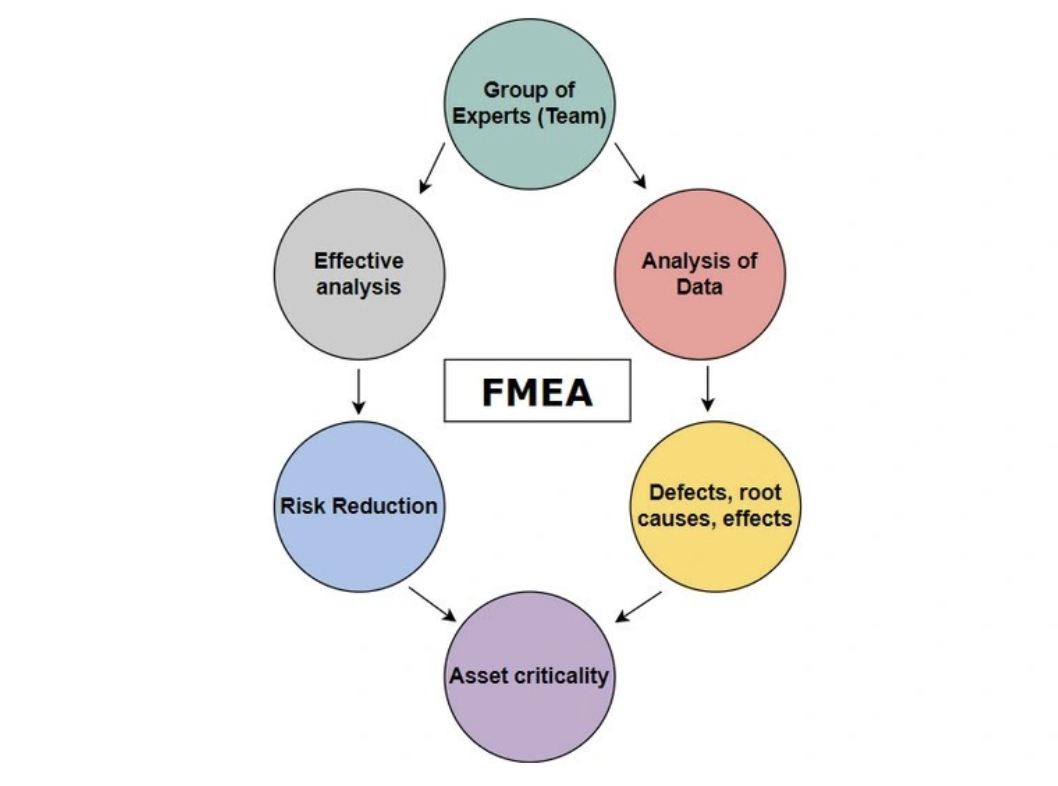
FMEA helps organizations prevent failures before they happen rather than react after problems occur. This systematic approach allows you to identify and prioritize potential failures in your processes, products, or systems. You analyze how serious their consequences are, how frequently they might occur, and how easily they can be detected[12]. Addressing potential issues proactively improves reliability, safety, and overall performance[13]. We'll explore what FMEA is in this piece and walk through the step-by-step FMEA process. You'll see how to calculate risk using severity and occurrence factors and get practical guidance on implementing this failure mode and effects analysis in your organization.
What is FMEA and When Should You Use It
The U.S. military developed failure mode and effects analysis (FMEA) in the 1940s[1]. It's a systematic approach I use to identify and prioritize possible failures in designs, manufacturing processes, products, or services. The term breaks into two parts: "failure mode" refers to the specific way something might fail, while "effects analysis" means studying the consequences of those failures[1].
This fmea analysis prioritizes failures according to three factors: how serious their consequences are, how frequently they occur, and how easily they can be detected[2]. Think of FMEA as a structured conversation where cross-functional teams get into potential problems before they materialize.
You should use FMEA when designing, redesigning, or evaluating a process, product, or service[1]. Run an FMEA when applying an existing process in a new way, before developing control plans to modify processes, when planning improvement goals, or when analyzing failures of existing operations[3].
The methodology works in automotive, aerospace, medical device, and industrial manufacturing sectors[4]. FMEA during the earliest conceptual stages yields bigger effect because changes cost less to implement early on[1]. The later you start, the fewer corrective options remain available once designs freeze and tooling releases.
The FMEA Process: A Step-by-Step Guide
An FMEA analysis follows a structured eight-step process. Teams move from original planning through risk identification. Each step builds on the previous one to create a complete failure mode and effects analysis.
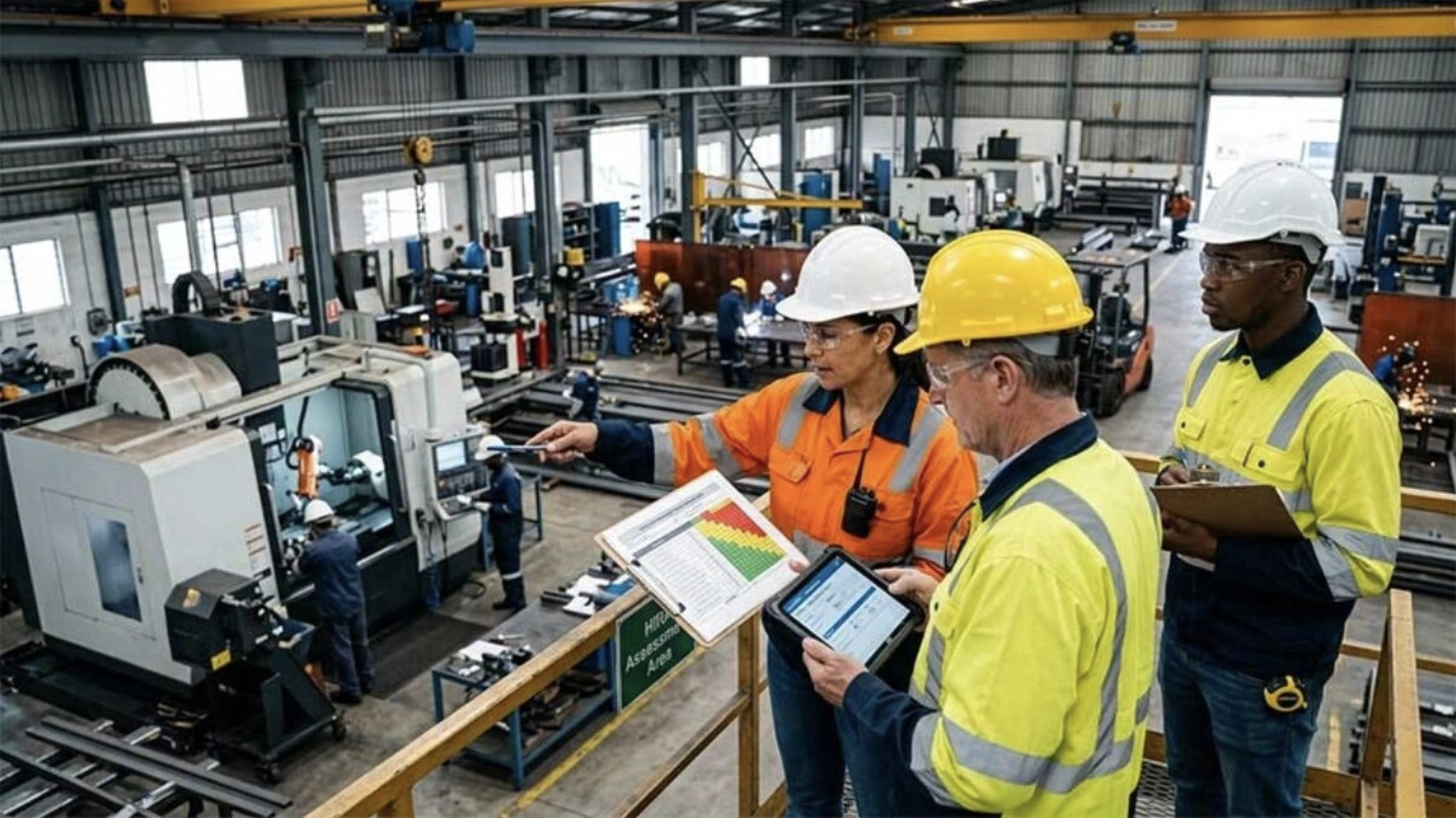
1. Build a team: Assemble a multidisciplinary, cross-functional team with diverse knowledge about the process, product, or service. Teams include representatives from design, manufacturing, quality, testing, reliability, maintenance, purchasing, sales, marketing, and customer service[5].
2. Set the scope: Define whether the FMEA targets concept, system, design, process, or service. Establish boundaries and detail levels. Use flowcharts to clarify scope so every team member understands it[5].
3. Identify information: Fill in details at the top of your FMEA template. Subsequent steps populate the form's columns[5].
4. Set scope functions: Identify what your system, design, process, or service should accomplish. Name each function with a verb followed by a noun. Break the scope into subsystems, parts, or process steps[5].
5. Identify failure potential: Brainstorm ways failure could happen for each function. This represents the biggest FMEA activity[5].
6. Identify consequences: Determine how each failure mode affects the system, process, product, customer, or regulatory compliance[5].
7. Rate severity: Assess how serious each effect is on a scale from one to ten. One is insignificant and ten is catastrophic[5].
8. Determine root causes: Identify all potential root causes for each failure mode. Use appropriate analytical tools[5].
Calculating Risk and Taking Action
After you assess severity, rate each failure mode's occurrence and detection. Occurrence measures how likely the failure will happen on a scale from one to ten. One means unlikely and ten means the failure will occur almost certainly[6]. Detection assesses how well current controls can identify the failure before it reaches the customer or causes problems. One means the failure will be detected almost certainly and ten means detection is unlikely[6].
Multiply these three ratings to calculate the Risk Priority Number (RPN): RPN = Severity × Occurrence × Detection[7]. The RPN ranges from 1 to 1,000[8]. A failure mode with severity of 8, occurrence of 5, and detection of 6 yields an RPN of 240[9].
Address severity ratings of 9 or 10 first, whatever the RPN value[10]. Once high-severity issues receive attention, focus on the top 20% of RPNs[6]. Develop specific corrective actions that target the occurrence, detection, or severity factors. Actions might include design changes, process improvements, increased inspections, or employee training[7].
Recalculate the RPN once you implement corrective actions to verify risk reduction[11]. Update your fmea template with revised scores and track effectiveness. FMEA remains a living document that requires continuous review when processes change, new failure modes emerge, or annually as part of standard practice[6].
Conclusion
FMEA gives you the ability to move from reactive firefighting to proactive risk management. This structured eight-step methodology helps you identify potential failures and calculate risk using the RPN formula. You can then prioritize corrective actions based on severity ratings. Note that your FMEA document stays alive and requires updates as processes evolve. Implement FMEA early in your design or process stages to maximize effect and prevent failures that could get pricey before they affect your customers.
References
[4] - https://www.jamasoftware.com/requirements-management-guide/risk-management/types-of-fmea/
[7] - https://www.fabrico.io/blog/fmea/
[8] - https://www.pmi.org/learning/library/fmeas-product-development-process-4962
[9] - https://aigproexcellence.com/blog/fmea-simplified/
[10] - https://accendoreliability.com/understanding-prioritize-risk-corrective-actions-fmea/
[11] - https://tractian.com/en/glossary/fmea-failure-mode-and-effects-analysis
[13] -https://www.scrut.io/post/guide-to-an-fmea-analysis













































.png)











.png)
.png)
.png)
.png)
.png)
.png)
.png)

.png)
.png)
.png)
.png)
.png)
.png)
.png)
.png)
.png)
.png)
.png)
.png)
.png)
.png)
.png)
.png)


Ready to Save Lives at Work?
With Impress Solutions, you’re not just getting a service, you’re securing peace of mind with a partner you can trust. Book a free consultation today, and let’s map out how we can help you save lives at work.

.png)